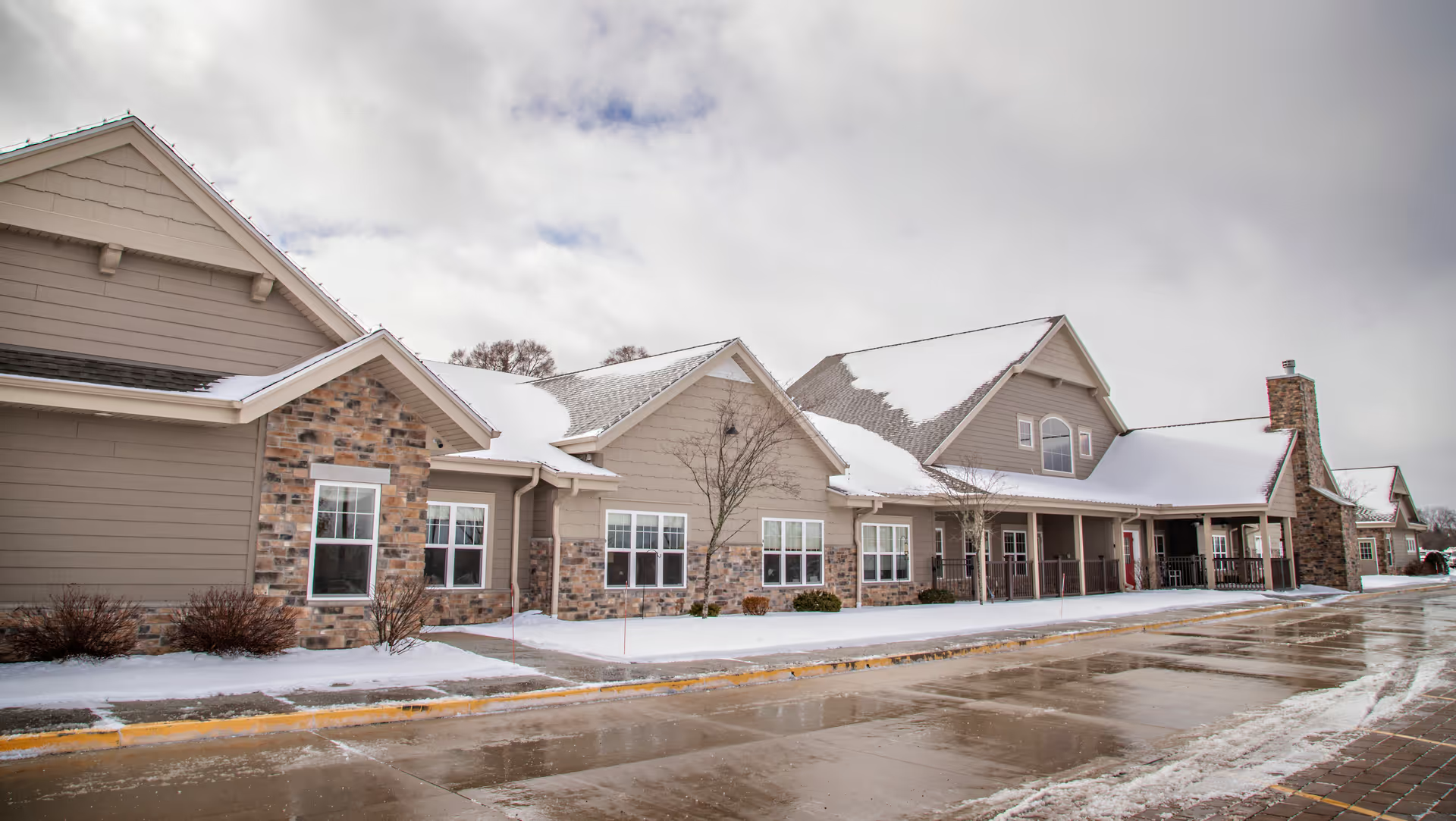
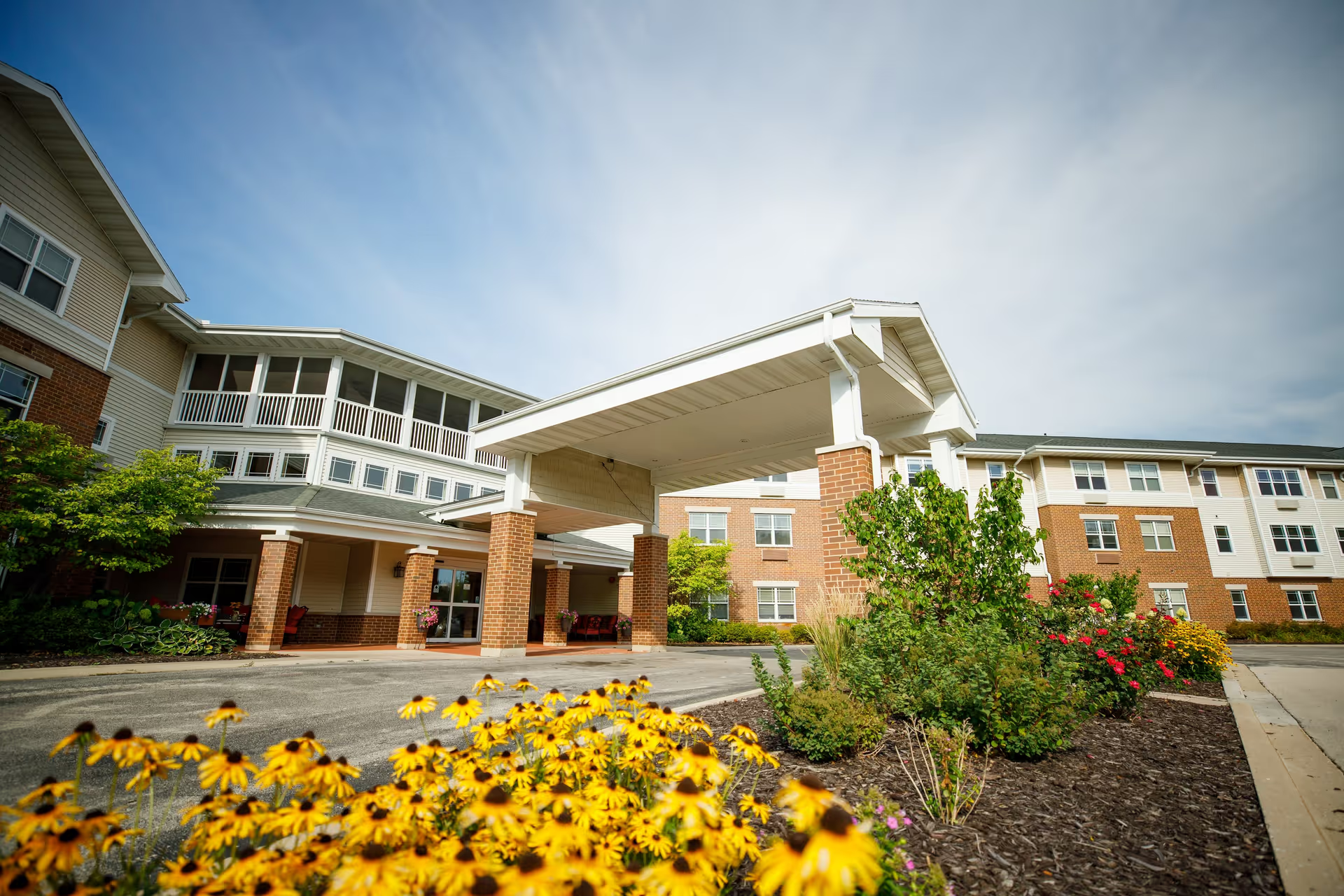
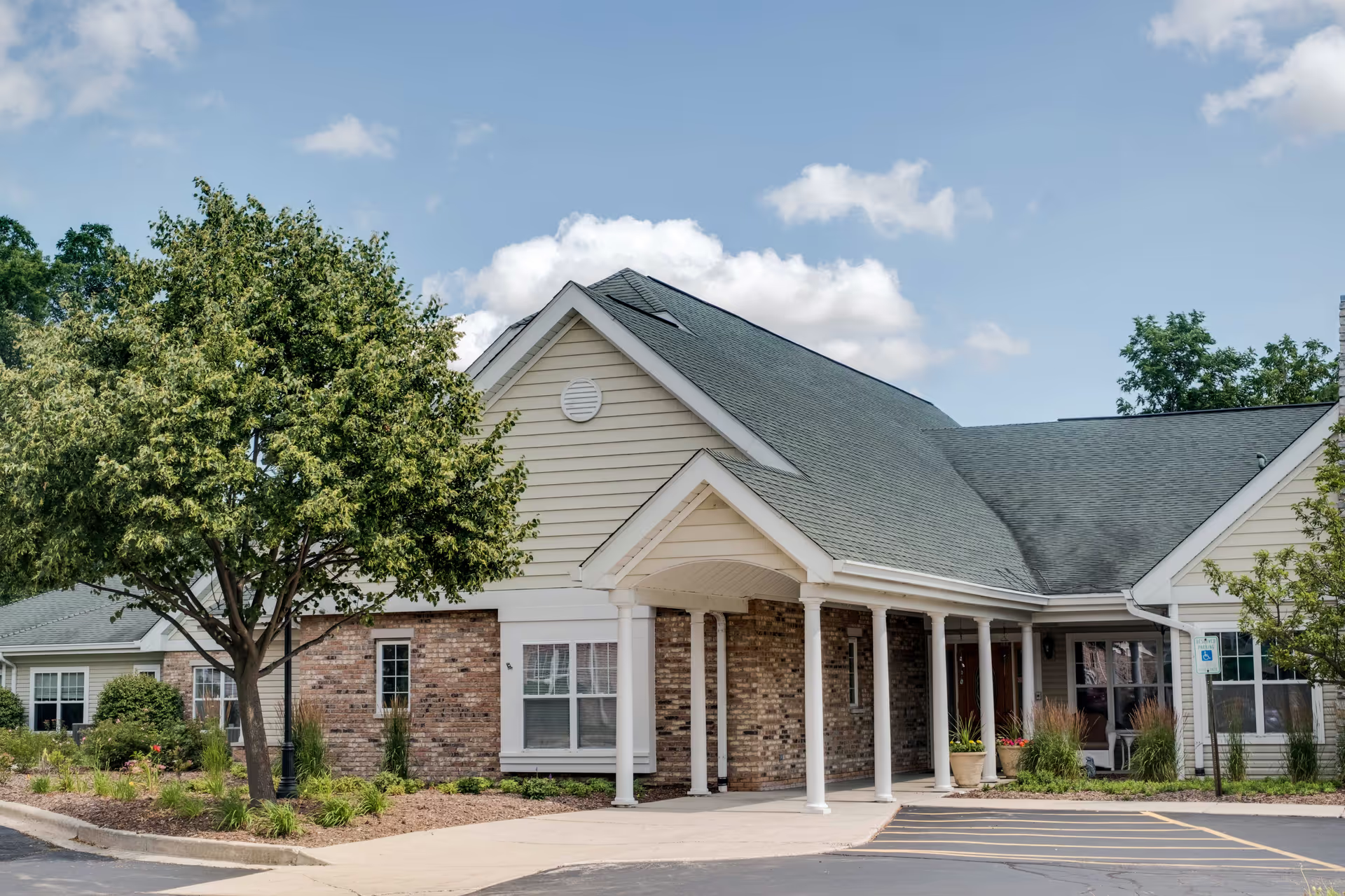
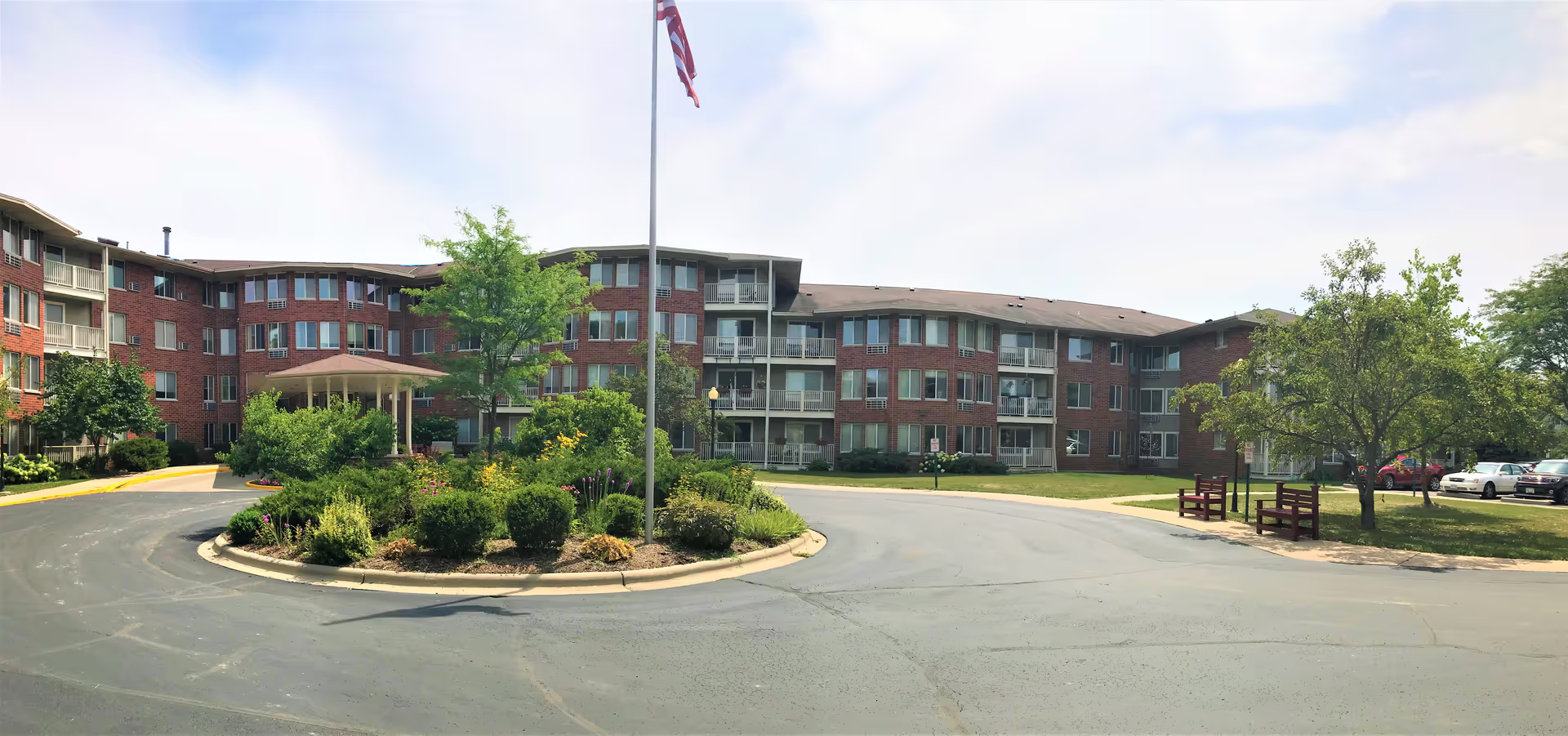
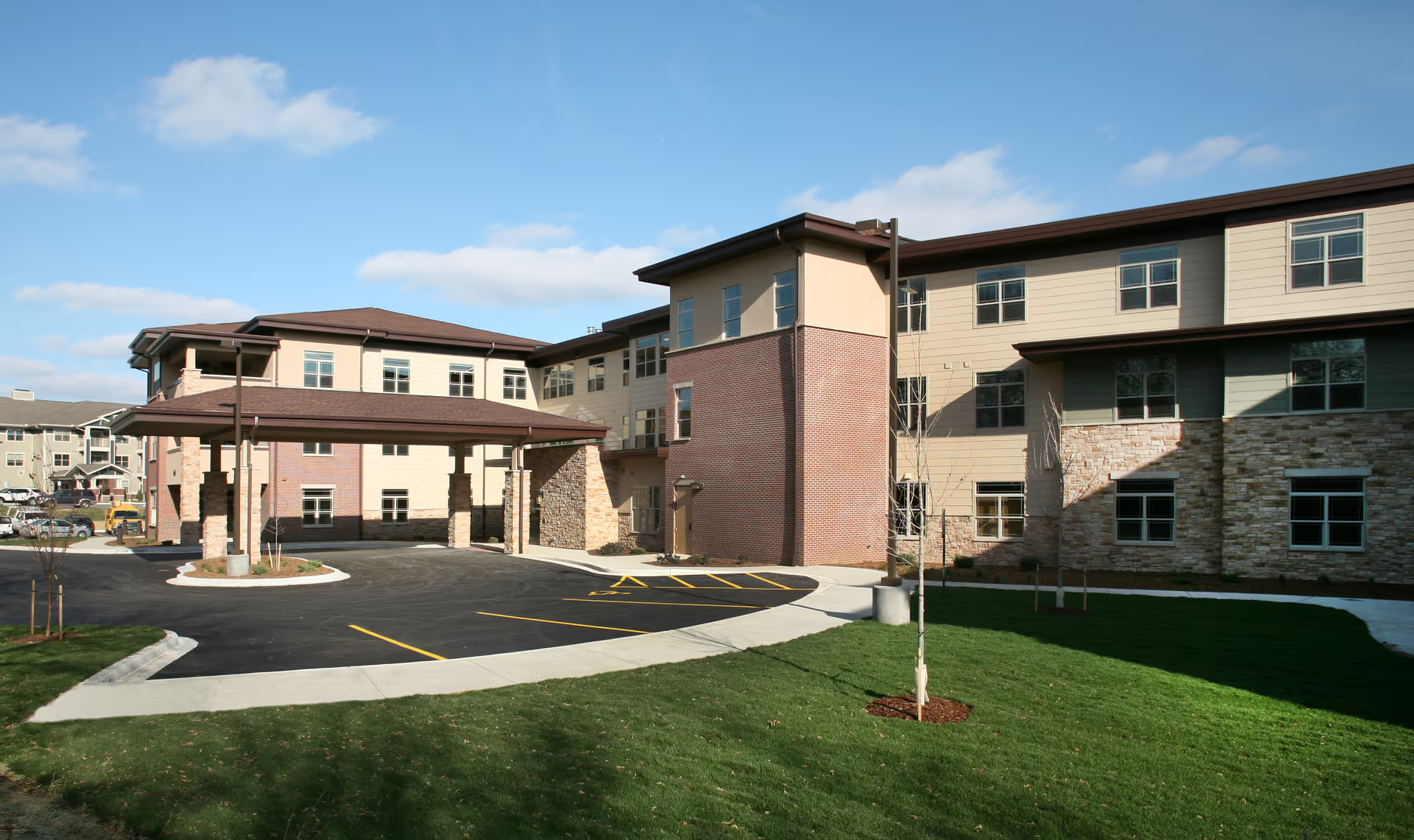
Castle Senior Living - Grand Hills Castle presents as a modern, well-appointed community with several design and programming elements that appeal to families seeking memory-care–focused environments. The physical plant is frequently described as attractive, bright, and village-like — features that support orientation and social interaction. Reviewers consistently note secure measures (bracelet alarms, guarded entrance) and an enclosed courtyard, which contribute to perceived safety for residents who may wander.
Clinical and caregiving strengths are a clear theme in many accounts. Families and residents praise on-site nursing and therapy services, availability of visiting physicians and hospice teams, and an engaged caregiving staff described as compassionate and knowledgeable. Long-tenured staff members are singled out as stabilizing influences, and several comments highlight individualized attention, medication administration, and therapists/clinical staff who helped residents regain function. These strengths are reinforced by positive notes about infection-control practices during COVID-19.
Dining and activities are generally viewed positively. The dining program (three meals per day, occasional family-dinner events) receives favorable comments for quality and variety. An active calendar — exercise classes, socials, library access, salon services, and smaller social events — is supported by a dedicated activity director; residents report meaningful engagement and social connection. At the same time, some families found activity spaces small and described inconsistent communication about outings and program schedules.
Operational inconsistencies emerge as the primary area of concern. Multiple accounts point to variable responsiveness to call buttons and delays in routine personal care such as bathroom assistance and bed-making. Housekeeping and room maintenance are described inconsistently, with several families noting issues with cleaning and broken or damaged resident items. There are also recurring concerns about staff conduct and tone; while many staff are described as caring, others were characterized as dismissive or disrespectful in specific interactions, which eroded family confidence.
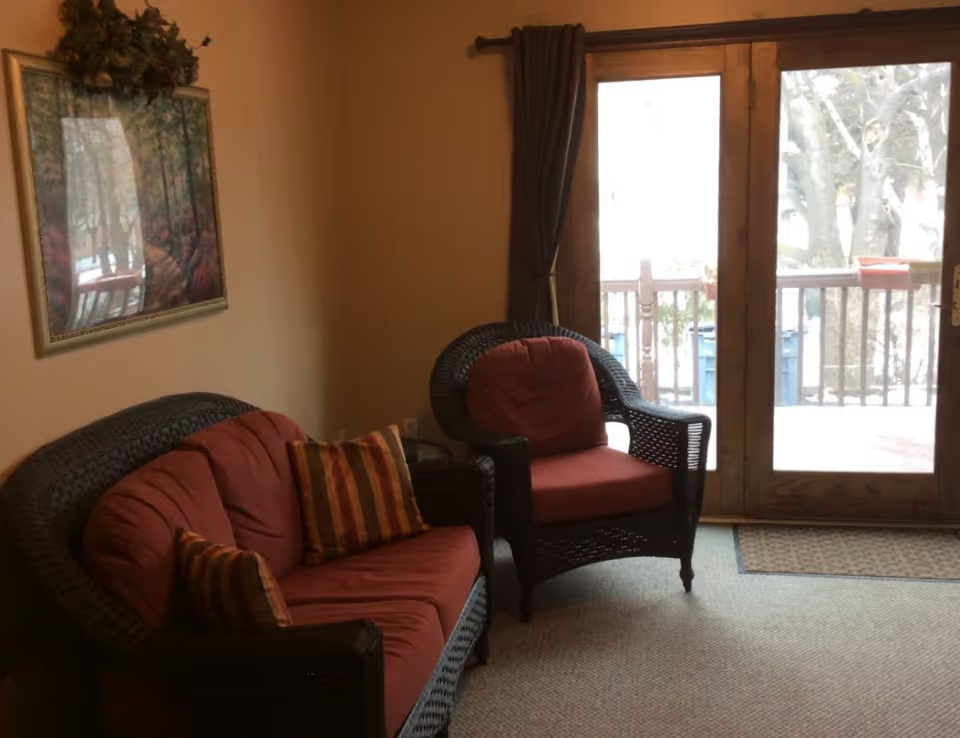
Management and business-practice issues are another pattern. Some families report defensive or unsatisfactory responses when raising concerns, as well as questions about transparency around pricing and fee increases after move-in. Staffing continuity and memory-care training are described as variable; reviewers make a distinction between experienced, long-term employees (who receive high praise) and newer staff who may need additional training. Facility layout also drew mixed feedback: common areas are bright and open, but resident rooms are sometimes described as small with limited private retreat space, and the overall layout has been characterized as open/cold by a few visitors.
In summary, Grand Hills Castle offers many attributes families seek in a senior living community: a modern, dementia-conscious design; on-site clinical and therapy services; a caring core of long-term staff; robust dining and activity programming; and visible safety systems. These positives coexist with operational challenges that prospective families should evaluate during a tour: ask specifically about staffing ratios, call-response metrics, housekeeping schedules, memory-care staff training and turnover, the community's process for handling damaged or missing personal items, pricing/fee policies, and the visitation policy. A focused tour and direct conversations with clinical leadership and long-term staff can help clarify whether the community’s strengths align with a particular resident’s needs and expectations.