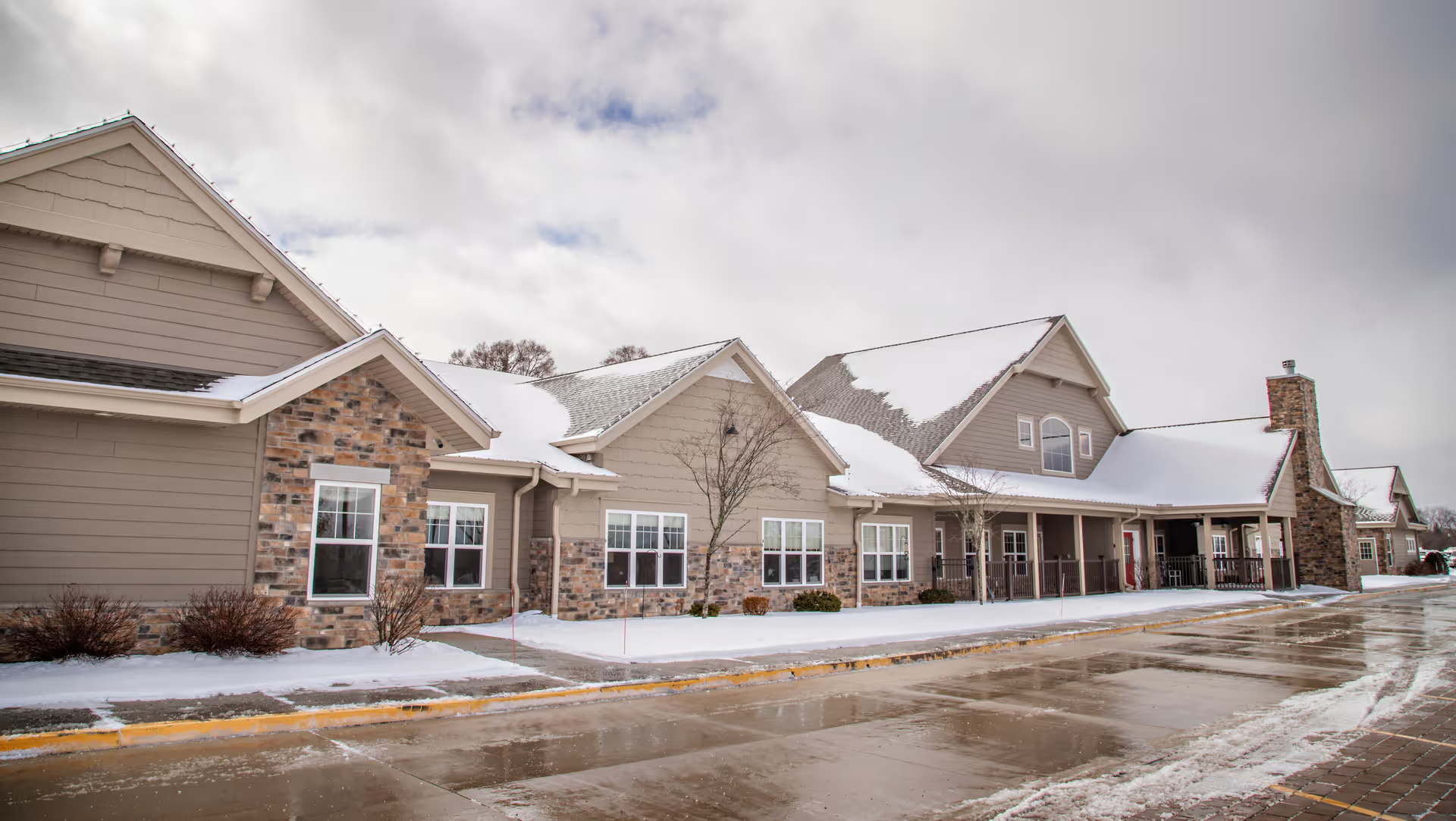
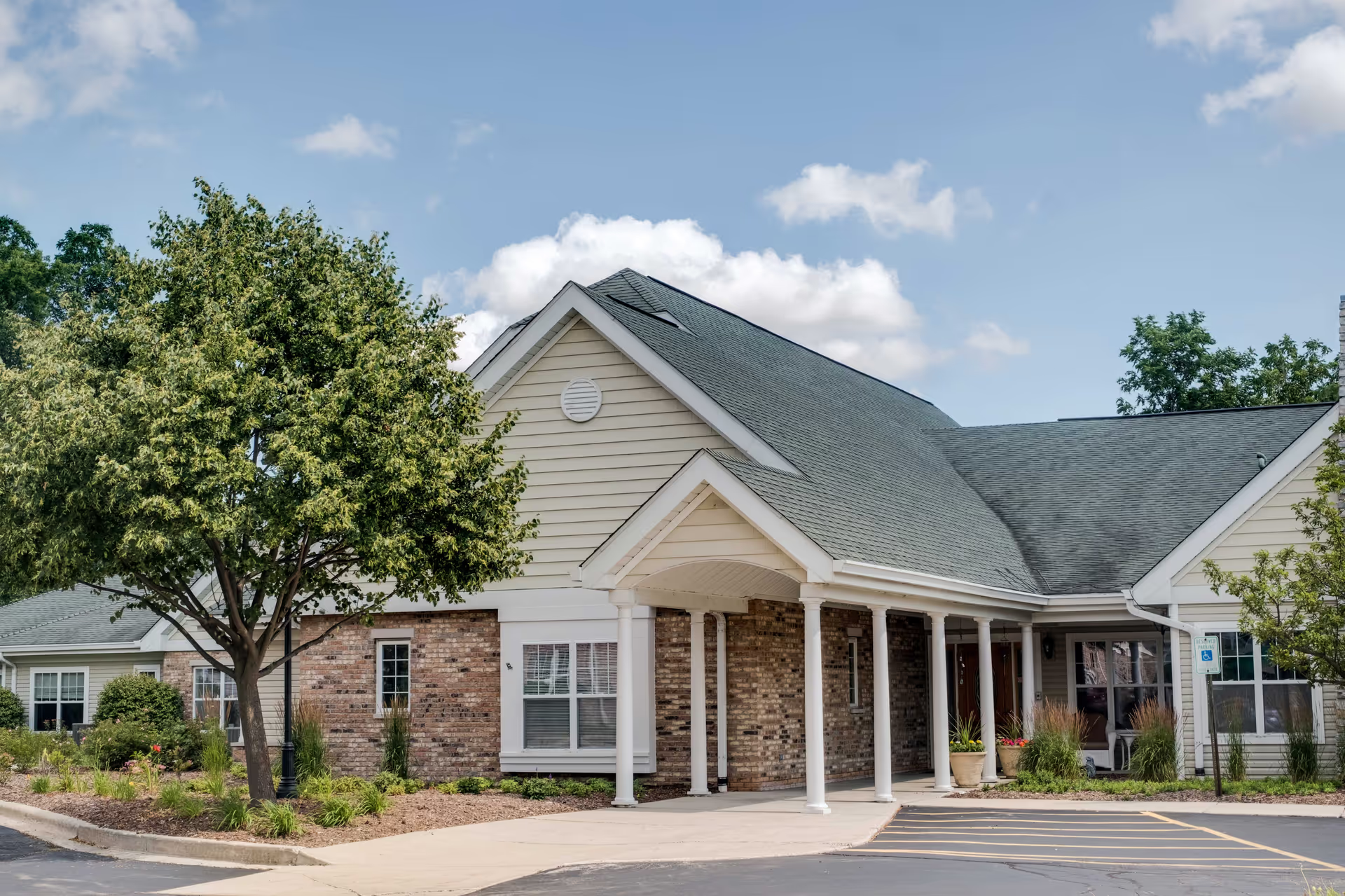
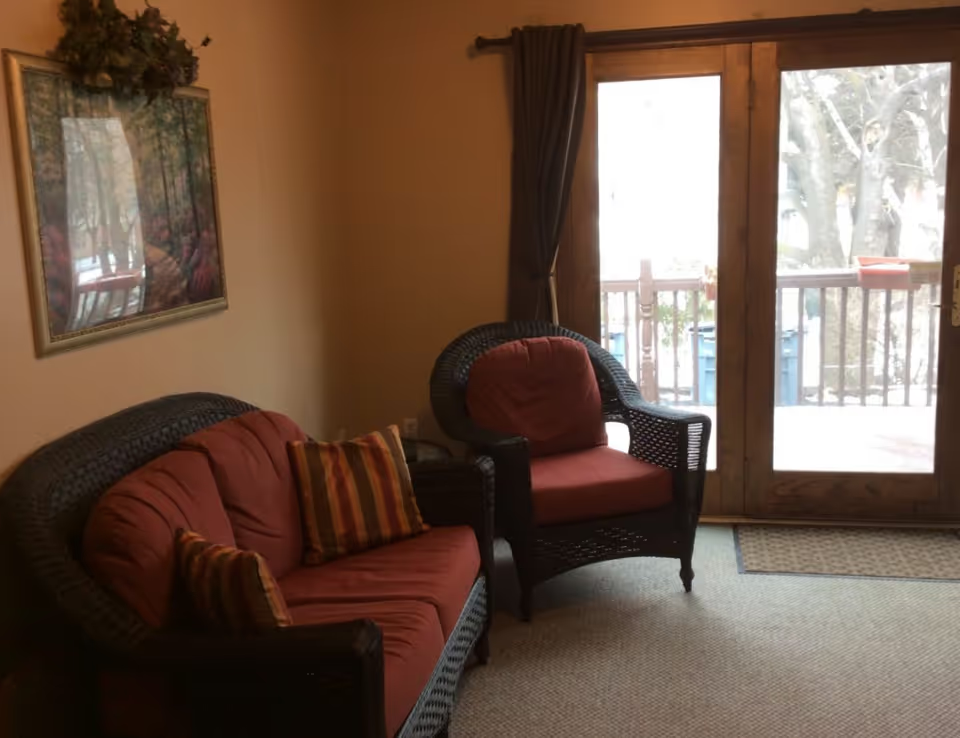
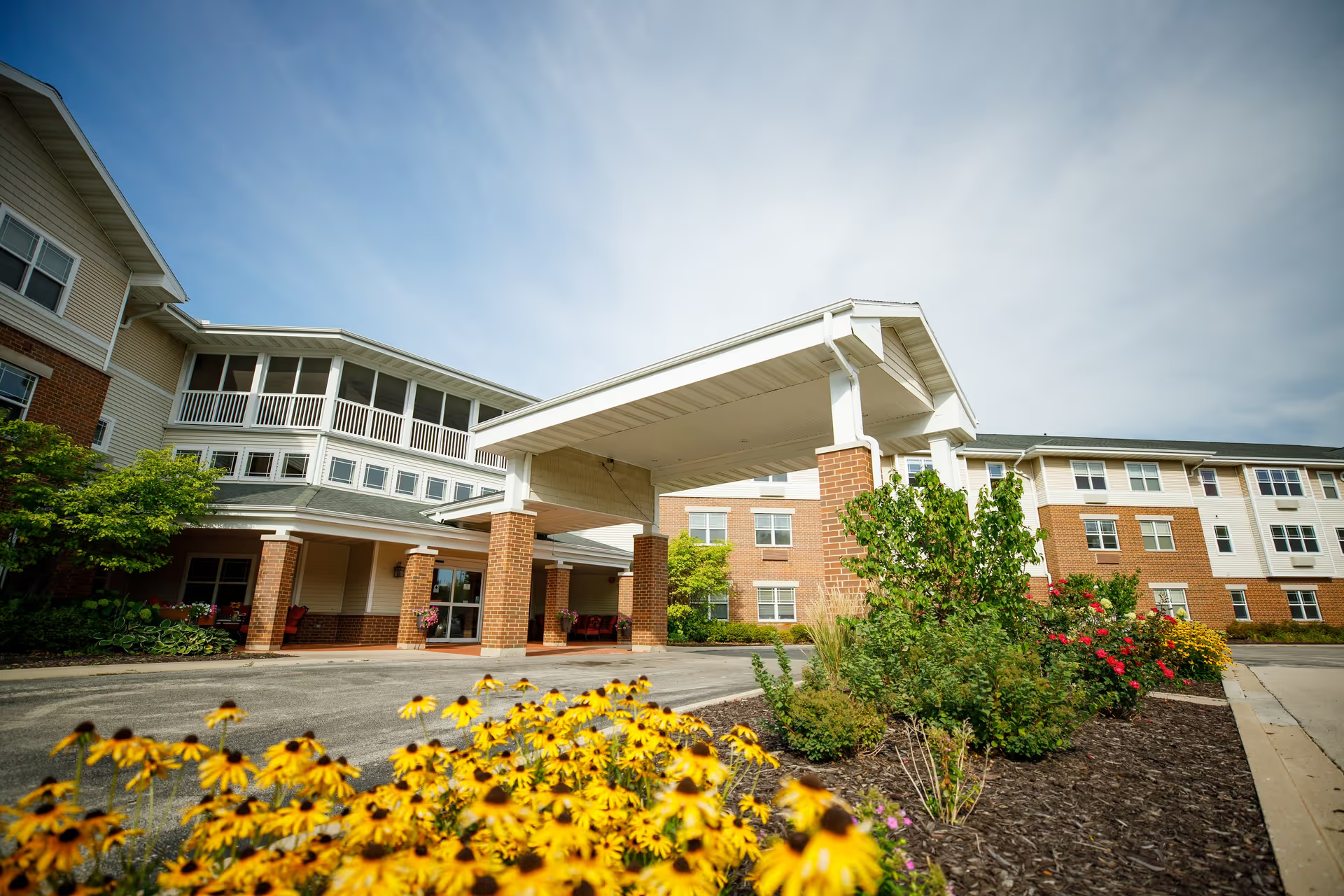
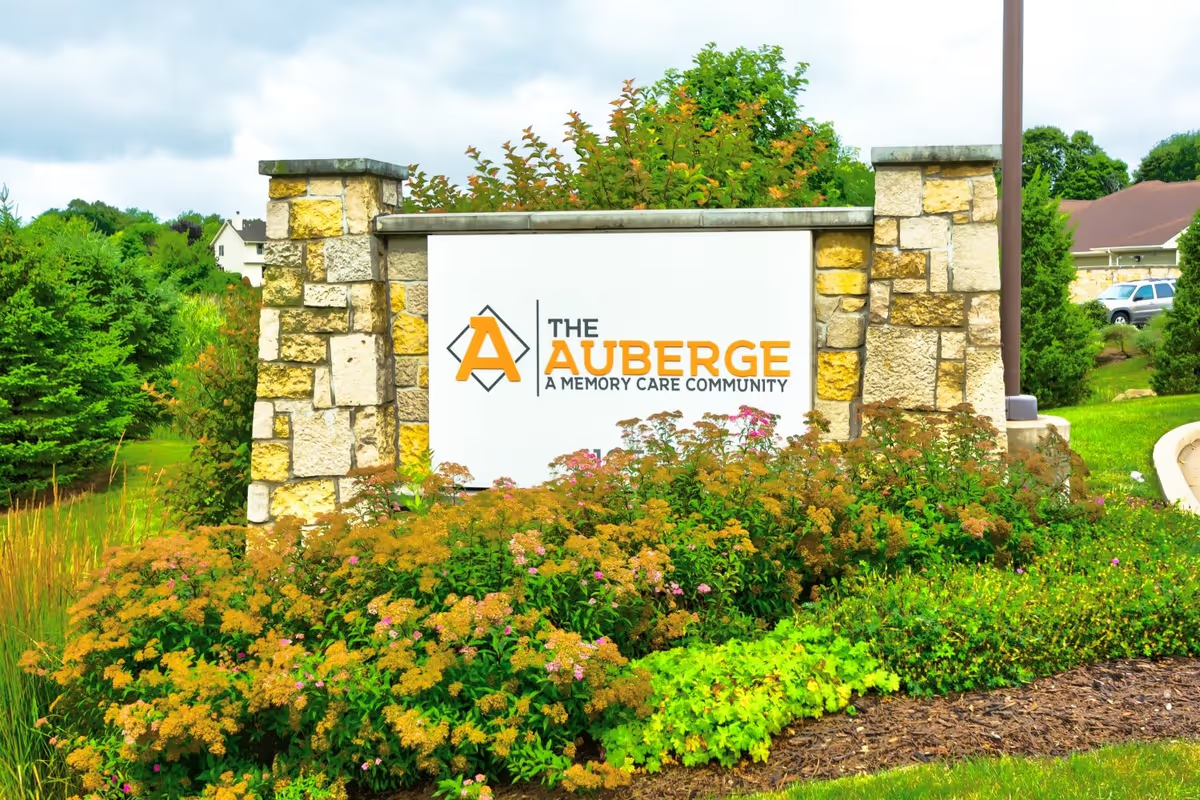
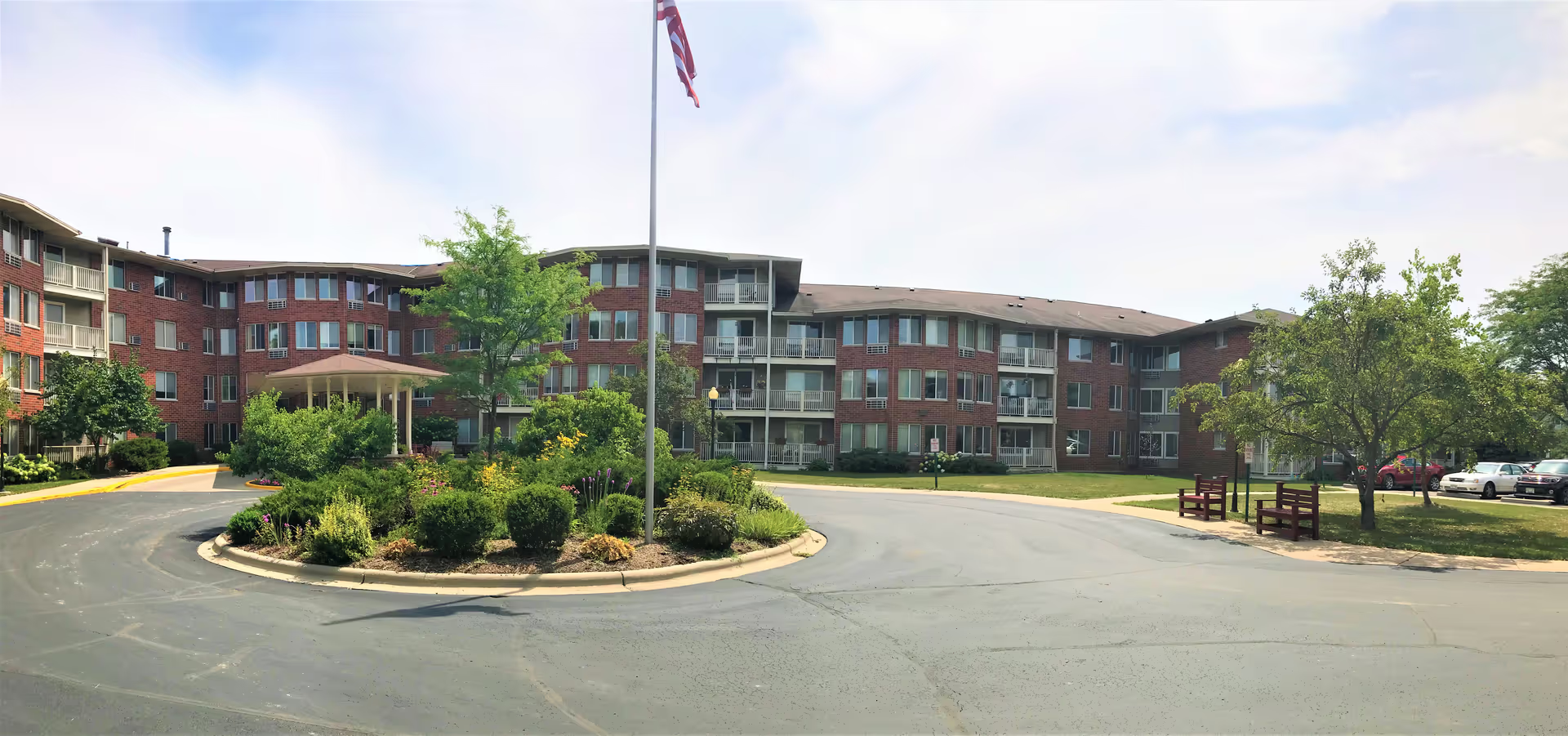
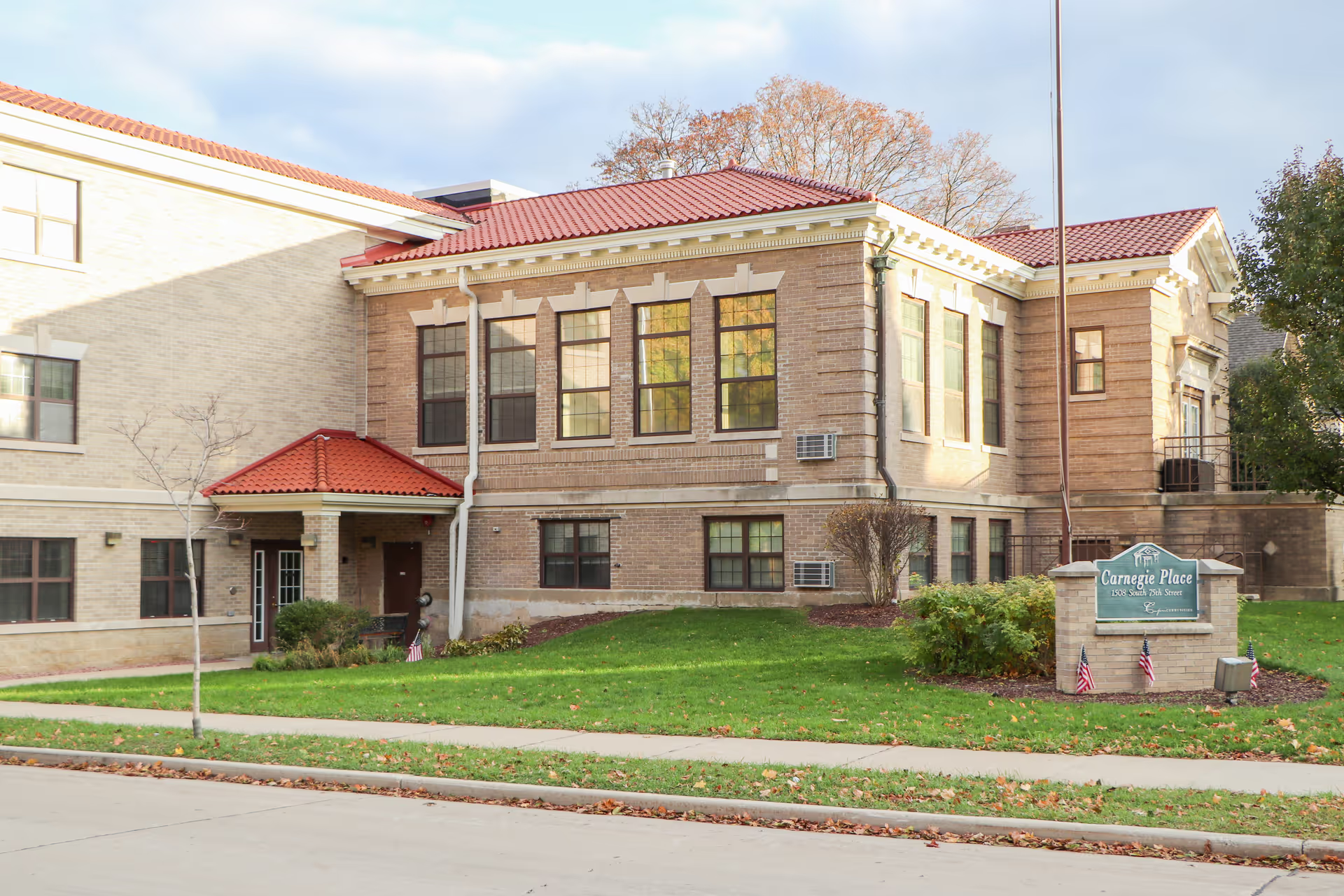
Parkwood Highlands presents as a well-kept independent-living community that emphasizes resident independence, social engagement, and responsive operations. Reviewers consistently highlight a professional, compassionate staff and a maintenance team that addresses unit- and property-level issues promptly. Buildings and grounds are frequently described as attractive and clean, with roomy apartment floor plans, large closets, and conveniences such as on-floor laundry, private party kitchens, guest/overnight suites, and accessible garage-to-apartment entryways that support residents who value privacy and autonomy.
Care and staff interactions are a clear strength: office personnel, Resident Services, and maintenance staff are repeatedly characterized as courteous, helpful, and effective. Move-in assistance, orientation (ambassador) programs, and examples of staff going beyond routine duties contribute to a sense of safety and welcome. The community also supports an active social life — tenant-generated groups and staff-facilitated offerings (bingo, crafts, exercise classes, community rooms) produce a friendly, long-tenured resident population and many reports of lasting friendships.
Dining and activities: Parkwood Highlands is configured for independent living rather than assisted care. There is no meal service or beauty parlor; residents should plan for independent meal preparation. Activity programming is a mix of tenant-driven and provider-hosted events; on-site fitness and recreation spaces are modern and well-regarded, but some events or programs may carry additional costs and participation varies by interest.
Facilities and units: Physical amenities are generally strong — private and secure grounds, fitness spaces, guest suites, and garage parking. However, reviewers noted unit-level trade-offs: some apartments have dated or basic appliances, limited kitchen workspace (difficulty accommodating large cookware), and kitchen layouts that lack natural light. Underground and attached garages offer convenience and security but can be tight for larger vehicles; parking enforcement and occasional vehicle-damage concerns suggest parking operations could be more robust.
Management and operational patterns: A recurring concern centers on affordability — frequent, sometimes sizable, annual rent increases have created financial strain for residents on fixed incomes. Landscaping and snow-removal practices appear inconsistent: while many praise routine upkeep, other accounts cite delayed plowing, salt-related plant damage, and lower-quality exterior maintenance at times. Recycling enforcement combined with limited resident education has led to fines and frustration, indicating a need for clearer communication and training around building policies.
Safety, cleanliness, and culture: The community is generally viewed as safe and quiet, with residents looking out for one another. Cleanliness is often praised, though isolated sanitation concerns in some common areas have been raised. More serious interpersonal concerns — including allegations of punitive or micromanagement-style administrative behavior — appear in a subset of accounts; these describe tense enforcement practices and strong reactions to perceived rule violations. Such allegations merit attention by prospective residents and families because they pertain to community climate and resident–staff interactions.
Bottom line: Parkwood Highlands is a solid independent-living option for older adults who prioritize independence, an active social environment, and responsive maintenance. Prospective residents should weigh the community’s strengths in staffing, upkeep, and social programming against noted weaknesses: rising costs, occasional exterior/landscaping and snow-removal inconsistency, parking constraints, limited in-unit kitchen amenities, and governance/communication practices that some find heavy-handed. Families and applicants would benefit from asking about recent rent-increase history, specific unit layouts and natural-light availability, parking dimensions, recycling and exterior-maintenance protocols, and the community’s approach to resident concerns and policy enforcement during touring and lease discussions.