The reviews present a mixed but coherent picture: many families and visitors praise the direct-care staff and the facility’s residential features, while a distinct set of operational and leadership issues produces uneven resident experiences. Strengths cluster around hands-on caregiving, the building’s physical environment, and some clinical conveniences, whereas weaknesses center on management, staffing, clinical oversight, and program reliability.
Care and staff: Multiple commenters described caregivers as attentive, kind, and focused on personal care tasks such as grooming and activities that support daily quality of life. Reviewers highlighted one-on-one attention, consistent personal interactions, and occasions when appetite and mood improved under attentive aides. At the same time, a recurrent pattern links those positives to broader personnel instability: high turnover, short-handed shifts, and uneven training. These operational staffing problems have been associated with delays in basic care tasks, inconsistent nursing presence (particularly on weekends), and concerns about medication handling and clinical follow-up. There are also several statements about staff communication tone and professionalism that suggest variability in staff conduct and family interactions.
Clinical oversight and safety: Some reviews note the advantage of on-site primary care and psychiatric visits, which can support continuity for residents with complex needs. Counterbalancing that, there are persistent concerns about medication-management processes, delayed or incorrect medication adjustments, and gaps in emergency-response coordination. A small number of reviews raise more serious allegations about diversion of controlled medications and about supervisory pressure on staff; those claims increase the perceived risk around clinical governance and would warrant verification by regulators or prospective families.
Dining and activities: Opinions about meals are mixed. Some families report improved appetite and praise the dining environment, while others cite inconsistent meal quality, small portions, and staffing gaps that affect kitchen continuity (including absence of an expected full-time cook). Activity programming exists — arts-and-crafts, walking activities, and shared dining — but calendar items are frequently described as not occurring as posted. Evenings and weekends in particular are noted as times with limited engagement, so scheduled program reliability appears inconsistent.
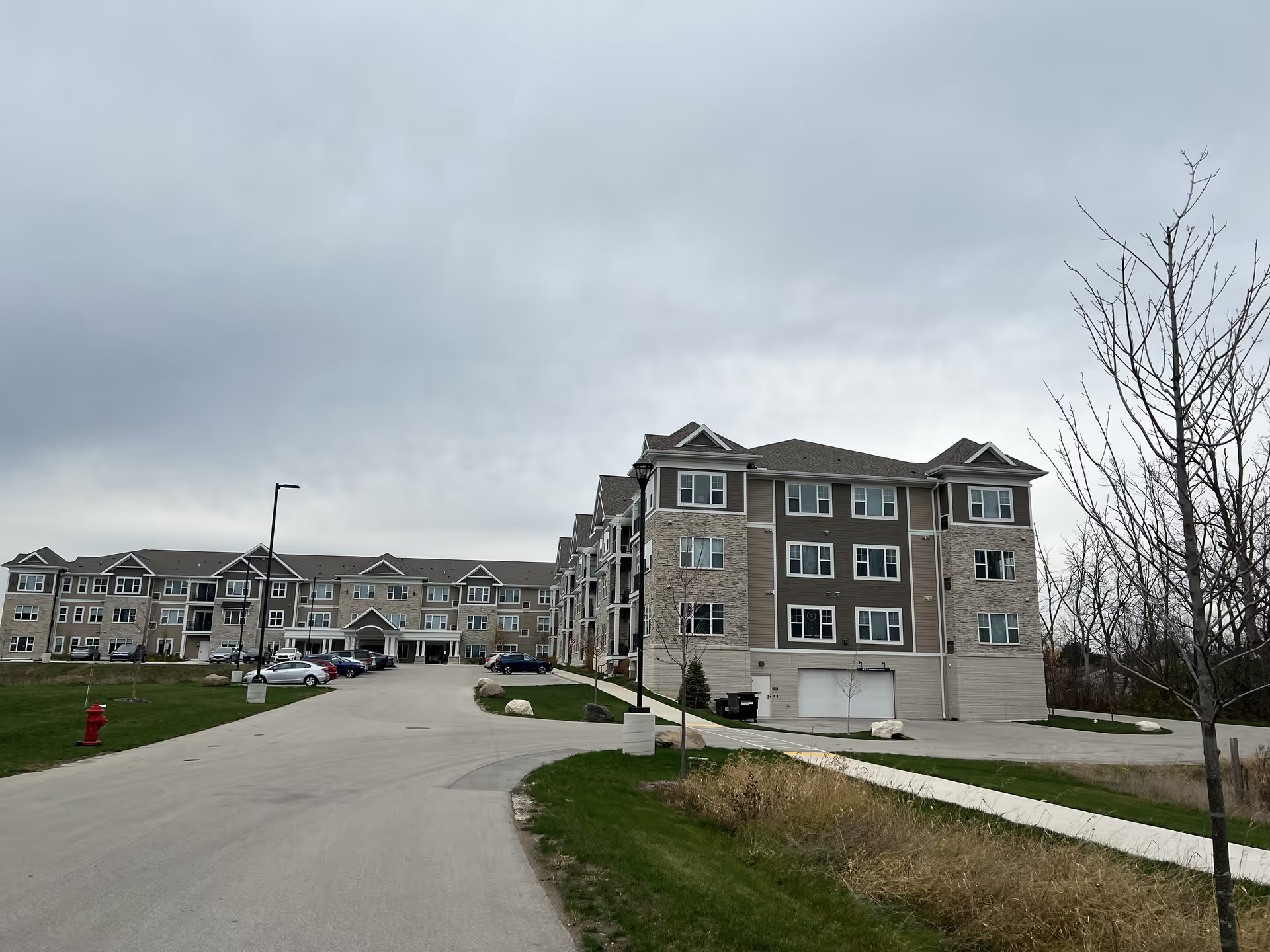
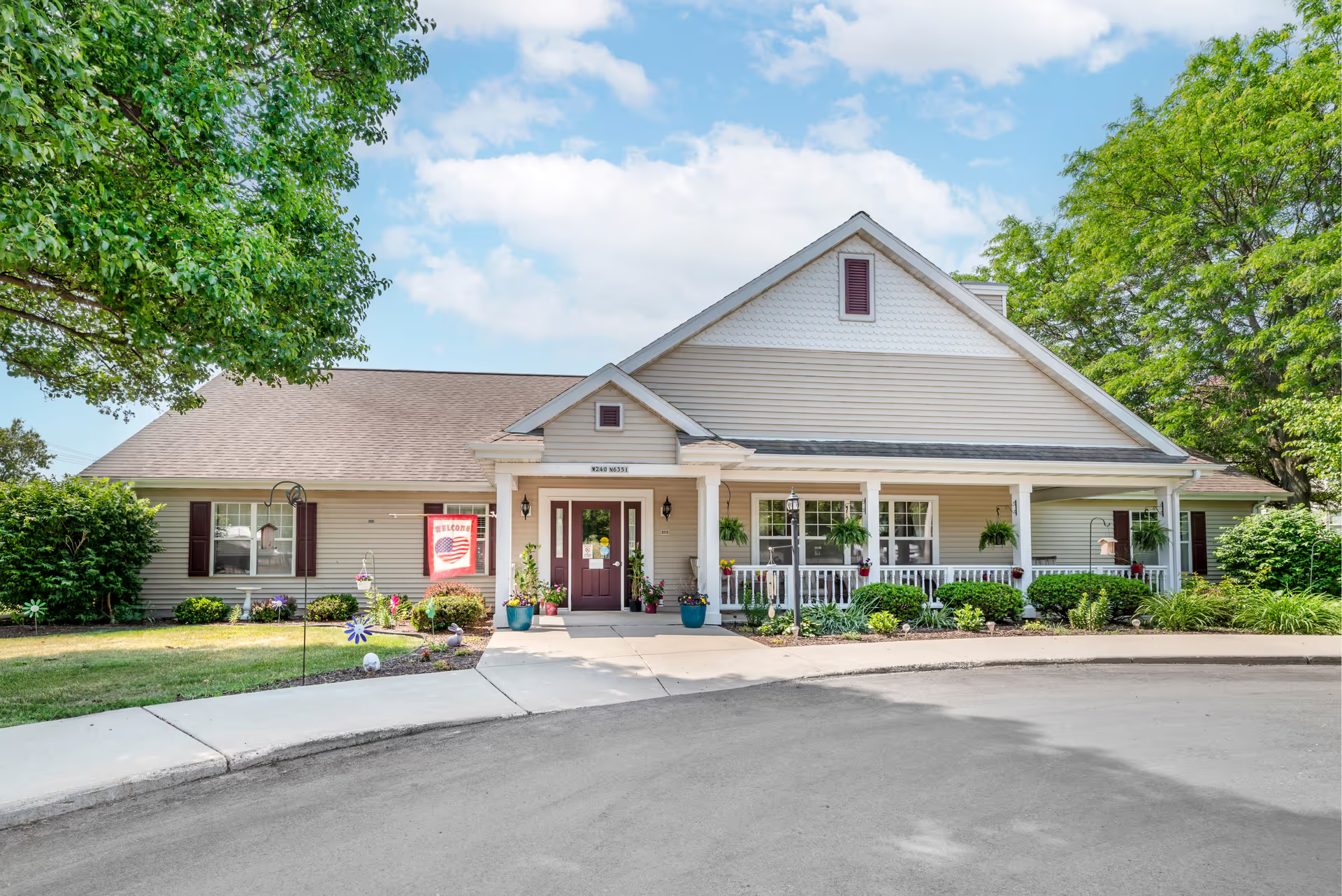
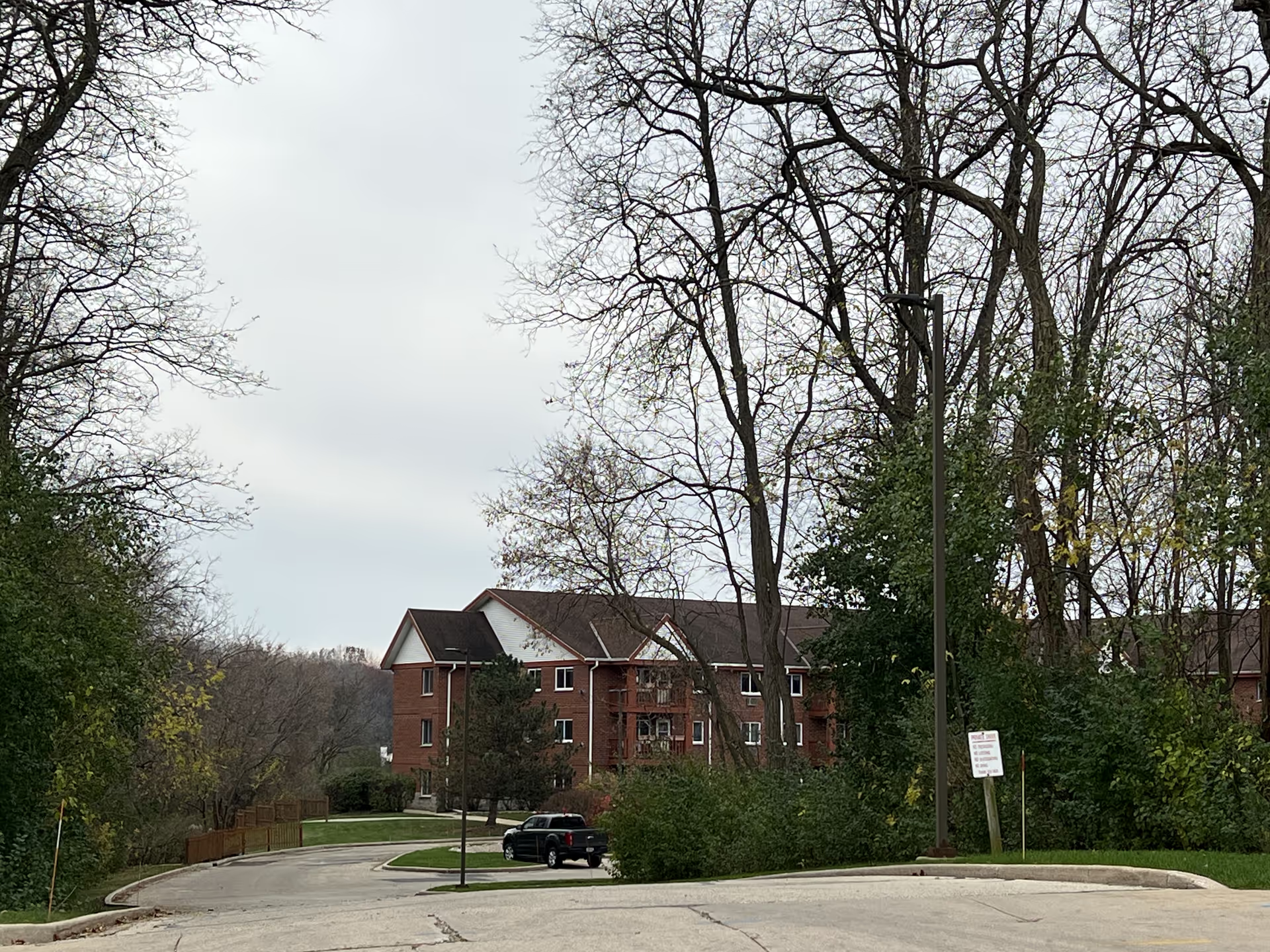
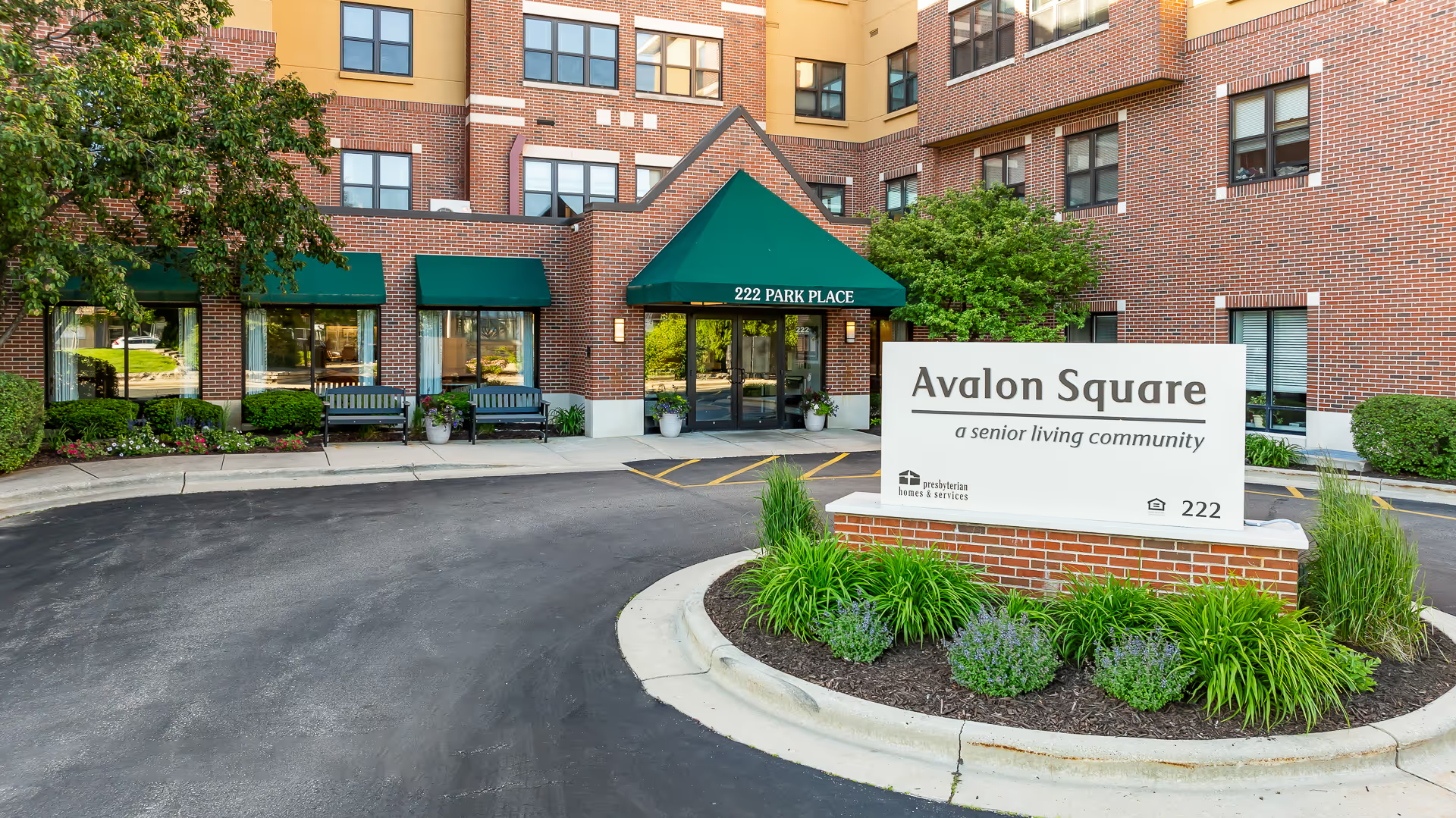
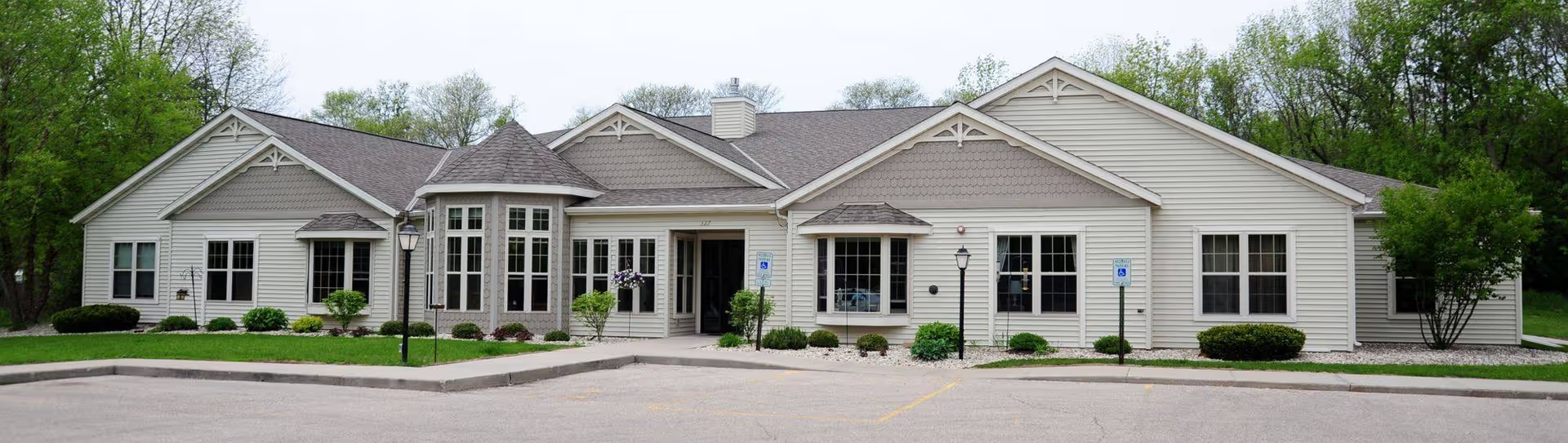
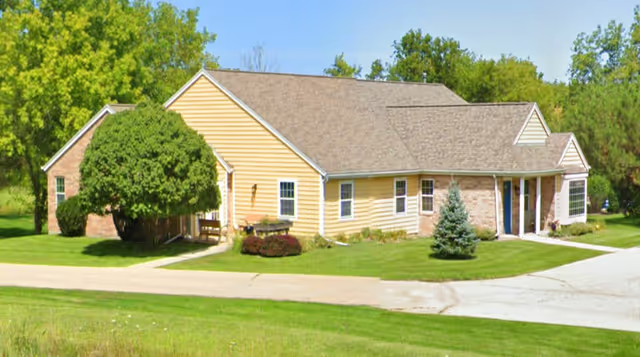
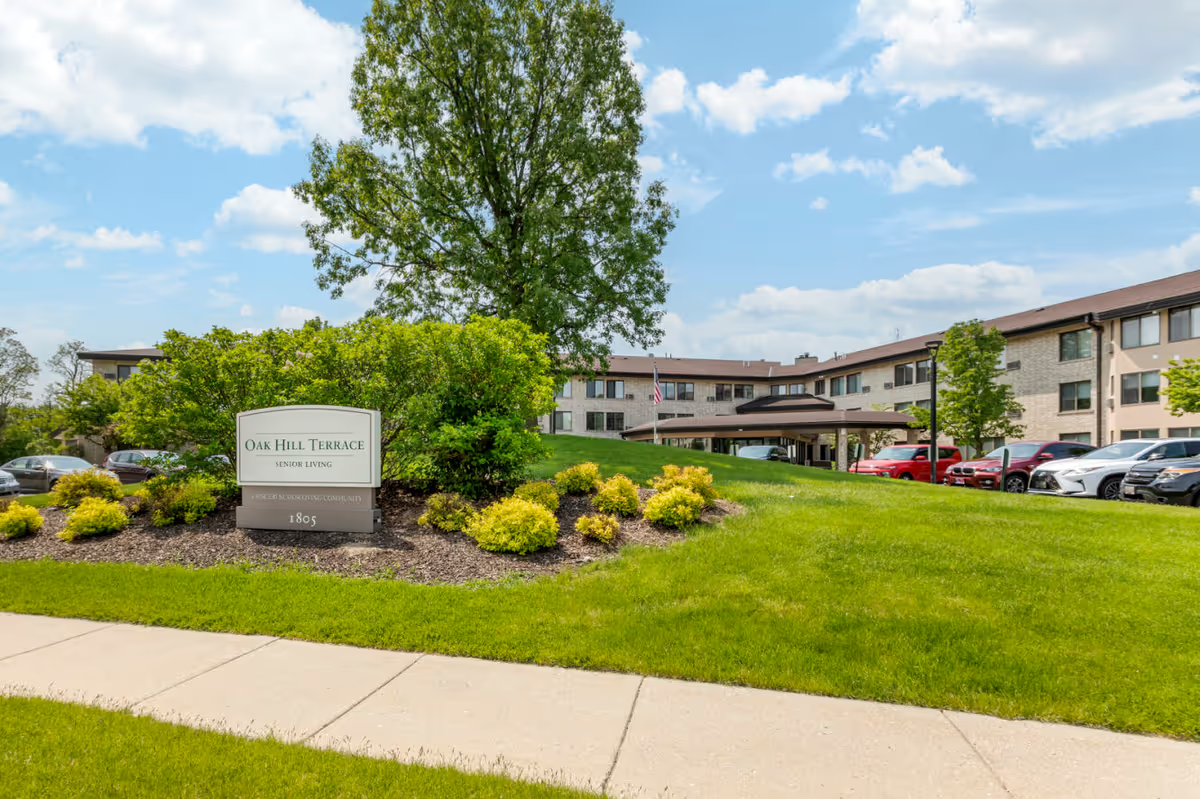
Facilities and environment: The building’s physical attributes receive generally positive comments: a small, single-floor layout, bright/new appearance, comfortable apartments, and outdoor space with river views. These aspects support a homelike, manageable environment appropriate for residents preferring a smaller community. However, reviewers also raised maintenance and sanitation concerns at times, inconsistent housekeeping follow-through, and questions about certain security features (for example, yard gating and visitor-access procedures). There are also isolated comments about personal-property handling and mail processes that indicate potential procedural gaps.
Management and communication: The clearest pattern of negative feedback concerns administrative leadership and communication. Multiple reviewers describe disorganized management behavior (missed meetings and tours, inconsistent policy enforcement), poor responsiveness to family inquiries, and restrictive or confusing visitation rules in sensitive situations. These governance issues appear to amplify the operational effects of staffing shortfalls and contribute to widely varying experiences among residents and families.
Notable patterns and guidance for prospective families: The reviews suggest a facility with tangible strengths in direct caregiving and a favorable physical environment, yet with systemic operational vulnerabilities that produce inconsistent outcomes. Prospective residents should prioritize in-person assessment of current staffing levels, confirm nursing coverage and medication-management protocols, request recent inspection or licensing records, and clarify visitation and personal-property policies. Speaking with current families about consistency of activities, meal routines, and how clinical incidents are communicated will help determine whether the facility’s culture and management practices align with a prospective resident’s needs.