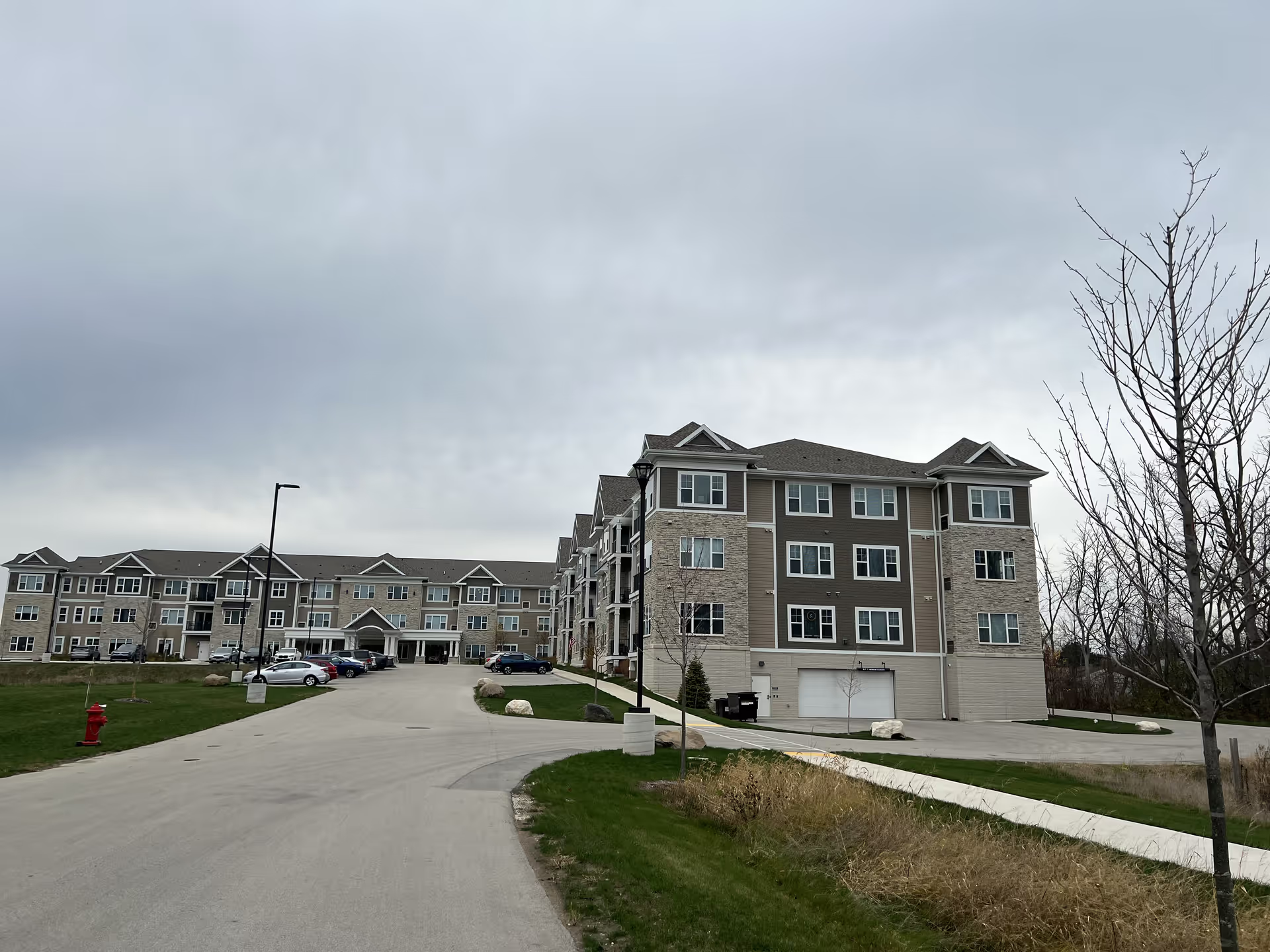
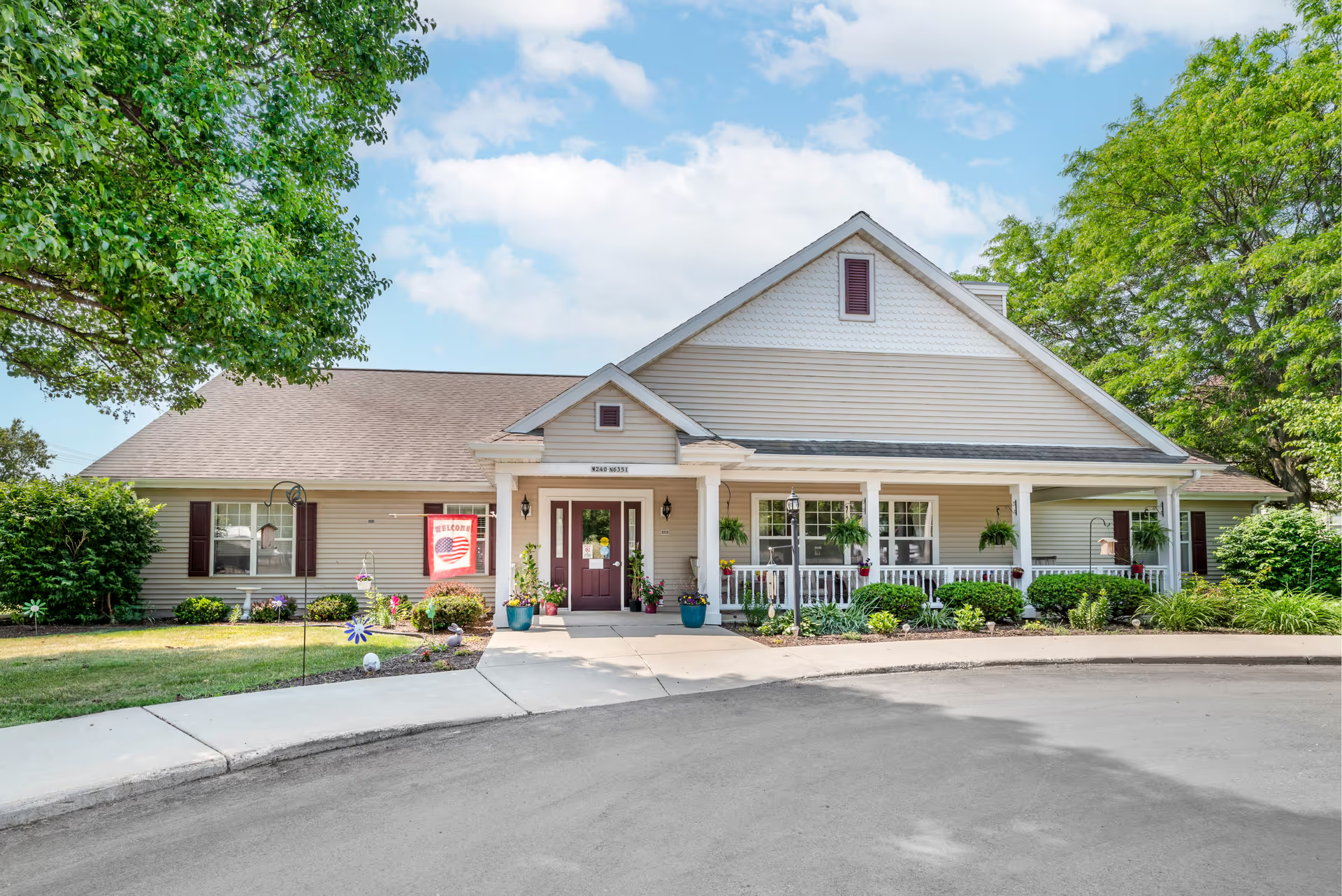
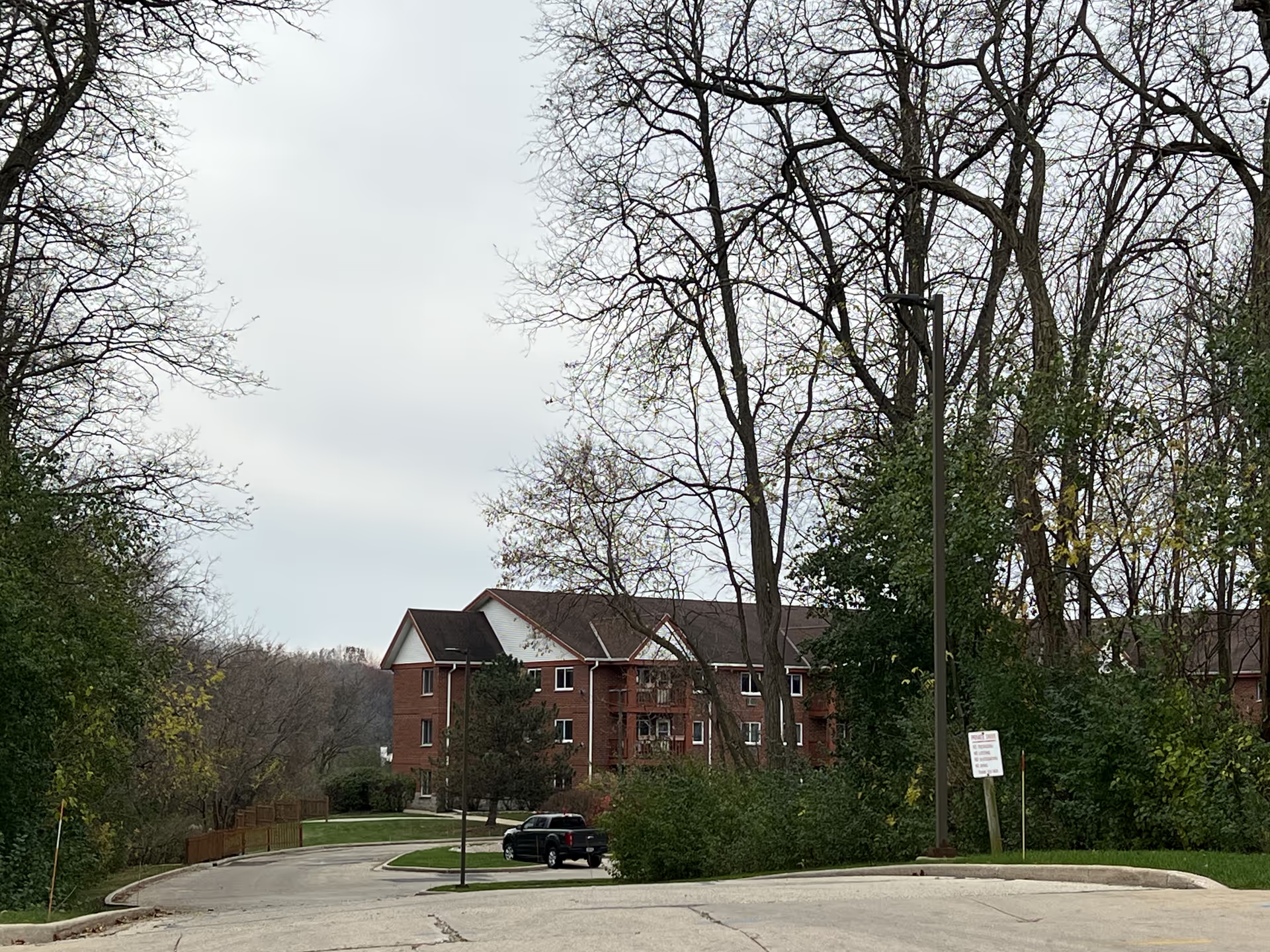
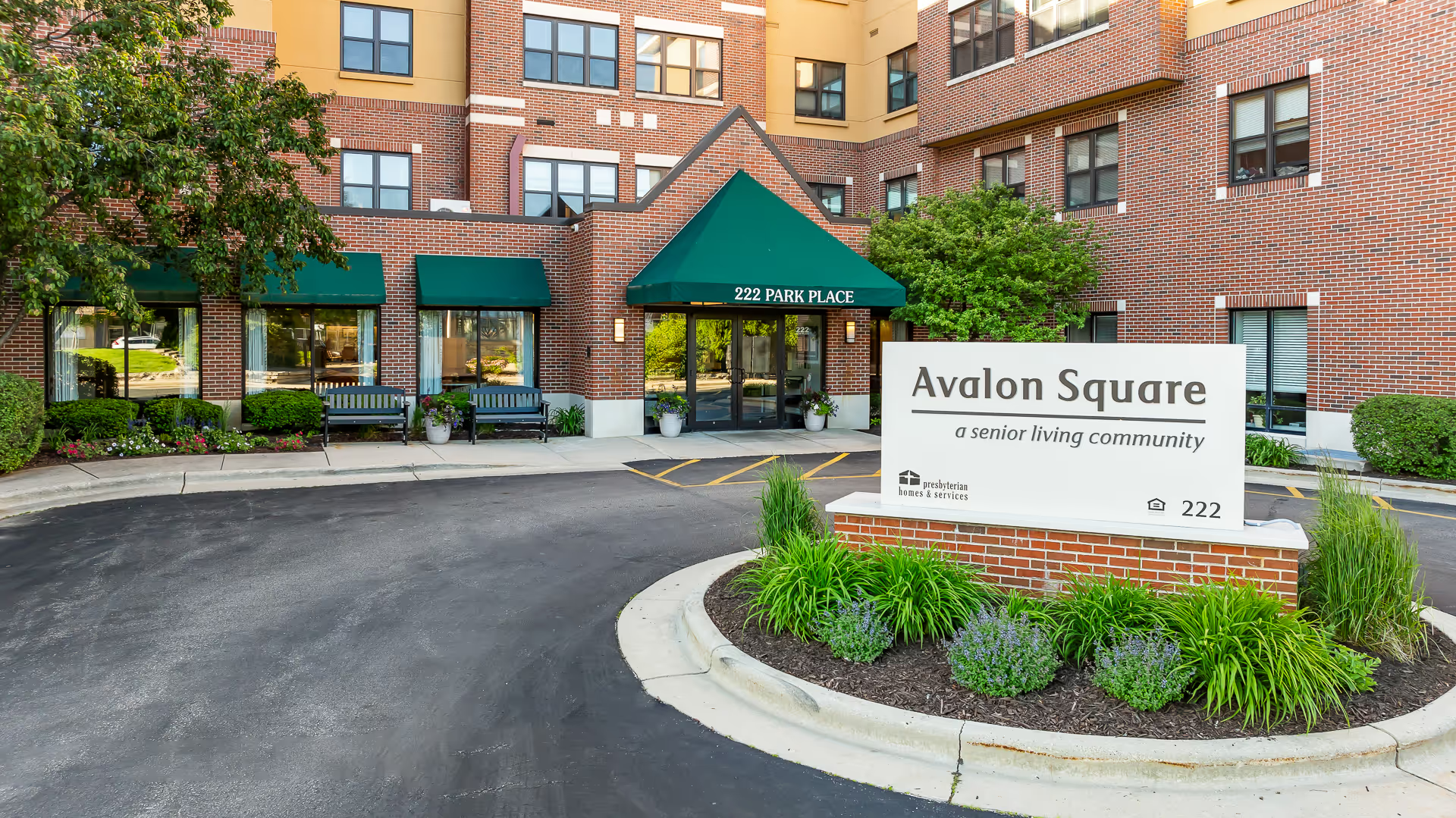
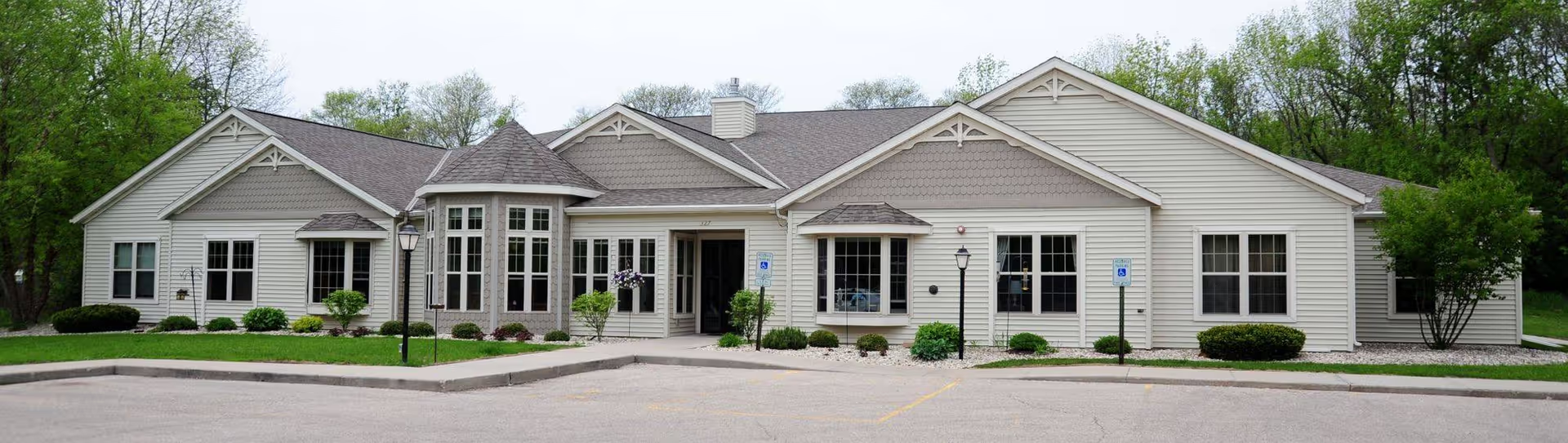
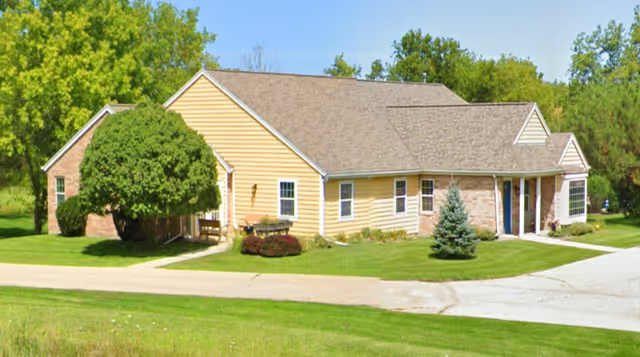
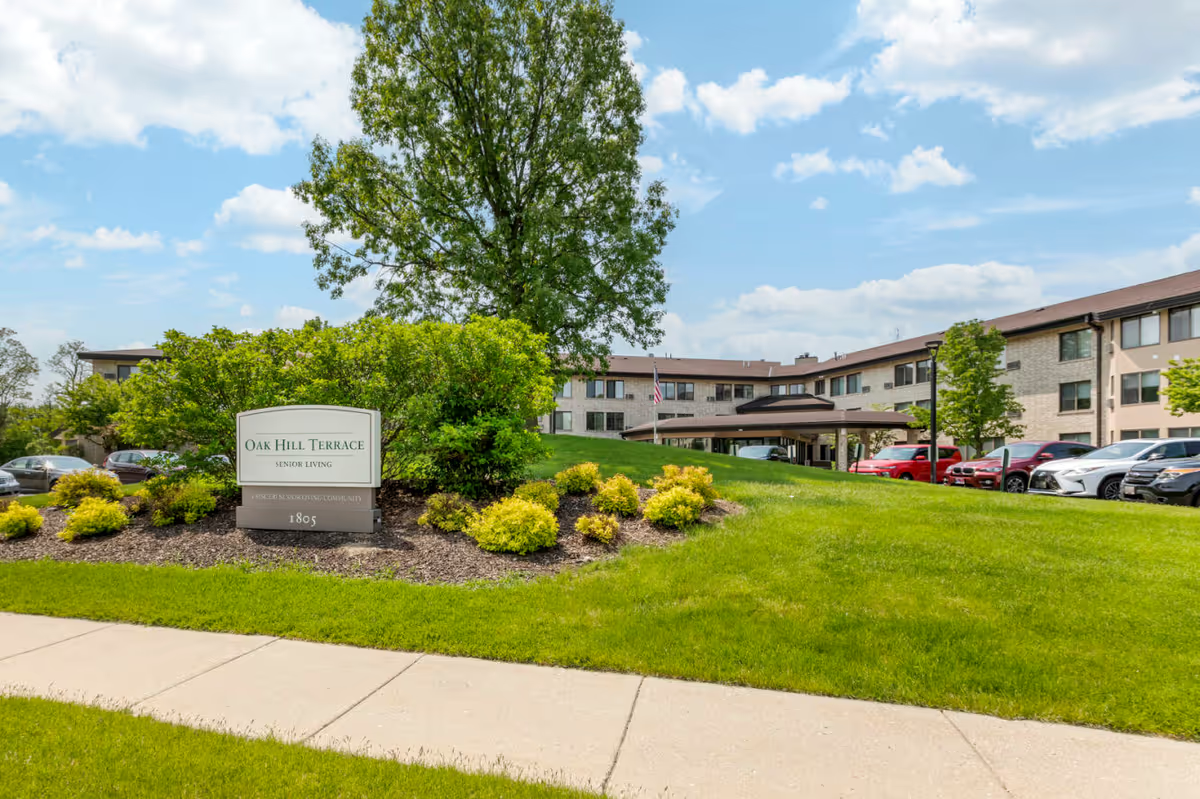
Reviewer feedback divides into two clear patterns. A substantial set of families describe a well-run, comfortable community with compassionate caregiving, chef-prepared meals, active programming, and spacious, apartment-style living. Those accounts highlight on-site nursing and medication support, a broad activity calendar (crafts, bingo, concerts, trips), outdoor gardens and patios, transportation services, and strong day-to-day family communication. In these accounts residents are engaged socially, benefit from home-style dining with dietary accommodations, and live in large, well-maintained apartments.
A distinct cluster of reviews raises operational concerns that prospective families should weigh alongside the positive reports. The dominant themes there are staffing-related: high turnover, inconsistent staff assignments, and periods of understaffing that reviewers associate with delays in responding to resident needs. Related descriptions point to staff fatigue and limited availability during some shifts, which reviewers say affected routine care responsiveness.
Cleanliness and incontinence-care practices are another recurring concern in those critical accounts. Reviewers describe variability in room and unit cleanliness, odor concerns in particular areas, and delays in addressing incontinence-care needs. These comments suggest uneven housekeeping and clinical-support processes rather than a uniformly poor environment; other reviewers explicitly praise cleanliness and maintenance, indicating variability across units or time periods.
Dining and activities receive largely positive feedback overall: many families praise the chef, meal variety, and social dining environment, and the activity program is detailed and diverse in numerous reports. At the same time, several families note that advertised ancillary services (for example, beauty/beauty-shop access or particular scheduled activities) were occasionally unavailable or inconsistently delivered, creating an expectation gap between the tour/sales pitch and daily operations.
Management and administrative issues appear as a secondary but important theme. Concerns include inaccurate billing, occasional poor communication, and perceptions that administrators are not consistently on site or responsive. These operational weaknesses are often cited alongside staffing problems, suggesting systemic process and leadership areas to probe during a visit.
For prospective residents and families: visit at multiple times of day, ask for current staffing ratios and turnover statistics, request recent sample menus and an activities calendar with attendance levels, and review billing procedures in writing. Ask how the facility handles housekeeping and incontinence care escalation, what on-site clinical coverage exists, and how management documents and resolves family concerns. Taken together, the facility offers many strengths in dining, apartment quality, and social programming, but due diligence on staffing stability, cleanliness protocols, and administrative practices is advisable before committing.