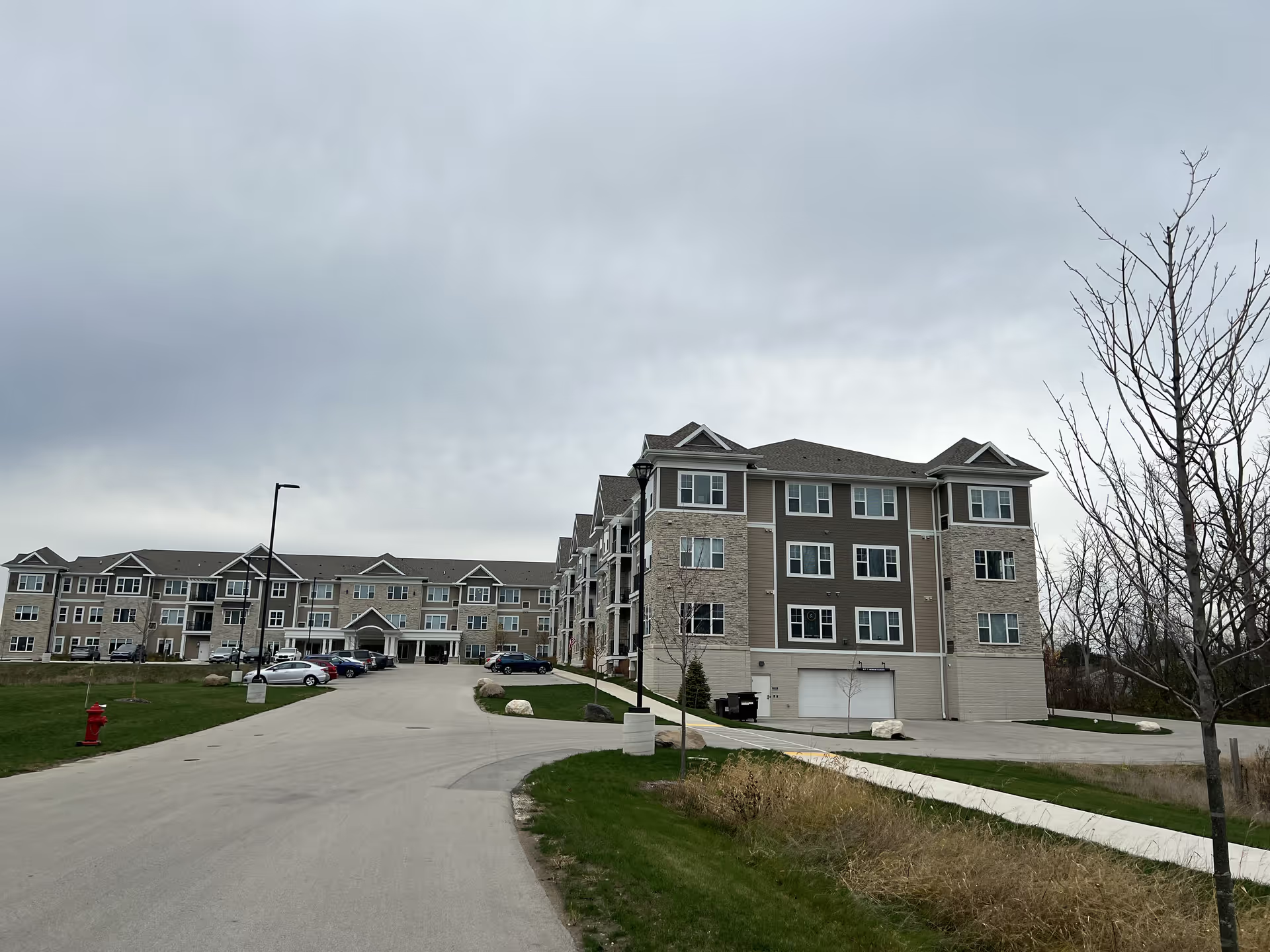
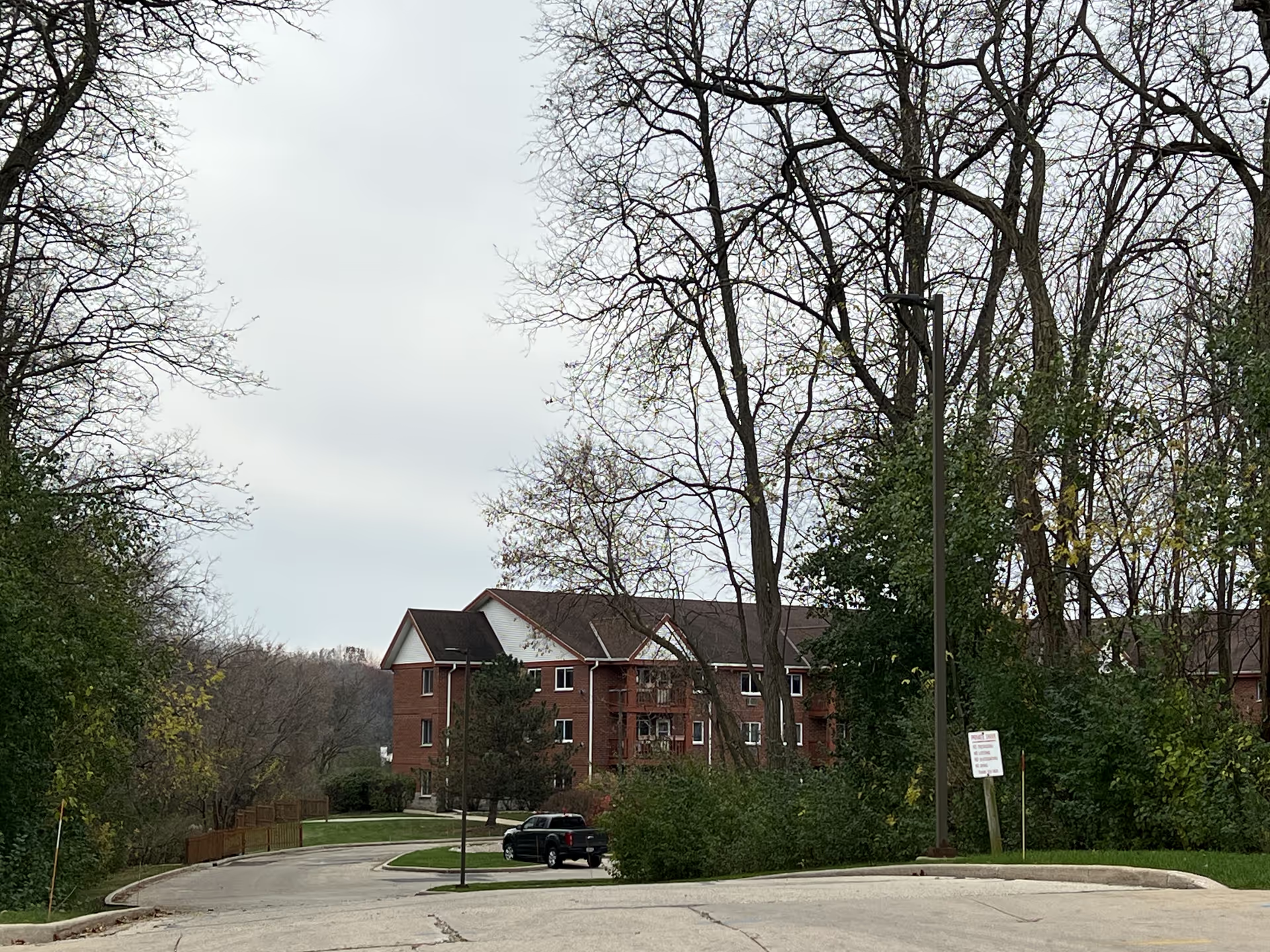
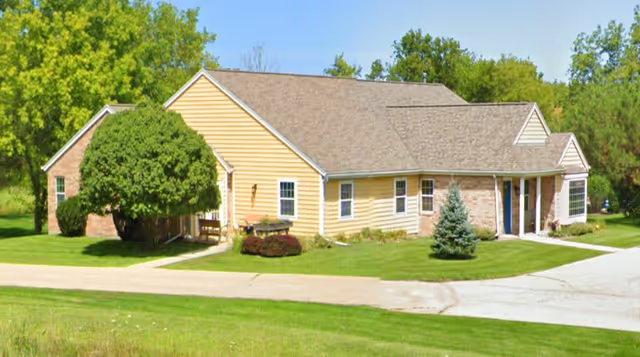
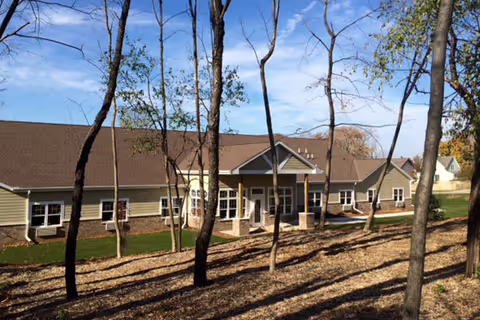
The reviews describe a facility with notable strengths in interpersonal care and an active pattern of operational improvement, alongside persistent operational weaknesses that prospective families should evaluate. Many families and staff highlight a family-style culture: caregivers are often described as attentive, respectful and advocacy-oriented, with supportive maintenance and kitchen teams. Several reviewers praised engaging activities (including arts, games and animal visits), personalized care planning, a comfortable physical environment in many areas, and leadership that has been responsive and hands-on during recent transitions.
Care quality is experienced unevenly across reviewers. Positive feedback centers on thoughtful care plans, attentive day-to-day caregiving, and staff who make residents feel at home. However, other comments point to lapses in responsiveness to personal-care needs, incontinence-care delays, and instances of skin breakdown that reviewers linked to monitoring and follow-up gaps. There are also concerns about medication practices and the management of behavior or sedation in at least some cases. These contrasts suggest variability in clinical consistency from shift to shift and between teams.
Staffing and management present a mixed picture. Multiple reviewers credit recent executive leadership with turning the community around, improving compliance, and restoring morale; specific leaders were named for advocacy and above-and-beyond attention. At the same time, high turnover among care staff and periodic leadership changes were cited as drivers of inconsistency. Communication with families was another recurrent theme: when leadership was proactive and communicative, families expressed confidence; when communication lapsed, frustration increased.
Dining and activities are areas of both praise and concern. Many reviewers complimented meal quality, accommodating dining staff, and private-dining options for families. Conversely, others noted variable meal experiences and expressed disappointment with activity continuity when key staff left. The activities program includes meaningful social opportunities for many residents, but its consistency appears dependent on staffing and leadership stability.
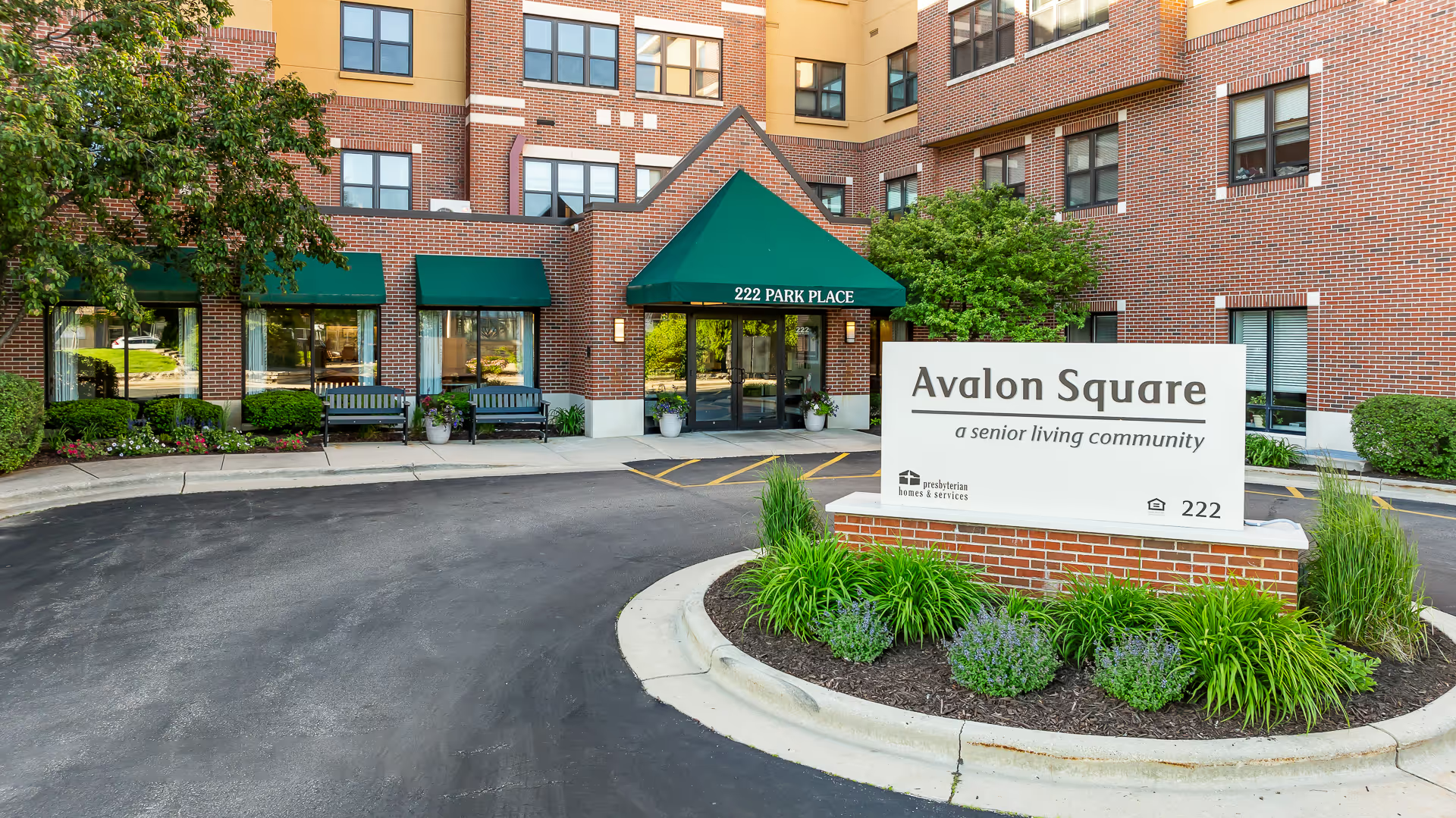
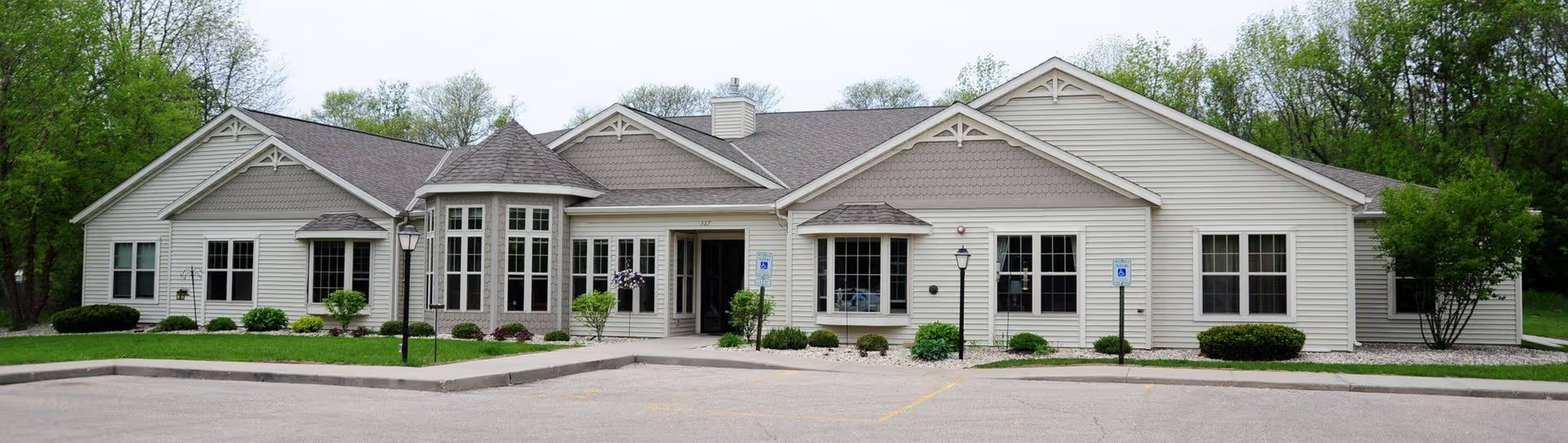
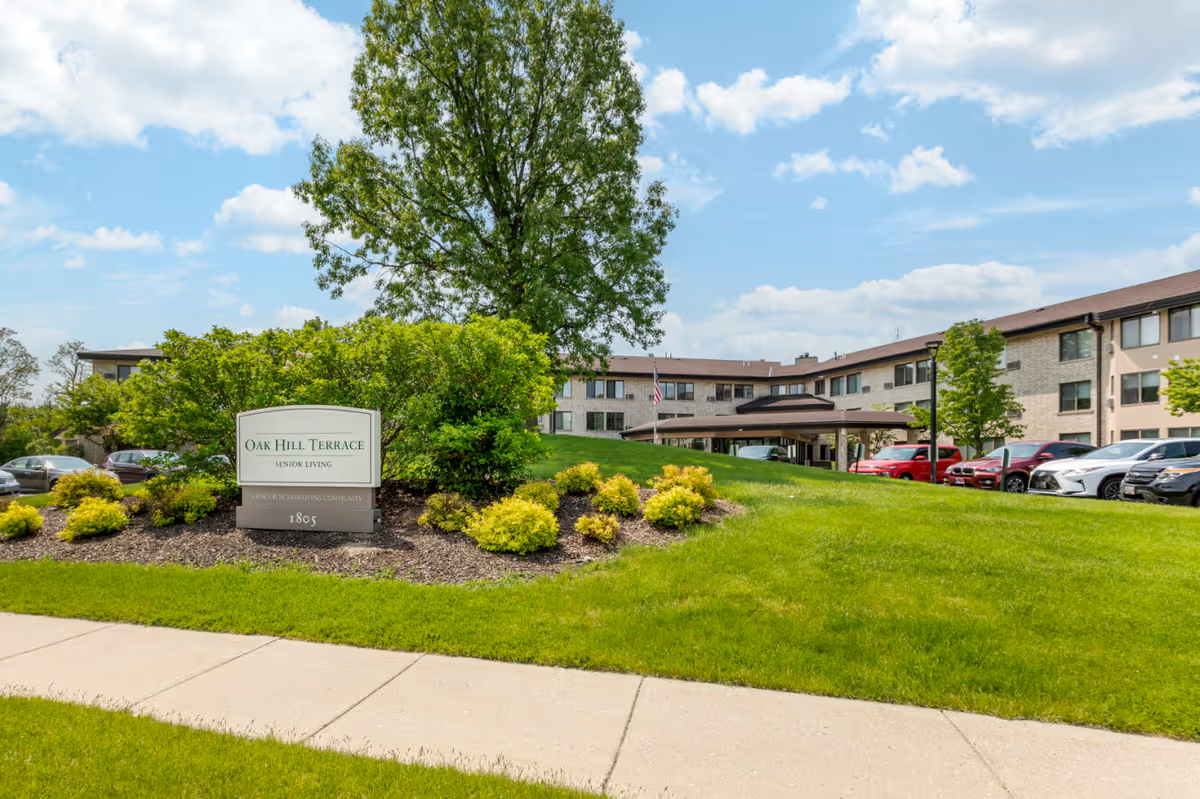
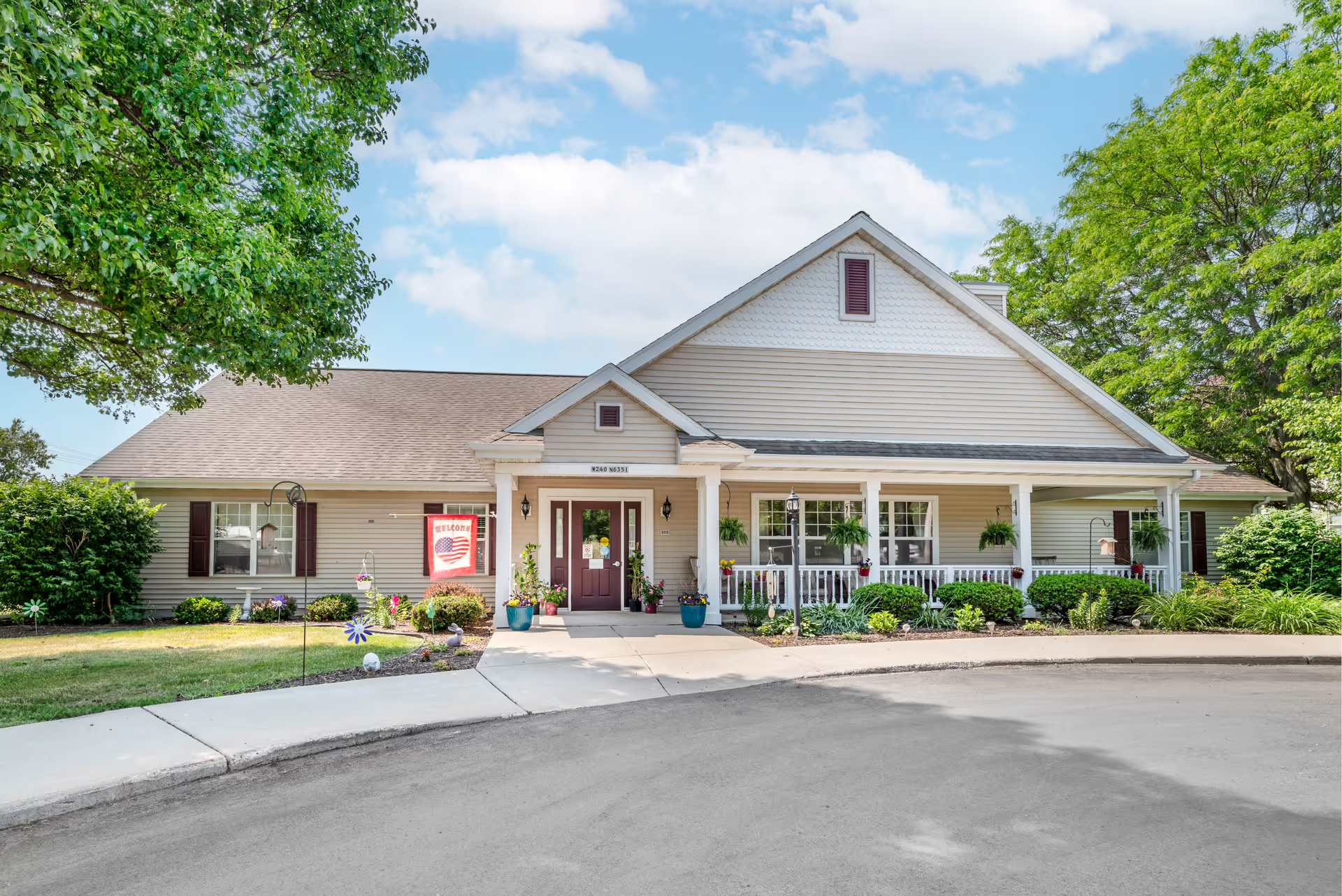
Facility condition and amenities were likewise described variably. Several reviewers described the environment as clean, comfortable and attractive, and maintenance staff received specific praise. Yet some noted sanitation and odor concerns in particular areas, stained carpeting or less-favorable first impressions at entry, and cramped resident rooms with limited closet or en-suite options in specific unit types. These descriptions point to uneven upkeep across spaces rather than uniformly poor conditions.
Notable patterns are the polarization of experiences and the facility’s ongoing improvement efforts. Many families strongly recommend the community based on current staff and leadership, while other families advised caution because of operational lapses. Budget constraints were mentioned as an underlying factor affecting service consistency. Prospective residents and families may benefit from targeted questions during tours—about staffing ratios, wound- and skin-care protocols, medication oversight, infection-control procedures, recent staffing changes, and the daily activities schedule—to assess current performance and match expectations.
In summary, the community demonstrates clear strengths in resident-centered culture, individual advocacy, and recent leadership-driven improvements, but it also exhibits operational variability in staffing stability, communication, clinical follow-through, sanitation in certain areas, and program continuity. Those considering the facility should weigh the positive interpersonal environment and turnaround momentum against the need to verify consistency in clinical care, cleanliness, and program delivery.