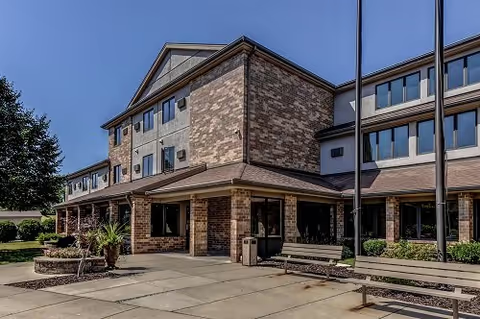
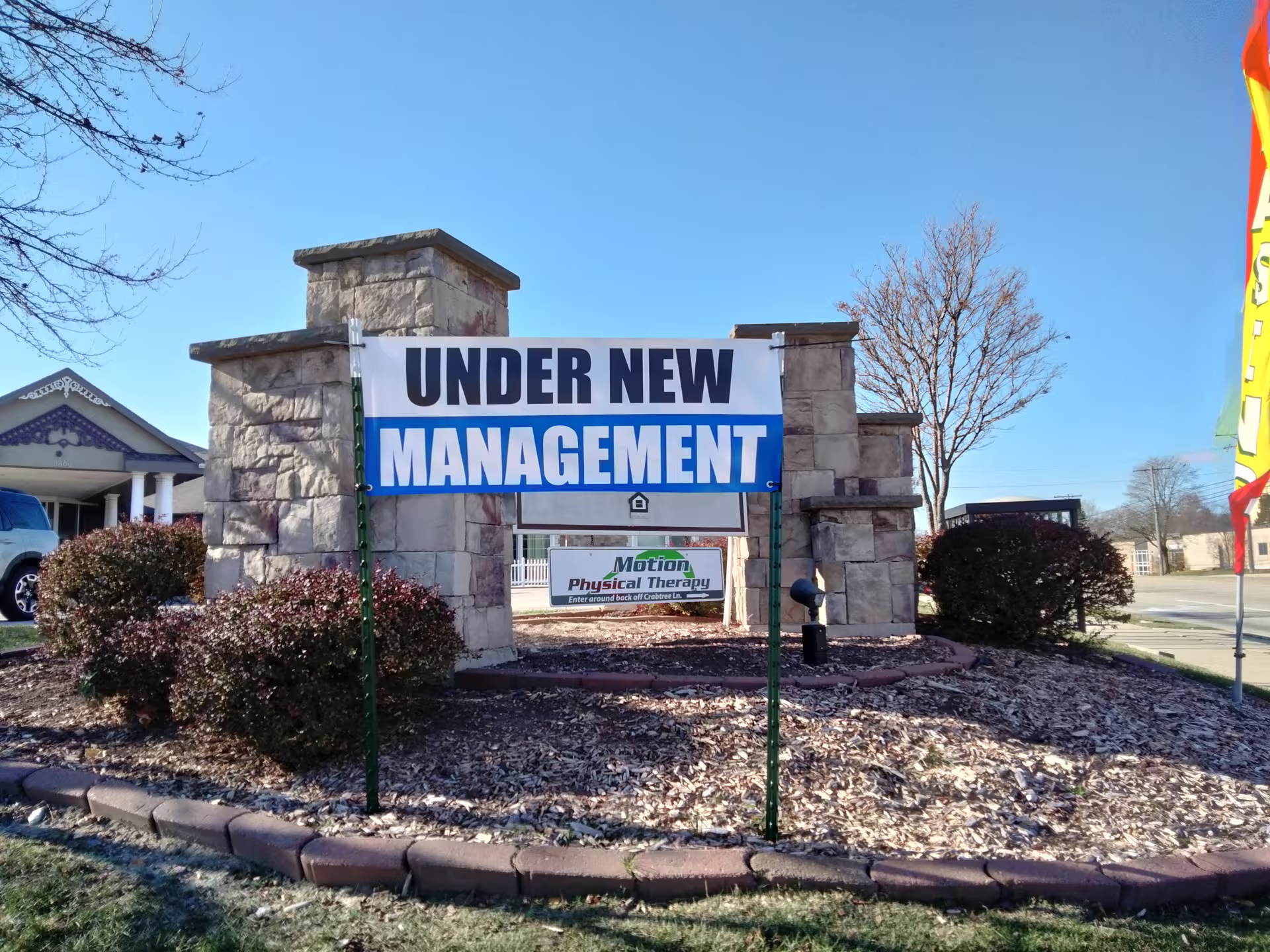
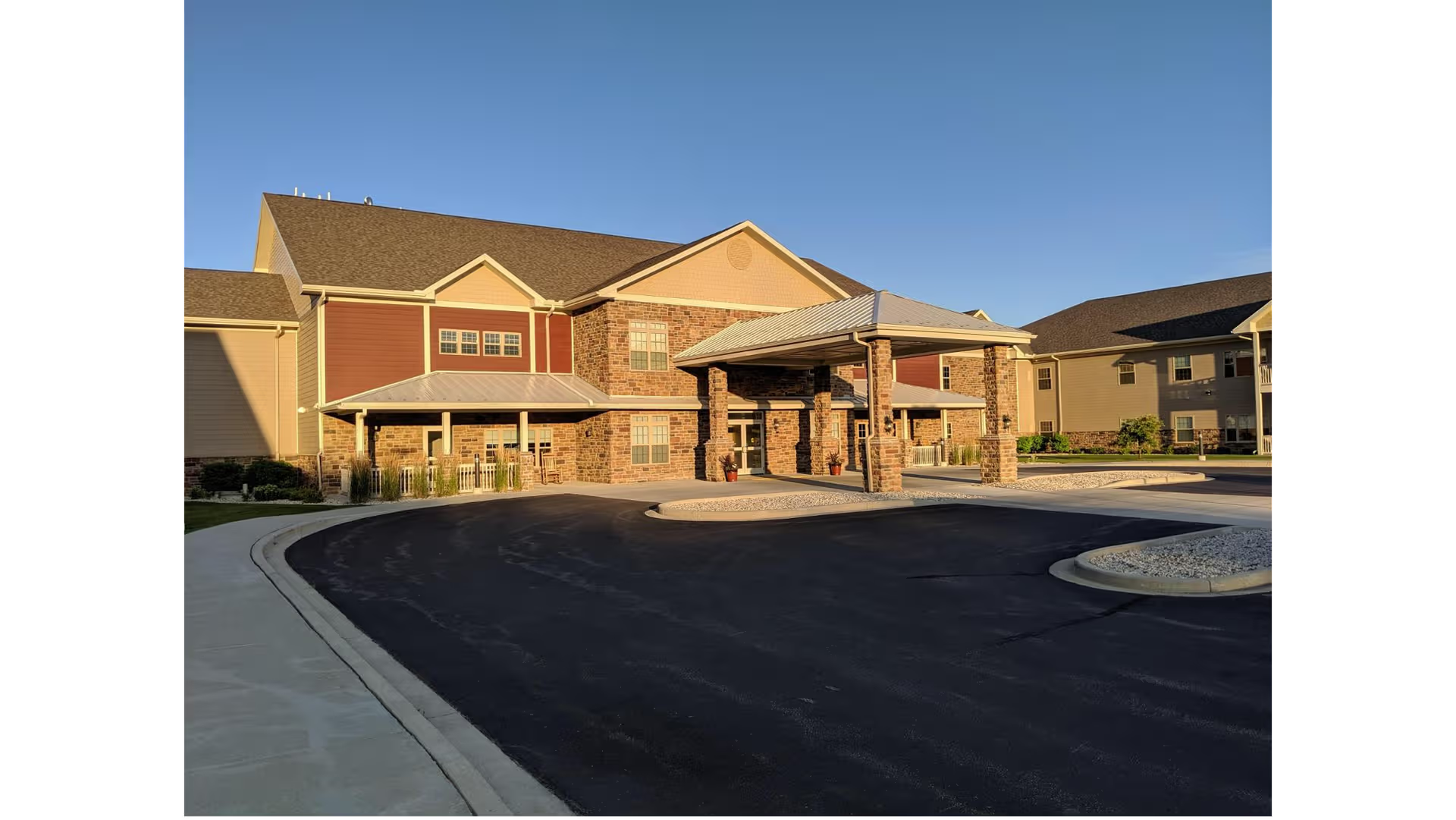
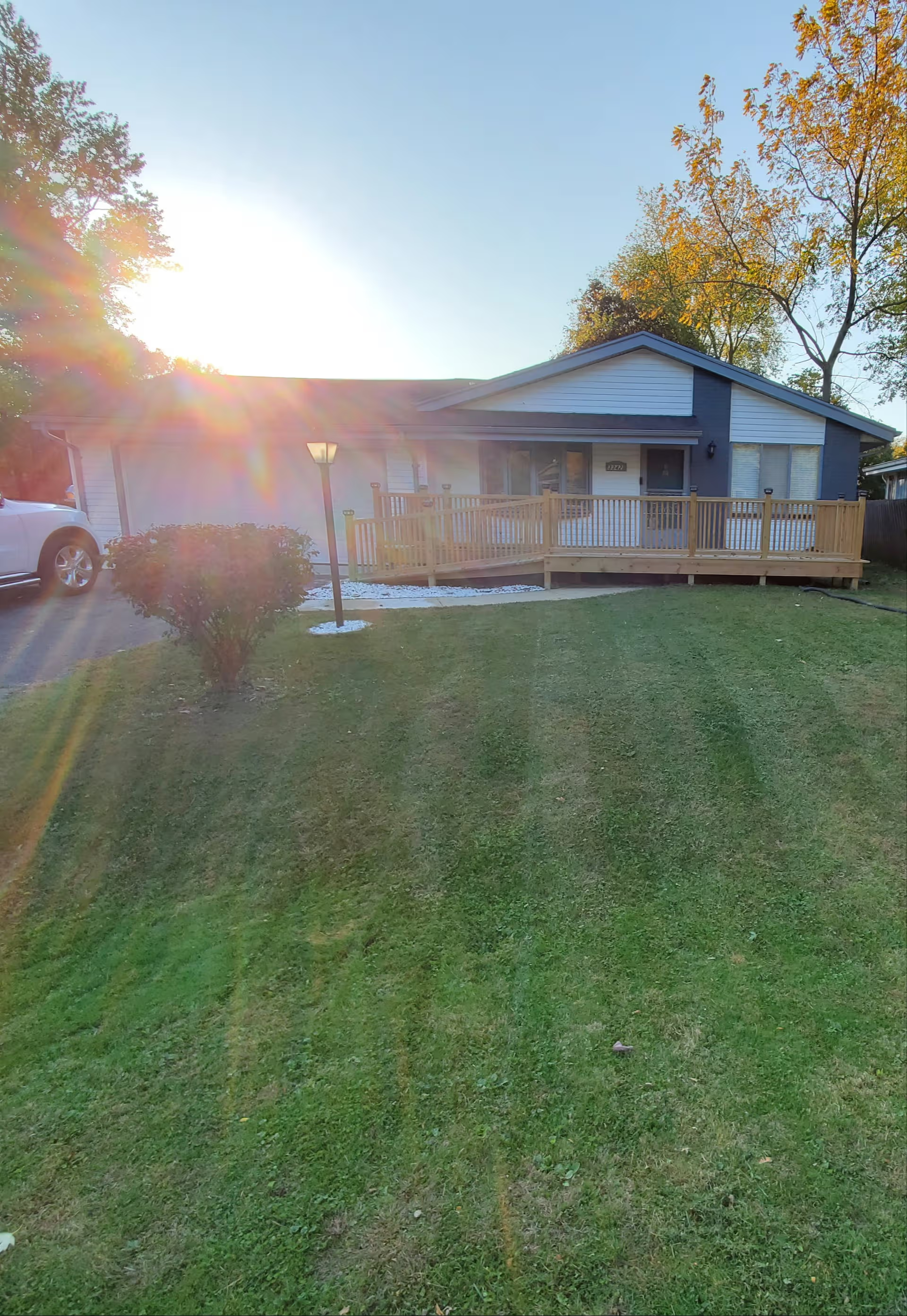
Reviewer impressions of Lincoln Park Nursing and Rehab are strongly mixed, with a recurring split between families who praise individual caregivers and those who identify operational or clinical shortfalls. Many commenters highlight compassionate, friendly nurses and aides, effective therapists, clean public spaces, and pleasant visiting areas. The facility’s activity offerings — music, card games, church services, and an events calendar — are appreciated by some residents and families, and several reviewers report smooth admissions, helpful reception staff, and reliable transportation arrangements.
Clinical care impressions vary. Positive reports describe attentive nursing, reliable medication supervision, timely grooming and dressing assistance, and successful rehabilitation outcomes. However, other reviewers raise substantive operational concerns: missed or delayed antibiotic doses, IV and tubing supply issues, pharmacy delays, and broader medication-management weaknesses. There are also specific mentions of sedative-analgesic use and questions about end-of-life coordination; these issues suggest the need for closer clinical oversight and clearer medication protocols.
Staffing and communication are prominent themes. Multiple accounts cite inconsistent staffing levels, long call-light response times, and periods when registered nurses were difficult to reach. Families also report communication gaps with nursing staff and physicians and uneven responses to questions from powers of attorney. Linked to staffing variability, reviewers describe variability in meal delivery (late or cold meals versus well‑prepared meals and pureed options), inconsistent laundry and personal-property handling, and uneven activity and therapy scheduling.
Facility and operational strengths include generally clean common areas, recent improvements in appearance, and well-kept outdoor/visiting spaces. At the same time, some reviews note messy resident rooms, sanitation concerns, and room-layout constraints that affect wheelchair access and resident mobility. There are also serious individual allegations — including concerns about financial misconduct, privacy breaches, and family concerns following a resident’s death — that warrant careful inquiry by prospective families and regulators as appropriate.
Taken together, the pattern is one of a facility with clear strengths in frontline caregiving and therapy services but notable variability in operational consistency and clinical oversight. Prospective residents and their families should ask direct questions about current staffing ratios and typical call-response times, medication-management and pharmacy processes, laundry/property handling protocols, end-of-life and hospice coordination, and how the facility documents and communicates incidents to families. Visiting at different times of day to assess meal service, activities, and staff interactions can also help form a balanced view of day‑to‑day operations.