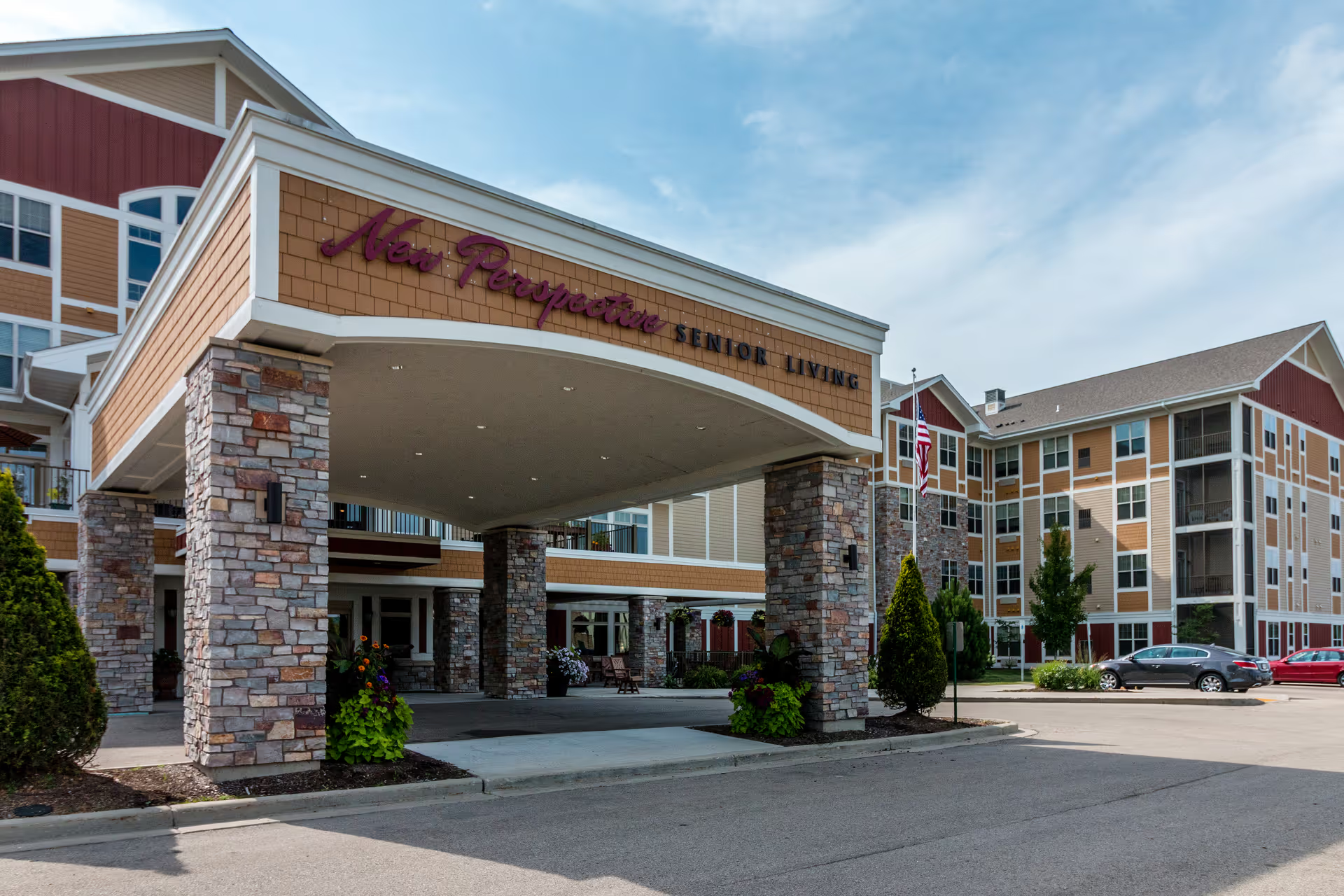
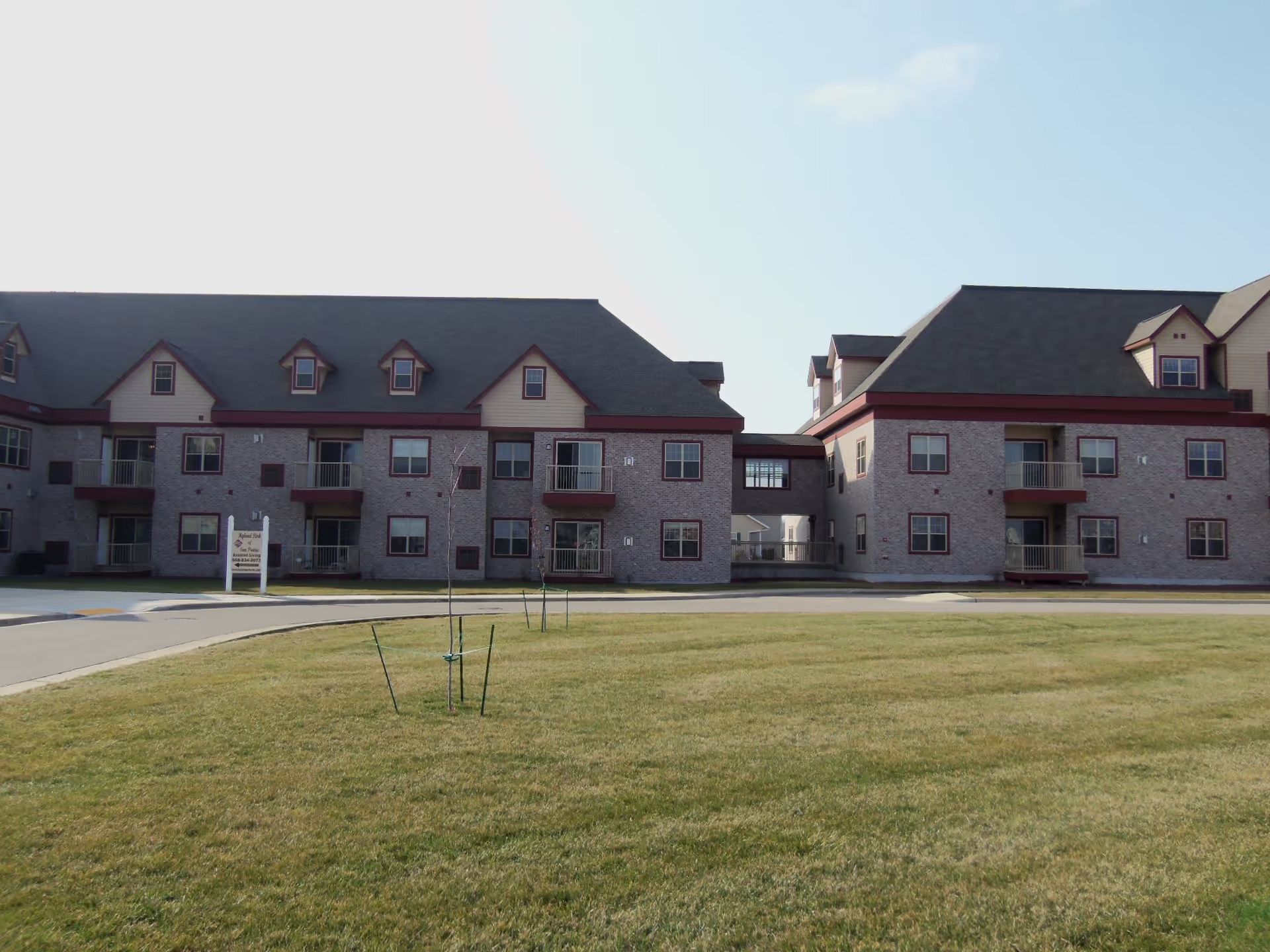
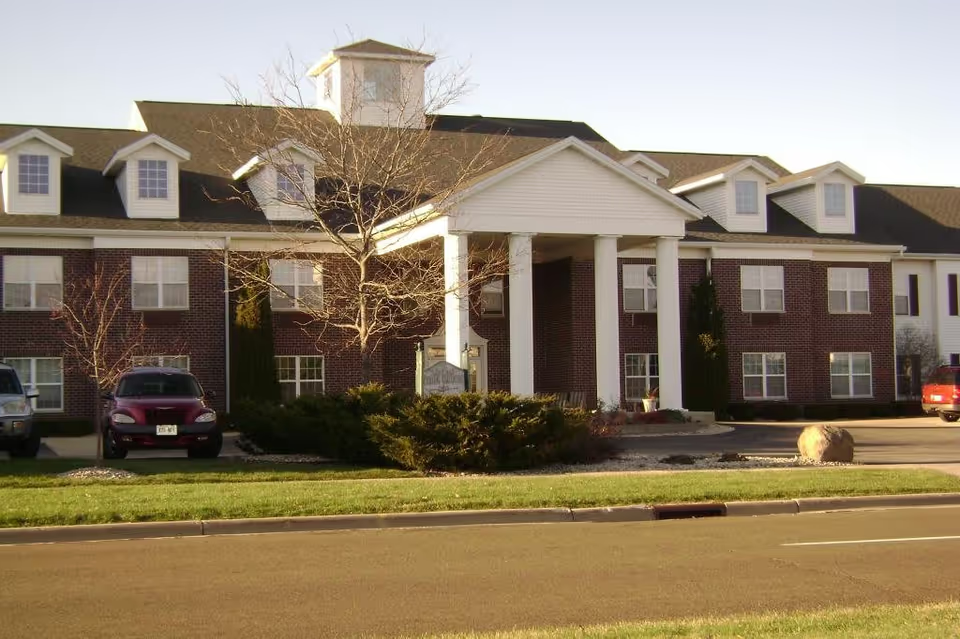
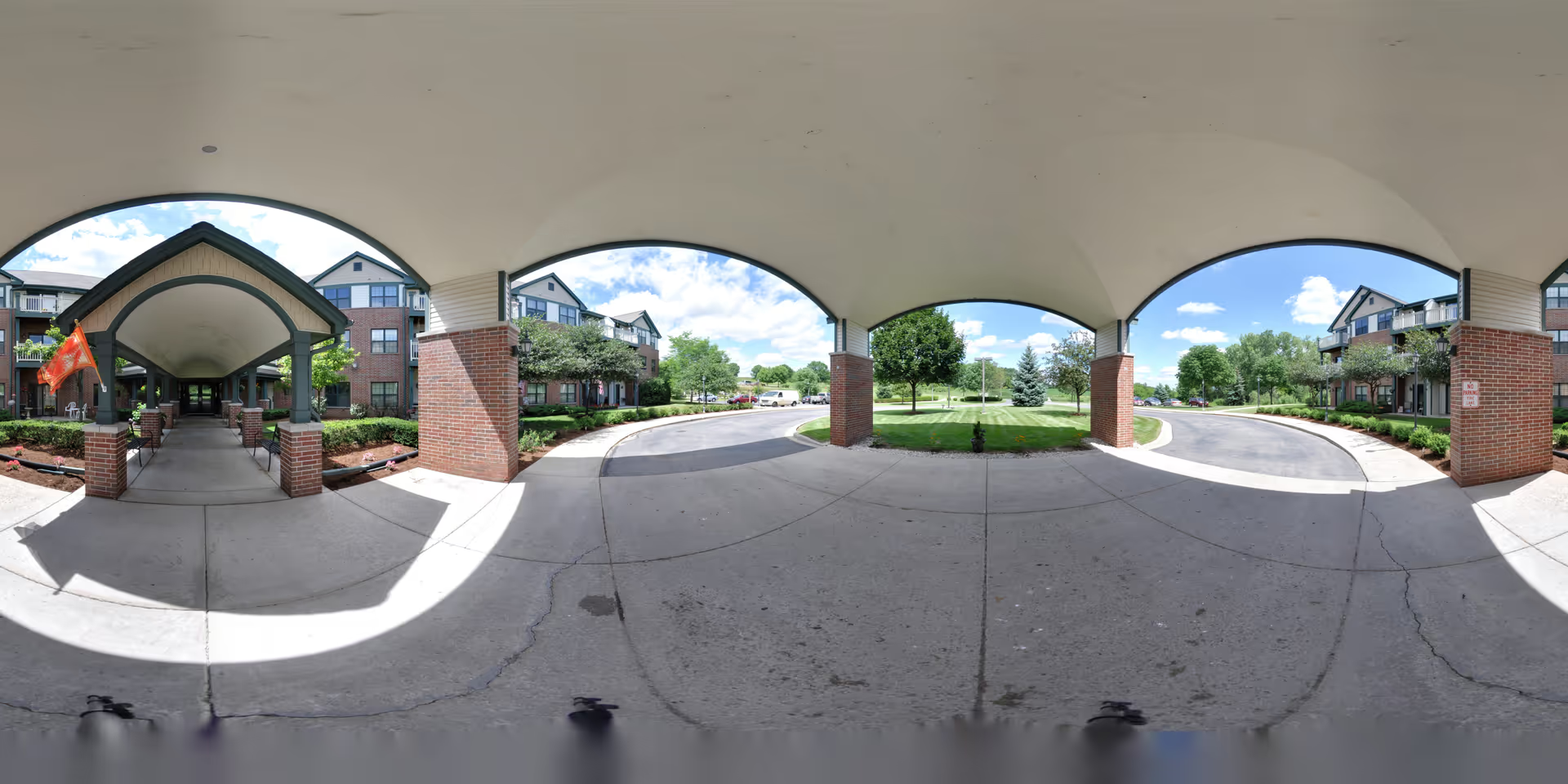
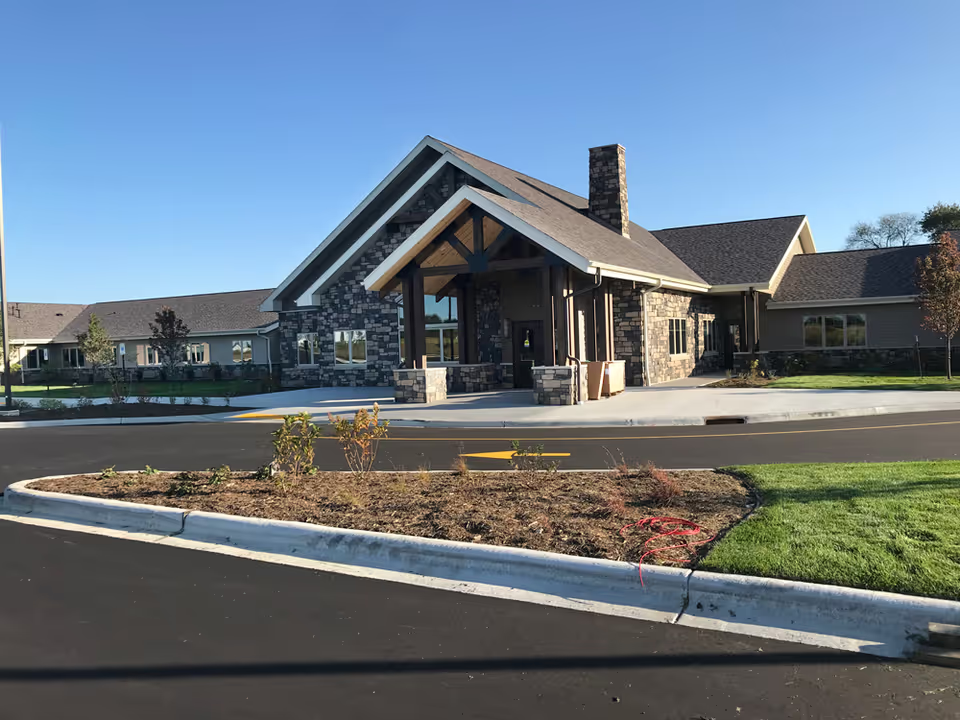
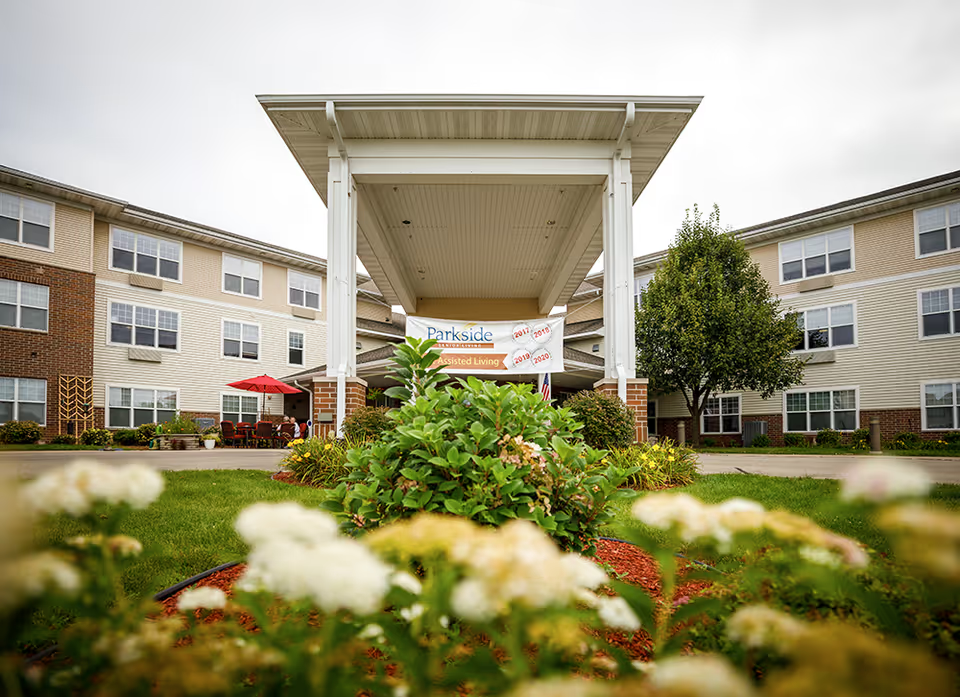
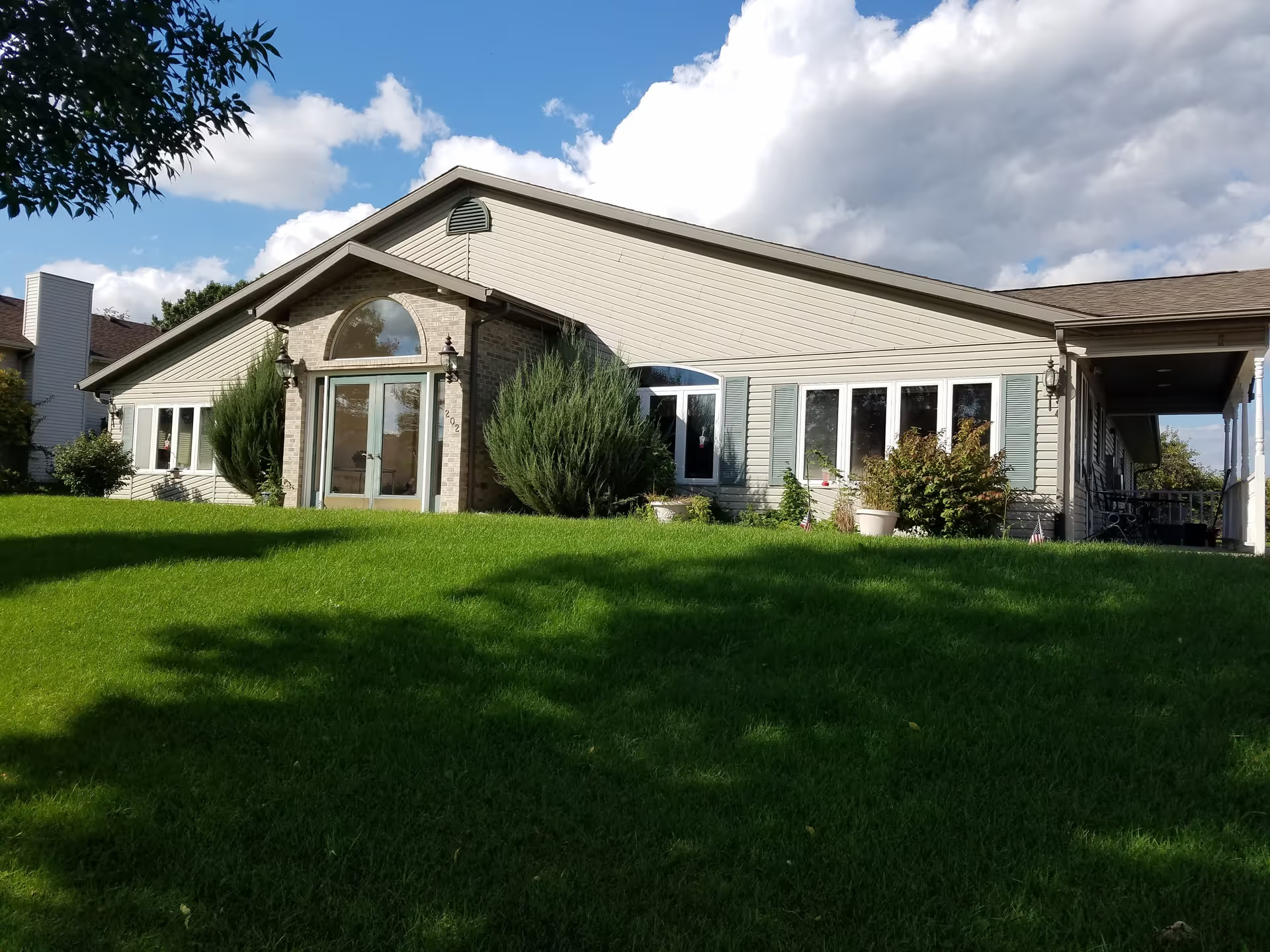
The reviews present a polarized picture of Sun Prairie Senior Living: many accounts describe a high level of compassionate, coordinated care and effective rehabilitation services, while other accounts raise significant operational concerns. Strengths highlighted include an engaged caregiving team, an on-site medical and therapy presence, prompt help with activities of daily living, and an ability to accommodate families through plexiglass and virtual visits. The campus appearance and outdoor areas are frequently described as attractive and well cared for, and several families praised the facility’s willingness to support celebrations and individualized needs.
Care quality and staff performance are recurring themes on both sides of the ledger. Positive accounts emphasize attentive, friendly staff who communicate clinical updates and work well together to support residents’ rehabilitation and daily needs. Conversely, other accounts point to delays in attending to residents, variable conduct and professionalism—particularly across different shifts—and evidence of staffing strain. These contrasting accounts suggest variability in day-to-day staffing, supervision, or training that can materially affect an individual’s experience.
Dining and activities receive mixed feedback. Some residents and families find the meals appealing and note regular programming and social engagement, while others describe inconsistent meal quality. The facility is credited with offering activities and engagement opportunities, and with accommodating family events, but meal consistency appears to be an area where experiences differ.
Facility condition and management practices also show variability. Several reviewers describe common areas and parts of the facility as spotless and well maintained, while other reviews point to sanitation concerns in certain resident rooms and bathrooms and to aging infrastructure in places. Management communication is likewise uneven: some families praised timely clinical updates and easy access to information, whereas other accounts describe gaps in incident reporting, medication timing issues, pressure to discharge residents quickly, and concerns about how certain clinical problems were handled. There are also allegations of missing personal items, which raises the importance of clear personal-property and accountability procedures.
Taken together, these patterns indicate a facility capable of delivering high-quality, resident-focused care when staffing, communication, and maintenance align, but also vulnerable to variability that can produce concerning experiences. Prospective residents and families should consider on-site visits at different times of day, inquire about staffing ratios and turnover, review medication-administration and incident-response protocols, ask about cleaning and laundry procedures, and request recent references from current families. These steps can help assess whether the facility’s strengths are consistently sustained for a given resident.