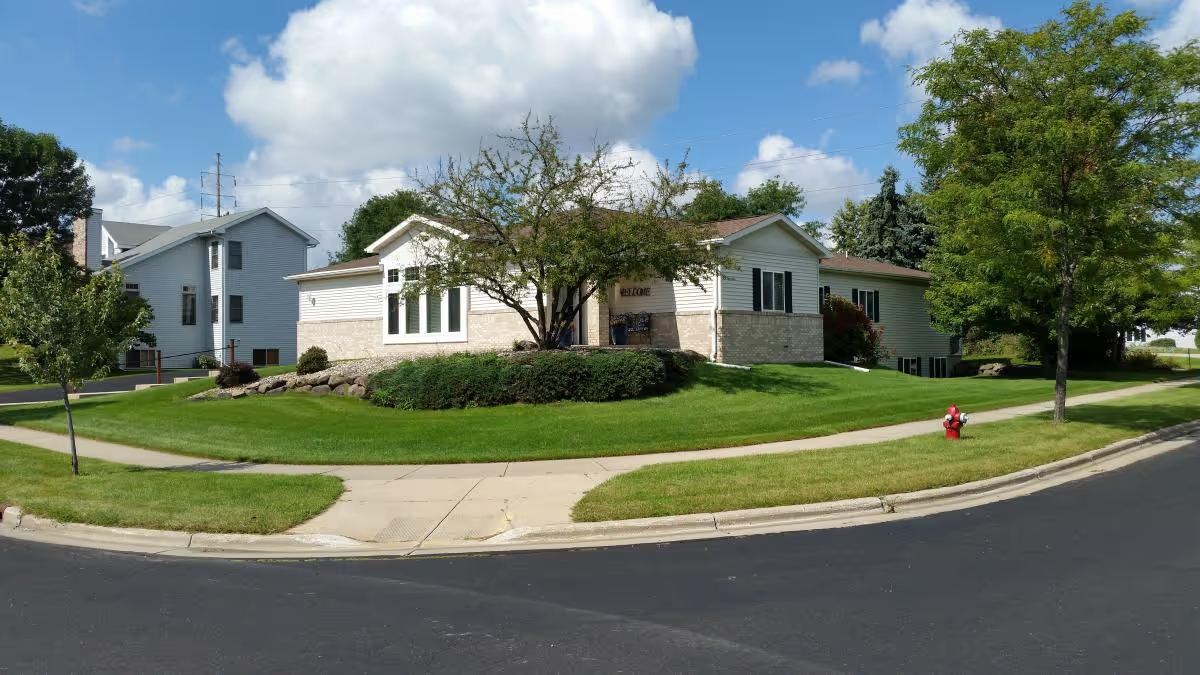
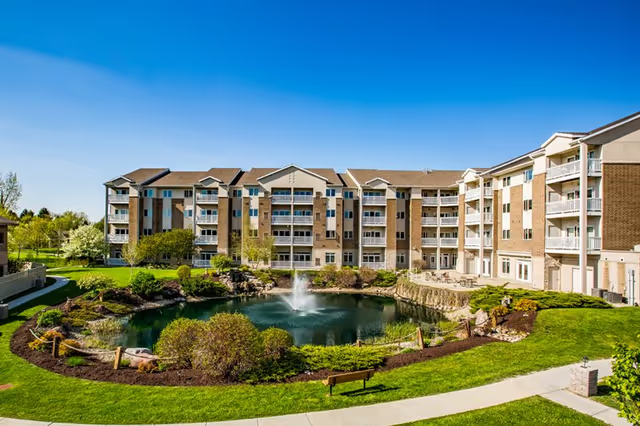
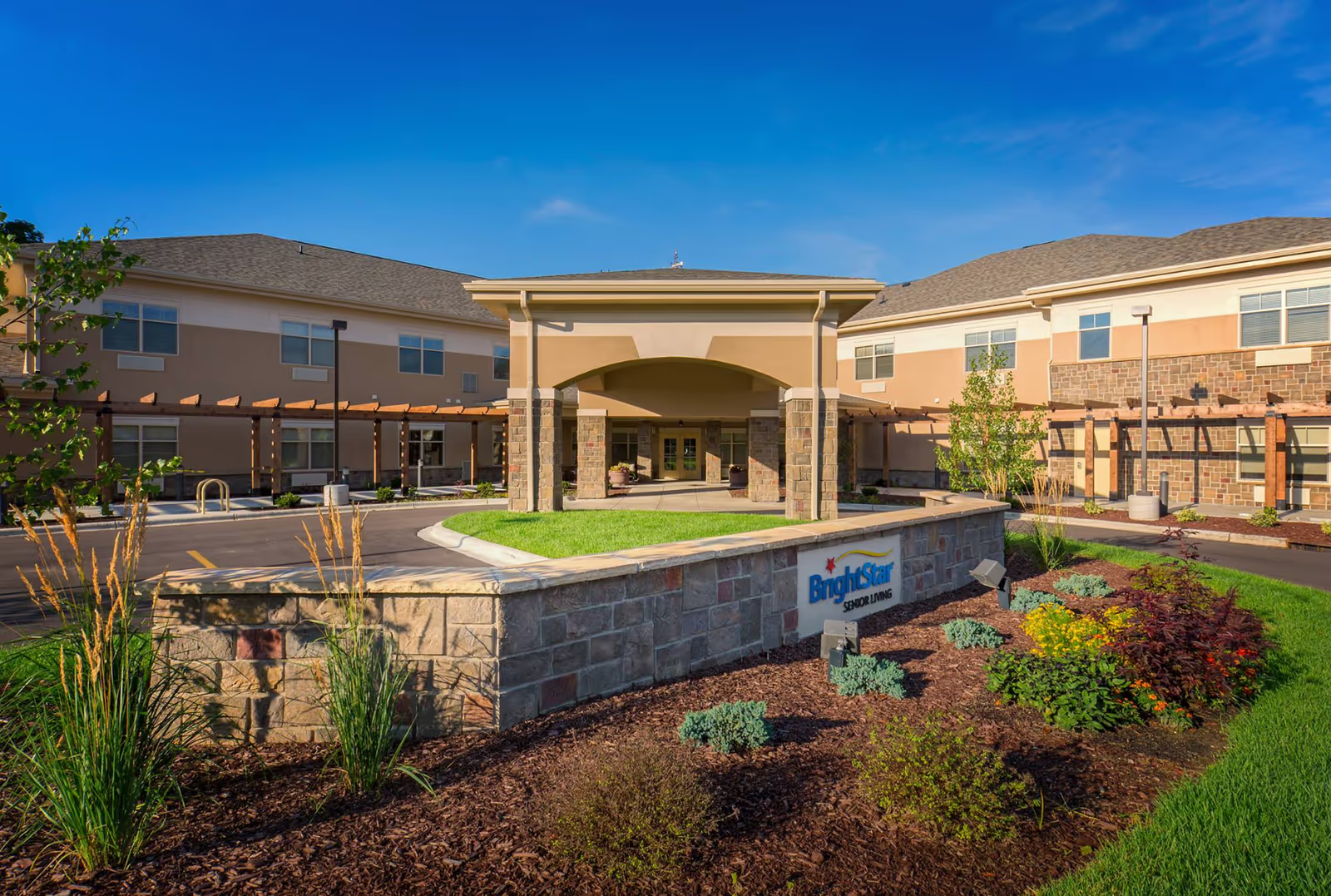
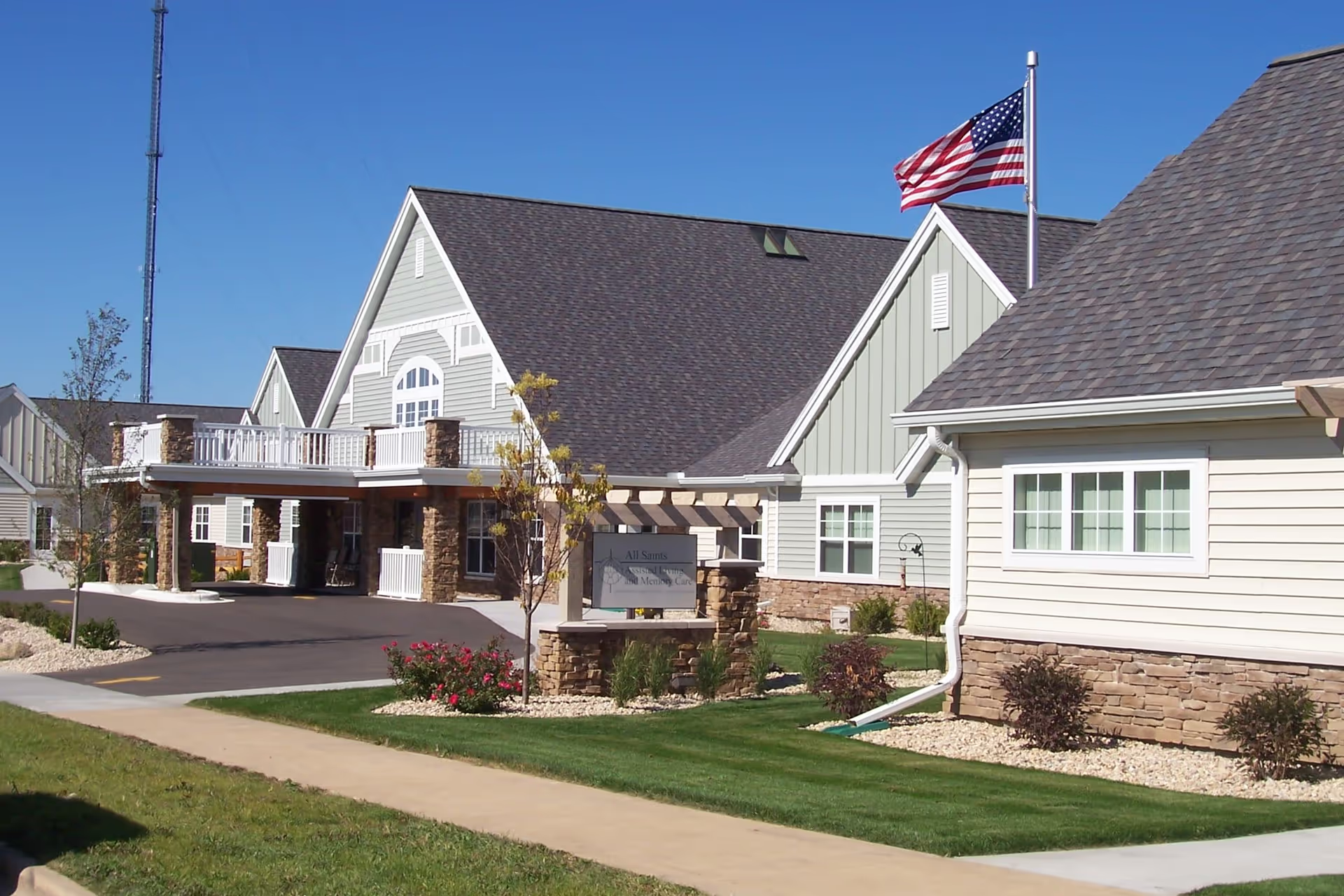
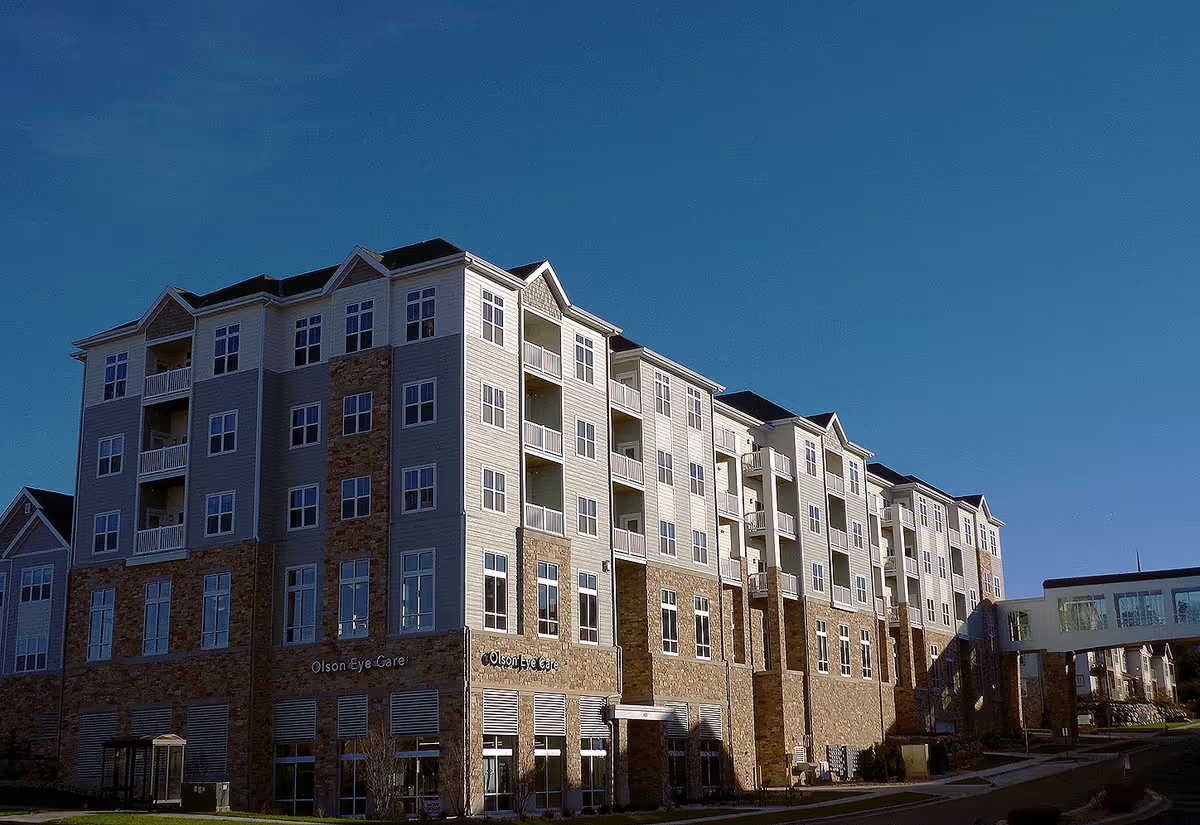
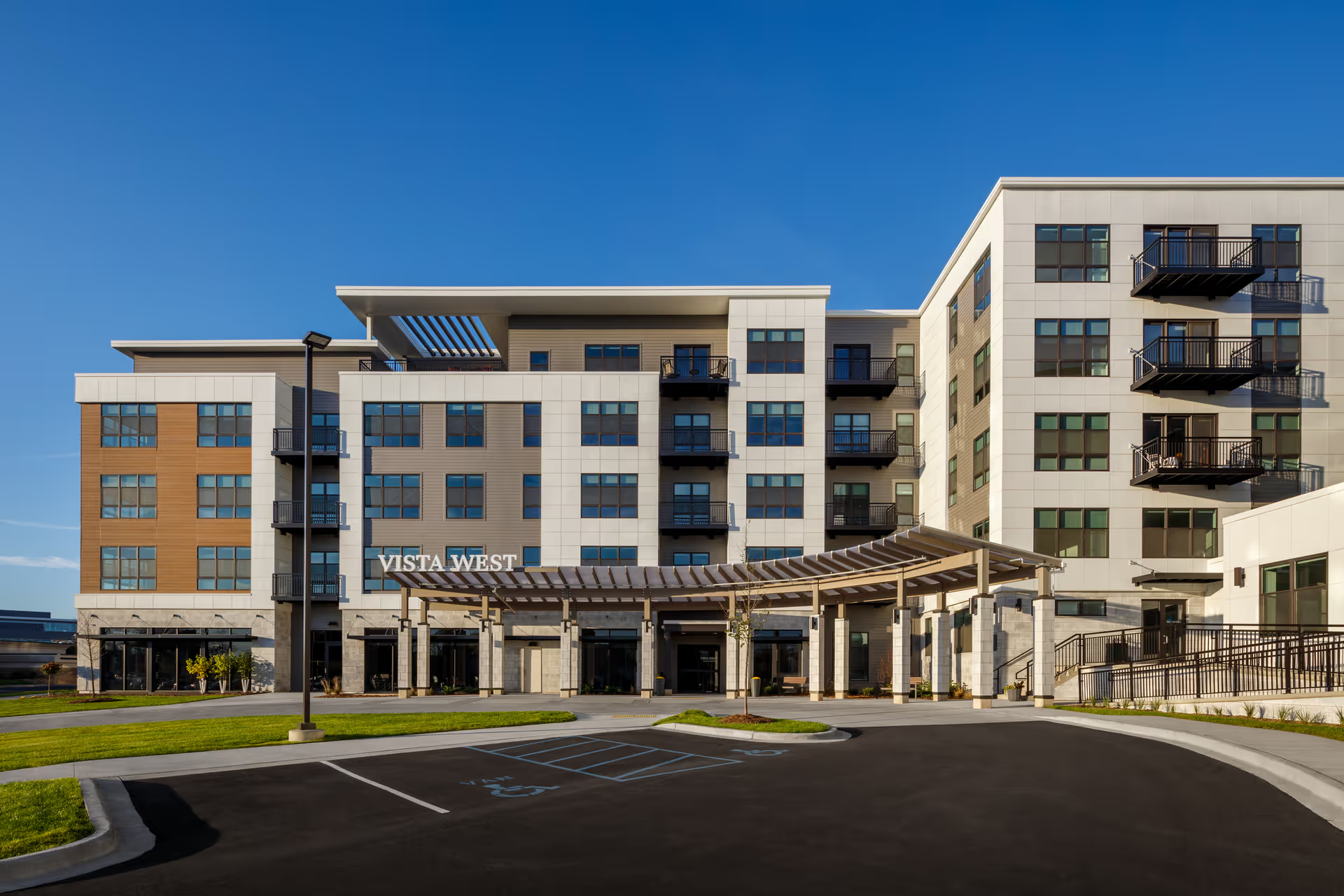
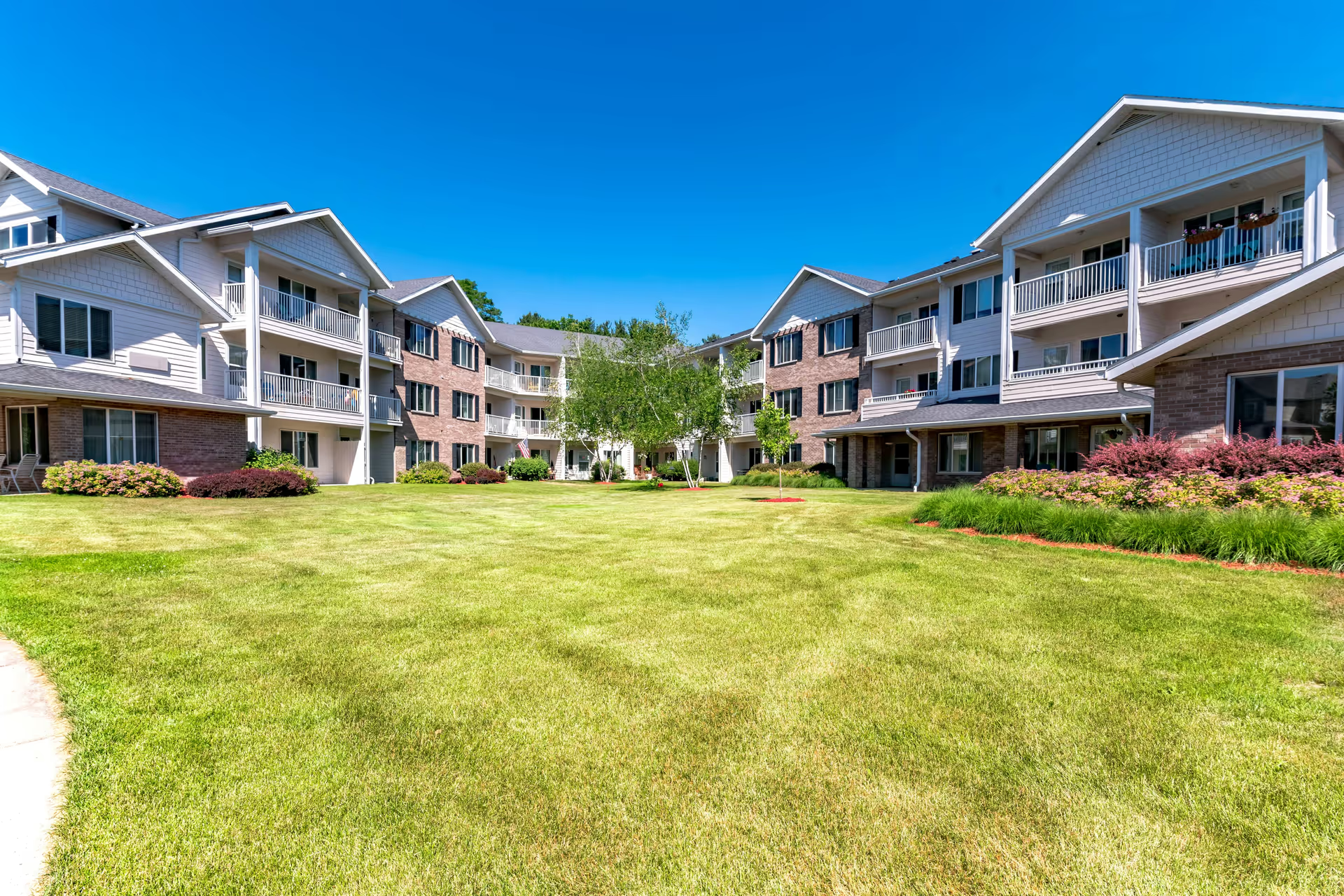
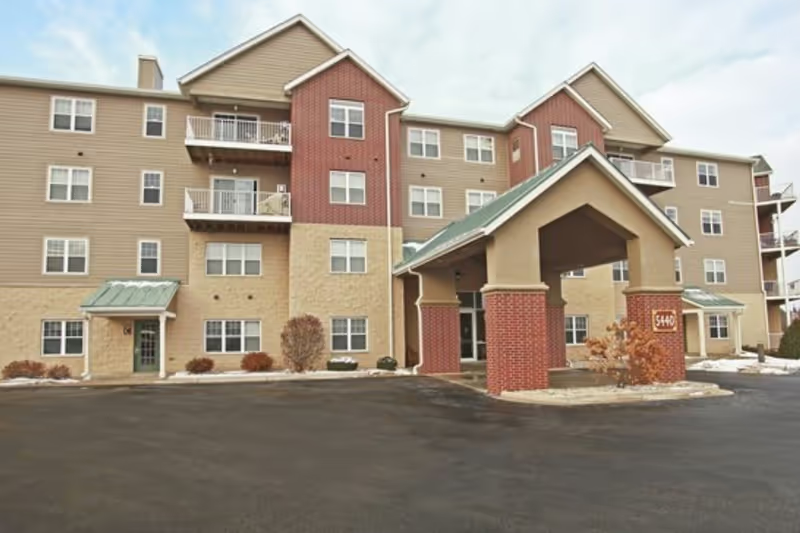
Charter Senior Living of Verona elicits strongly mixed impressions that cluster around two themes: committed frontline caregivers and operational inconsistency. Many families describe CNAs, nurses, and therapists as caring, dedicated, and responsive; several reviewers singled out individual staff and the executive director for accessibility and proactive follow-up. The community offers well-sized apartments, a remodeled environment with safety-oriented updates, convenient location, and an active schedule of activities on the assisted-living side, including exercise classes, bingo, outings, and a small movie theater. The facility accepts Medicaid and positions itself as a mid-priced option, which some families view as good value.
At the same time, recurring operational weaknesses temper those positives. Staffing instability—frequent turnover, reliance on agency staff, and understaffed night shifts—appears to drive many other concerns. Reviewers described delays in medication administration, missed or delayed assistance with dressing and transfers, inconsistent bathing schedules, and uneven laundry or in-room housekeeping service. These issues point to staffing- and workflow-related gaps in daily care provision and scheduling.
Dining is a noticeable area of variability. Several reviewers praised a restaurant-style menu and labeled food a bright spot when a dedicated cook or sufficient kitchen staffing was present. Others reported declines in food quality after management changes, inconsistent meal availability, and occasional stockouts at peak times. Meal-service congestion related to a smaller dining layout and a single elevator was also mentioned as a logistical constraint.
Housekeeping and maintenance performance showed a split as well: some families reported clean, well-kept apartments and timely maintenance, while others raised sanitation concerns in common areas and individual units, including pest-control issues and persistent odors. Facility-level maintenance needs—thermostat control, plumbing leakage, and cosmetic wear in some common spaces—were also described.
Management and communication emerged as another recurring pattern. Several reviews cited unclear coordination between nursing and administrative teams, gaps in discharge or post-hospital instructions, billing disputes, and inconsistent responses to family complaints. Conversely, other reviewers described an accessible director and effective problem resolution; this variability suggests the experience may depend on particular staff presence or shift coverage.
For prospective residents and families, the salient considerations are trade-offs between relational strengths and operational reliability. The community has genuine strengths in direct caregiving, therapeutic services, and affordable, comfortable apartments. However, reviewers frequently recommend confirming current staffing levels, medication-administration protocols, housekeeping and pest-control practices, and activity schedules—especially for memory-care needs and weekend programming—before committing. An in-person tour, meeting the nursing leadership, and asking for written policies on medication, bathing frequency, and staffing contingency plans will help determine whether the community’s current operating posture meets a given resident’s clinical and lifestyle needs.