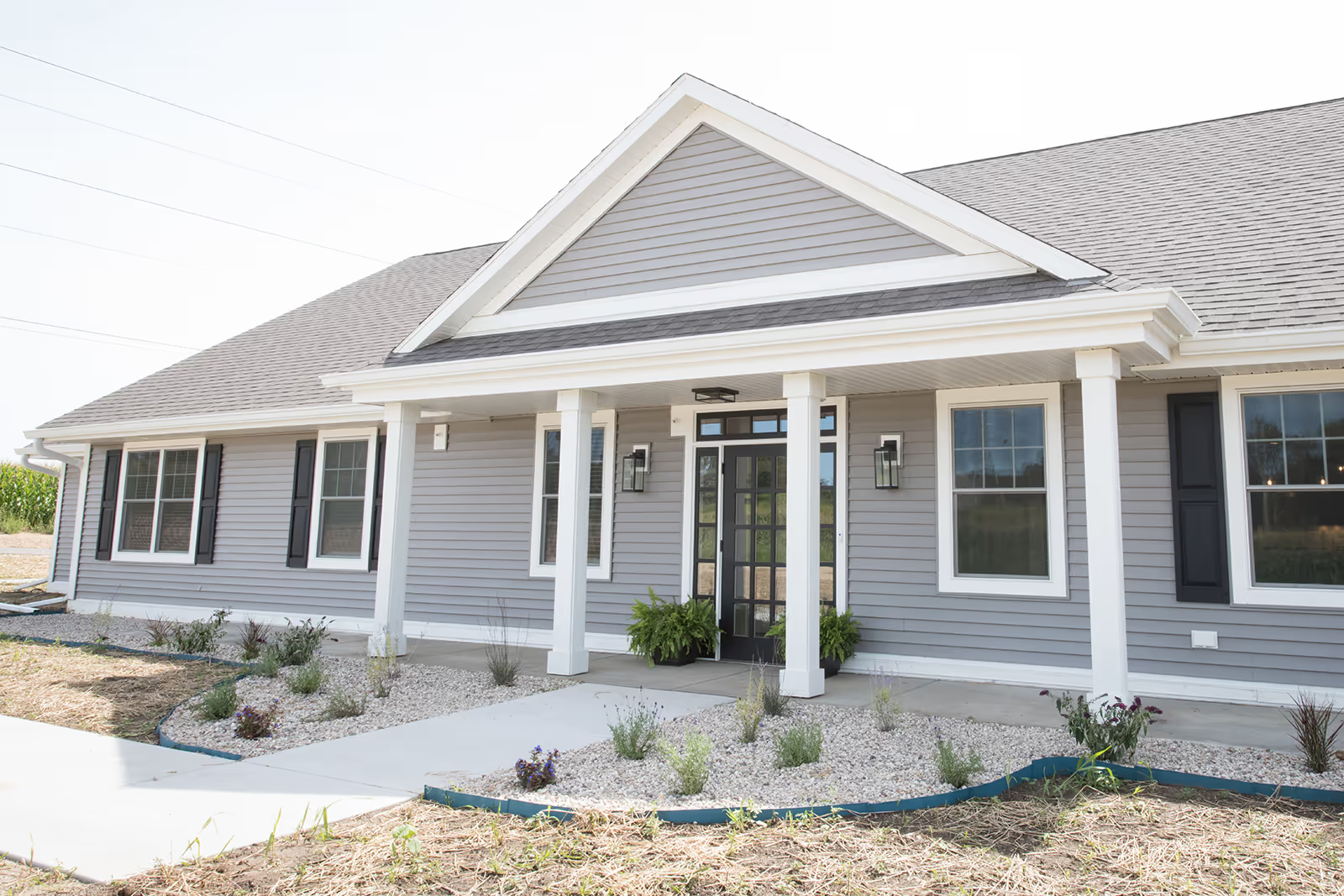
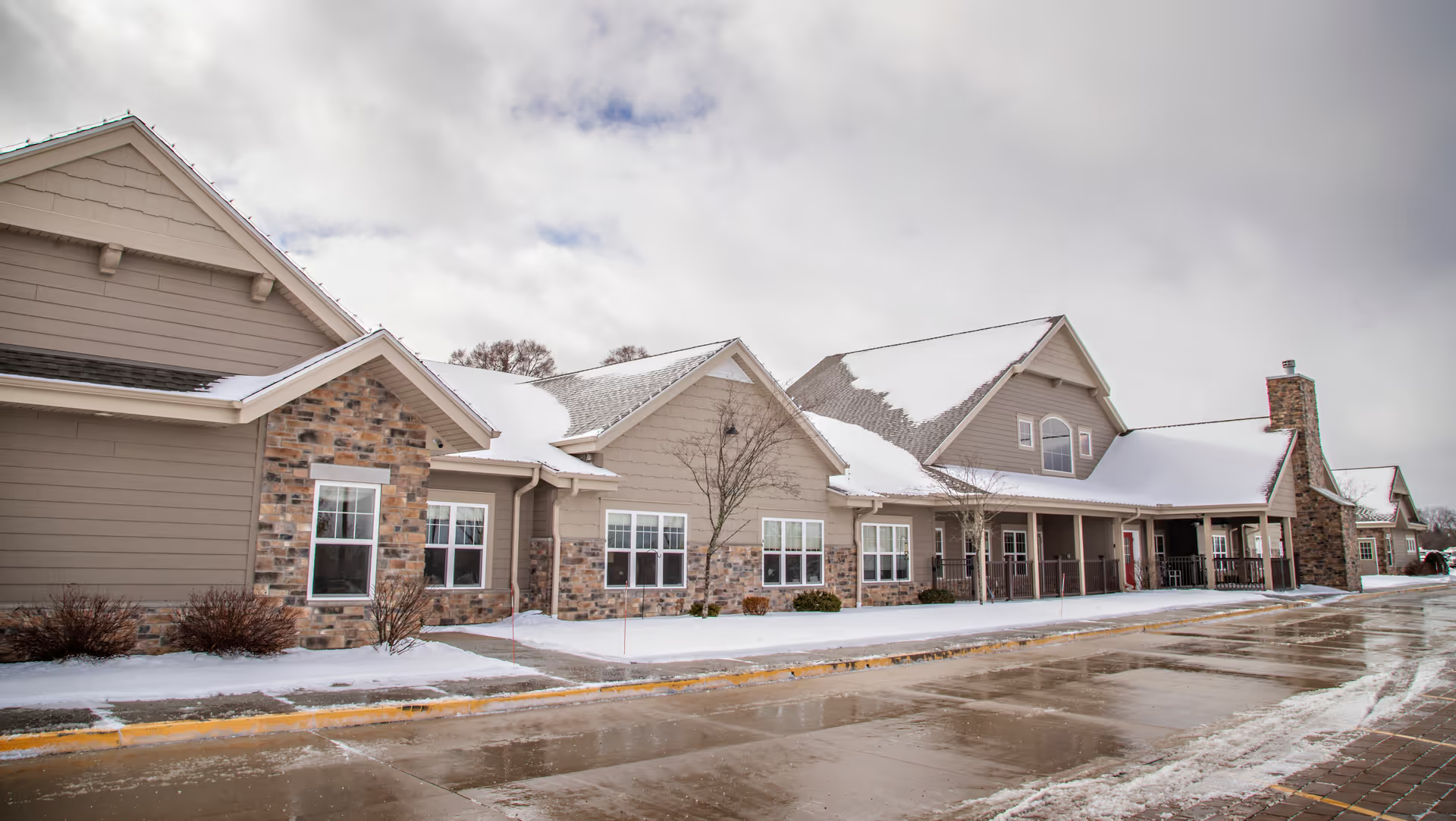
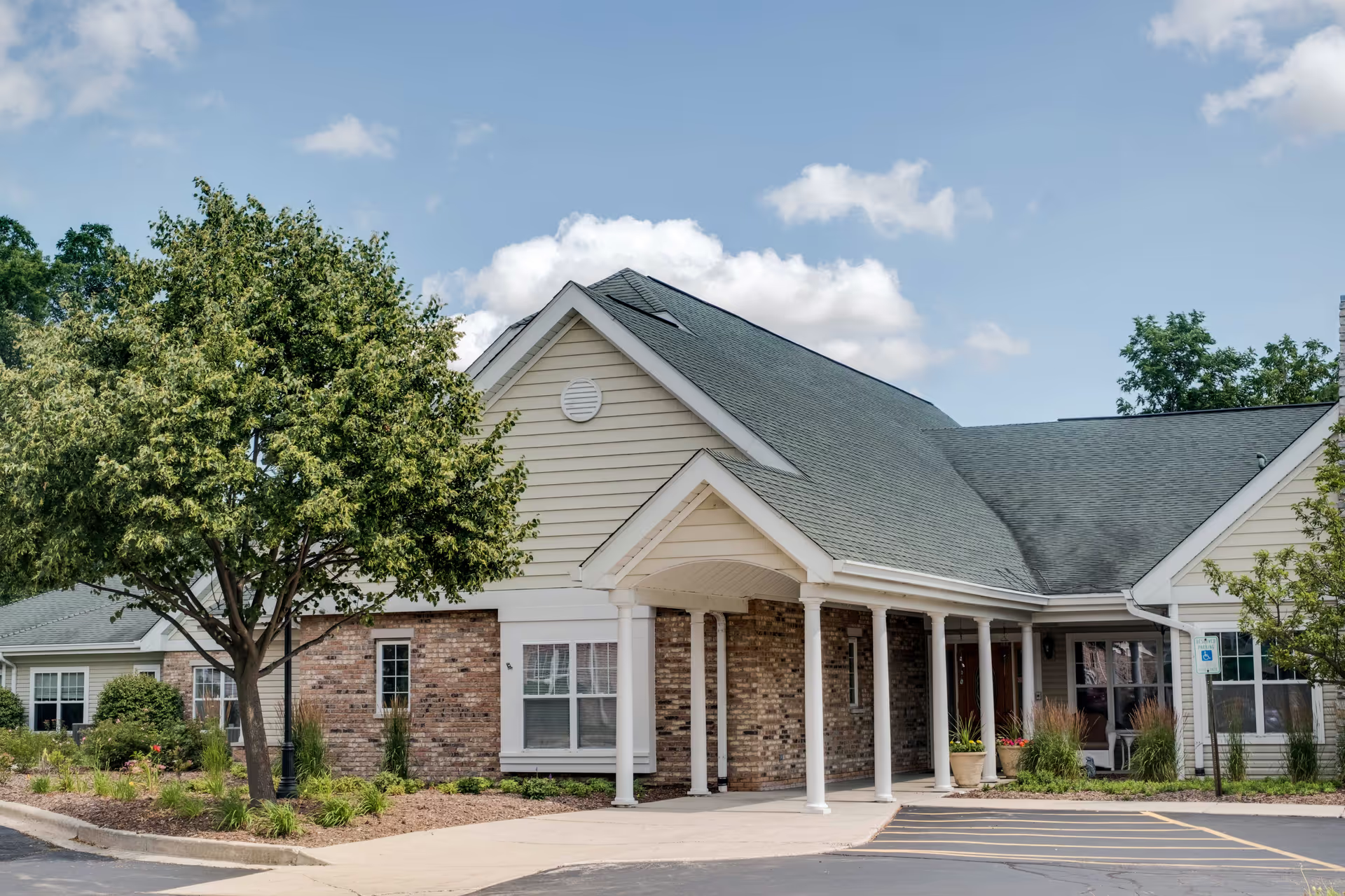
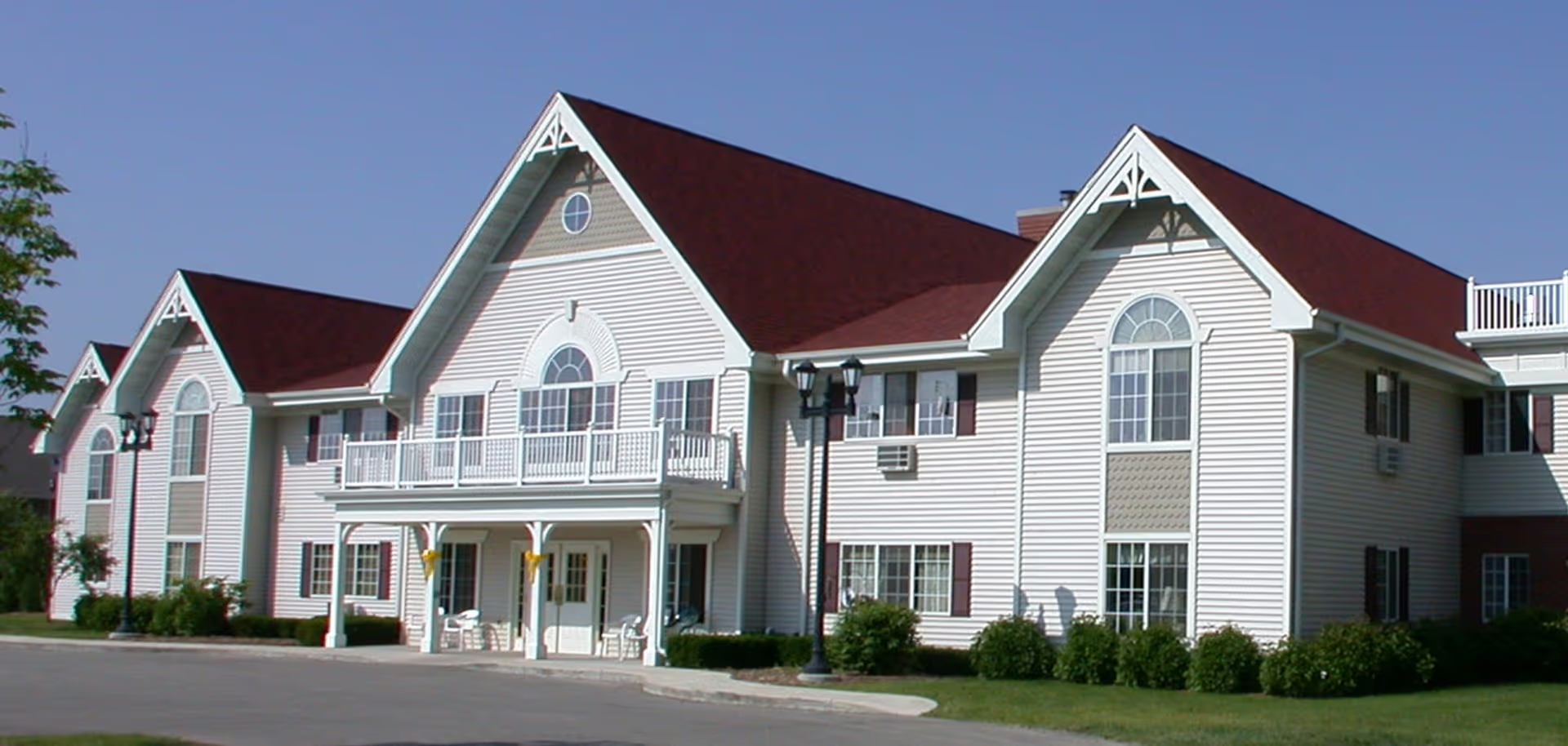
Reviews of Rosewood Oakwood Cottage are highly polarized, with a clear split between accounts describing consistently supportive, home-like care and accounts describing significant operational lapses. Positive assessments emphasize warm, attentive caregivers, a family-like cottage atmosphere, and strong dementia-focused programming. Many comments highlight active activity schedules (including music programs), social opportunities that keep residents engaged, and coordination with hospice and medical services. The facility’s physical plant also receives praise: several reviewers note bright, recently renovated cottages, a new community room, and a generally secure environment that supports residents’ social comfort. Acceptance of Medicaid and regular meal service are additional positives cited by families.
At the same time, a substantial set of concerns recurs across other reviews and points to systemic weaknesses. The most significant themes relate to inconsistent clinical care and medication management: reviewers describe missed or changed medications, delays in addressing acute medical issues, and unclear informed-consent practices for medication changes. Relatedly, some accounts identify gaps in staff training, credentialing, and turnover that appear to affect care consistency and safety, particularly for residents with dementia or fall risk.
Operational and environmental issues also appear in multiple accounts. Sanitation and infection-control concerns are noted in shared areas and bathrooms, and there are reports of inconsistent bathing and personal-care schedules. Families describe problems with personal-property management and inventory control during transfers, as well as weak transfer and hospital-transport procedures that can lead to distress for residents and families. Meal service is often praised for quality, but other reviewers describe interruptions or missed meals, indicating variability in meal-service continuity.
Communication and management responsiveness are another clear pattern: some families describe proactive communication and visible management involvement, while others report delayed updates, limited access to staff, and slow callbacks. Financial and administrative practices are also a concern for some reviewers, who report fee-enforcement actions and threats of eviction. Taken together, these patterns suggest that the facility can provide a high level of comfort and dementia-focused engagement when staffing, training, and management processes are functioning well, but there are notable operational risks that prospective residents and families should probe further during a tour. Specific questions to consider when evaluating this community include staff credentialing and turnover rates, medication-administration controls and consent procedures, infection-control and sanitation protocols for shared areas, transfer and hospital-transport processes, and typical family communication practices.