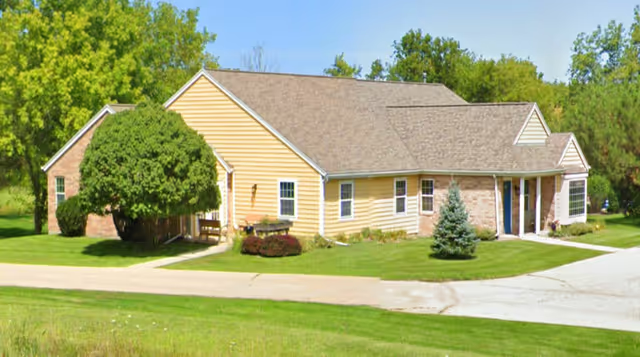
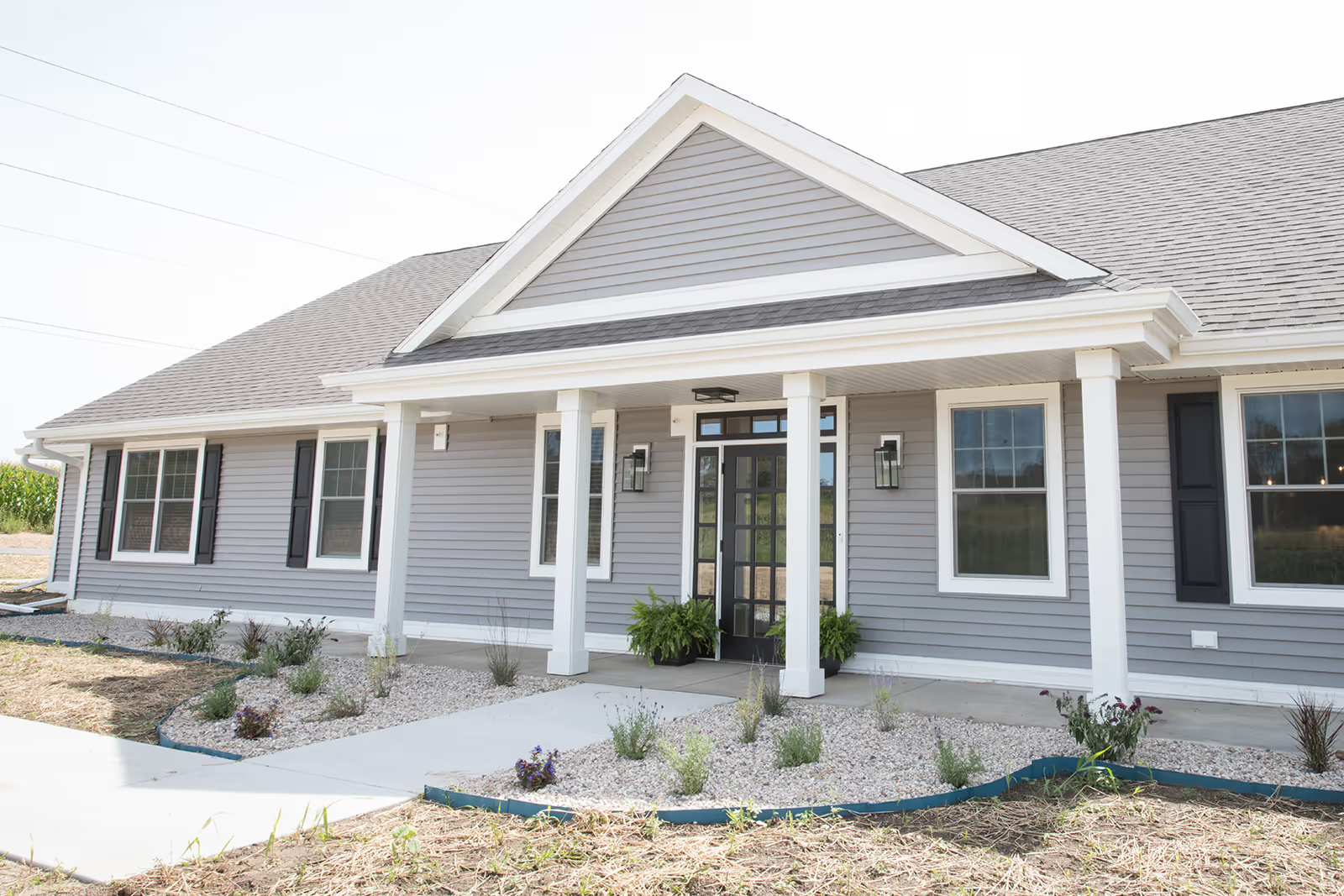
Reviews describe a mixed picture at Linden Court Waukesha: the physical environment and program structure have clear strengths, particularly in the Memory Care unit, while routine care processes and management practices raise substantive concerns. Positive comments focus on well-appointed resident rooms, an organized and secure memory-care layout, and instances of residents enjoying meals. The facility identifies as Alzheimer’s/Dementia-focused and the memory unit’s stated 6:1 caregiver-to-resident ratio and secure design are viewed as programmatic strengths.
Care-quality concerns center on inconsistent basic care delivery and monitoring. Multiple accounts indicate delays in responding to resident needs, gaps in incontinence-care and bathing schedules, and inconsistent assistance for residents who require help eating. Medication administration and timing were described as unreliable in some instances, and families expressed concern about clinical decision-making around transfers and readmissions. These patterns suggest variability in day-to-day clinical operations and supervision, particularly for residents with advancing care needs.
Staffing and staff conduct are recurring themes. Reviewers describe frequent staff turnover, indications that caregivers are overworked, and occasional concerns about staff demeanor or communication tone. Several comments referenced caregivers lacking necessary tools or assistance to complete tasks on schedule. The combination of staffing instability and limited supervisory follow-through appears to contribute to the operational gaps noted above.
Dining and housekeeping receive mixed feedback. While some residents enjoyed the food, other observations point to meal-service inconsistencies including late or cold meals and deviations from prescribed diets (for example, low-sodium instructions not consistently followed). Housekeeping and laundry processes were described as unreliable in some cases, with families reporting issues such as linens and clothing management and room-cleaning inconsistencies. Environmental cleanliness was sometimes praised in common areas and the memory unit, but operational lapses in room-level sanitation and linen handling were also described.
Management and communication practices are another area of concern. Reviewers cited poor family communication about incidents, transfers, and discharge decisions, including disputed hospital transfers and restrictions on readmission. There is a perception of limited accountability and slow grievance resolution. These management-level issues compound clinical and operational problems by reducing family confidence and complicating transitions of care.
Notable patterns across reviews include an initial positive experience for some residents that later declined as care needs increased, and a suggestion that the facility may be better suited for short stays or residents with lower acuity than for those requiring intensive dementia or nursing support. Prospective residents and families should weigh the facility’s physical and program strengths against the documented operational weaknesses: ensure clear agreements about diet, medication timing, laundry/housekeeping expectations, and readmission policies; ask about current staffing stability and supervision; and confirm how communication with families will be handled during care transitions.