Overview Reviews of LindenGrove Waukesha describe a facility with substantial variability in resident experience. Many attributes of the physical plant and certain programs are consistently noted as strengths: bright, private rooms with ensuite bathrooms, accessible design elements, on-site therapy and specialist access, and active social programming. At the same time, there are repeated operational concerns that affect quality of care for some residents.
Care quality and clinical operations Clinical experiences range from effective, goal-oriented rehabilitation and attentive skilled nursing to significant care-process failures. Positive accounts cite timely post-operative therapy, individualized medical coordination, and successful short-term discharges. Conversely, other accounts indicate lapses in routine clinical oversight (missed or delayed vital-sign checks, delayed personal-care schedules, inconsistent bathing, and incontinence-care delays), uneven medication administration practices, and problems with completing or following therapy/OT/PT orders. These contrasting reports suggest inconsistent adherence to care plans across shifts or units.
Staffing and staff conduct A recurring theme is chronic understaffing and high turnover, often compounded by reliance on agency or contract personnel. Families describe both compassionate, engaged caregivers and instances of poor professionalism or limited engagement at nurses’ stations. Night and weekend supervision are singled out as weaker, and delayed responses to call bells or resident requests are frequently noted. Leadership changes and rapid staff turnover are cited as contributors to inconsistent practices and gaps in accountability.
Dining and nutrition Meal quality is described unevenly. Some reviewers praise nutritious meals and specific positive dining experiences (including an excellent midday meal and attentive kitchen staff), while others report cold meals, dishes not appropriate for residents’ chewing needs, and limited accommodation of special diets. Denture-fit and texture issues have affected some residents’ ability to eat comfortably. Temperature control and on-time service are recurring operational concerns.
Activities and social life The facility runs group activities—bingo, music, outings, and holiday events—which several families found beneficial for social engagement. However, activity staffing and participation levels vary; assisted-living programs appear understaffed in some shifts, leading to inconsistent programming and limited in-room or individualized activity options for less-mobile residents.
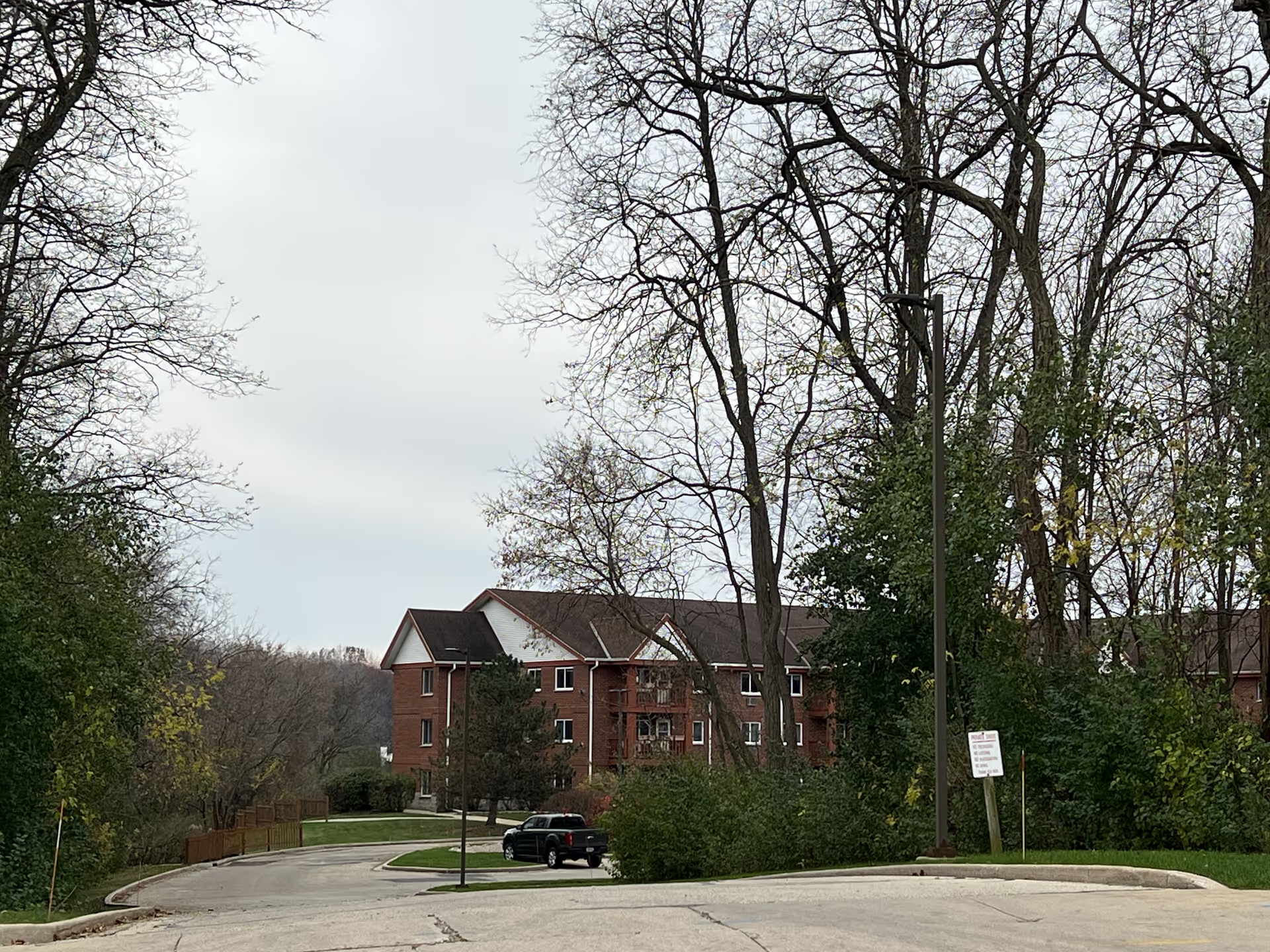
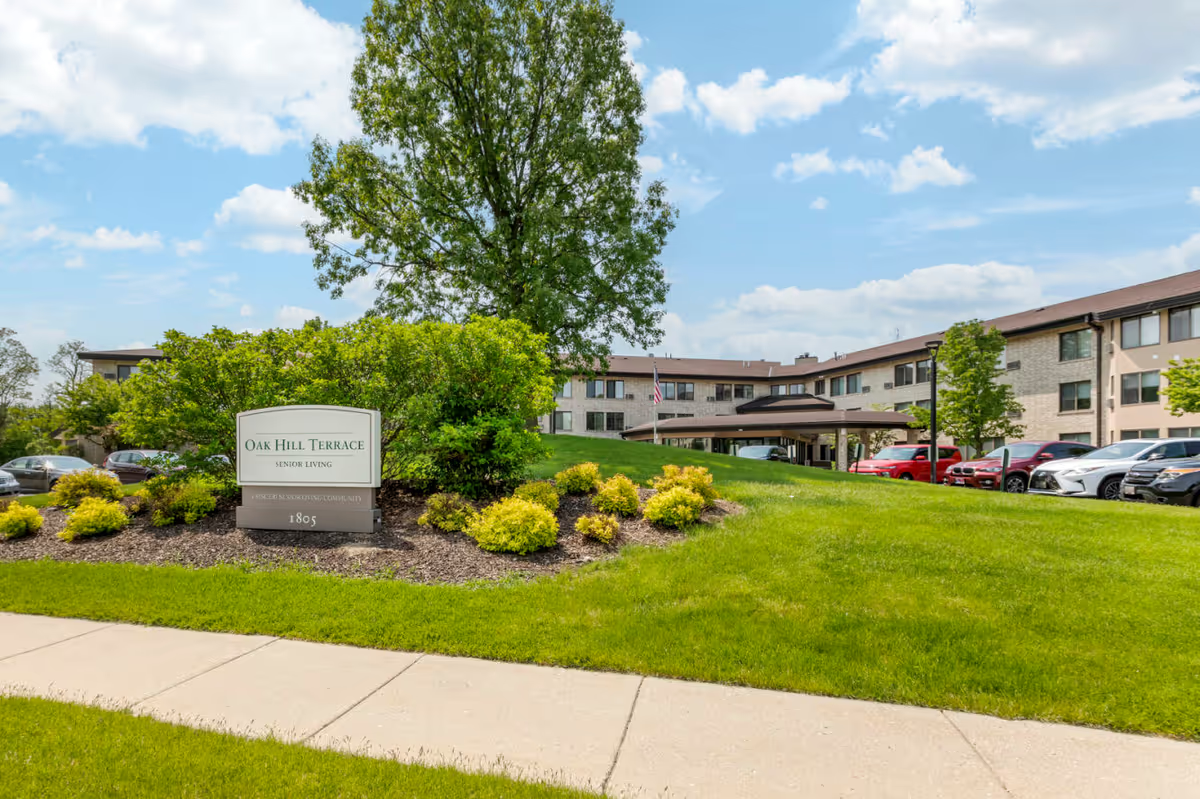
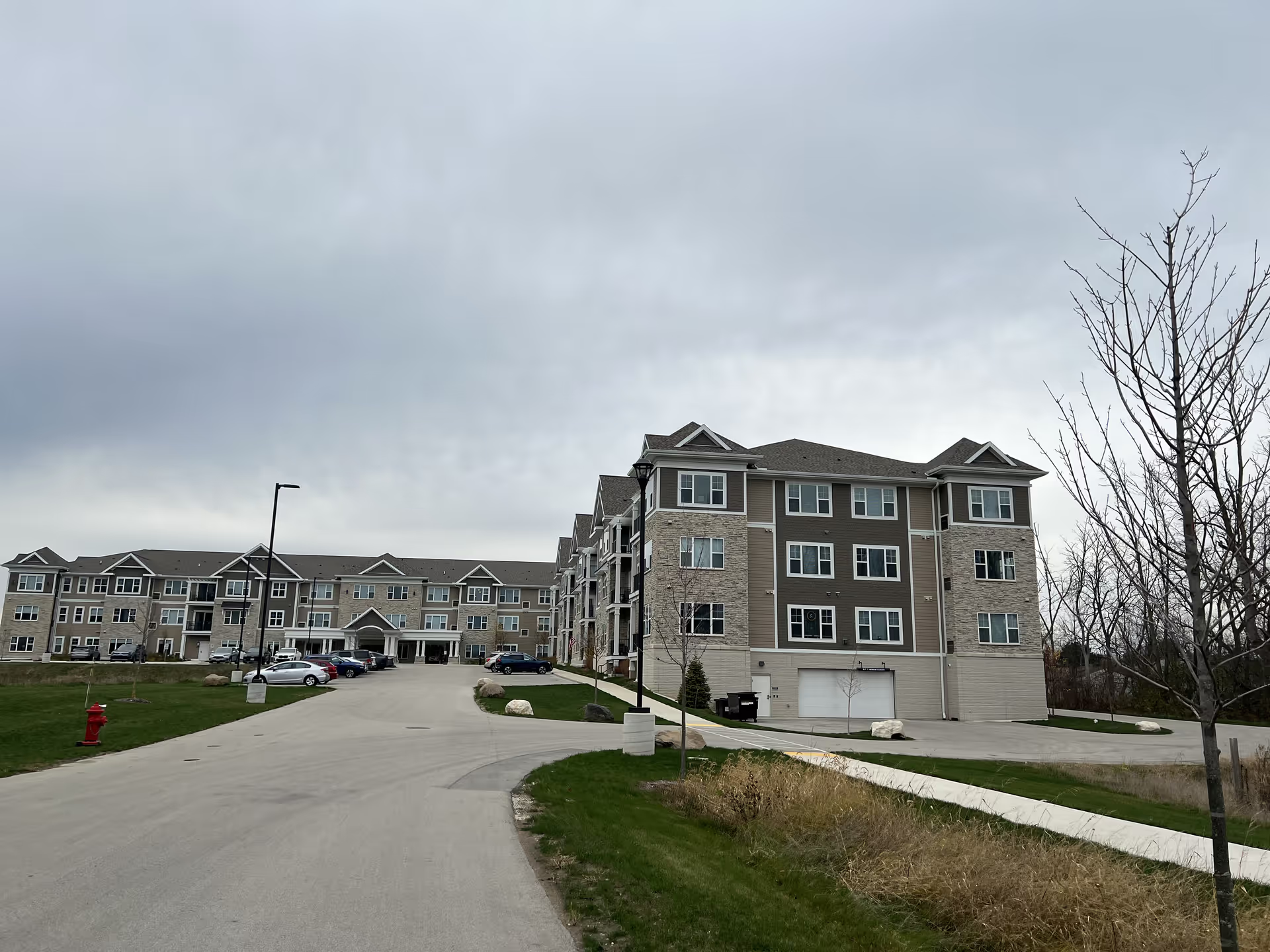
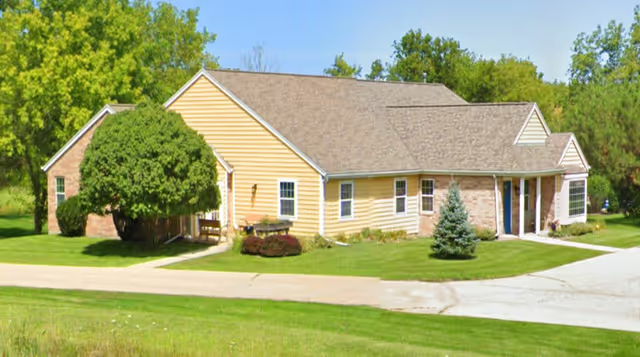
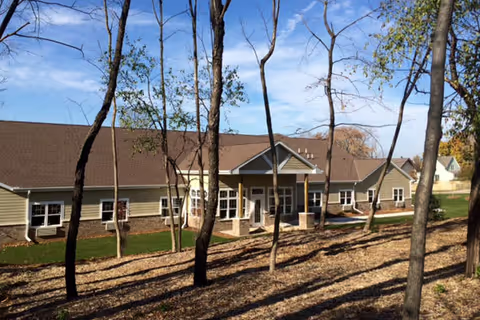
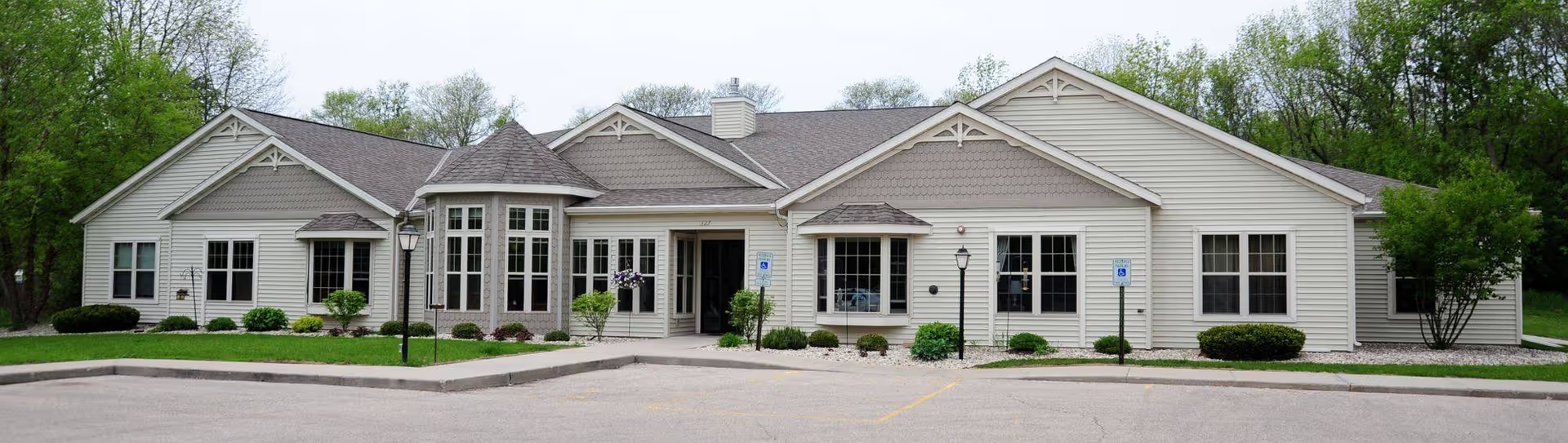
Facilities and amenities The building and grounds receive generally positive comments: bright common areas, clean and welcoming decor in many areas, private rooms, and accessible features. Maintenance staff receive praise for responsiveness. At the same time, reviewers cite maintenance issues such as cold rooms from window-seal problems, snow-removal shortcomings, and a few pest-control concerns. The facility’s layout can be confusing for visitors, and some units are still undergoing renovation or remodeling.
Management, communication, and administration Administrative performance appears mixed. Positive changes under new leadership are noted by some families, including improved communication and responsiveness. However, frequent billing errors, confusing discharge information, and difficulties reaching staff by phone are recurrent issues. Several families describe miscommunication around levels of care and the availability of on-site skilled nursing in assisted-living areas.
Notable patterns and implications for prospective families The dominant patterns are variability and inconsistency: strong performance in some domains alongside operational weaknesses in others. Key operational risks implied across reviews are chronic understaffing, turnover, inconsistent care-plan execution, medication-administration controls, and gaps in housekeeping and meal-service reliability. At the same time, when staffing and clinical coordination are functioning well, families report positive rehabilitation outcomes, caring staff, and an engaging social environment.
Practical considerations Prospective residents and families would benefit from targeted questions during tours and admissions: current staff-to-resident ratios by shift; protocols for call-button response times; medication-administration and documentation practices; bathing and toileting schedules; availability of on-site therapy and specialist services; sample menus and accommodation of special diets; examples of recent management initiatives to address turnover and billing; and opportunities to speak with current family members or observe activity programming. Verifying contractual billing practices and asking for written care-plan follow-through commitments can also help clarify expectations.
Summary conclusion LindenGrove Waukesha offers many of the physical and programmatic features families look for—private, accessible rooms; on-site therapy; and active social programming—but operational inconsistencies, chiefly around staffing, clinical oversight, meal delivery, housekeeping, and administrative processes, create a mixed record. Experiences appear to depend heavily on staffing levels and leadership stability at any given time. Families seeking care here should balance the facility’s amenities and positive rehab outcomes against the documented operational weaknesses and take steps to confirm current performance before placement.