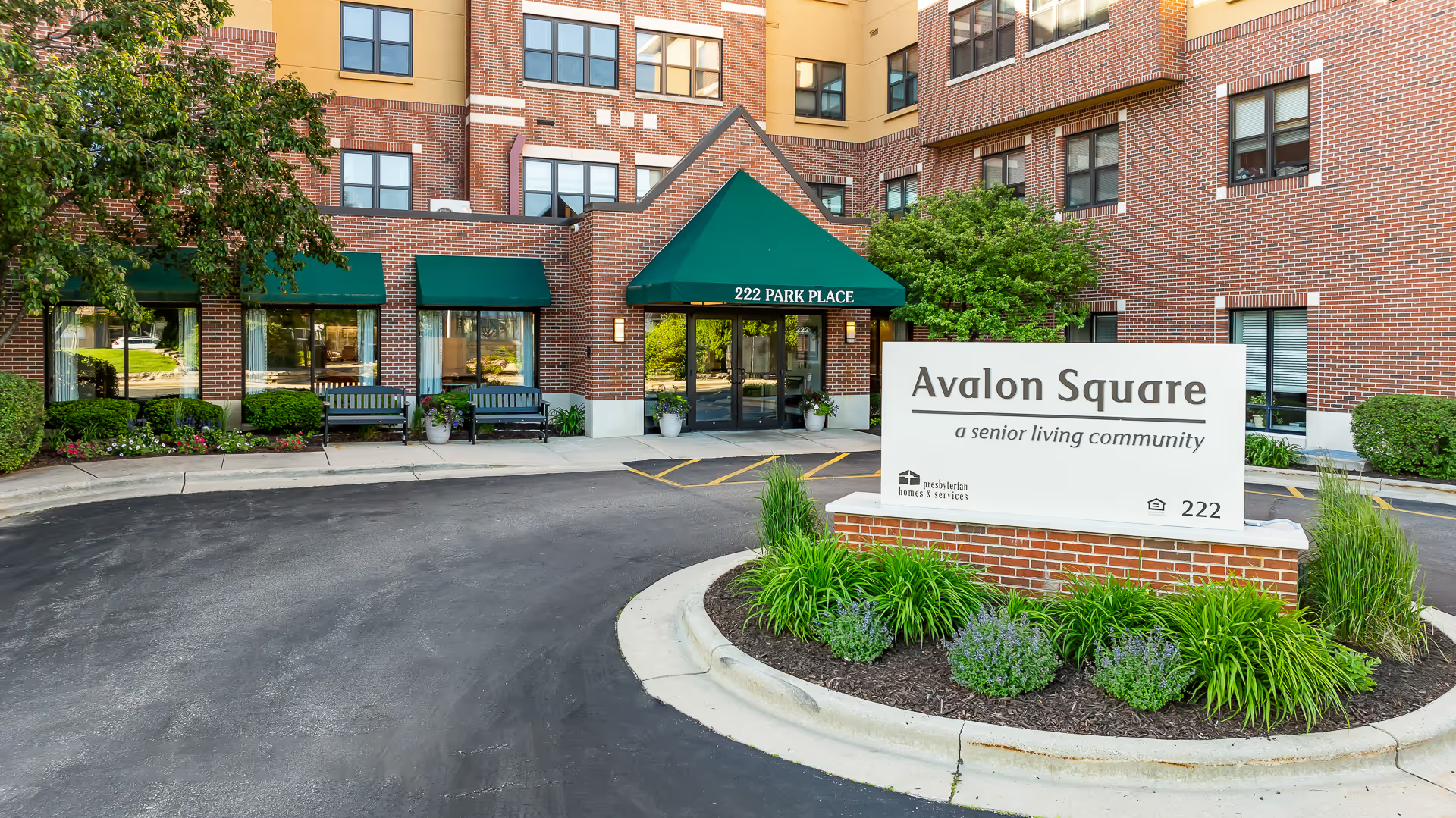
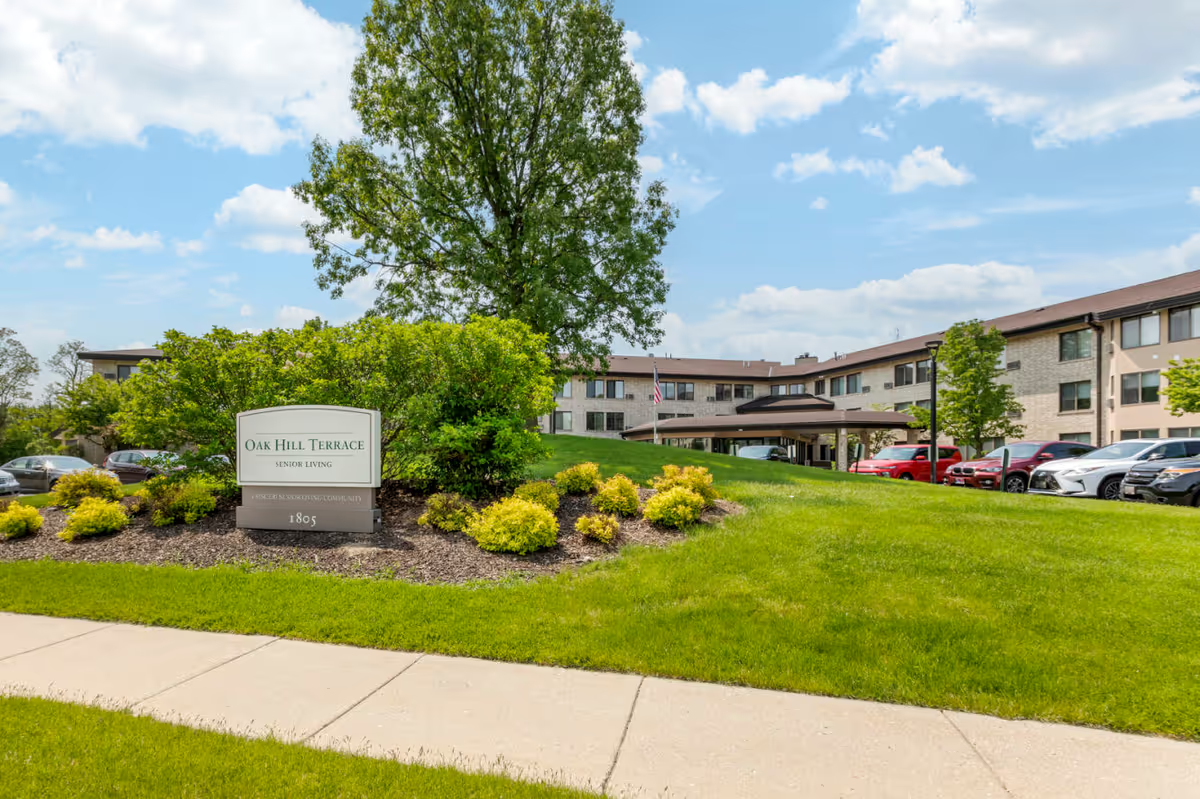
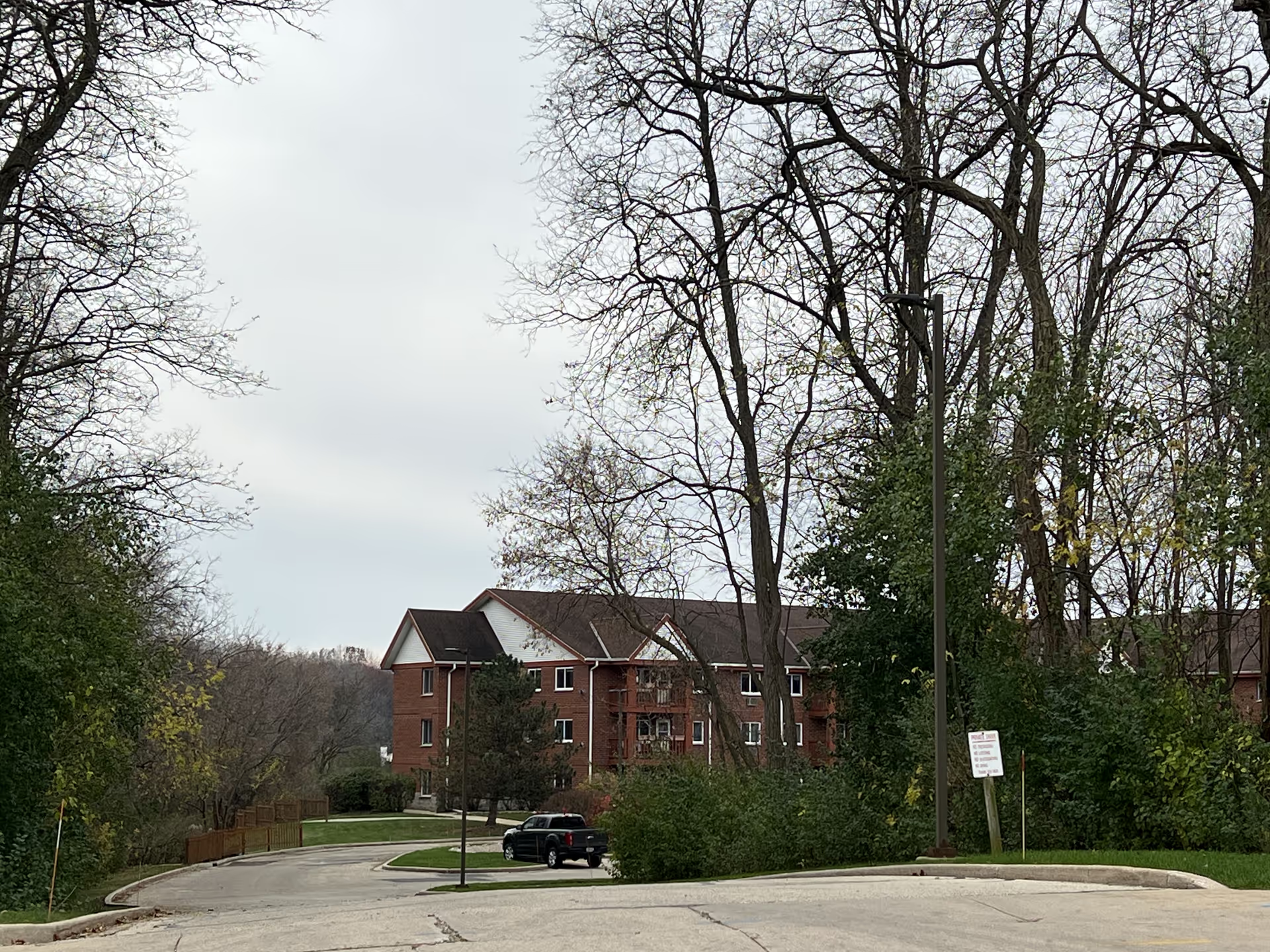
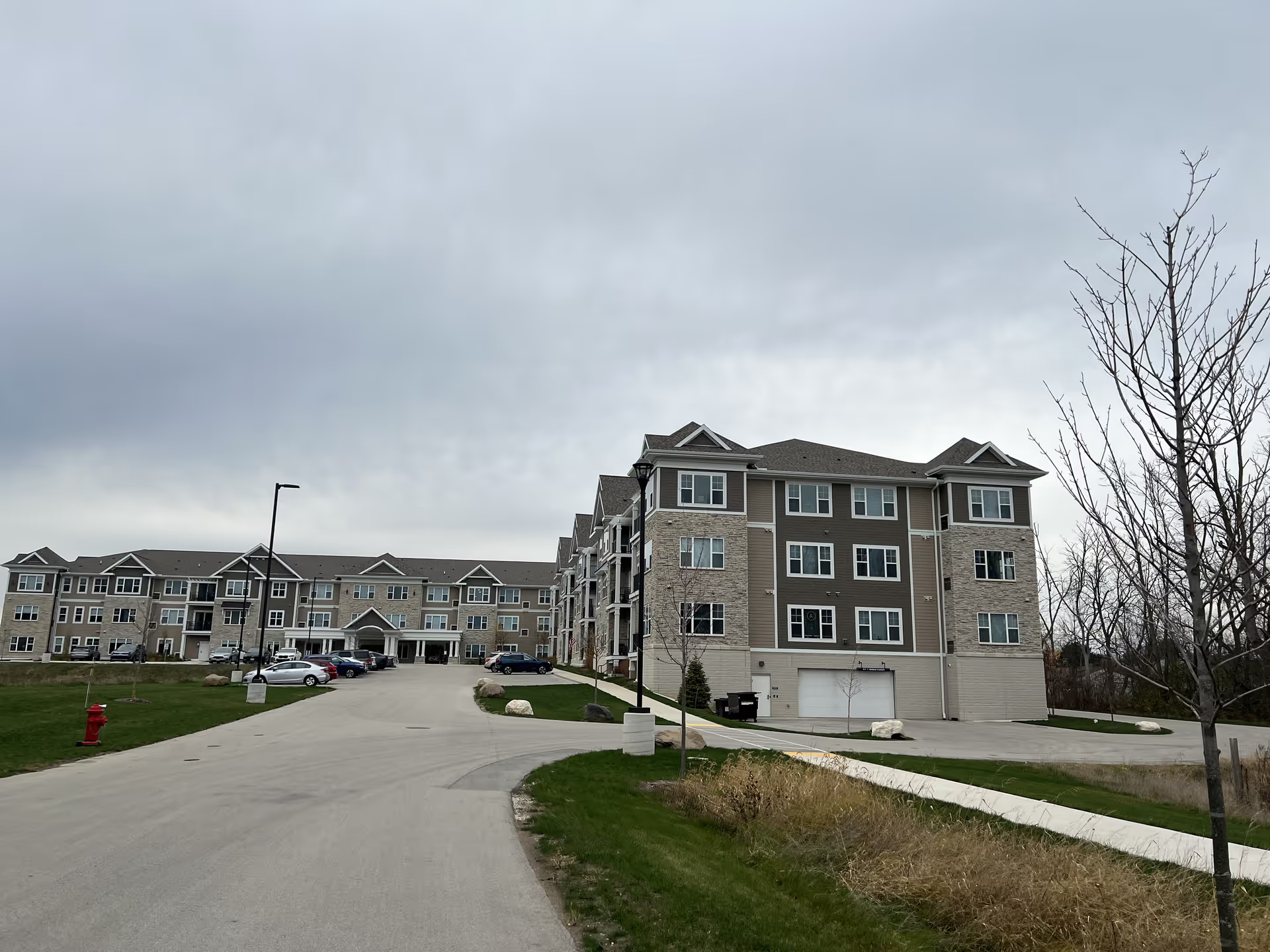
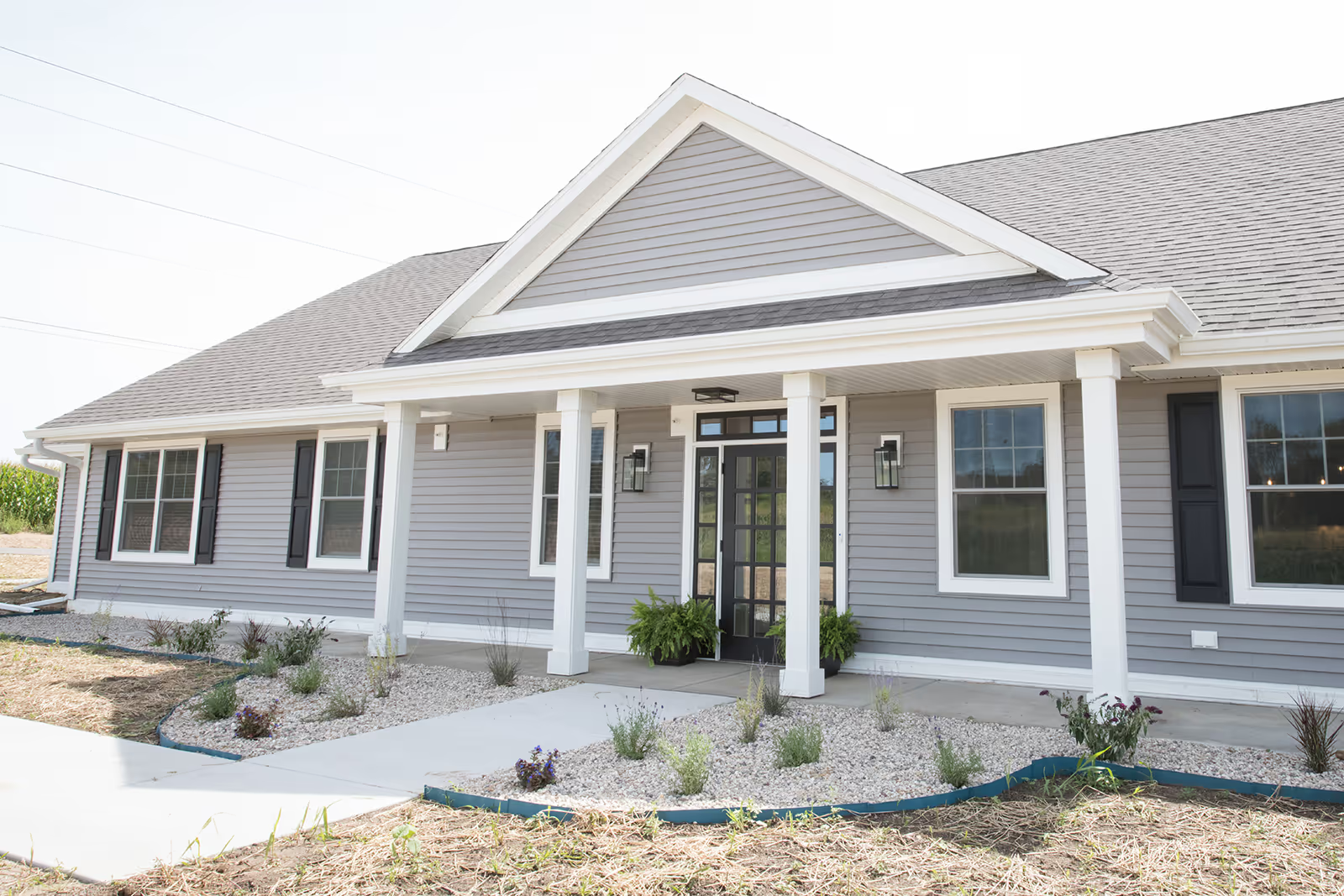
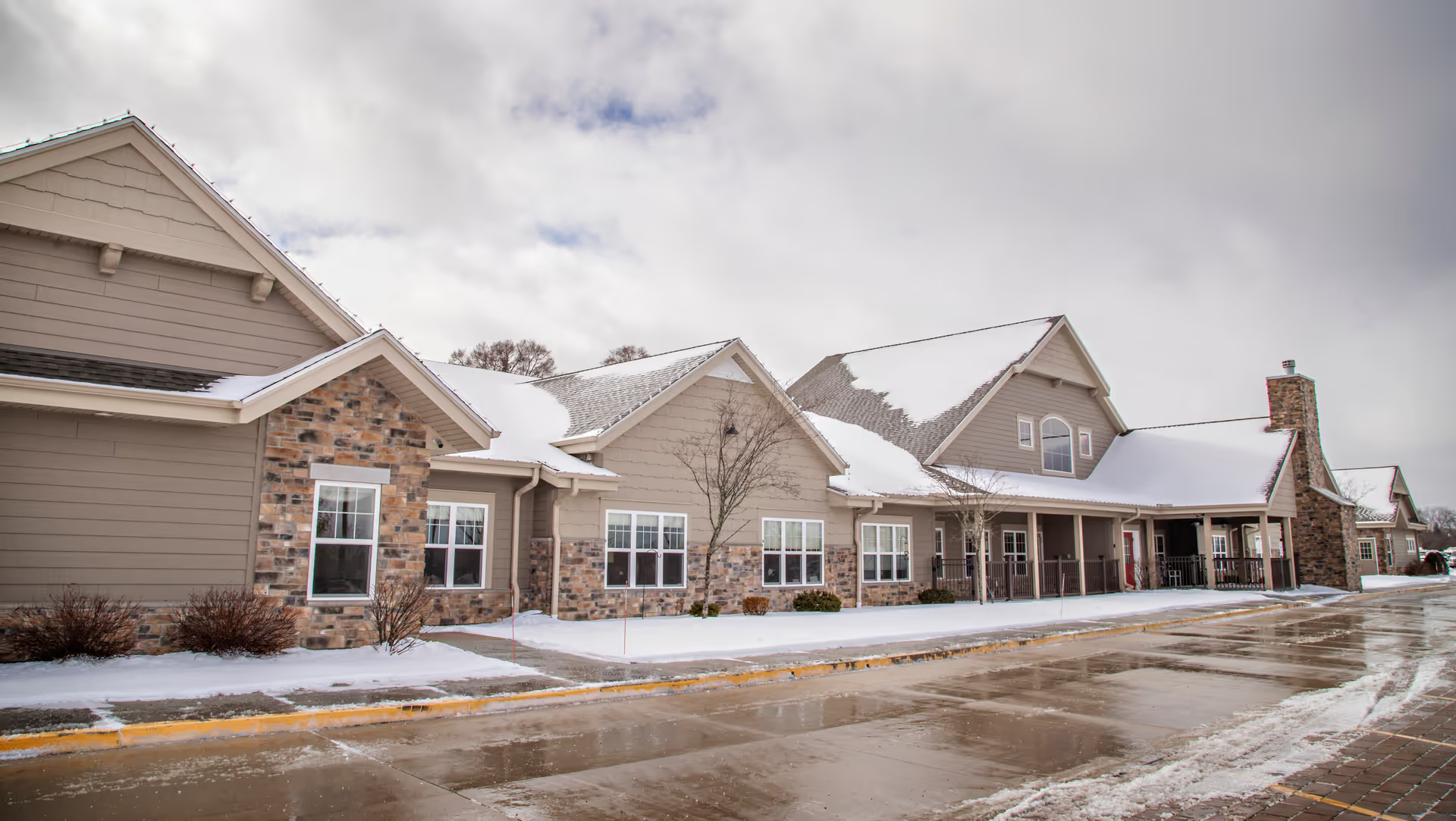
Overall impression: Reviewers consistently highlight the facility’s strong amenity base and social program. The campus is described as new, clean, and resort-like, with large apartments (some with kitchenettes and fireplaces), accessible indoor amenities such as a pool, movie theater, library, bistro/bakery, and multiple activity spaces. Many families and residents value the pet‑friendly environment, gardens, walking paths, and convenient features like inside parking and in‑apartment laundry. A common theme is that the community offers good perceived value for the level of physical amenities and social programming.
Care and clinical services: Clinical offerings are viewed positively by many reviewers. On-site physical and occupational therapy, including water therapy, is reported as available and integrated into personalized wellness plans. Memory-care services are offered, and several comments cite attentive nursing and helpful clinical staff during emergencies. At the same time, there is evidence of variability: some families described inconsistencies in how clinical leadership and coordination are managed, which suggests uneven performance across teams or shifts.
Staff and management: Staff are frequently described as friendly, warm, and helpful, and reviewers often praise individual caregivers and front‑line employees for making transitions smoother. Management and marketing contacts also receive positive notes for communication and availability in a number of accounts. However, there are also substantial critical observations about leadership and management responsiveness. These critiques range from concerns about the tone of staff communication to statements about unprofessional behavior by some managers. The pattern indicates generally strong front‑line staffing but uneven experiences with managerial responsiveness and conduct.
Dining and housekeeping: Dining is a distinctive strength for many residents — restaurant‑style, menu‑based service with waitstaff, set meal options, and regular social dining events such as happy hour. Despite that, operational weaknesses are noted around food-service continuity and inventory control: reviewers describe frequent shortages of condiments and menu items, inconsistent food portions, and variability in availability. Housekeeping is another mixed area: while many describe clean common areas and well‑kept apartments, others note inconsistent housekeeping standards or declines in certain services, particularly during or after move‑in transitions.
Activities and social life: The activity program is comprehensive, with frequent themed events (holiday celebrations, fairs, contests), regular game nights, crafts, excursions, and therapeutic offerings. Residents report an active social life and numerous on‑campus engagement opportunities. A minority of reviewers felt the program needed more diversity in social options or that certain activities were inconsistently offered, suggesting scheduling or staffing constraints at times.
Notable patterns and guidance for families: Strengths center on amenities, social programming, rehabilitative therapy, and a largely welcoming staff culture. Recurrent operational concerns focus on consistency: housekeeping, kitchen inventory and meal continuity, activity scheduling, and variable management responsiveness. Prospective residents and families should verify recent operational performance (housekeeping schedules, dining inventory practices, and leadership stability) and ask for examples of how the community handles service continuity during move‑ins and staffing transitions. A tour that includes a meal service observation and conversation with both clinical leadership and activity staff will help assess whether the facility’s operational consistency matches the generally positive descriptions of amenities and care.