Reviewer accounts are polarized: many describe attentive, compassionate care and effective rehabilitation services, while others describe persistent operational concerns. Positive comments emphasize individual caregivers who go above and beyond, prompt night‑time responsiveness, timely call‑light response, and a welcoming, quiet environment with an active activities program. Several reviewers highlighted strong therapy outcomes, courteous kitchen and nursing staff, and visible management efforts to improve the campus.
Care quality shows a mixed pattern. Strengths include dedicated nursing attention for some residents, coordinated medication administration at bedtime, and successful short‑term rehabilitation experiences. At the same time, reviewers described gaps in routine clinical monitoring—including inconsistent vital‑sign documentation—and concerns about medication follow‑up and clinical management. These clinical-monitoring and medication‑management inconsistencies raise questions about reliability of care processes for residents with higher medical needs.
Staffing and staff conduct are recurring themes. Positive remarks point to long‑tenured staff and named caregivers who earned high praise. Conversely, other accounts describe inconsistent staffing levels, delays in toileting and dressing assistance, and instances of unprofessional conduct or inappropriate conversations while on duty. These patterns suggest uneven staff training, supervision, and shift coverage that affect resident experience and family communication.
Dining and activities receive mixed evaluations. Several families noted high‑quality, accommodating meals, while others described limited menu options, overly salty dishes, and unsatisfactory meal experiences. Activity programming and small admission amenities were noted favorably, contributing to a more home‑like environment for some residents.
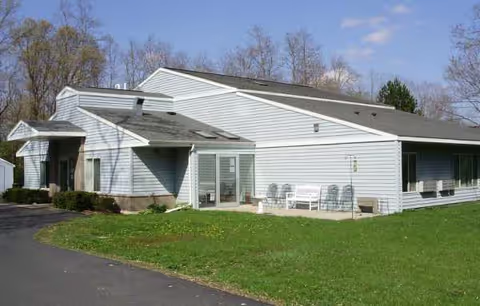
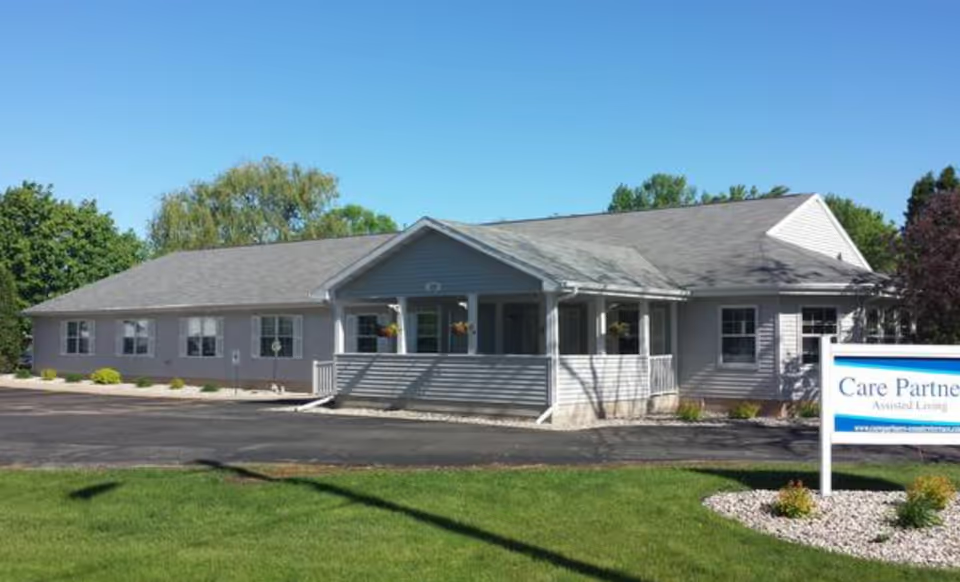
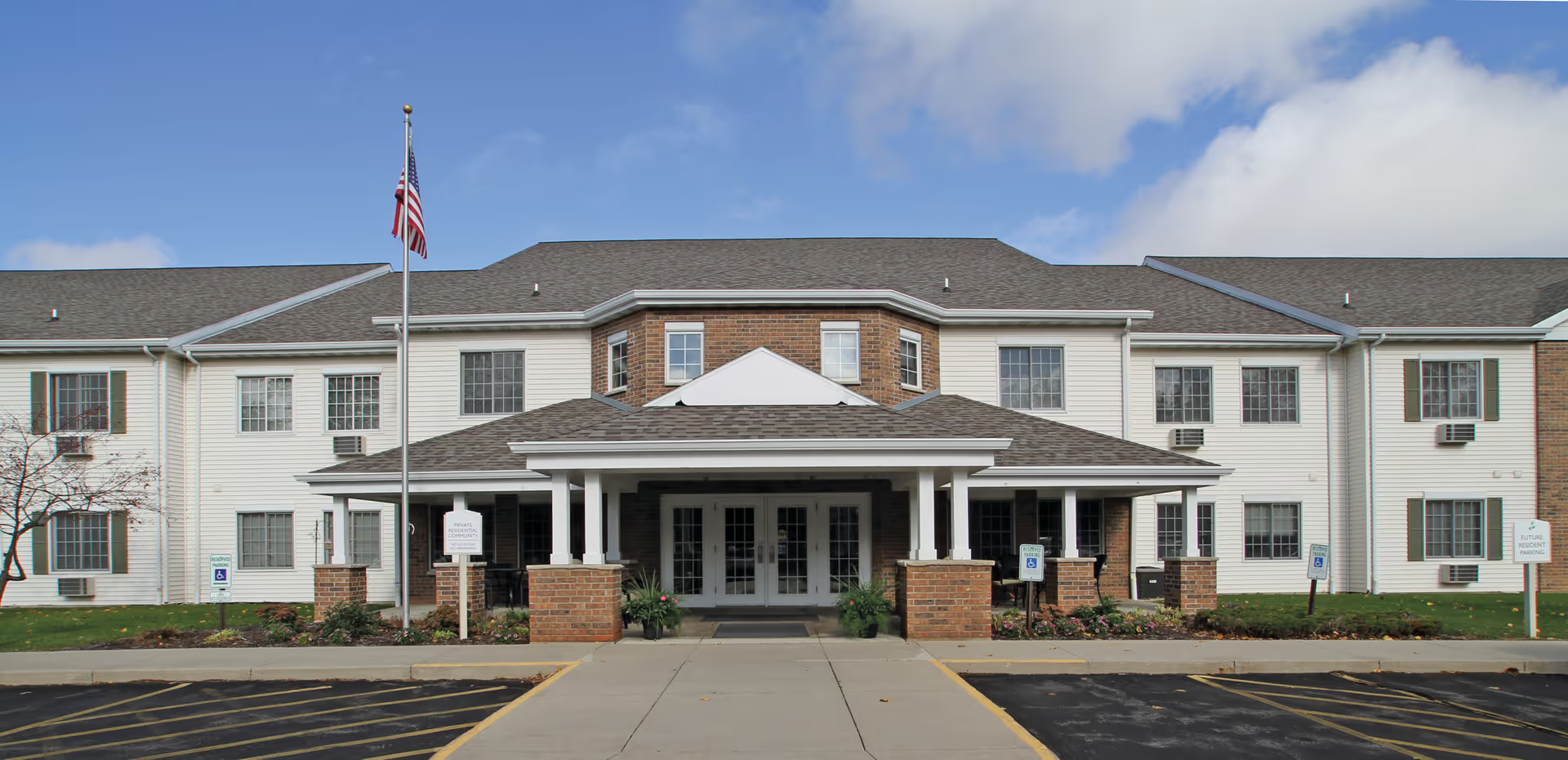
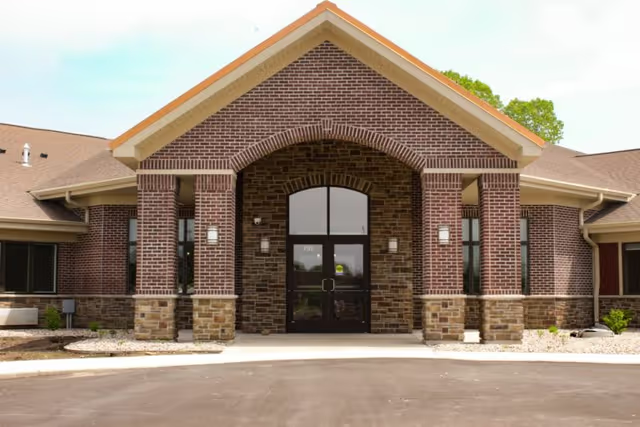
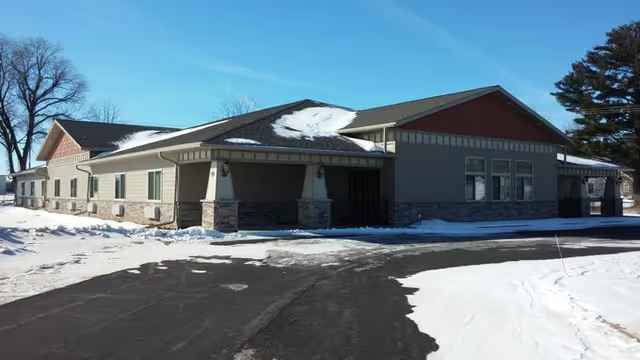
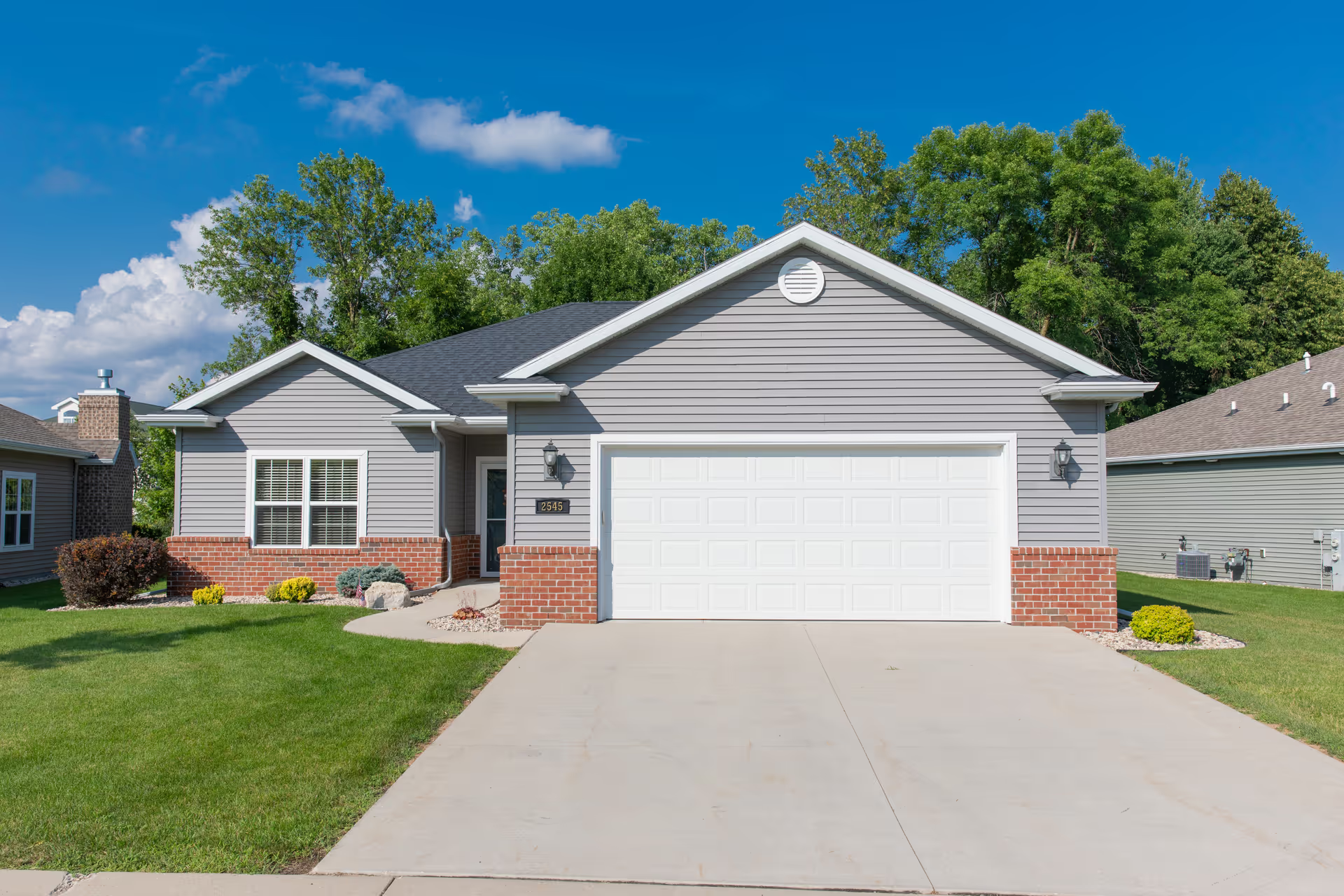
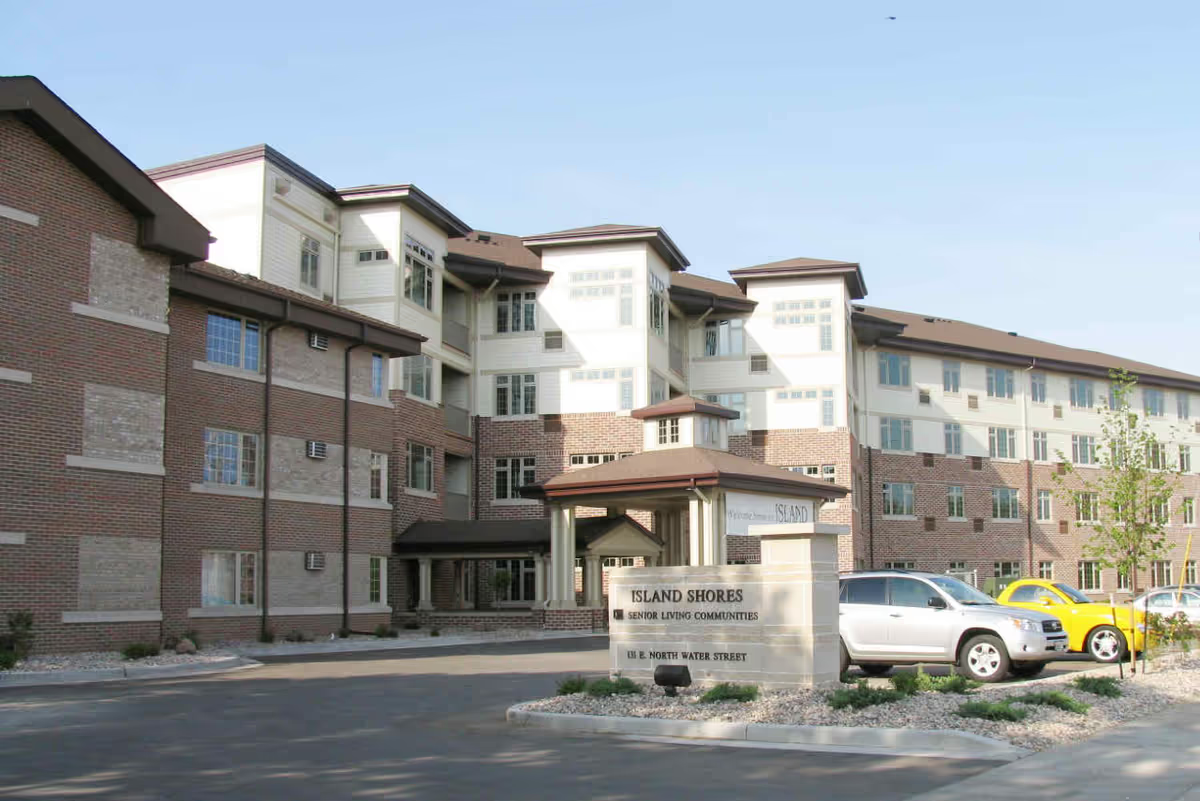
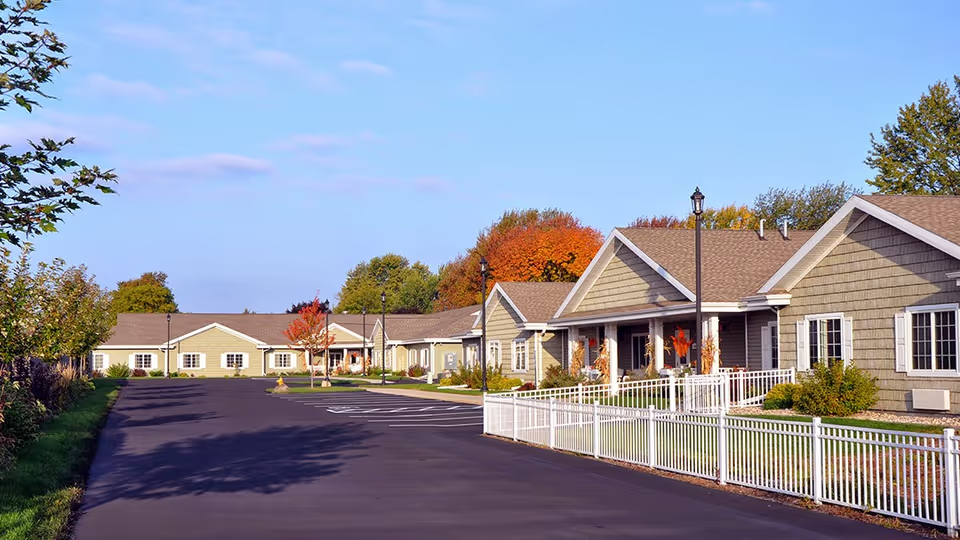
Facility environment and maintenance show variability. Positive impressions include clean, well‑kept interior spaces and a non‑clinical atmosphere in parts of the facility. However, other observations point to sanitation and odor concerns in some areas, visible maintenance lapses on exterior grounds, pest‑control observations, and cluttered hallways or limited seating that could pose safety or accessibility issues.
Management and oversight appear to be in transition for parts of the facility. Some reviewers describe proactive leadership and improvements following staffing changes; others referenced communication breakdowns with families, problematic discharge coordination, and warnings or involvement by an ombudsman or regulatory entity. Taken together, these signals suggest the facility may be addressing known issues but that operational consistency remains a concern.
For prospective residents and families: the facility demonstrates clear strengths in individual caregiver commitment, rehabilitation capability, and a pleasant setting, but it also exhibits operational weaknesses tied to staffing consistency, clinical monitoring, sanitation/maintenance, and family communication. An in‑person visit focused on observing staffing levels during peak times, asking about clinical-monitoring protocols, medication follow‑up practices, staff training and supervision, sanitation procedures, and recent regulatory history is advisable to determine whether the facility’s positive attributes align with the prospective resident’s needs.