Overall impression: Reviews present a mixed picture. The facility is described as a small, secured setting intended for residents with advanced dementia or Alzheimer's, and some families found the size and atmosphere positive for that population. However, a number of comments raise operational concerns that would be material for families to investigate before placement.
Care quality: The facility appears to be specialized for advanced cognitive-impairment care, which can be appropriate for residents who require a secured environment and higher supervision. At the same time, several accounts describe safety lapses in resident monitoring, including instances of residents leaving the premises and later being located off-site. These accounts suggest gaps in elopement-prevention practices, supervision patterns, or physical security measures. Families should verify current protocols for assessment, room assignments, door alarms, and routine checks.
Staff and management: Multiple reviewers indicated understaffing and concerns about responsiveness, which align with the supervision issues described above. There are also comments expressing dissatisfaction with management priorities and communication; some reviewers perceived that administrative focus was more financial than care-oriented. Prospective families should ask about staffing ratios, turnover, staff training in dementia care, incident reporting practices, and how management engages with families following concerns.
Activities and engagement: Several comments characterized residents as inactive and stated that programming was limited or that there was "nothing going on." One reviewer explicitly expressed a desire for more activities. This pattern points to limited engagement programming and potential underinvestment in structured social and therapeutic activities appropriate for residents with cognitive impairment. Inquiring about daily/weekly schedules, activity staffing, and individualized engagement plans is advisable.
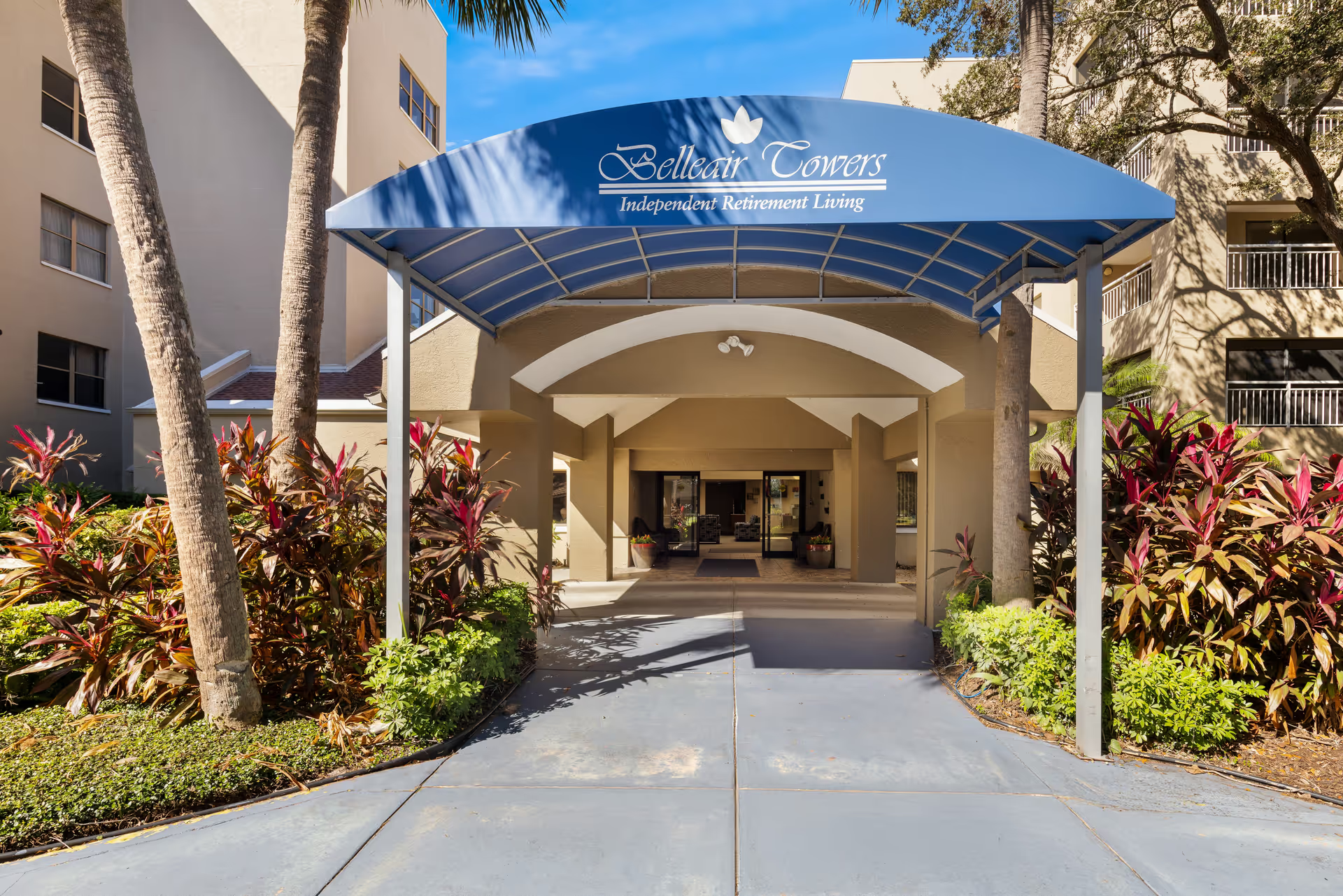
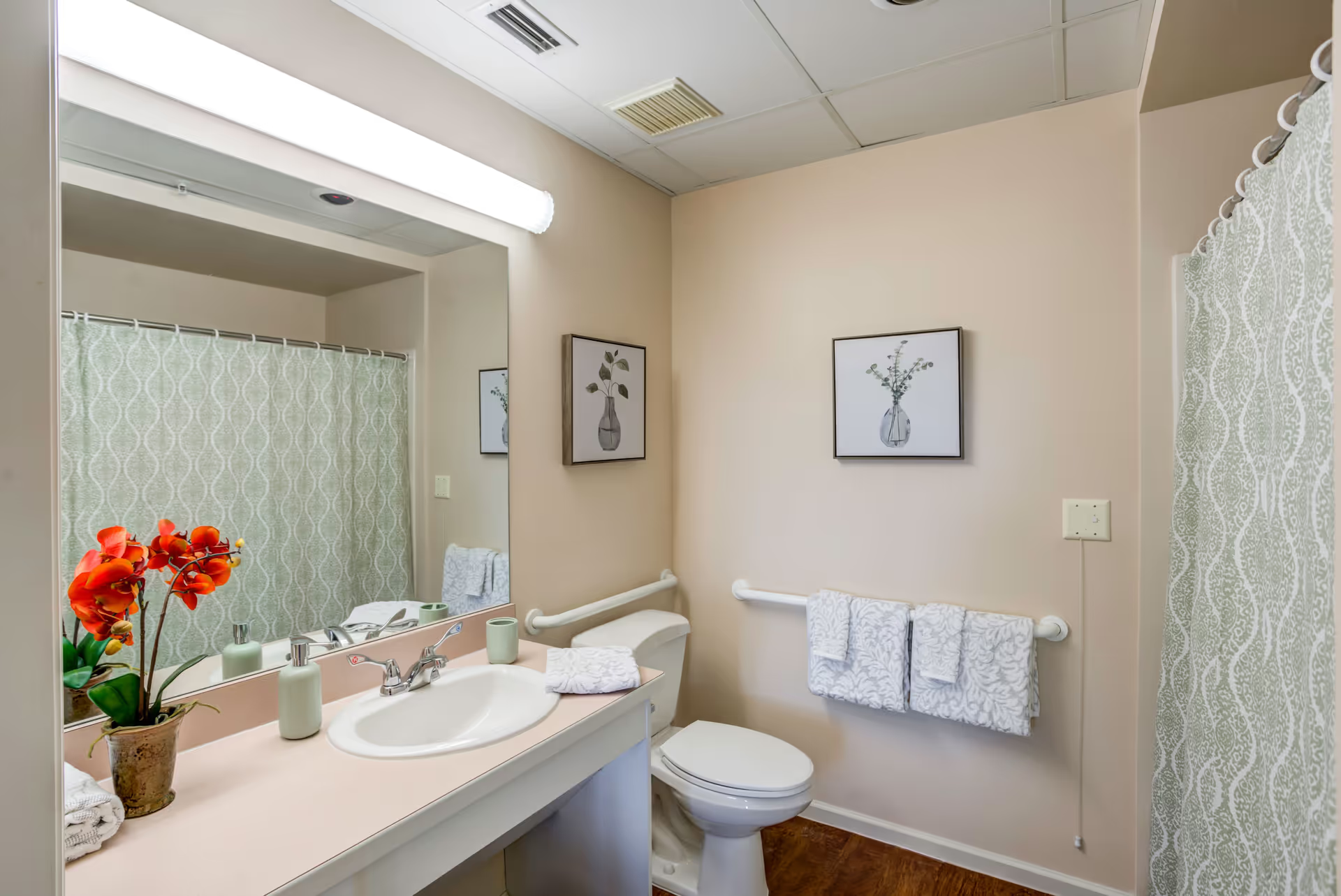
Facilities and sanitation: The facility's small size and secured design are viewed positively by some, but cleanliness and general sanitation concerns were raised for common and residential areas. The location itself was described as unappealing by some reviewers, with limited nearby amenities. Families should perform an in-person inspection of cleanliness, maintenance, outdoor spaces, and neighborhood access during a visit.
Dining and clinical services: Reviewers did not provide consistent, detailed feedback about dining quality or specific clinical-service elements such as medication management or therapy services. Because of the uneven information available, families should request menus, sample meal schedules, dietary accommodation procedures, and documentation of clinical oversight when evaluating the community.
Notable patterns and recommended next steps: The dominant themes across the feedback are safety-monitoring gaps (notably related to elopement risk), staffing insufficiencies, limited activities, and concerns about management priorities. There are also positive elements for the right population: a secured dementia-focused setting and small community size. Prospective residents and families should prioritize a site visit, ask for recent incident logs and staffing rosters, review safety and elopement-prevention protocols, assess activity programming, and speak directly with current families and administrative leadership to clarify how the facility has addressed past concerns.