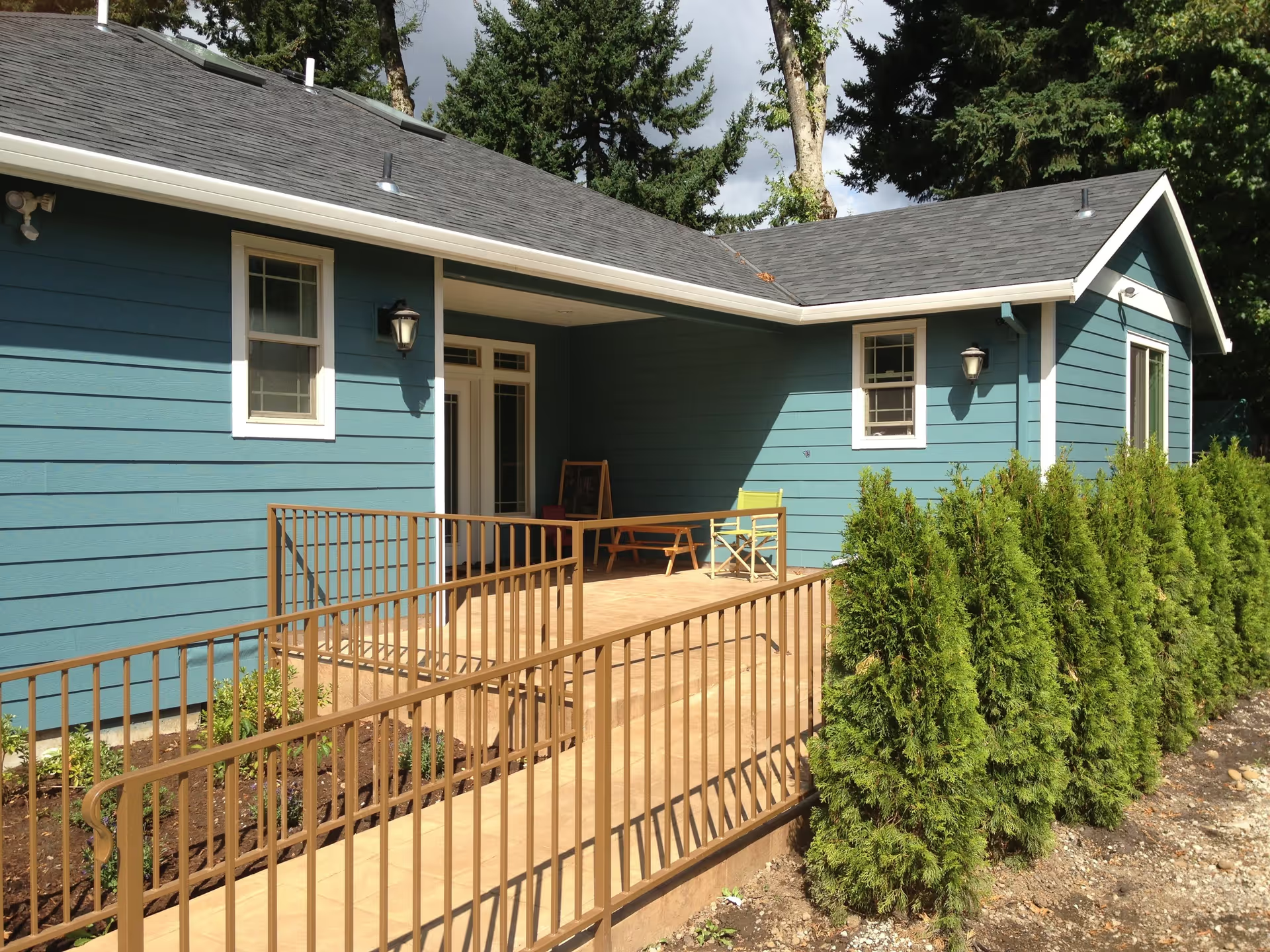
Tender Loving Care Place is characterized by a small, home-like adult foster care model with a strong emphasis on individualized attention and cleanliness. Reviewers consistently describe an immaculate, well-maintained interior and private in-room bathrooms, which contribute to a residential rather than institutional feel. The facility appears to operate with a very small census, which some families value for its intimacy and rapid room setup, while others find it limits social variety.
Care quality and staff interactions are central strengths. Families and visitors describe the owner and caregiving staff as kind, detail-oriented, and personally involved in daily care; the owner’s leadership is noted as a stabilizing presence. Staff are described as attentive and capable of providing enhanced support for residents with higher needs, including those who are bedridden. The tone conveyed is one of warmth and extra attention rather than high-volume clinical care.
Dining and individualized care practices are also positively noted. The facility accommodates specific dietary needs, including gluten-free diets, and appears willing to tailor meals to resident requirements. This reflects a person-centered approach to care planning and mealtime accommodation.
Activity programming and social life present a mixed picture. The home offers on-site activities and families reported available opportunities, but the small resident population can limit the variety and scale of group programming. Some residents or families who prefer a busier social environment expressed a desire for more people and greater activity options. Noise and privacy levels also vary; reviewers described periods that felt busy or crowded, indicating that privacy and quiet-time preferences may not be consistently met for every resident.
Management and operations show strengths in responsiveness and flexibility: quick room preparation, acceptance of temporary placements, and hands-on oversight by management. The primary operational limitation is capacity—limited bed availability and the small size of the home can create access constraints and affect the social dynamics. Prospective residents and families should weigh the benefits of a small, closely supervised environment and strong personal caregiving against the potential trade-offs in social diversity, activity scale, and occasional variability in noise/privacy levels.