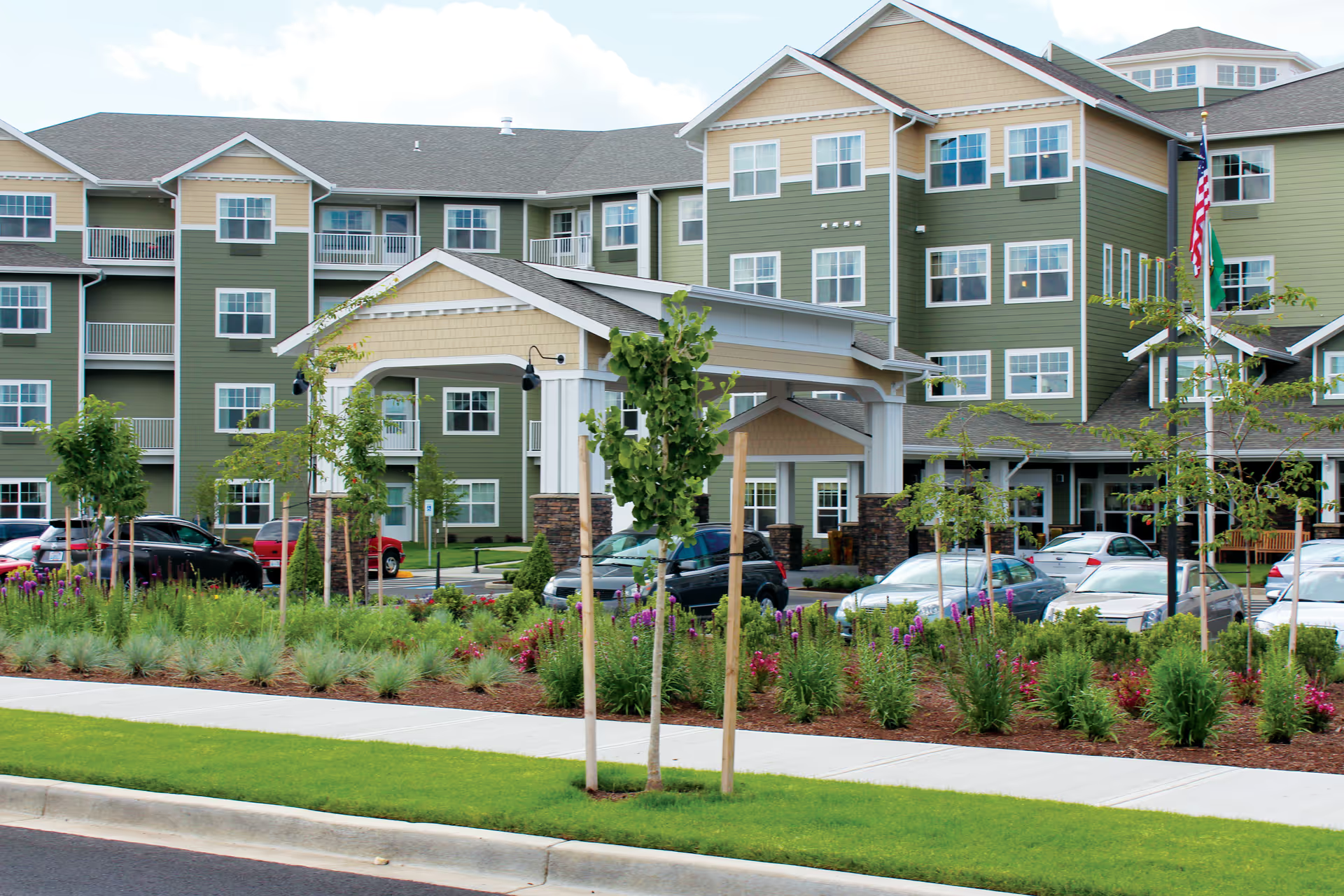
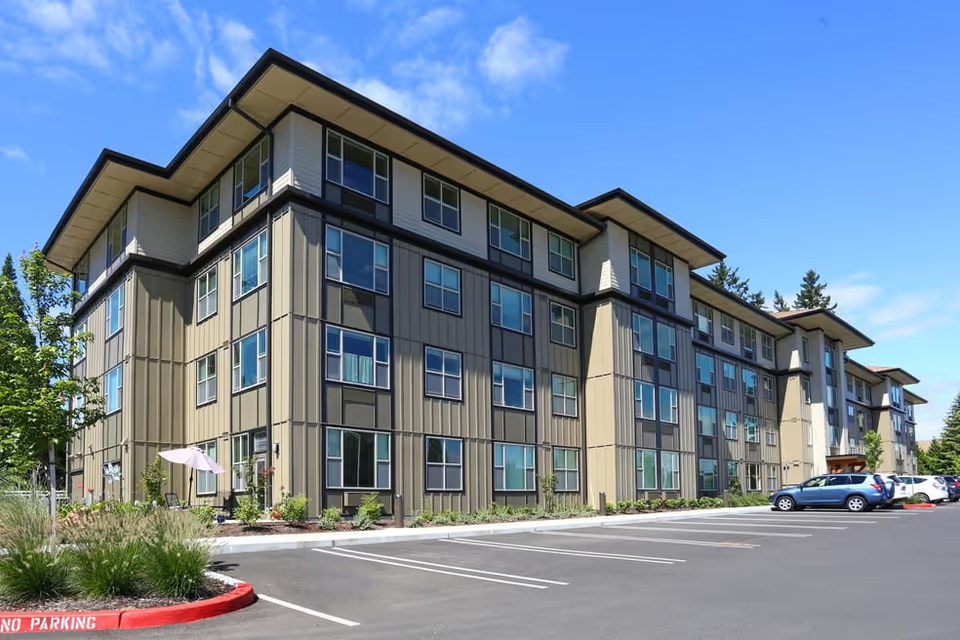
Reviews of this adult family home show a marked divide between positive experiences emphasizing attentive, personalized care and negative accounts that raise operational concerns. On the positive side, families describe an owner who is accessible and engaged, staff who can be attentive and dedicated, good communication about resident wellbeing, and a warm, home-like atmosphere in parts of the facility. Those accounts generally highlight personalized attention and relationships that families found reassuring.
Conversely, other accounts indicate variability in how that care is delivered. Several comments point to inconsistent care coordination and responsiveness across shifts or staff members, and reviewers identified concerns about staff interpersonal conduct and limited conflict-management. There are also reports suggesting unequal allocation of attention that appears tied to payment arrangements, which may create disparities in daily support. These patterns suggest that staffing practices, supervision, and policies around equitable care are areas for closer review.
Dining-related feedback is similarly mixed. Positive impressions of mealtimes are present in some reviews, but multiple concerns were raised about limited dietary variety, a scarcity of fresh fruit and vegetables, low-fiber meal options, and preparation methods described as high in fat or oil. Those observations imply a need for menu planning that addresses nutritional balance and resident dietary preferences. Activity programming was not a frequent topic; where mentioned, the environment was described as homey, but there is little detailed information about organized activities or social programming.
Facility and operations issues include sanitation and cleanliness concerns in common areas and inadequate bathroom infrastructure relative to the resident count—one review specifically noted a single working bathroom for multiple residents, which can create scheduling and privacy challenges. Overcrowding and visitor-management gaps were also reported, with non-resident presence affecting shared space availability. Management strengths include owner involvement and instances of clear communication; however, the presence of conflicting reports points to variability in day-to-day oversight and enforcement of standards.
Overall, the pattern across reviews is one of polarization: some families report high satisfaction with individualized care and a homelike environment, while others report operational weaknesses affecting cleanliness, staffing behavior, dietary quality, and facility capacity. Prospective residents and families should consider an in-person visit to assess current cleanliness, restroom access, sample meals, observe staff–resident interactions, and ask about staffing consistency, visitor policies, and how the provider ensures equitable care for all residents.