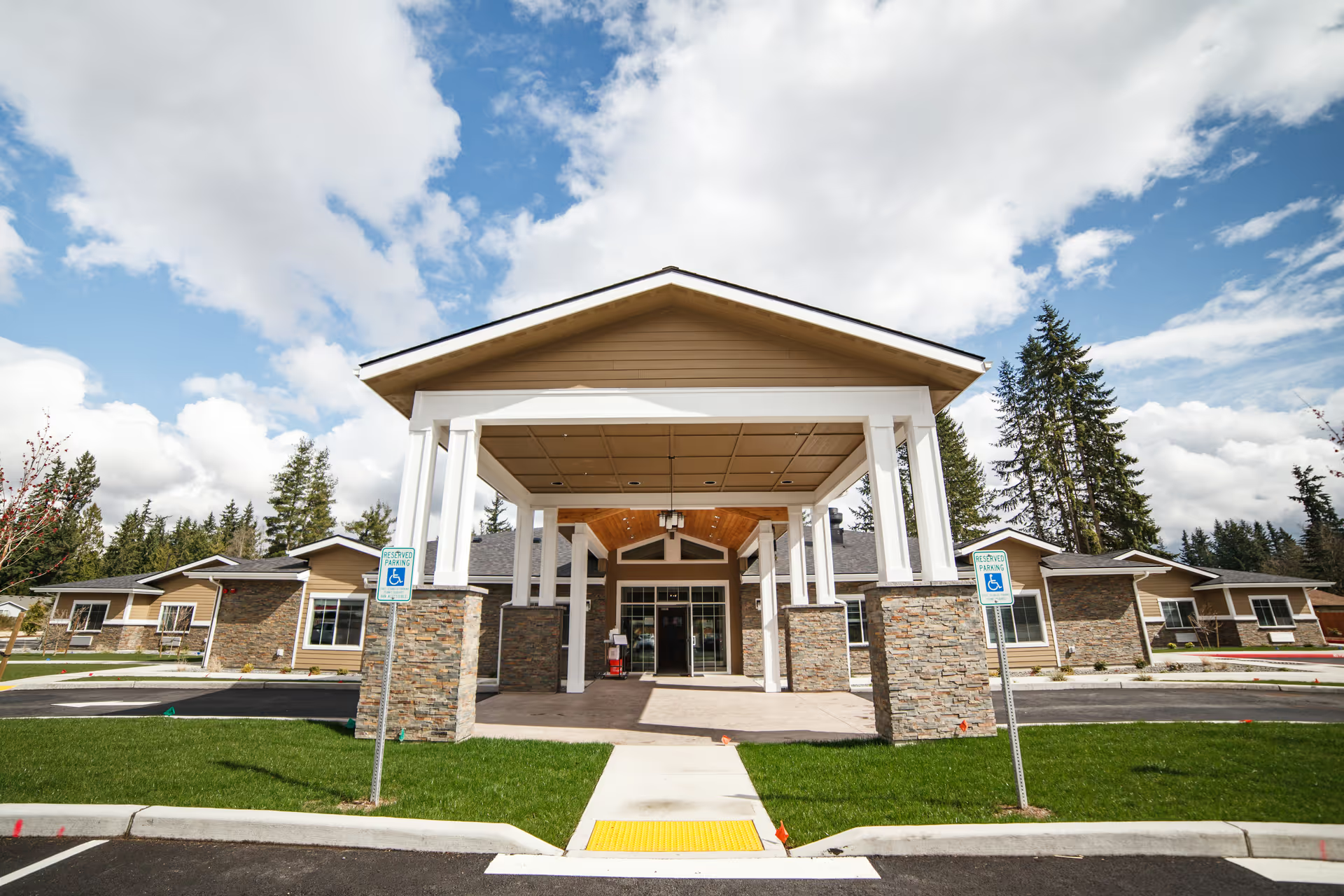
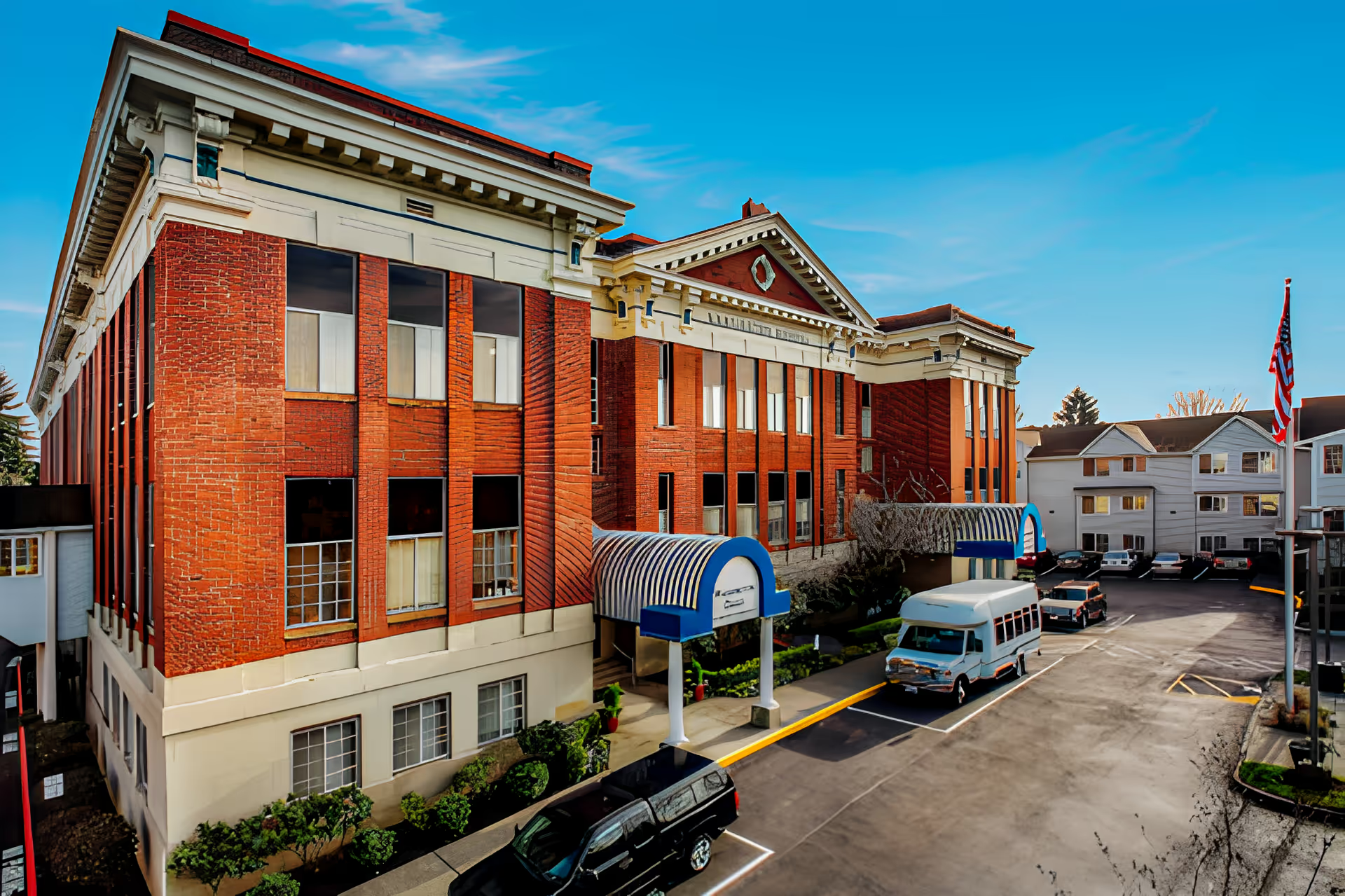
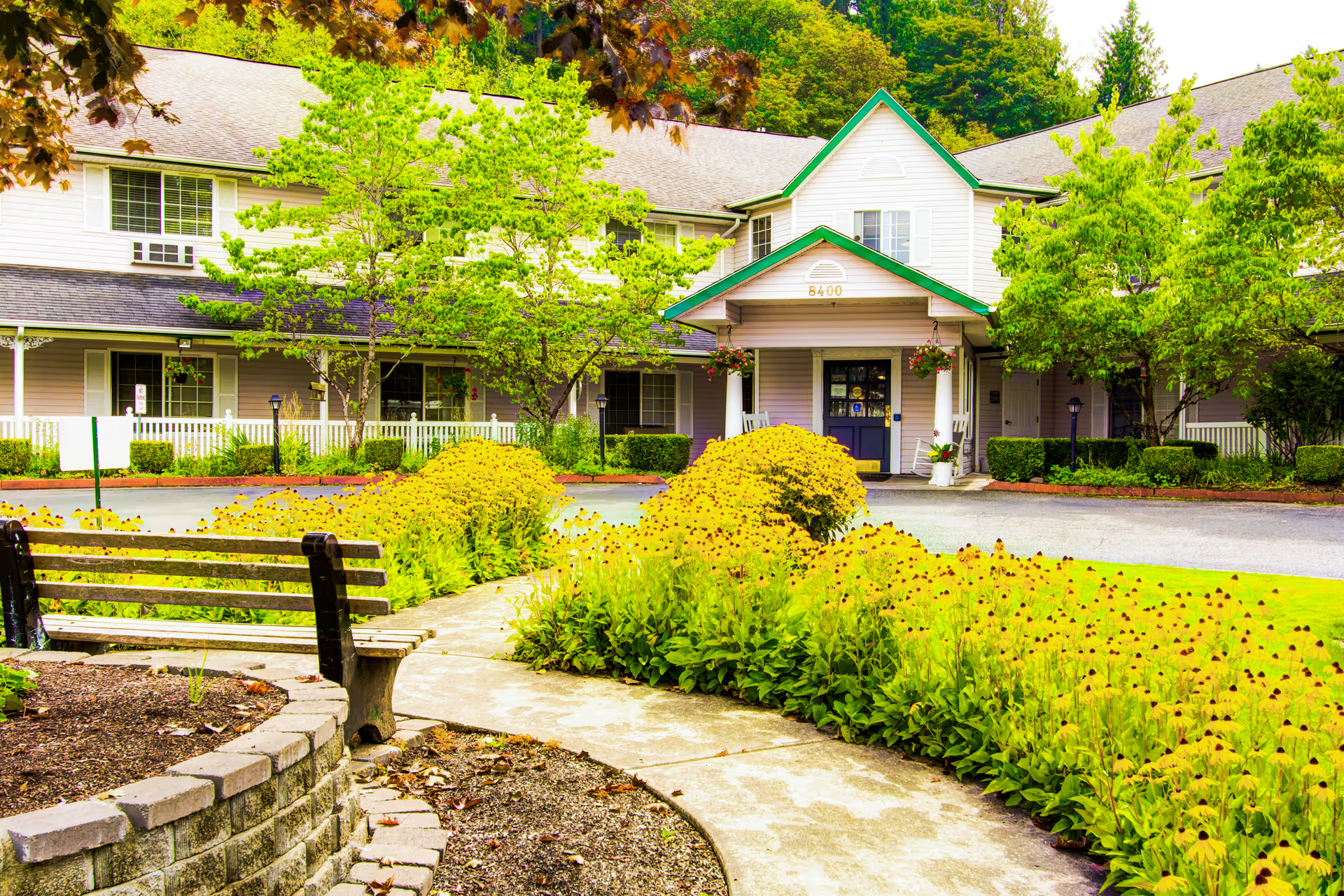
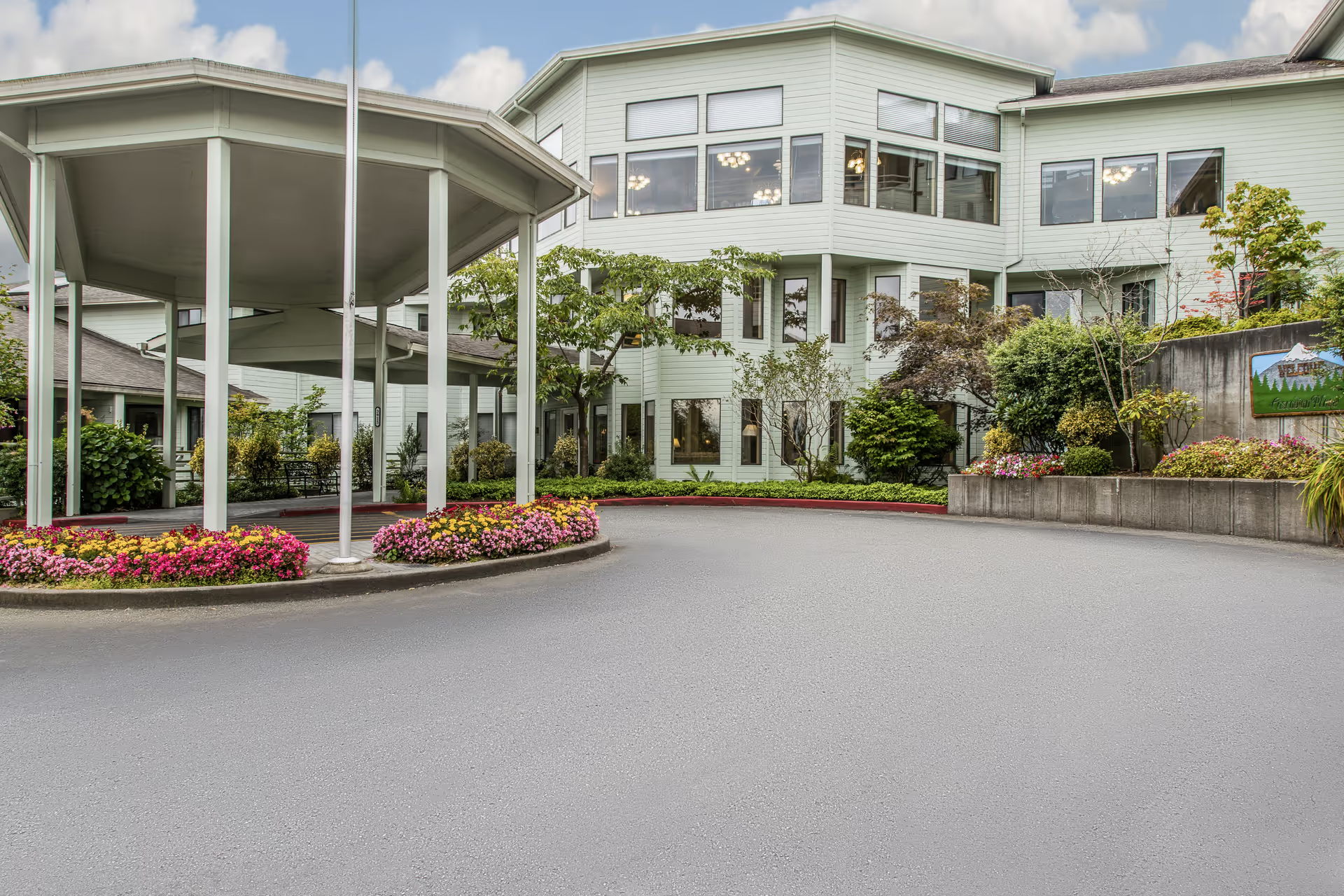
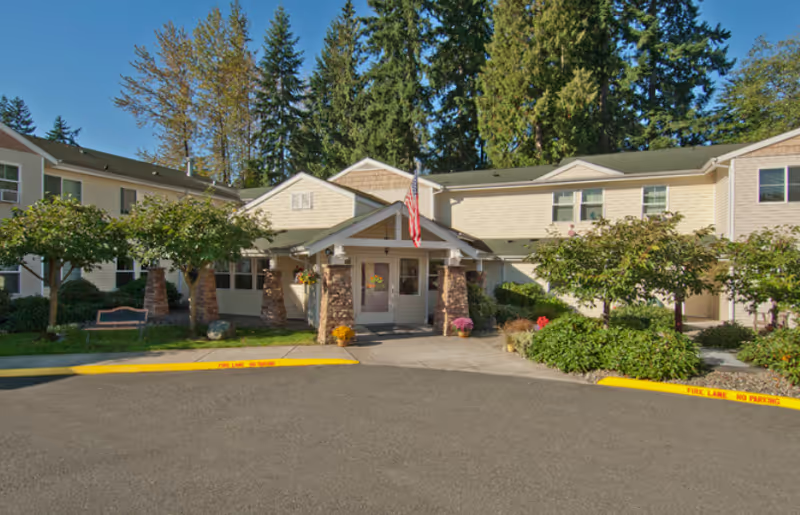
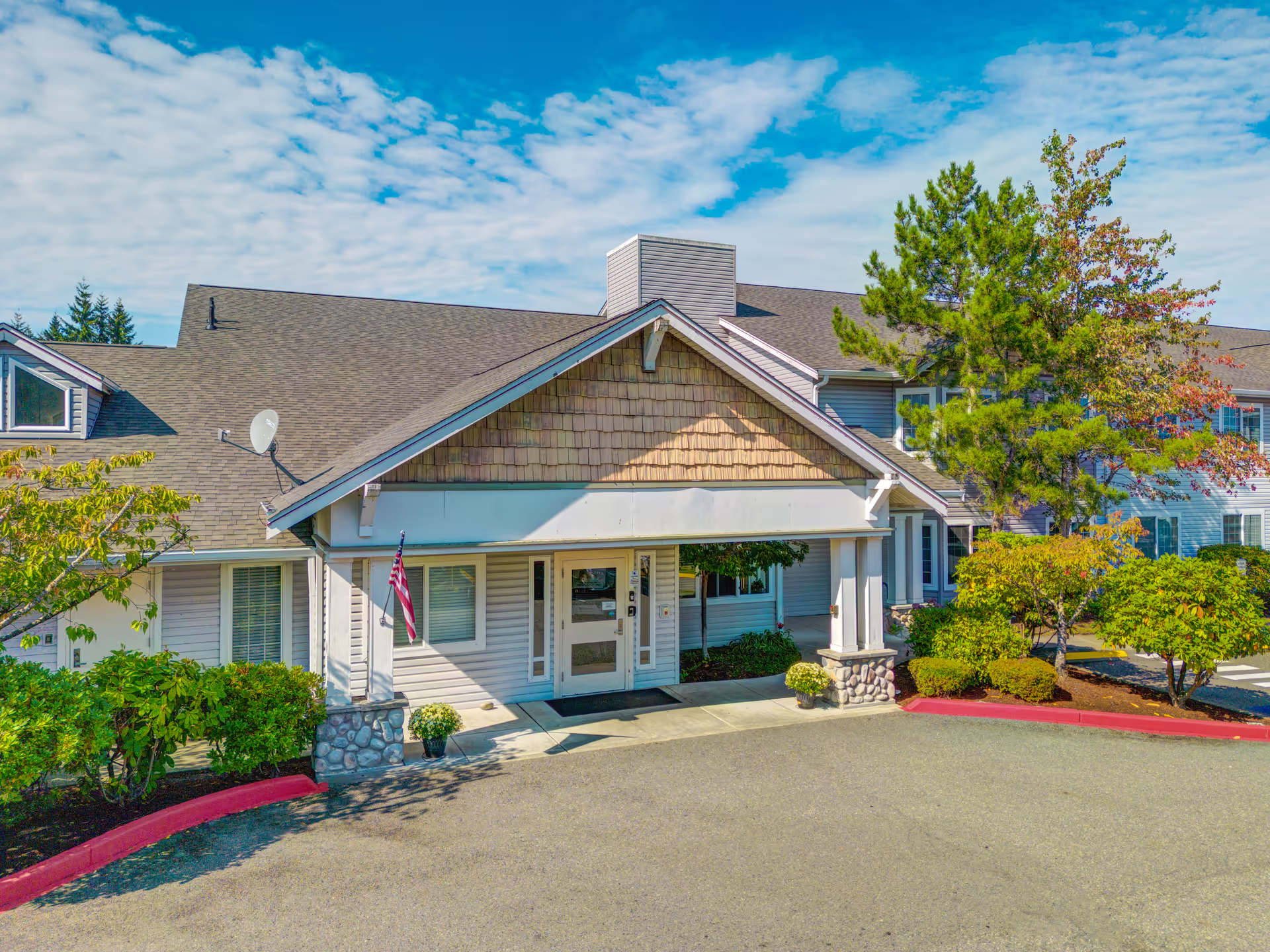
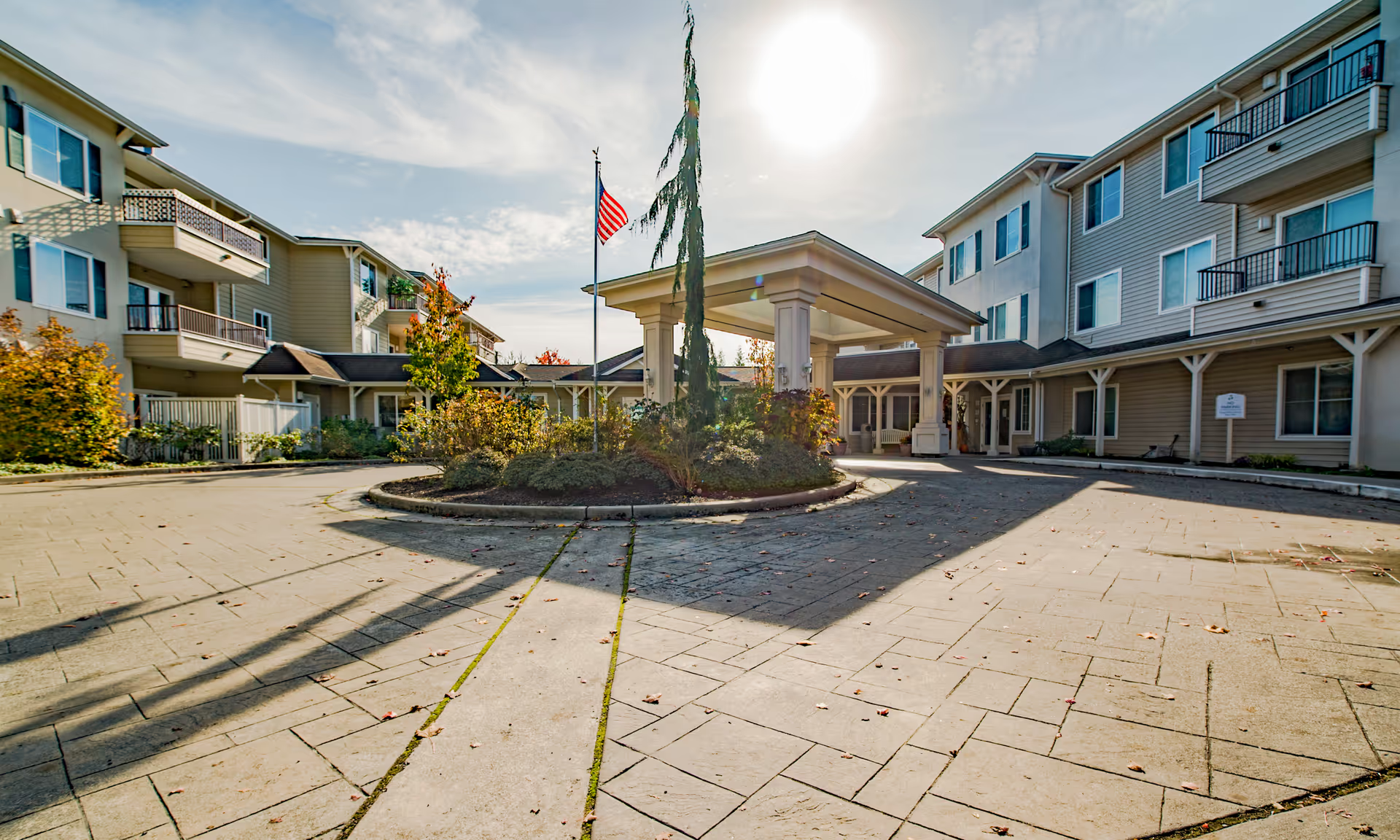
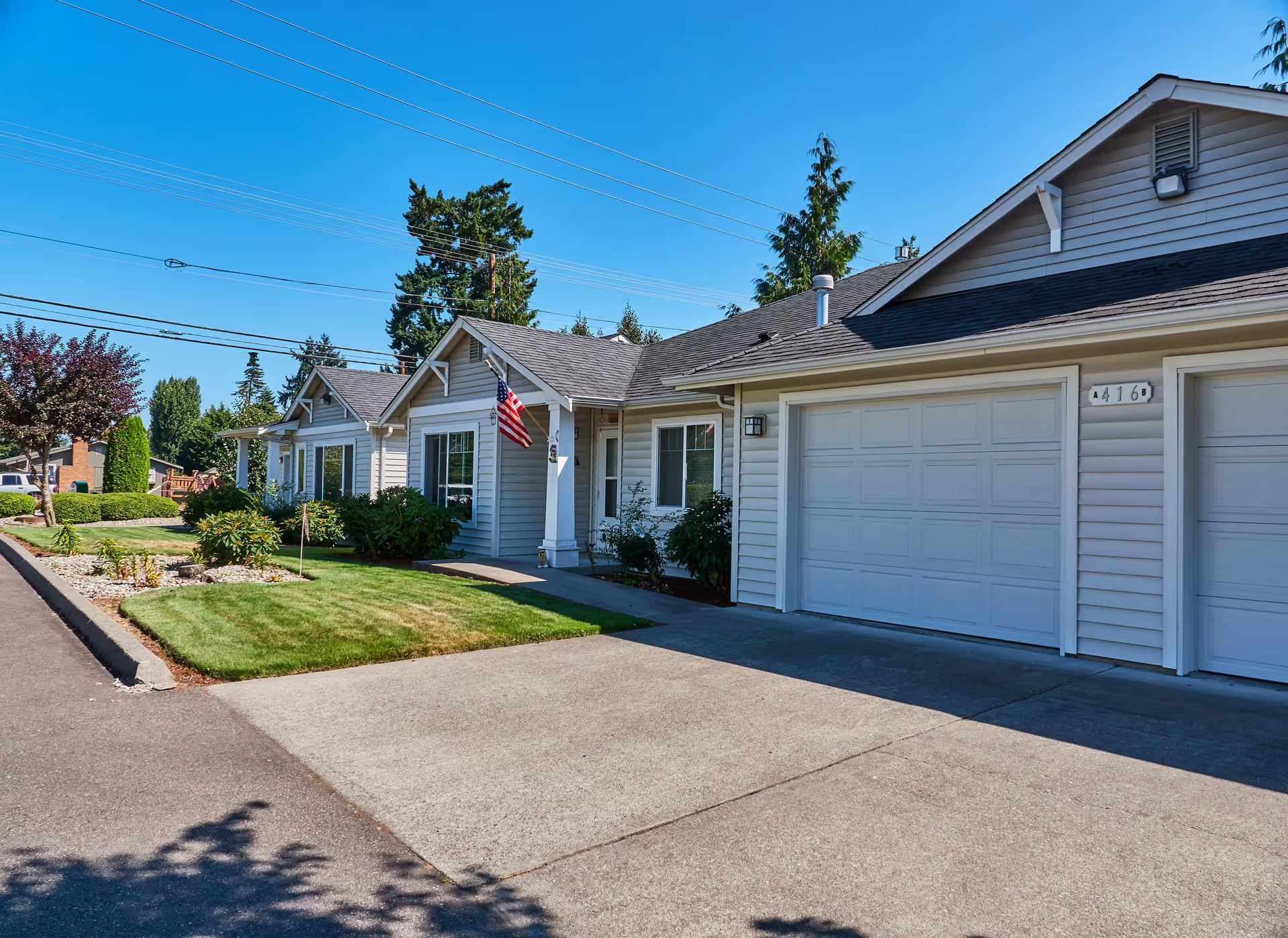
Windsor Square presents as a community with several operational strengths alongside areas that warrant careful review. Strengths include a secure, centrally located campus with gated outdoor space and a pleasant central courtyard. Apartment units are frequently described as spacious with good natural light, generous storage, and accessible features such as walk-in tub modifications. Common areas and amenities — game and billiards rooms, exercise facilities, a library, and an on-site hair salon — support an active lifestyle, and services such as transportation, housekeeping, laundry, and ample parking contribute to convenience and perceived value.
Staff and care culture are prominent positives for many families. Numerous accounts describe courteous, accommodating, and compassionate employees who create a family-style atmosphere; some families note long staff tenure and continuity. At the same time, there are recurring operational concerns about staffing patterns: limited front-desk coverage, absence of staff after standard business hours, and reduced activity offerings in the evenings and on weekends. These patterns align with the community’s strong orientation toward independent living and suggest that Windsor Square may be best suited to residents who require limited clinical support and can tolerate limited after-hours on-site coverage.
Dining and activities are frequently highlighted as central to resident life. Many reviewers praise hot, varied meals, family-style service, special touches (homemade rolls, happy hour events), and the availability of alternate meal choices and twice-daily delivery. Conversely, there are inconsistent accounts of food quality and menu execution over time; some families perceive a decline in dining standards associated with management changes. The activities program is broad — bingo, arts and crafts, card games, puzzles, outings — but participation and the visibility of activities may be lower after hours.
Facility condition and operations show mixed signals. Several reviewers describe clean, well-kept hallways and common areas, while others point to an older building that would benefit from refresh and to variable maintenance responsiveness (missing fixtures, delayed repairs). There are also mentions of sanitation and odor control inconsistencies in parts of the facility. Operationally significant issues include gaps in personal-property controls and follow-up when items go missing, plus concerns about communication and responsiveness from office staff in certain instances.
Management and consistency of service are a notable theme. Some families have experienced steady, helpful leadership; others describe leadership transitions and a perceived decline in standards under new management, including dissatisfaction with food, staff attitude, and pricing trends. A small number of serious individual concerns were raised, including missing personal property and questions following a resident’s death; these are isolated in the dataset but are important to verify directly with the provider and during a visit.
Recommendations for prospective residents and families: visit at different times of day (including evenings and weekends) to observe staffing levels and after-hours programming; have a meal on-site; speak with current residents about daily life and staff responsiveness; ask management for written staff schedules, maintenance response timelines, and policies for personal-property handling; and confirm the facility’s ability to meet higher-acuity needs or alternatives if care needs change. Overall, Windsor Square may be a good fit for independent older adults seeking an affordable, community-oriented setting with active programming, but families should perform due diligence on staffing hours, maintenance practices, dining consistency, and management stability before committing.