Most reviews describe Pleasant Hill Post Acute as a supportive rehabilitation setting, with residents and families frequently praising therapy and reporting improved mobility, strength, or readiness to return home. Physical and occupational therapy are recurring strengths: reviewers describe therapists as encouraging, attentive, and effective at adapting sessions to residents’ needs. Several people mention repeat stays or recommend the facility based on earlier experiences.
Nursing and CNA care is also commonly characterized as kind, patient, and responsive. Residents appreciate help with daily needs and describe feeling safe and treated with dignity. Families often report that staff kept them informed, and reviewers praise case managers for answering questions and helping coordinate transitions home. Front-desk and administrative staff are frequently described as welcoming and helpful, though a few accounts raise concerns about communication and delays in discharge or admission-related follow-through.
Dining feedback is generally favorable. Reviewers mention enjoyable meals, good nutrition, and accommodations for dietary preferences, including vegetarian options and alternative choices. A few comments describe meals as inconsistent, including breakfast arriving cold and a broader concern that food quality could improve. Activities are another positive theme: residents mention bingo, cooking, concerts, painting, coffee gatherings, and an activities director who helped make days more engaging. The patio and opportunities to socialize are also appreciated.
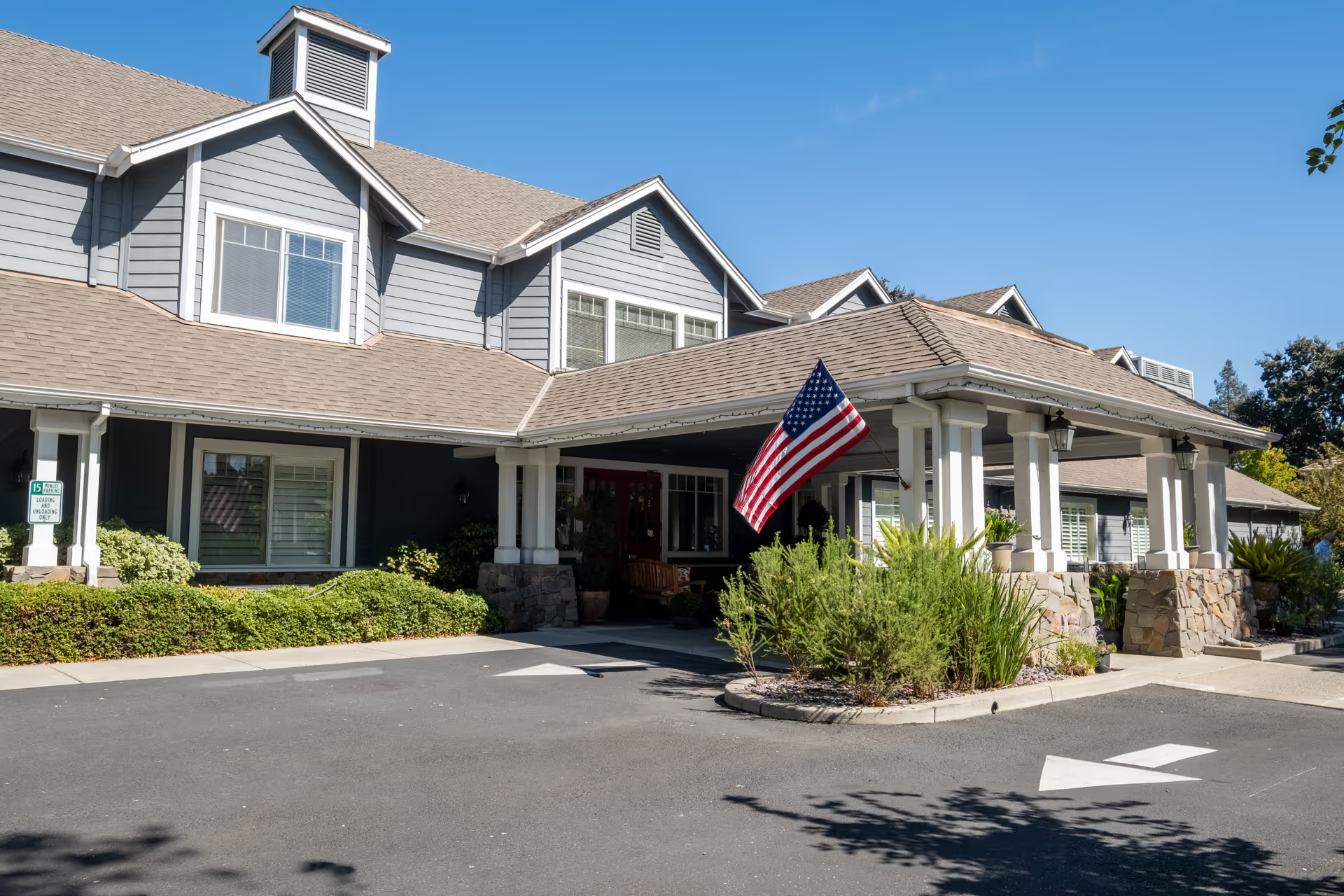
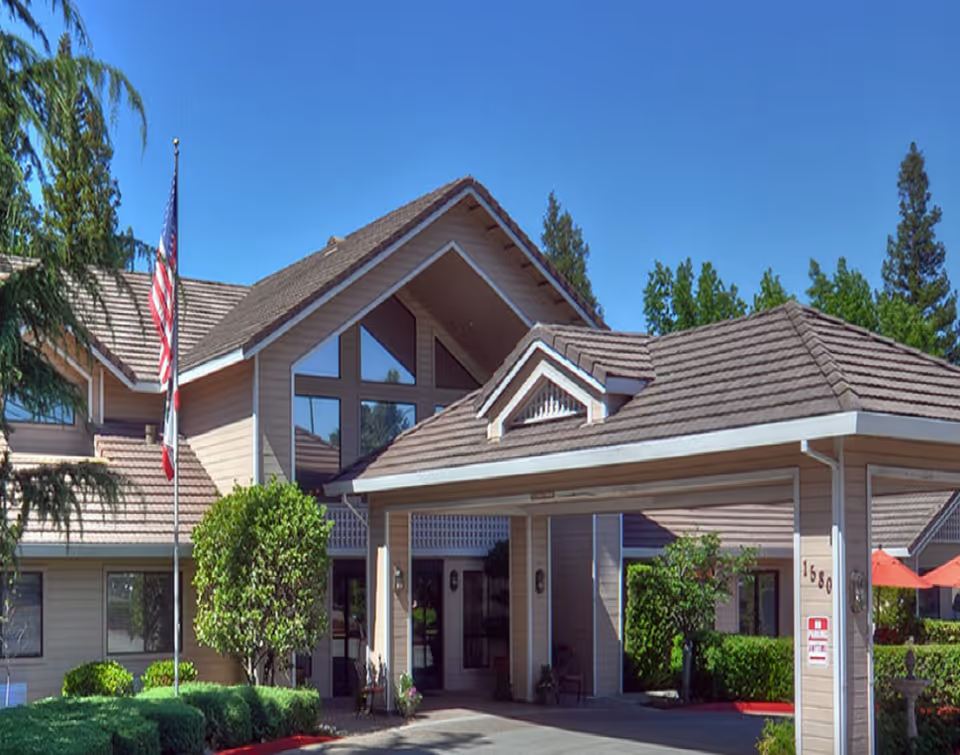
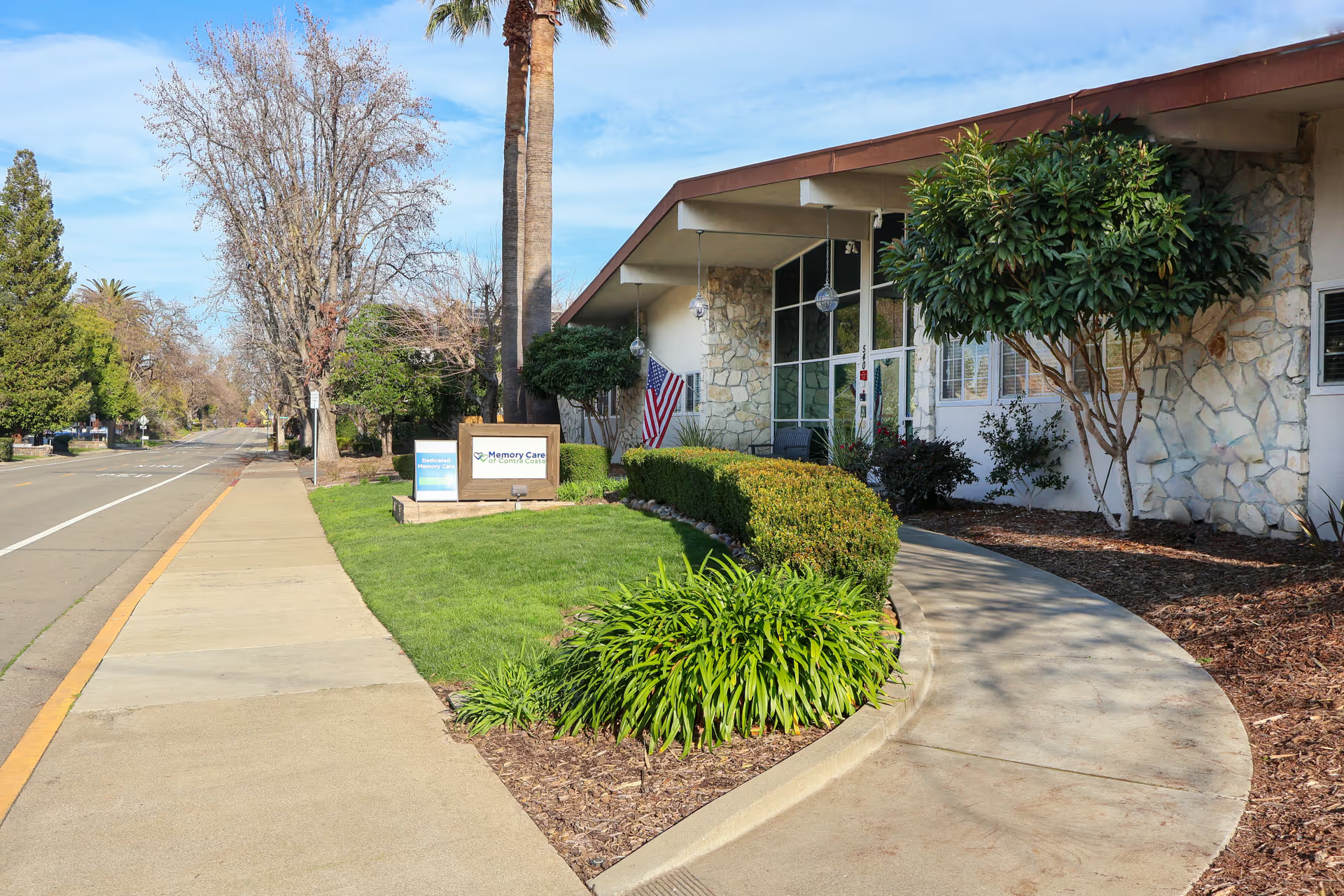
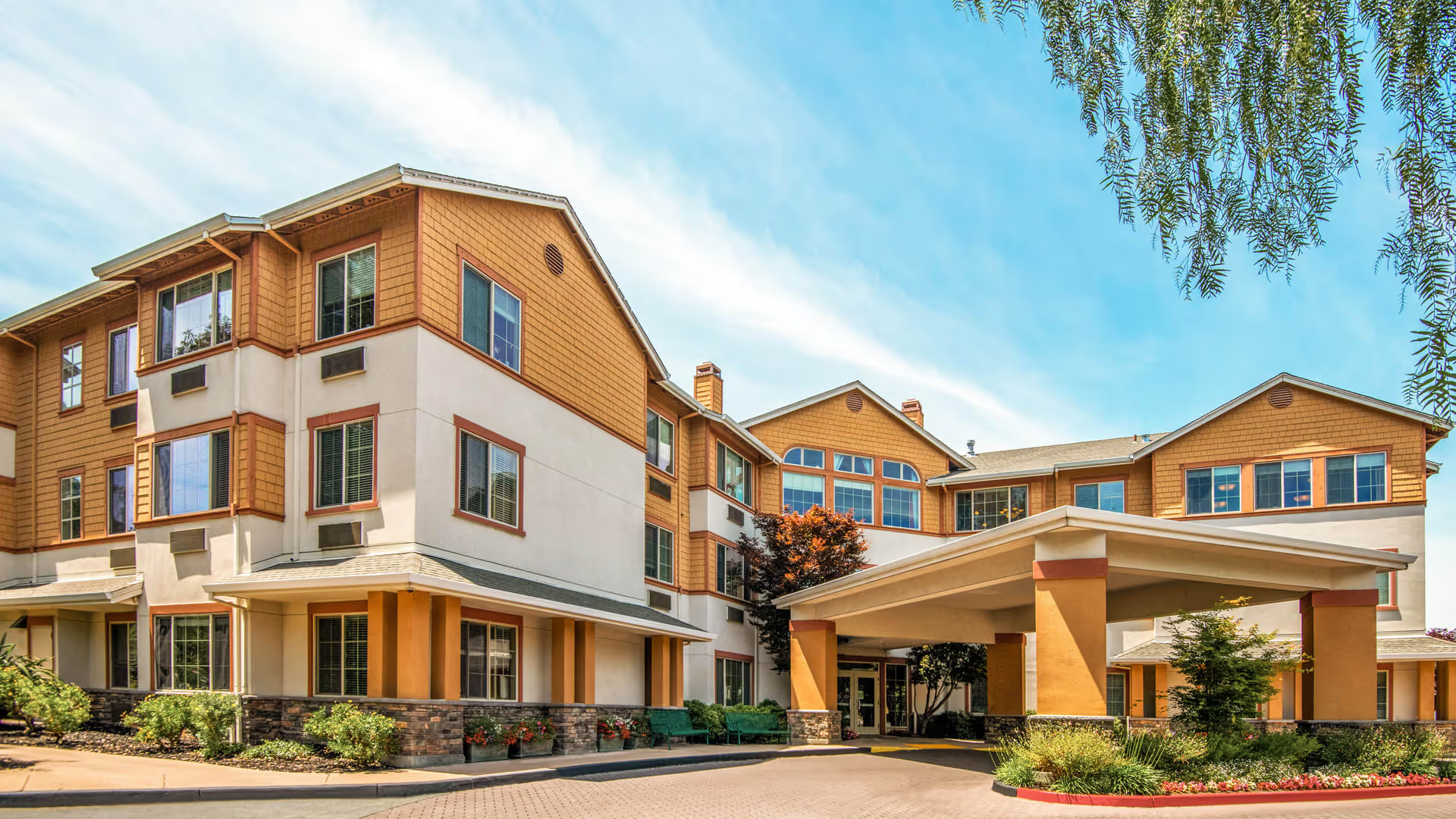
The facility is often described as clean, comfortable, and welcoming, with positive comments about visitor assistance and the overall environment. However, two accounts raise important care-process concerns: one describes a mismatch between a fall-risk assistance plan and the support provided, along with dissatisfaction about the time and communication involved in leaving; another family questioned wound monitoring and rehabilitation progress, reporting that the resident returned home with significant wounds and limited mobility, later experienced serious complications, and died. These are serious individual accounts and do not establish causation, but they warrant families asking how care plans, wound monitoring, therapy progress, and escalation of concerns are handled. Overall, the reviews are strongly positive, with these concerns and occasional dining or communication issues standing out against a broader pattern of favorable feedback.