Aspire at Evans elicits strongly mixed impressions. Several reviewers praise the facility’s therapy teams, certain nursing units, and the memory-care wing, while others describe operational weaknesses that materially affect day-to-day care. The overall picture is one of unit-level variability: some areas and staff are viewed as professional and attentive, while other parts of the operation appear to struggle with staffing, communication, and environmental controls.
Care quality is uneven. Physical and speech therapists receive frequent positive comments for effective rehabilitation work, and some nurses and a head nurse are described as compassionate and knowledgeable. At the same time, reviewers indicate persistent staffing shortages and workload pressures that lead to long waits for assistance, delayed medication delivery, and inconsistent clinical monitoring. Several accounts describe early discharges or gaps in post-acute therapy continuity that adversely affected mobility outcomes; this suggests discharge planning and therapy handoffs can be inconsistent.
Staff and communication issues are common themes. Families report a mix of helpful social-work support and instances of dismissive or short-tempered conduct from front-desk and case-management staff. The telephone system and after-hours contact procedures are repeatedly noted as unreliable, and call-button response times are described as prolonged in multiple accounts. Language proficiency and training gaps among some direct-care staff are also mentioned, which can affect clarity of communication and care execution.
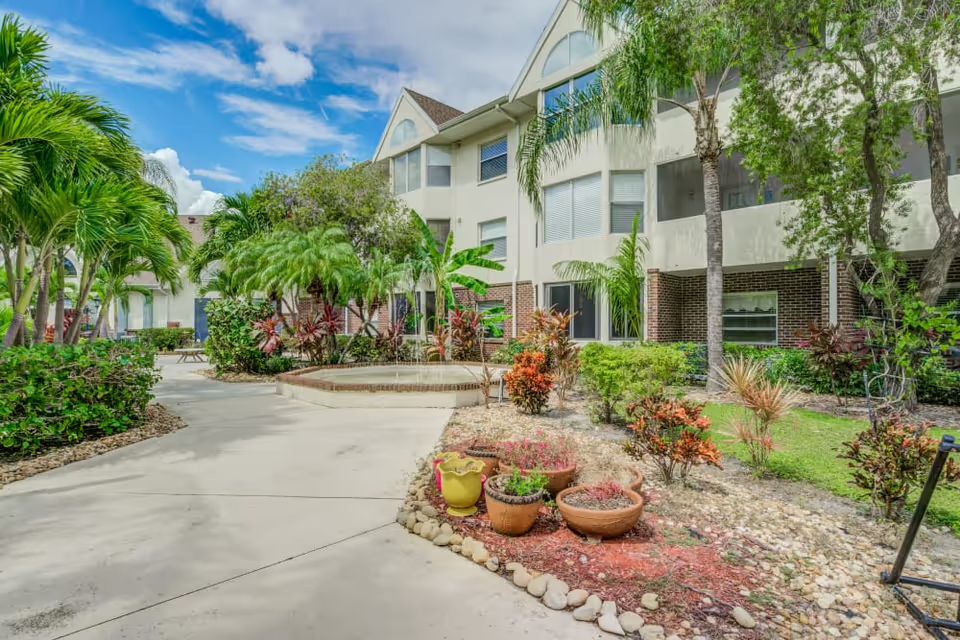
Dining and activities present mixed results. Meal quality is described as inconsistent: some meals arrive hot but reviewers cite repetitive menus, incorrect trays, and frequent meal errors. Activities are available and the courtyard is an amenity, but programming appears constrained by therapy schedules, and weekend rehabilitation and activity coverage is limited, reducing continuity for short-term rehab residents.
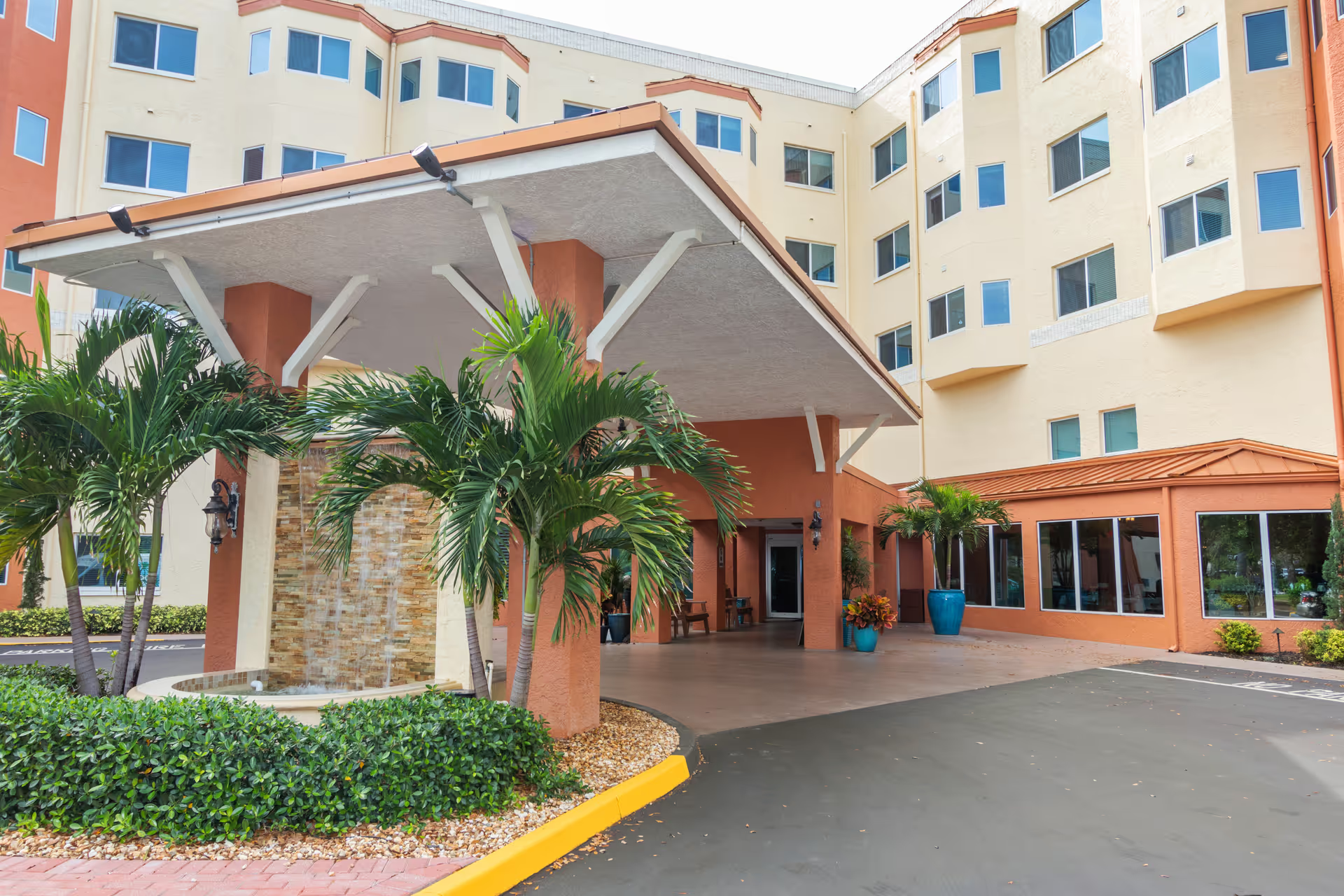
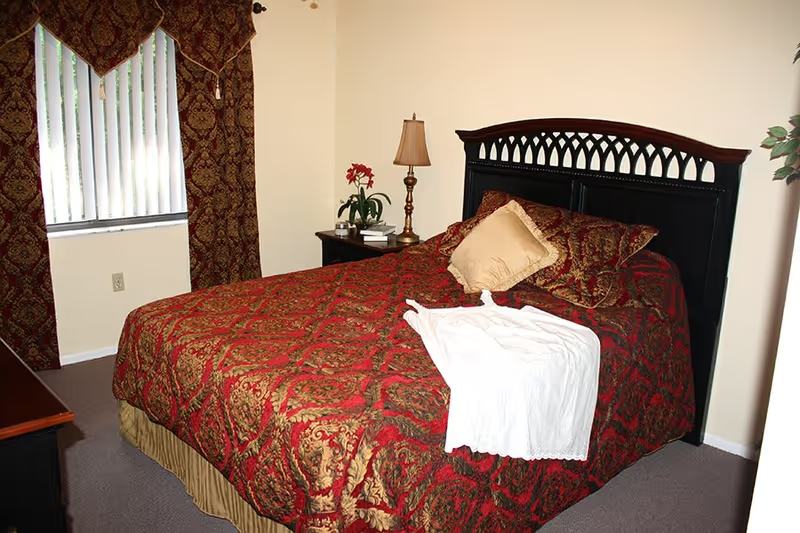
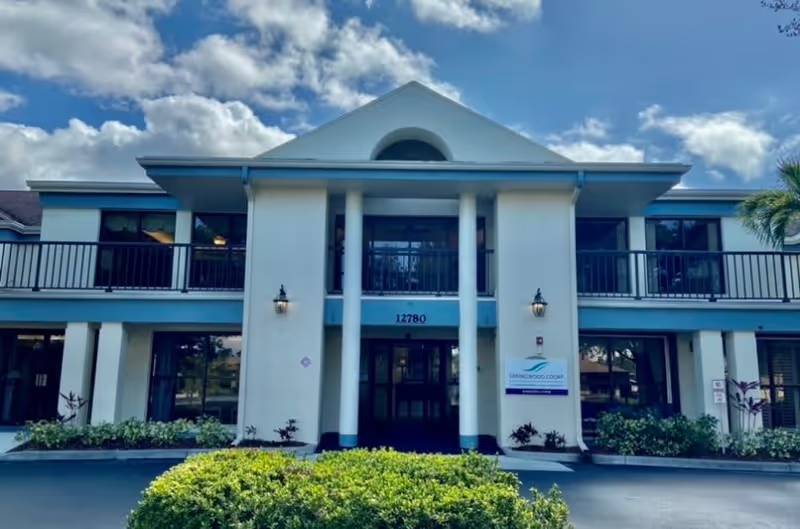
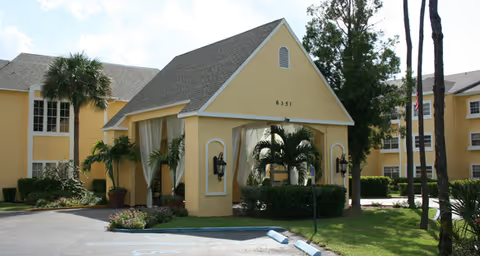
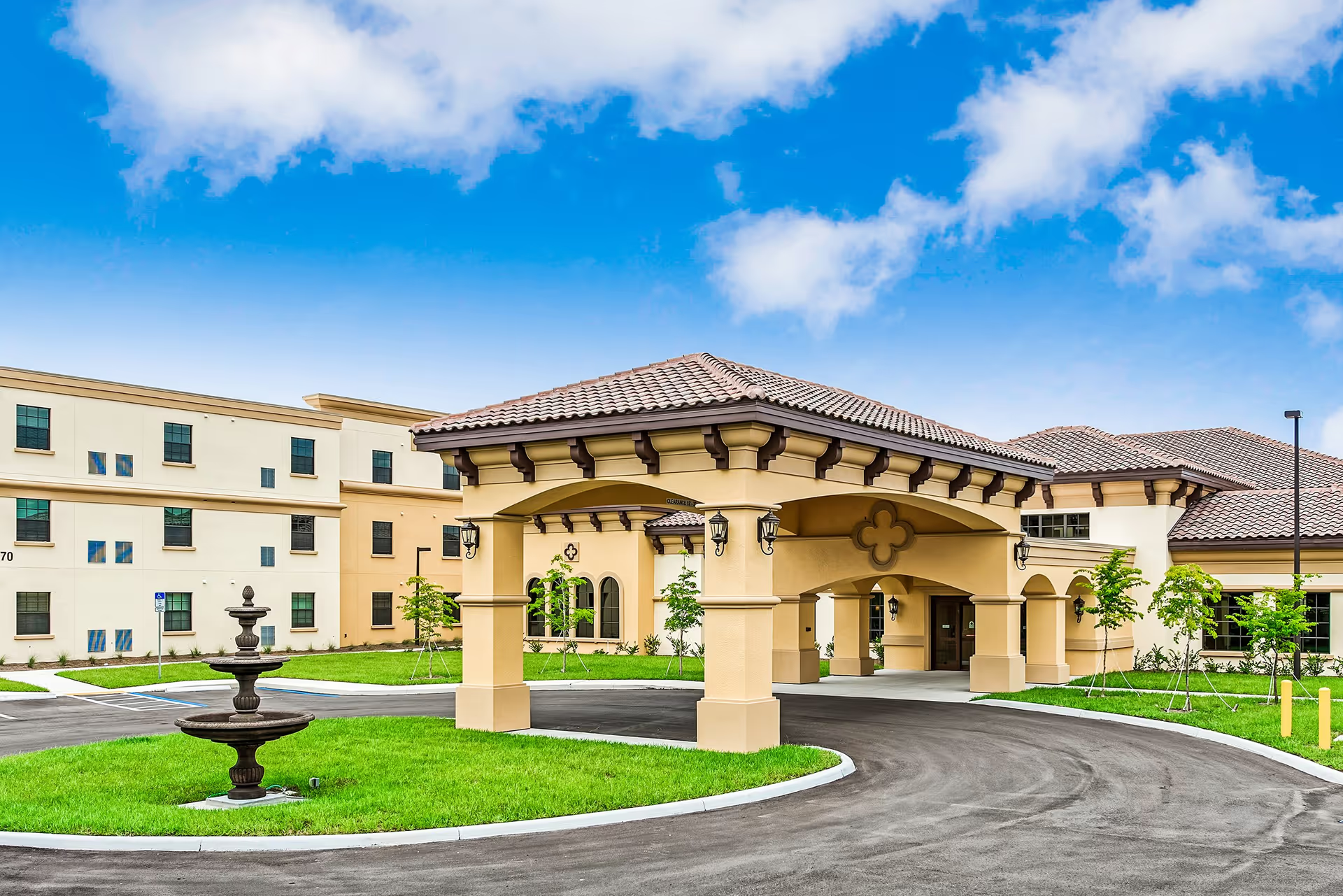
Facility condition and environmental controls show notable variability. Multiple reviewers raised sanitation and housekeeping concerns in resident rooms and bathrooms, along with maintenance issues such as toilet servicing; there are also pest-control concerns reported in parts of the building. Conversely, other visitors describe a clean, welcoming entrance and well-kept common areas, reinforcing the impression that cleanliness and upkeep may differ by unit or shift.
Management and safety patterns warrant attention. Some families describe constructive interactions with leadership and a helpful admissions director, while others felt management did not adequately address serious concerns. A small number of accounts referenced critical clinical events and expressed concerns following a resident’s death; families may wish to review the facility’s incident-reporting practices and any regulatory actions. Notable operational patterns to verify during a tour include staffing levels by shift, weekend therapy availability, call-response metrics, medication-administration protocols, housekeeping schedules, and pest-control measures.
In summary, Aspire at Evans appears to offer strong rehabilitative and memory-care resources in parts of the facility, with dedicated therapists and compassionate nurses in several units. However, prospective residents and families should be prepared to ask specific, unit-level questions about staffing, communication, sanitation controls, therapy continuity, and after-hours procedures to ensure the chosen unit meets their expectations and clinical needs.