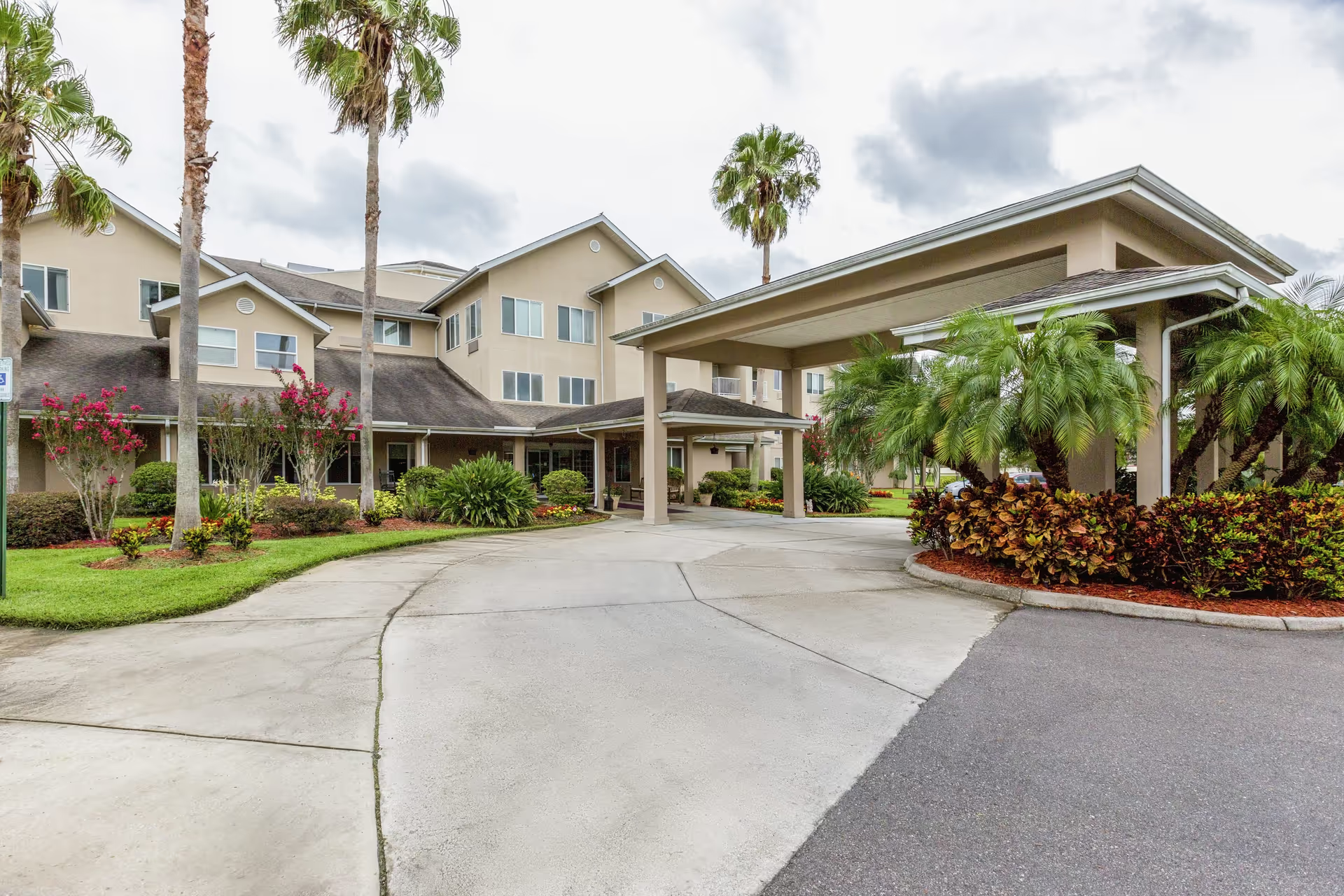
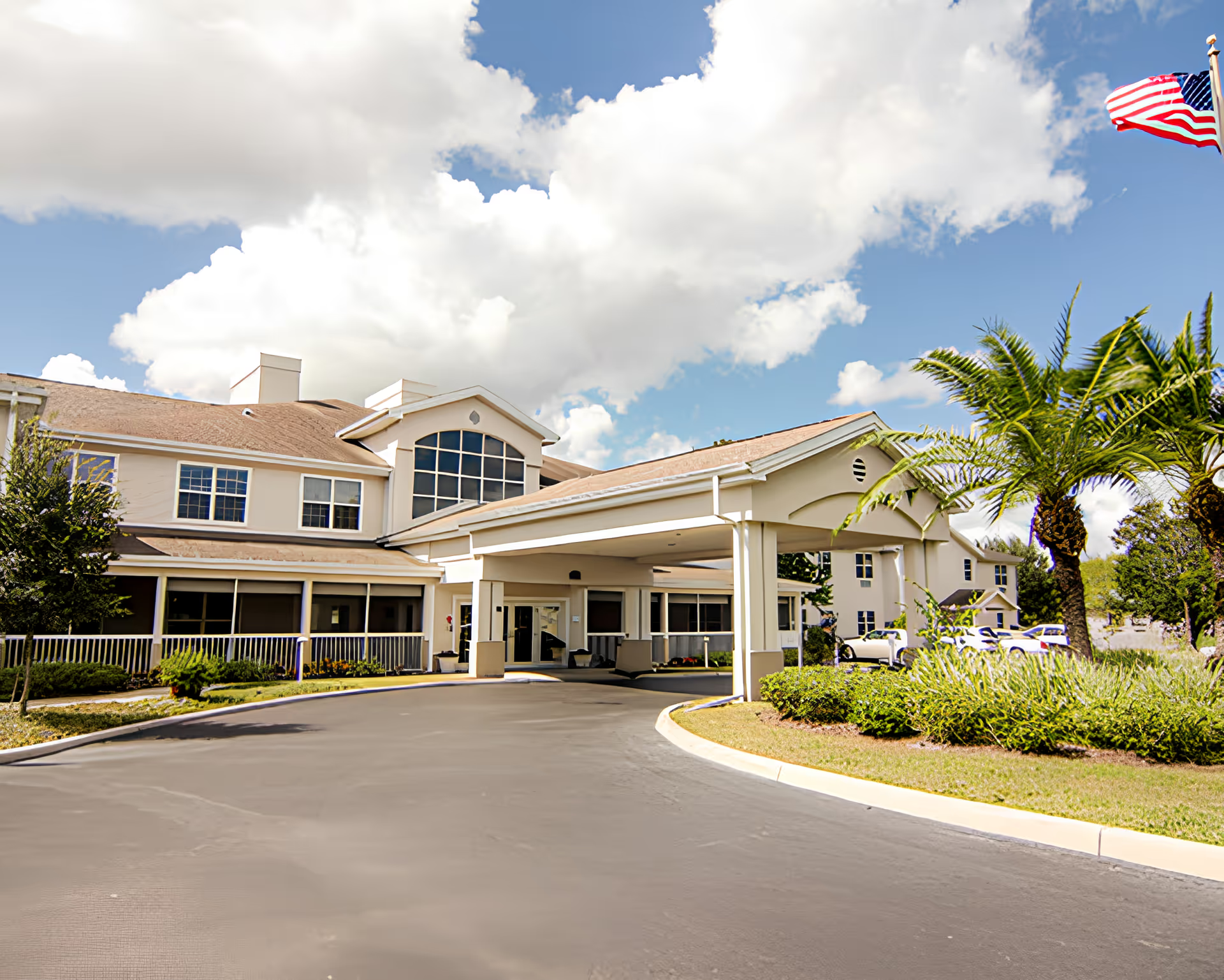
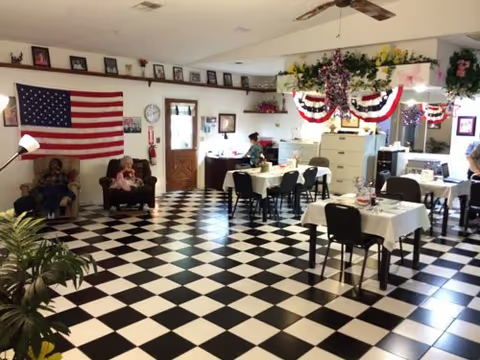
The Club at Lake Gibson Health and Rehabilitation Center elicits sharply mixed impressions. Many reviewers describe a high-end, resort-like campus with spotless interiors, private-suite options, attractive courtyards, and multiple dining venues. The facility is frequently praised for its cleanliness, comfortable rooms, and pleasant common spaces. Dining and hospitality elements receive strong positive comments: chef-prepared, varied menus, guest-meal options, and generally favorable food quality are recurring strengths. Activities and social programming are another clear asset, with creative events, lively group activities, and attentive social-services staff noted for coordinating celebrations and discharge planning.
Clinical and hands-on care is presented as uneven. Numerous reviews commend CNAs, nurses, and therapy teams for compassionate, competent bedside care and robust rehabilitation services, including daily PT/OT and effective discharge coordination. At the same time, a significant subset of reviews raises operational clinical concerns: inconsistent medication administration (including missed or delayed medications), gaps in wound-care and infection oversight, and instances of care escalation that led to hospital transfer or hospice transition. These accounts point to weaknesses in clinical oversight and medication-safety controls that merit close attention from families and regulators.
Staffing and responsiveness are recurring themes. Positive accounts highlight warm, helpful front-desk staff and social-services professionals who facilitate admissions and visitor experiences. Negative accounts point to variable professionalism, phone distraction on shifts, long call-bell response times (10–30 minutes in some accounts), and an impression of being short-staffed during certain shifts. These operational issues appear to be associated with uneven care continuity across shift changes and occasional delays in mobility assistance, bathing, or meal service.
Management and administrative practices show a similar mix. Several reviewers praise specific administrative and social-services employees for above-and-beyond efforts and clear communication, while others describe breakdowns in authorization handling, discharge coordination, and family follow-up. One allegation that staff were instructed to mislead families about care situations was made and should be investigated; more broadly, the pattern in critical reviews suggests room for improvement in transparent, consistent family communication and escalation protocols.
For prospective residents and families: the facility offers strong physical amenities, engaging programming, and notable clinical strengths in rehabilitation and bedside care when staffing and oversight are functioning well. However, the pattern of concerns around medication administration, inconsistent wound and infection oversight, variable responsiveness to call bells, and administrative coordination gaps indicates the need for careful, ongoing monitoring. Families considering this facility should ask for current staffing ratios, medication-safety and wound-care protocols, typical call-bell response metrics, and examples of recent quality-improvement actions; during any stay, active communication with social services and direct observation of shift-to-shift consistency will help identify whether the facility’s strengths are reliably sustained.