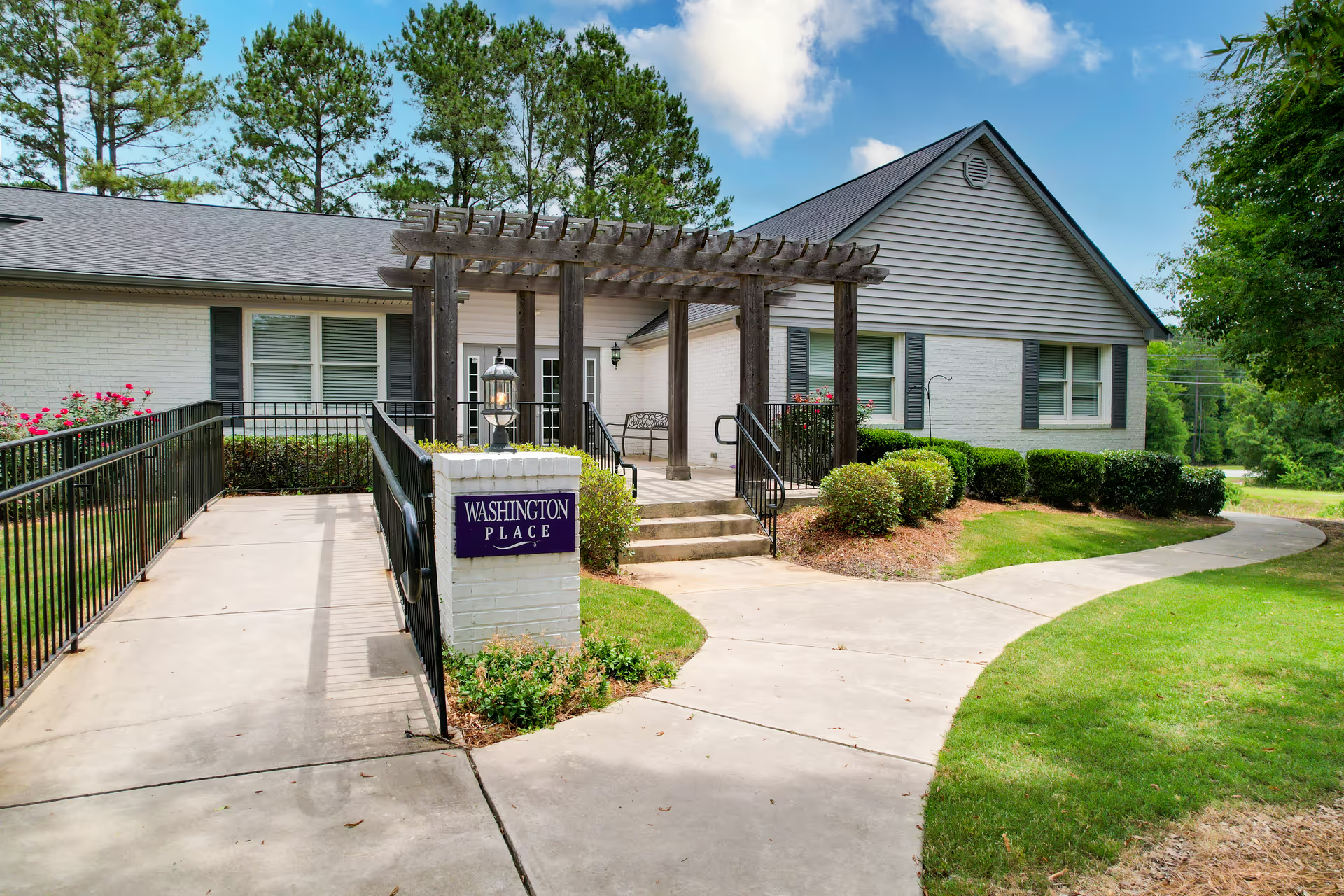
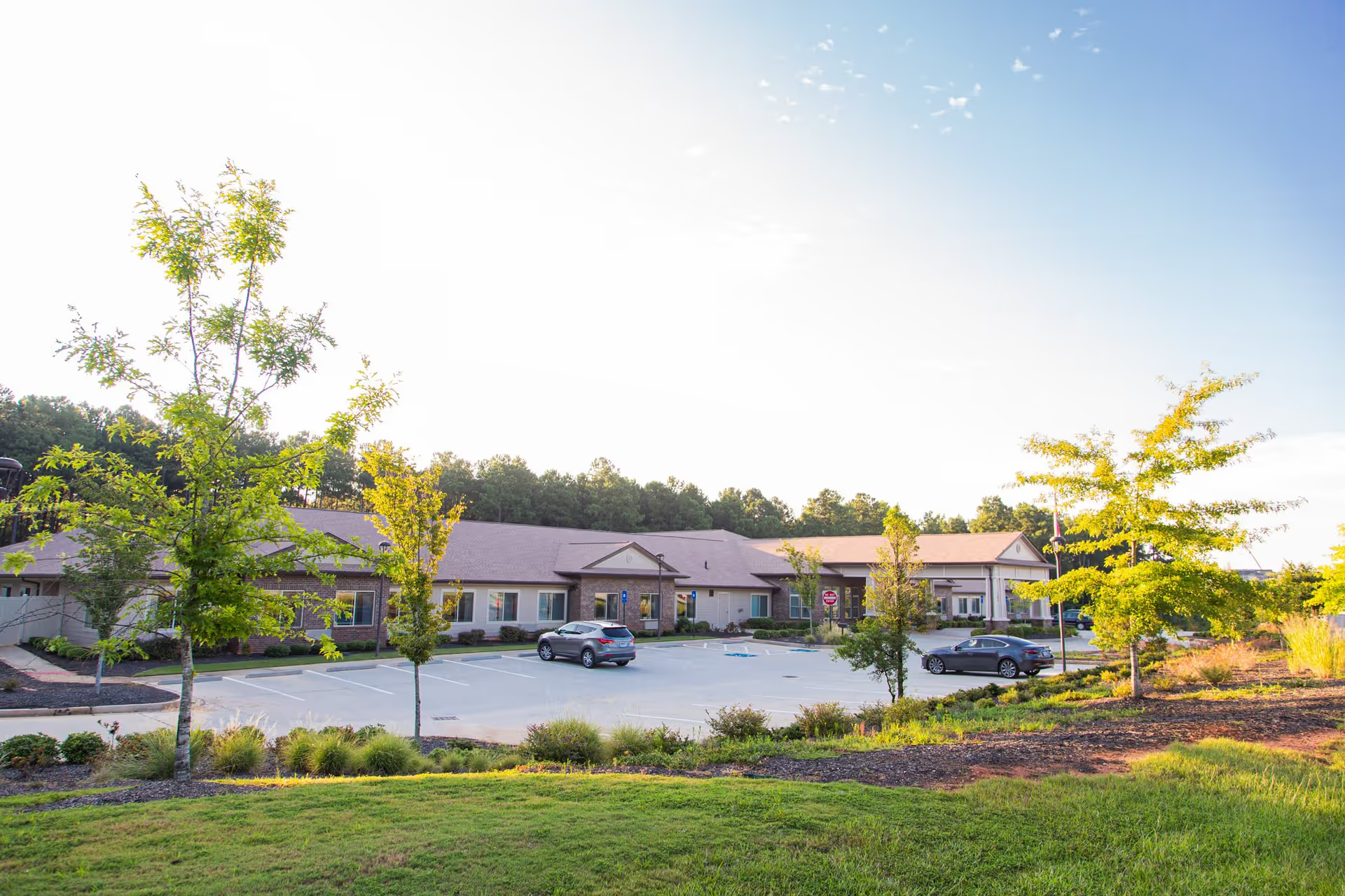
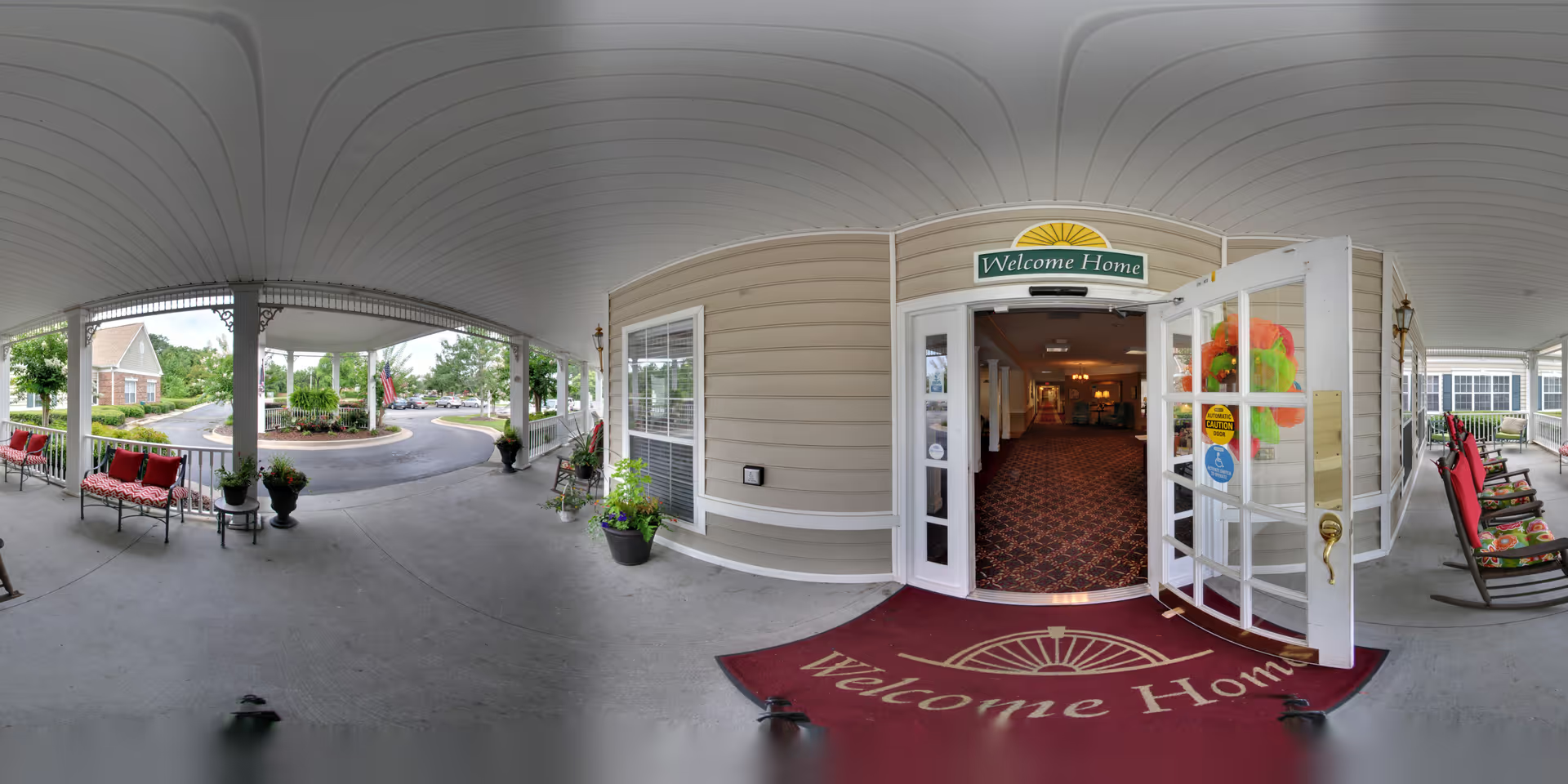
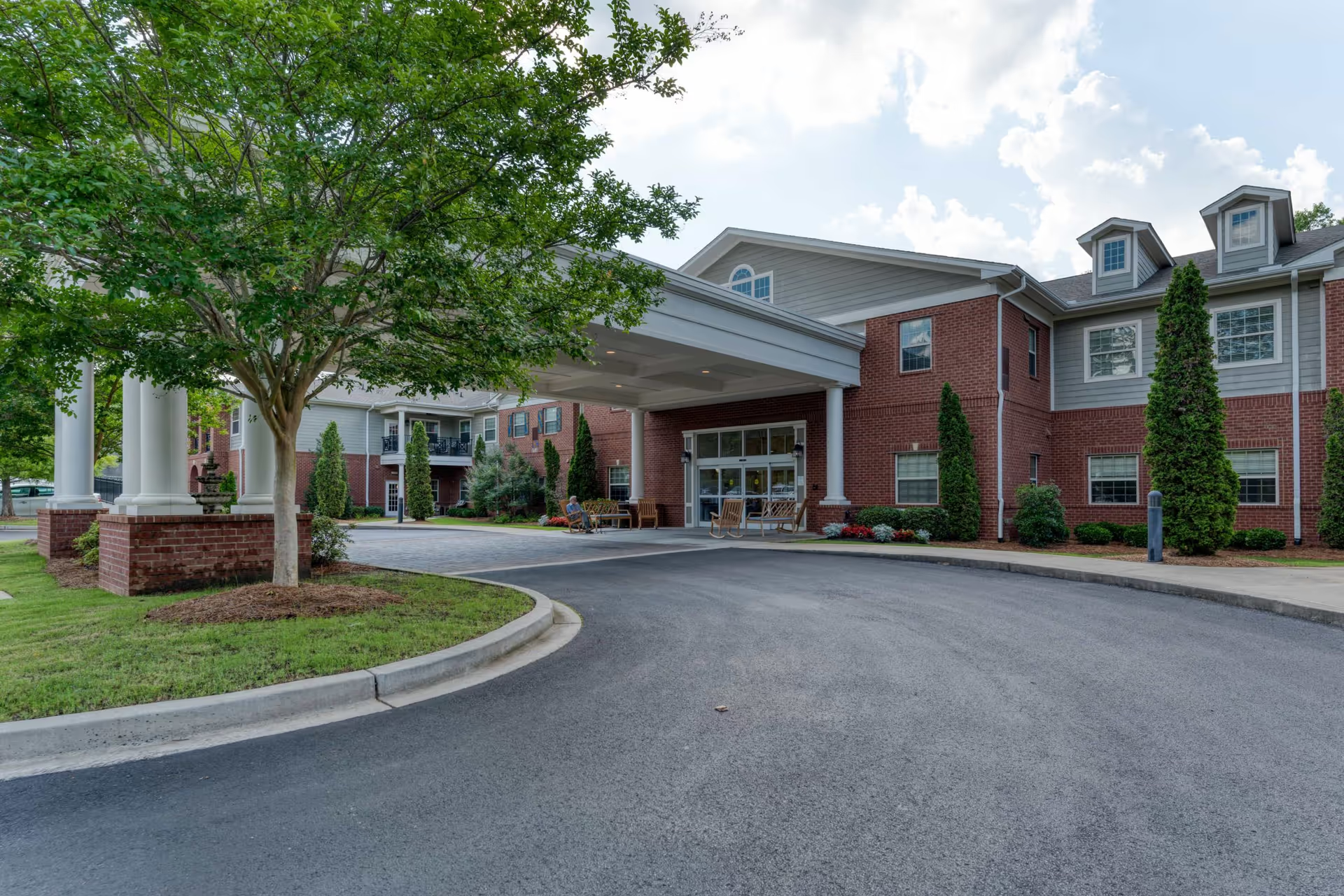
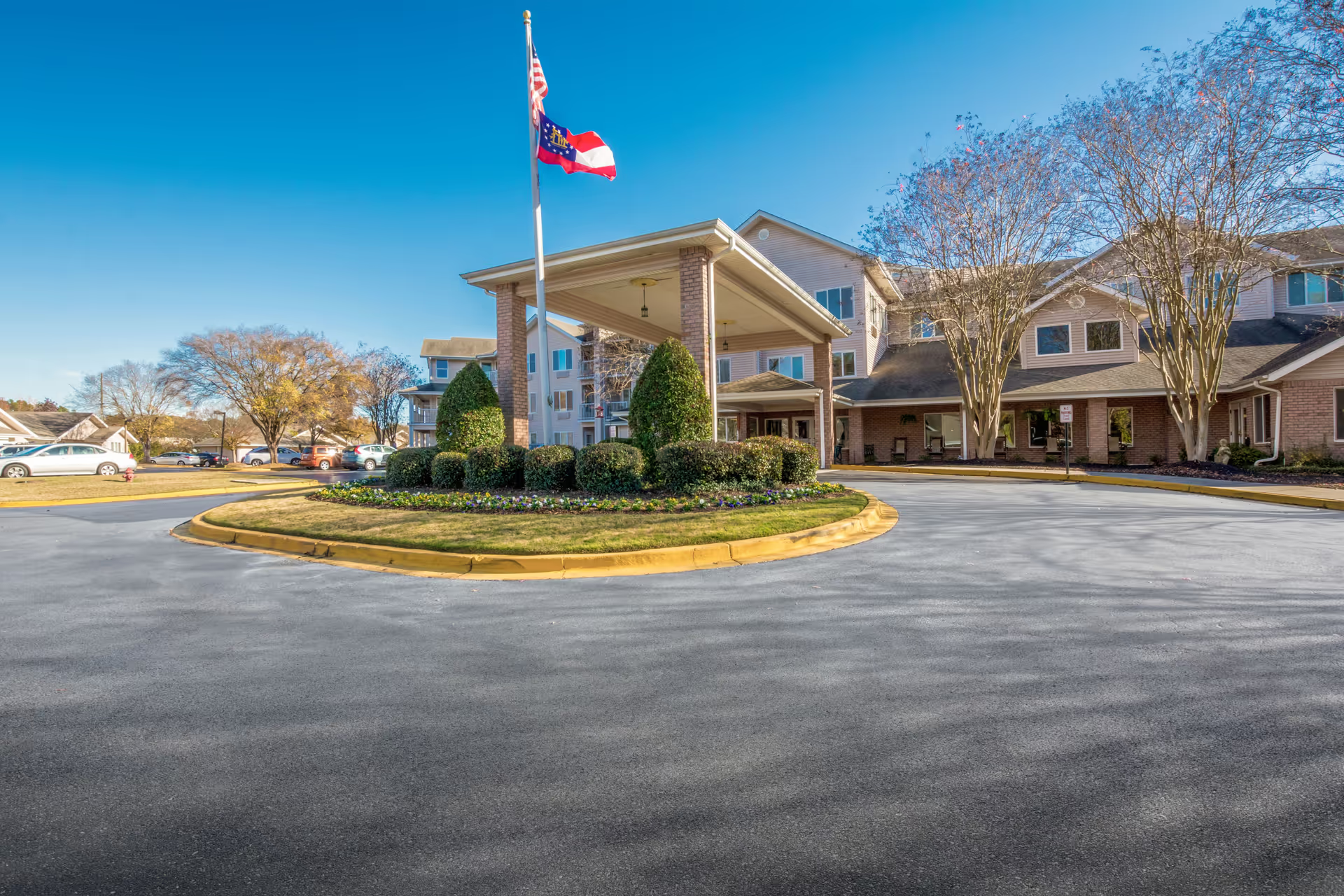
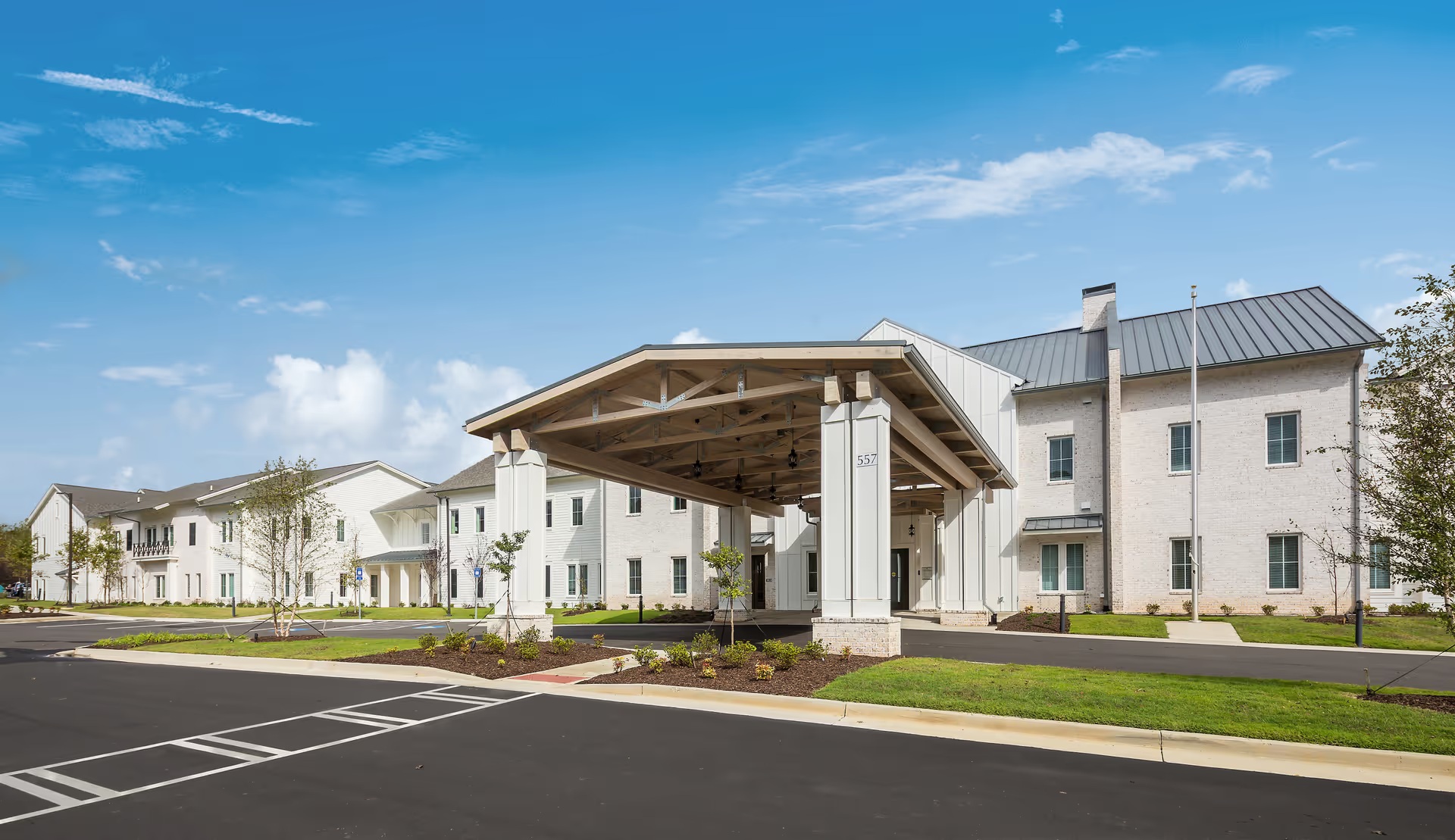
Lake Crossing Health Center elicits a mixed but distinct pattern of strengths and operational weaknesses. Positive observations emphasize compassionate bedside care, particularly from CNAs and therapy staff, and a facility that many families describe as clean, comfortable, and home‑like. The rehabilitation/physical-therapy program receives consistent praise for improving mobility and function; dining offerings (cafeteria and in-room service) and meal quality are also noted favorably. Rooms and common spaces are described as well‑appointed, with private sitting areas and a welcoming atmosphere that some families characterize as family‑oriented.
Care delivery appears uneven across cases. Several accounts highlight attentive administration, thorough care plans, and clear family communication; others describe inconsistent communication, delays in responding to family inquiries, and instances where admissions or front-desk staff were unresponsive. Reviewers report variability in day‑to‑day staffing levels and timeliness of care, which aligns with concerns about understaffing and occasional delays in attending to resident needs. There are also recurring comments about variability in staff conduct and tone, from highly personable caregivers to instances perceived as impatient or brusque.
Clinical and operational risks raised by families focus on monitoring and coordination. Specific operational weaknesses include medication and pharmacy coordination delays, inconsistent nutrition or monitoring practices in some cases, and lapses in managing personal belongings and laundry. A notable pattern is gaps in the facility’s handling of significant clinical events: families describe a lack of timely notification or clear transparency following adverse changes in condition. These issues point to weaknesses in incident-response protocols and family-notification workflows rather than uniformly poor clinical skill.
Management and culture issues are another recurrent theme. Some families perceive an operational emphasis on cost or institutional priorities that may influence care decisions; others describe management‑staff tensions that can affect the work environment. At the same time, many frontline staff and clinicians receive positive mention for being caring and detail‑oriented. Prospective residents and families should weigh the facility’s strong therapy services, cleanliness, and many compassionate caregivers against the documented variability in communication, staffing consistency, and certain operational controls (medication coordination, personal-property management, and incident-response processes). For families considering placement, a recommended approach is to verify current staffing ratios, review the facility’s incident-notification policies, confirm pharmacy arrangements before admission, and arrange an in‑person meeting with admissions and unit leadership to assess responsiveness and local culture.