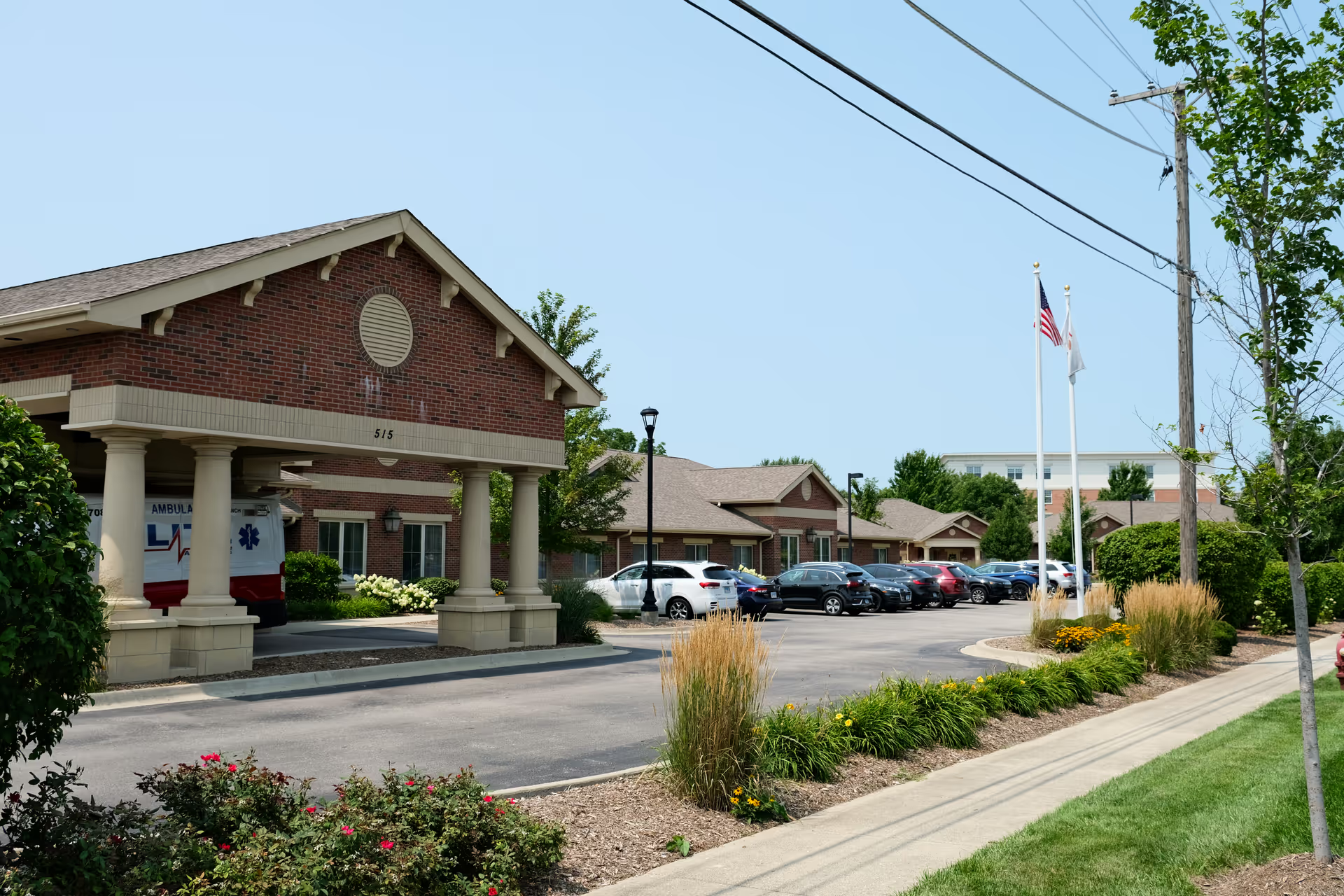
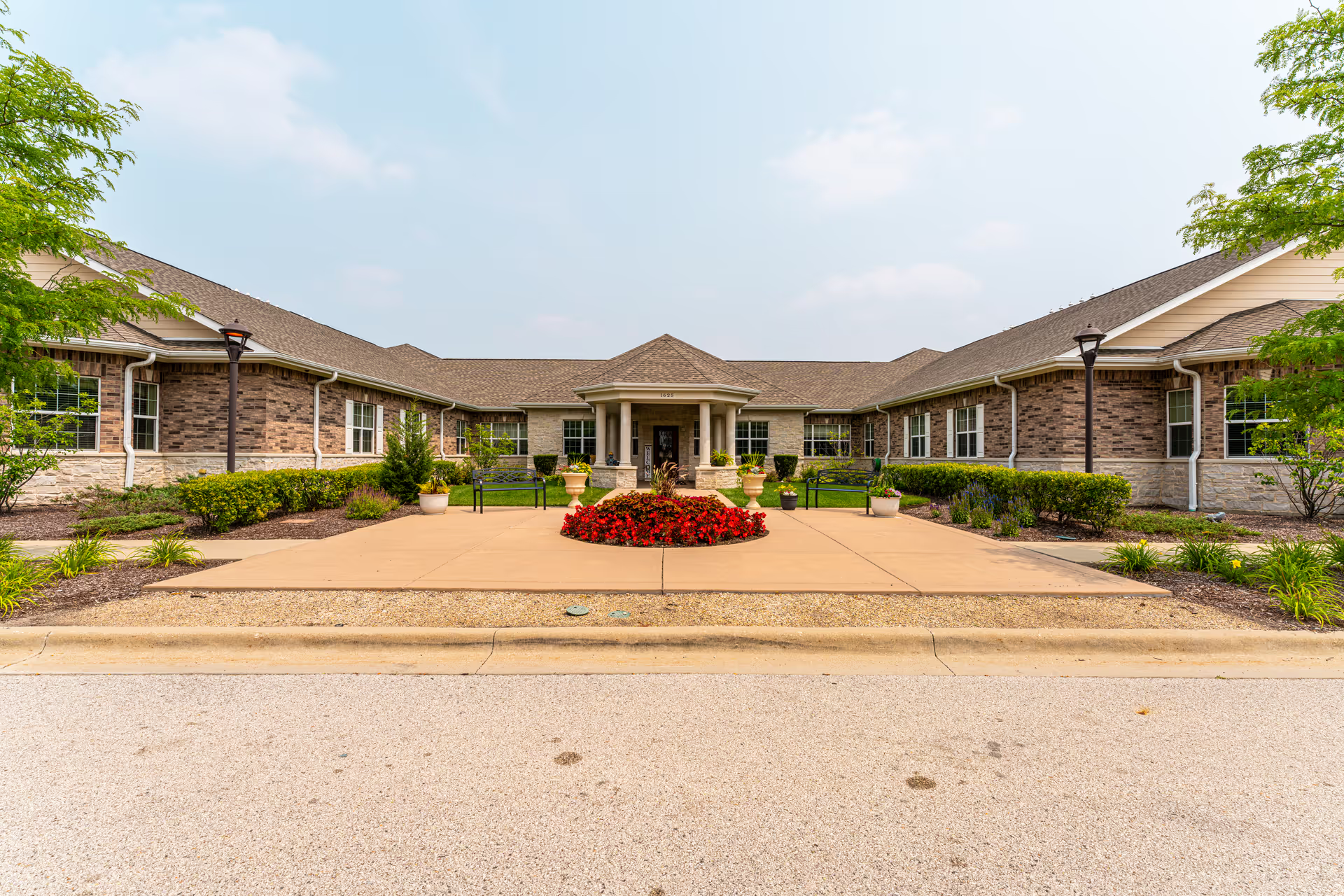
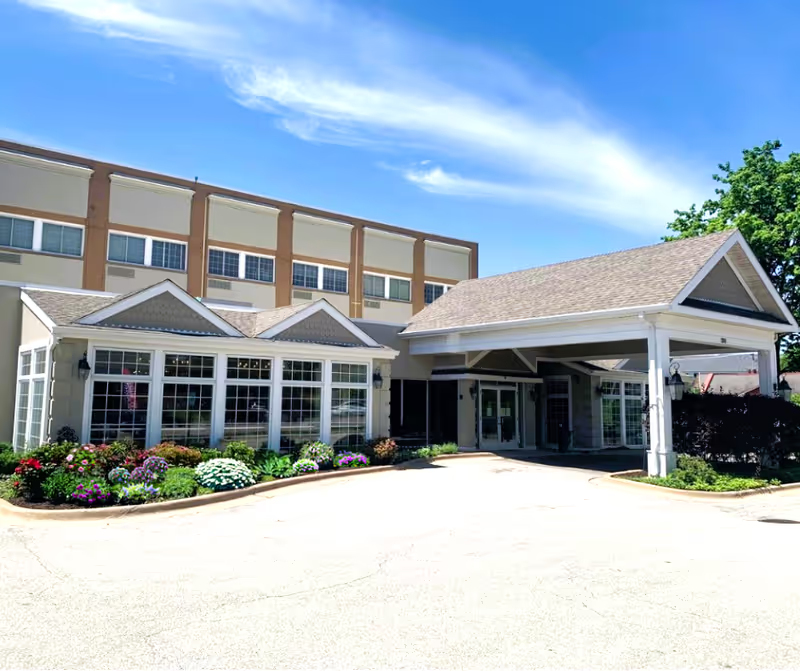
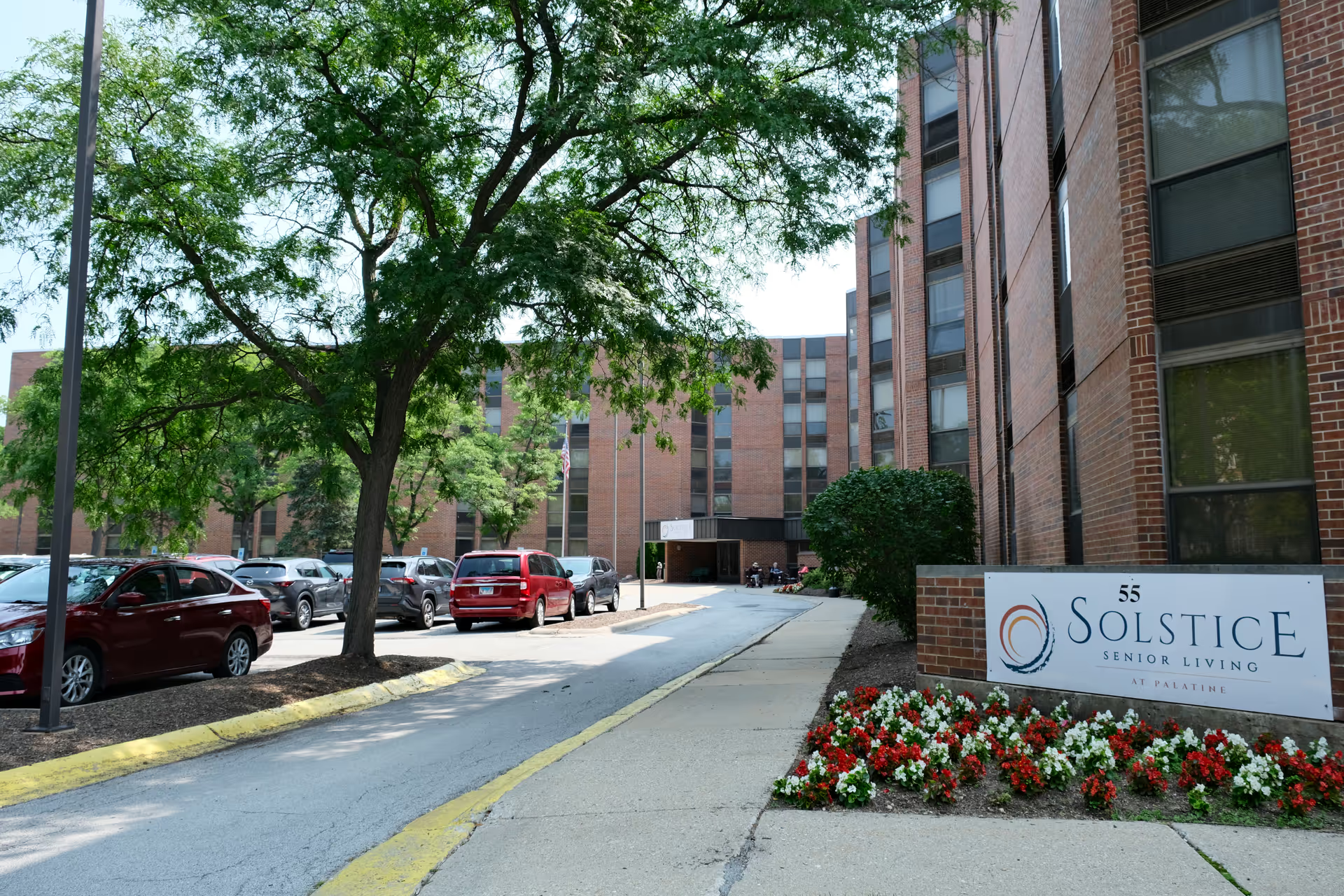
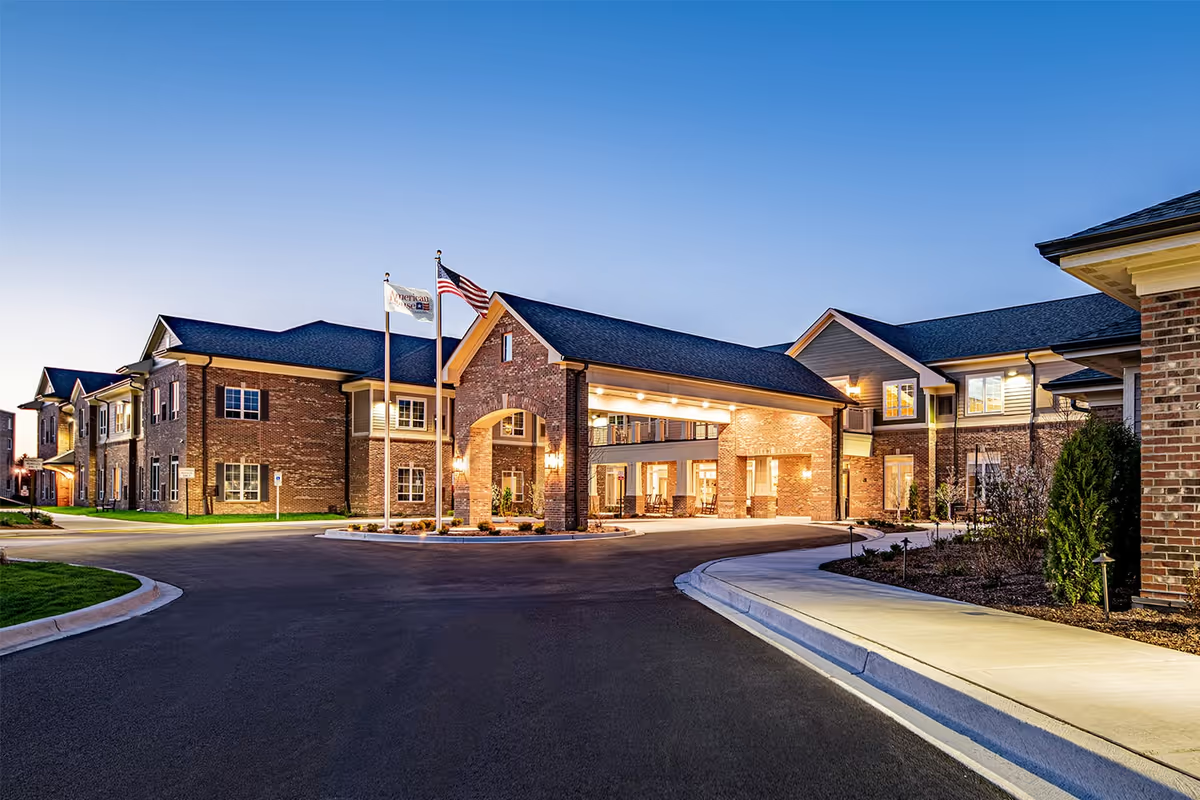
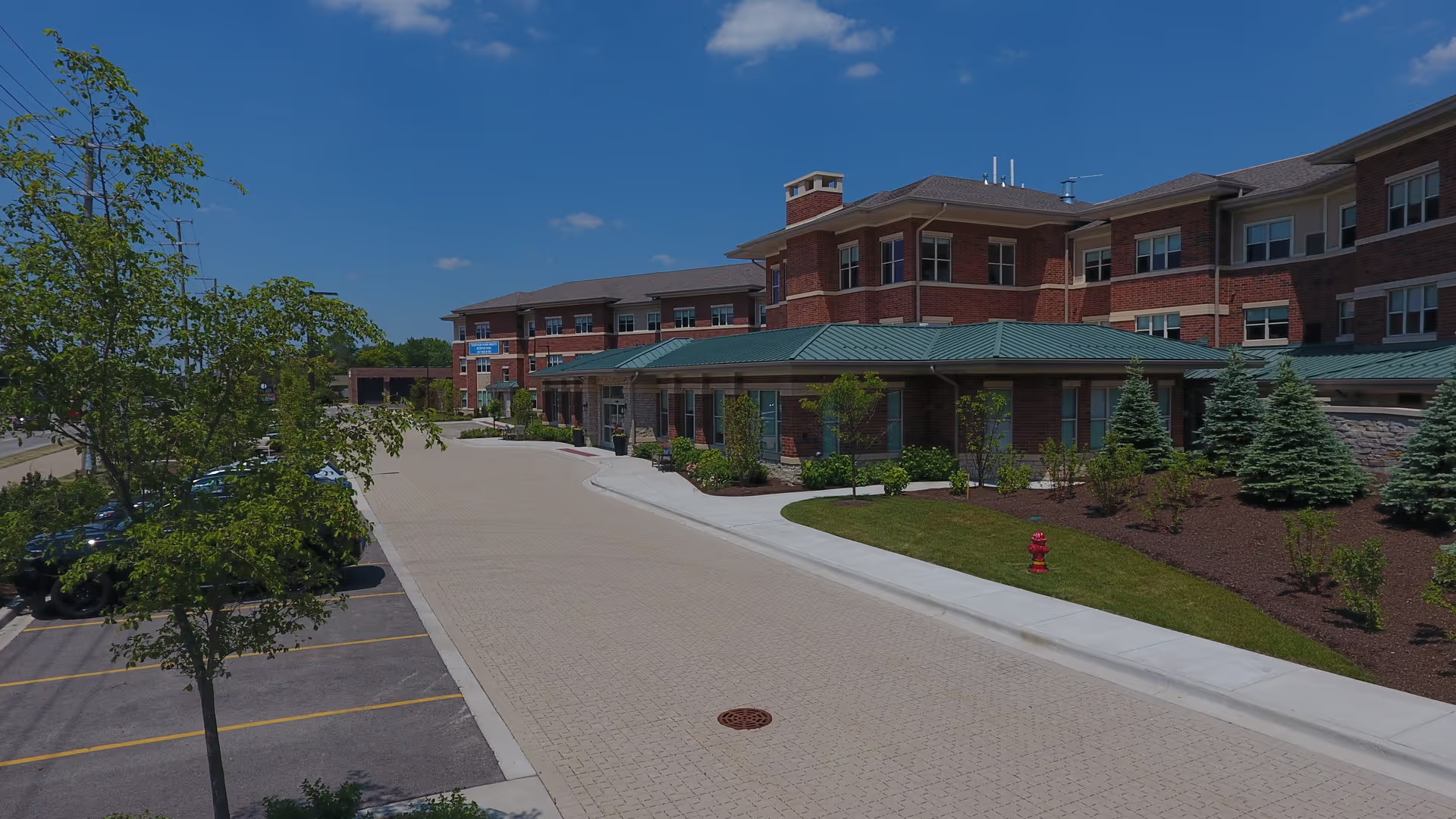
The aggregated reviews describe a facility with many operational strengths alongside recurring operational weaknesses. Clinical strengths frequently cited include strong wound care, effective physical and occupational therapy with advanced equipment, and a recovery-oriented short-term rehabilitation model. Families commonly praised compassionate nursing staff, attentive CNAs, and social-work coordination that facilitated discharge planning and home transitions. The building and amenities are noted as modern and well maintained — private rooms, in-room refrigerators, a pleasant courtyard, bright corridors and a well-equipped therapy gym are consistent positives.
Clinical care is characterized by high competence in wound management and rehabilitation outcomes for many residents. Therapy teams receive repeated commendations for professionalism and measurable mobility gains. At the same time, a pattern of operational variability emerges: several accounts describe delays in medication administration and coordination at admission, intermittent gaps in physician rounding, and inconsistent nursing responsiveness. There are also recurring concerns about incontinence-care timeliness and associated infection-risk indicators. A limited number of accounts describe serious safety incidents and care transitions that resulted in rehospitalization; these allegations are significant and should be verified directly with facility leadership and available regulatory records.
Staffing and communication are mixed themes. Many reviewers highlight compassionate, family-oriented staff and specific personnel (social workers, nurses, therapists) who provide strong communication and personalized attention. Conversely, reports of understaffing, long call-light response times, and variability in staff conduct and tone point to staffing stability and culture as areas of concern. Families also describe communication gaps between shifts or disciplines, occasional problems with the facility app or Wi‑Fi, and uneven information flow around clinical changes and discharge plans.
Dining and activities receive generally favorable feedback: meals are described as fresh and accommodating to special diets in many accounts, though a subset of reviews note average or inconsistent food quality. The activities program, including pet visits and intergenerational events, is viewed positively and contributes to a welcoming atmosphere for short-term rehab stays.
Management impressions are mixed. Numerous reviewers praise engaged administrators who address concerns promptly, but other accounts cite unresponsive or adversarial management, confusing billing practices, and insurance coordination challenges — including disputes over coverage and out-of-pocket charges. Prospective residents and families should confirm coverage details and ask for written explanations of potential charges prior to admission.
Overall, New Summit appears well suited for patients seeking focused short-term rehabilitation, wound-care expertise, and an environment with modern amenities and strong therapy services. At the same time, variability in staffing consistency, medication/coordination processes, discharge planning, and billing practices are notable patterns. Prospective families should perform an in-person visit, ask specific questions about current nurse-to-patient ratios, medication-administration protocols, fall-prevention procedures, discharge coordination, and insurance/billing policies, and request recent inspection or quality data to inform placement decisions.