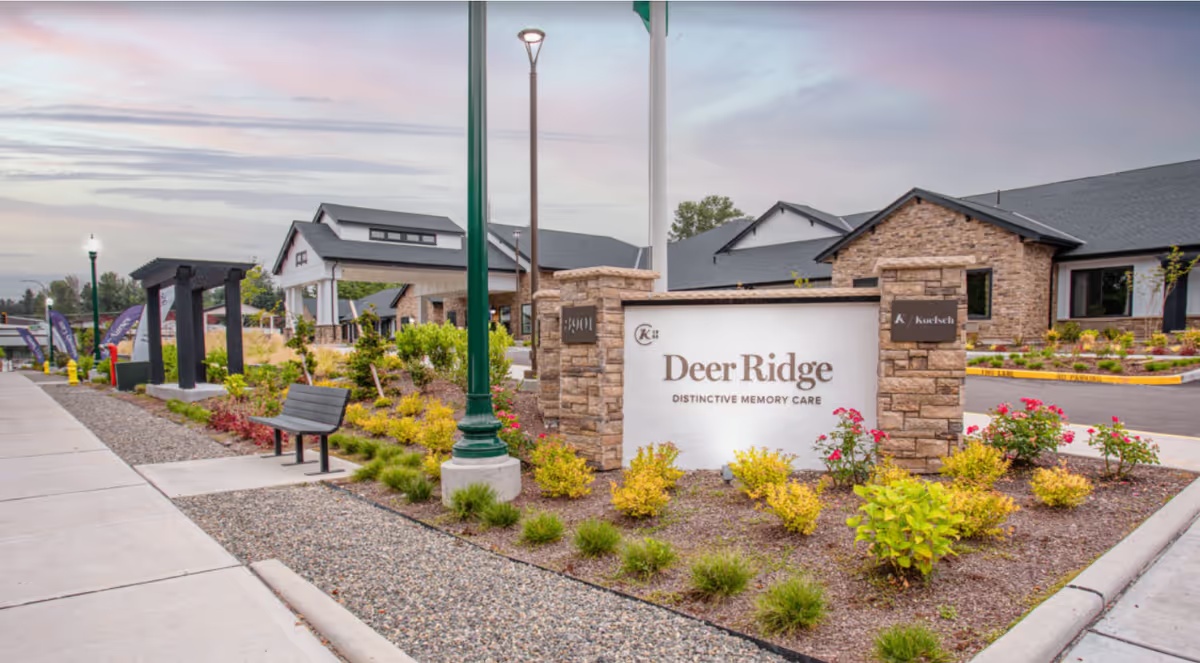
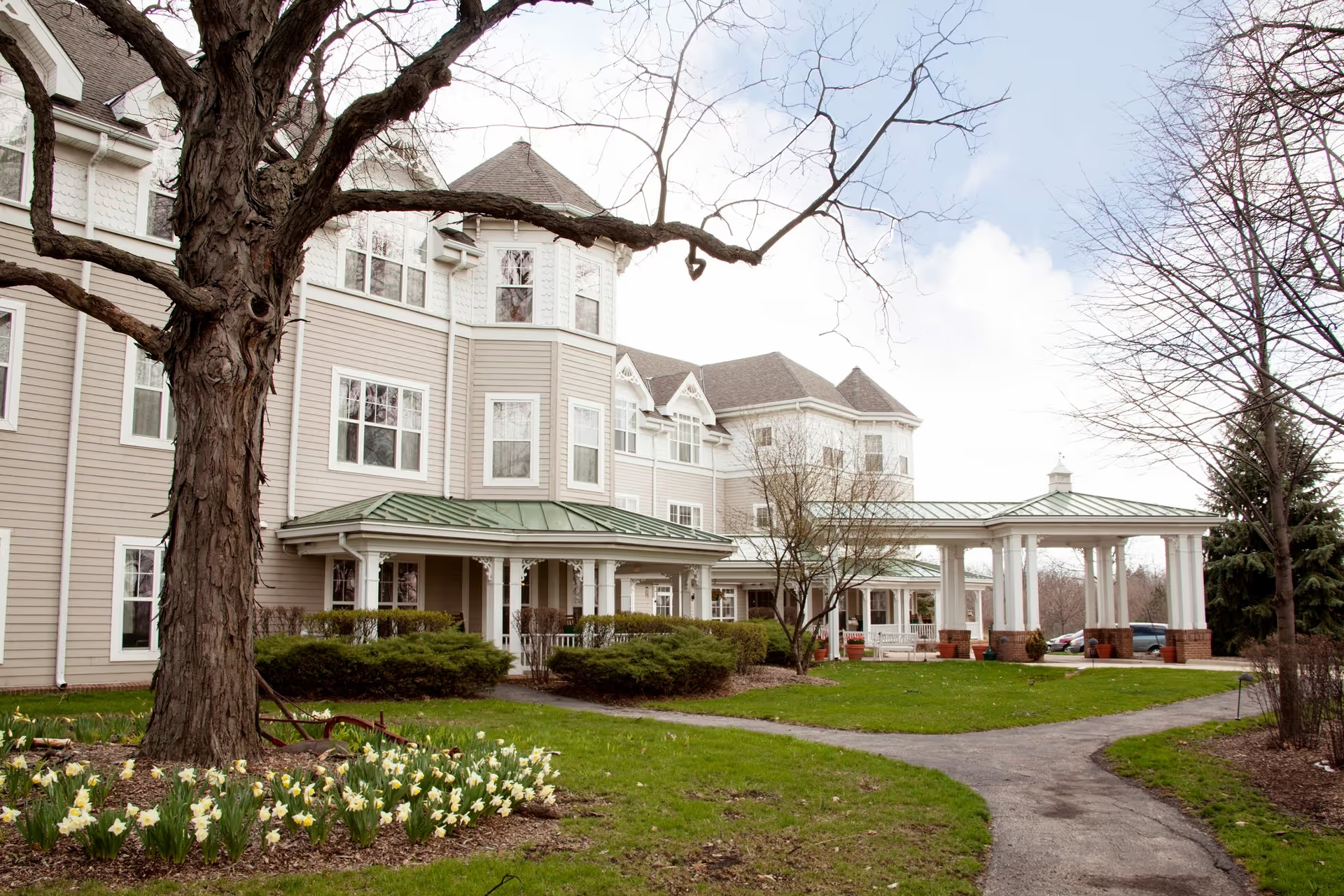
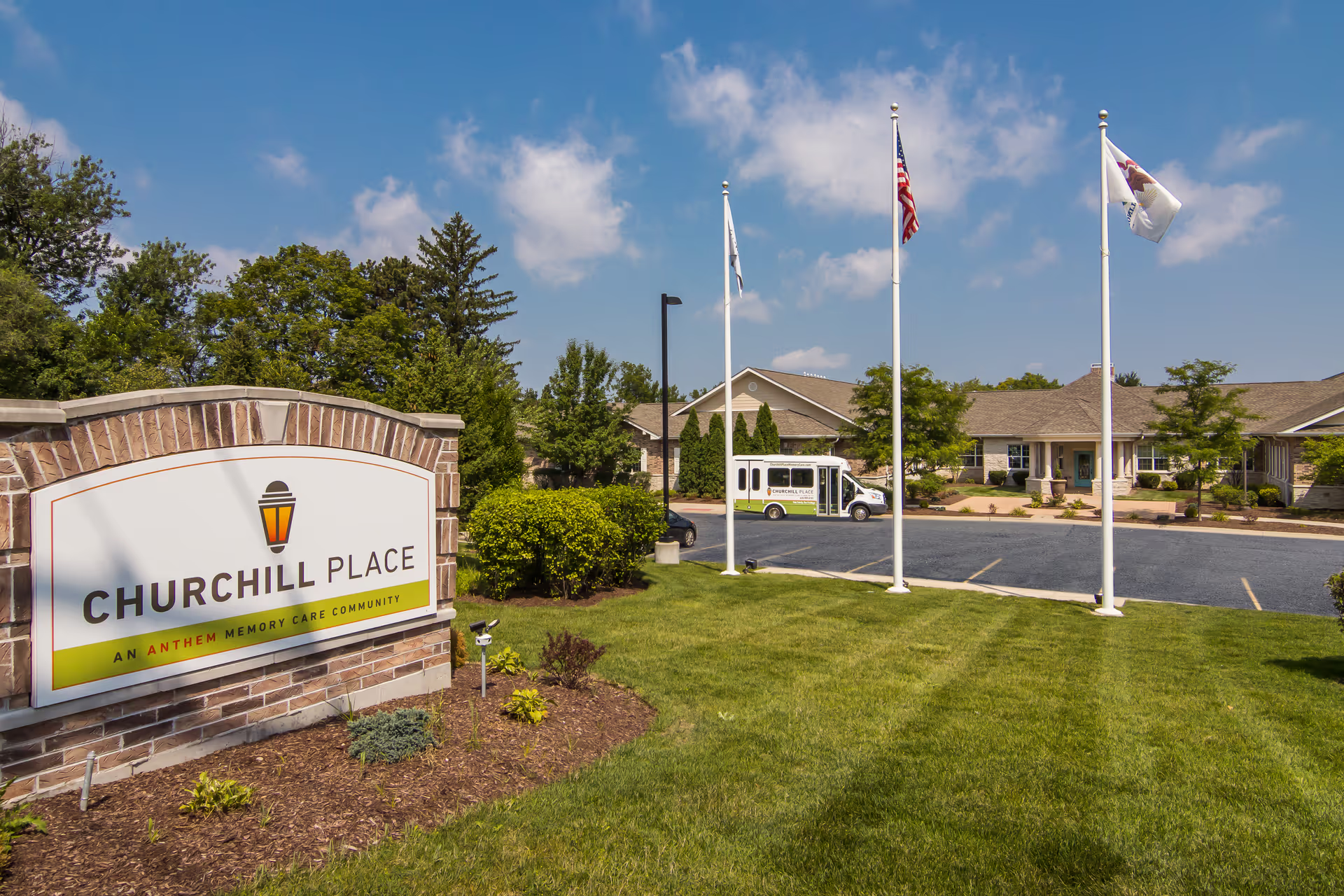
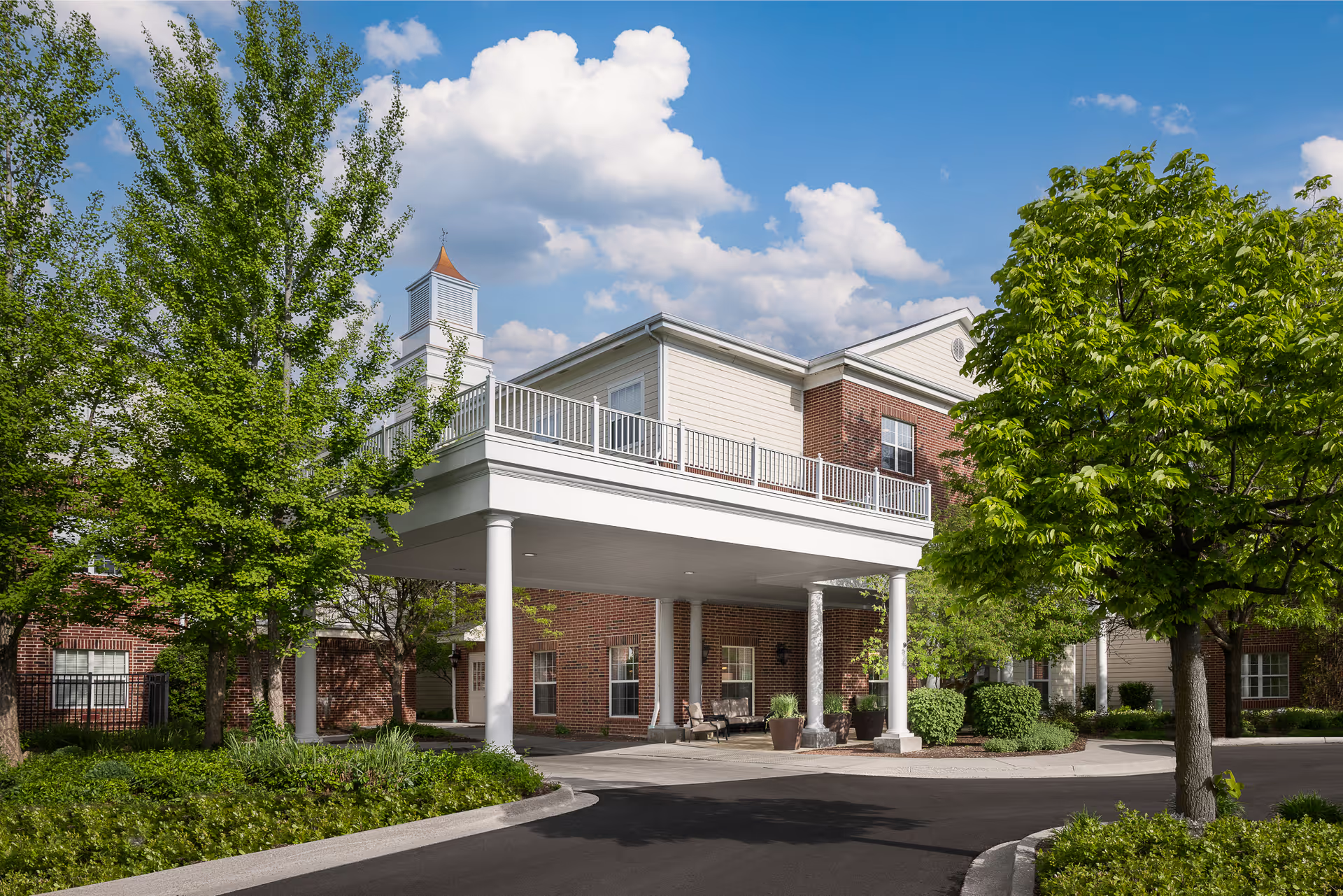
West Suburban Nursing and Rehabilitation Center elicits strongly polarized impressions across reviewers. Many families and residents praise the facility's rehabilitation capabilities, individual caregivers, and several administrative and social-work staff members; others describe persistent operational and clinical weaknesses. The facility is large and offers specialized services (including an in-house memory-care unit) and has capacity to manage medically complex residents, but the quality of day-to-day care appears uneven.
Care quality shows a clear split. Positive accounts describe effective therapy that restored function, professional nursing oversight, and attentive CNAs who support activities of daily living. Conversely, other accounts indicate delays in responding to call lights, inconsistencies in medication administration and documentation, lapses in clinical follow-through (including pressure-ulcer management and rehospitalizations for infection), and delays or failures in delivering mandated therapy. These patterns point to variability in clinical reliability rather than consistent system performance.
Staffing and management present a mixed picture. Reviewers identify many compassionate, knowledgeable individuals — therapy staff receive repeated praise — and some families found administration and social workers approachable and helpful. However, staffing shortages, high turnover, and variable staff conduct were also repeatedly noted. Communication with families is uneven: some report clear, timely updates while others encountered difficult phone access, delayed responses, and limited escalation pathways. There are also references to restrictive visitation protocols and intrusive monitoring during visits, which families should clarify with the facility before placement. A subset of accounts mentions serious concerns that have prompted regulatory citations and legal action; there are also isolated allegations of staff theft that warrant attention during due diligence.
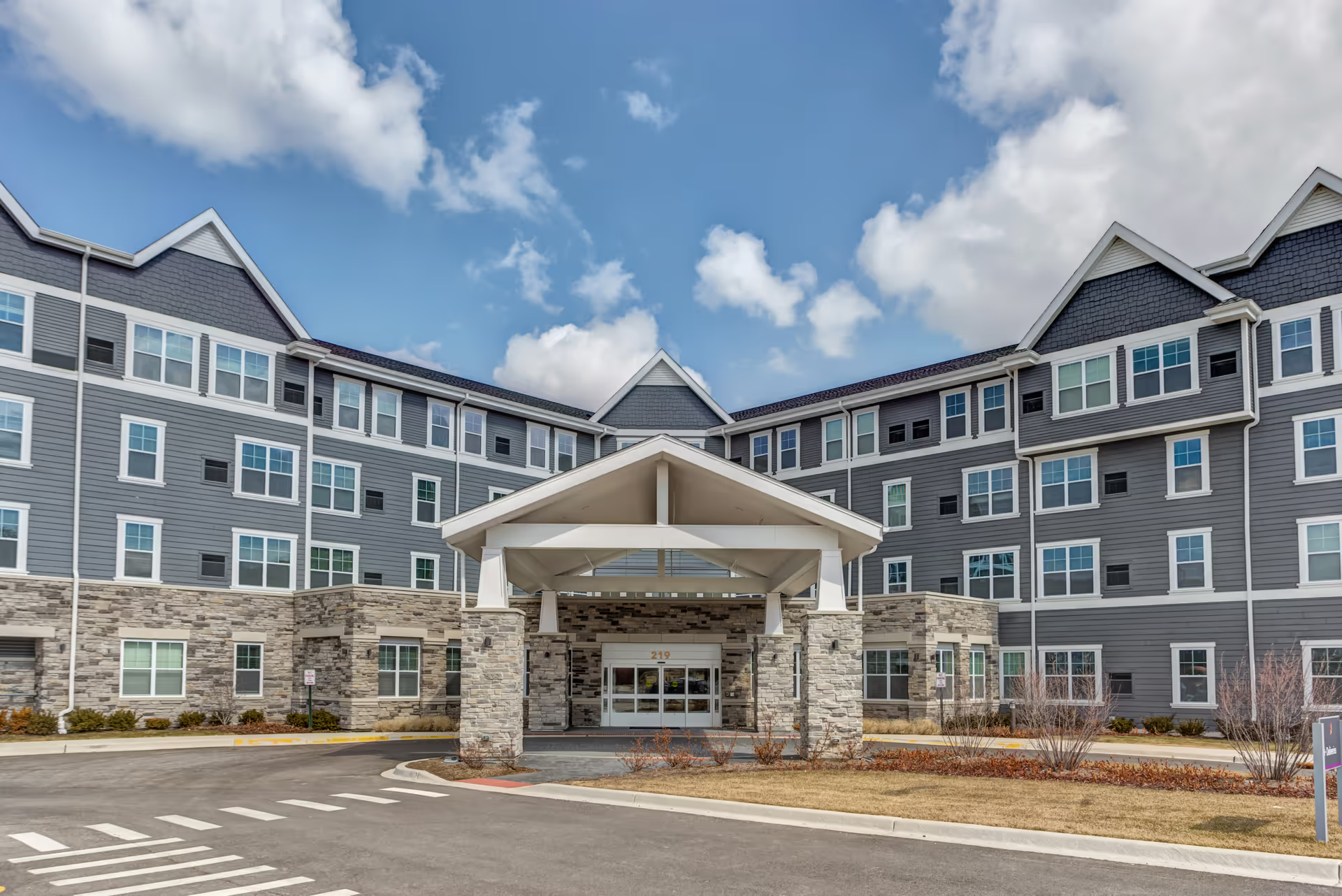
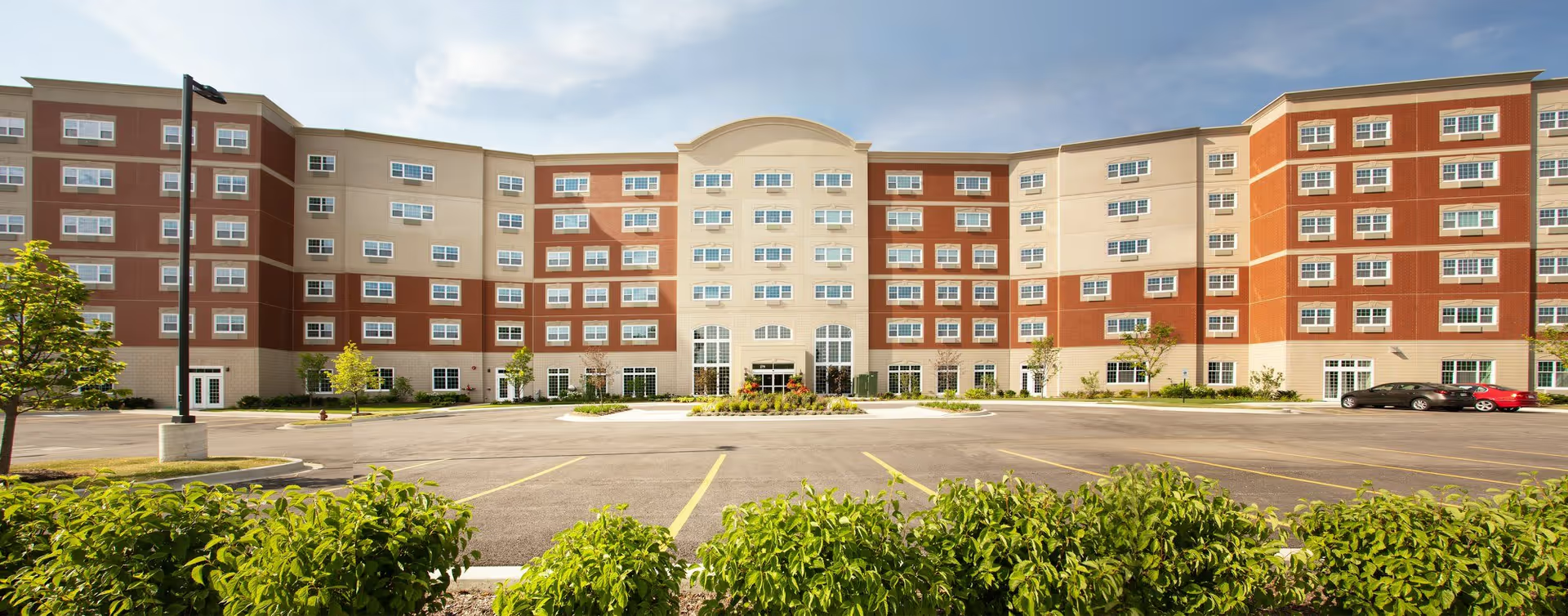
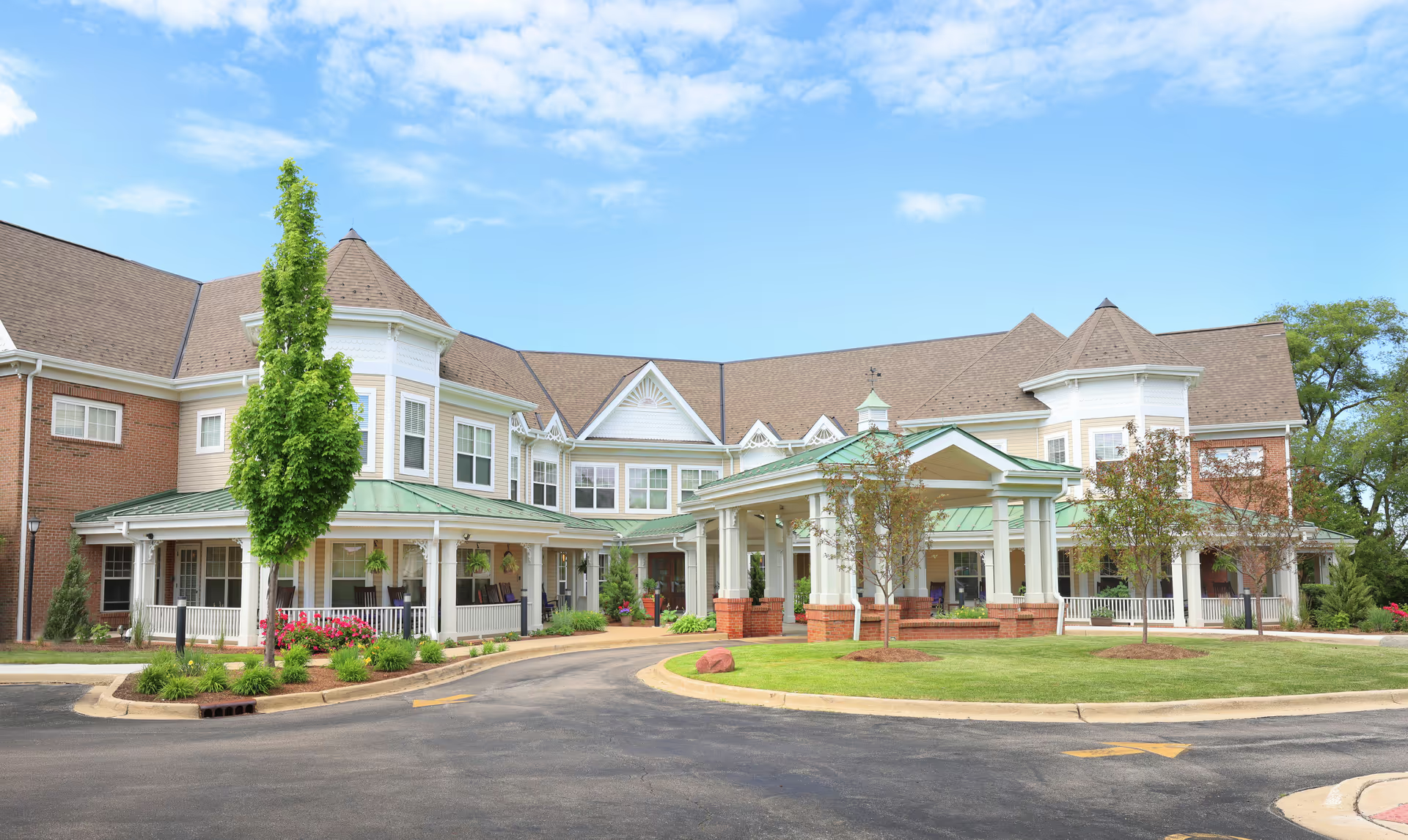
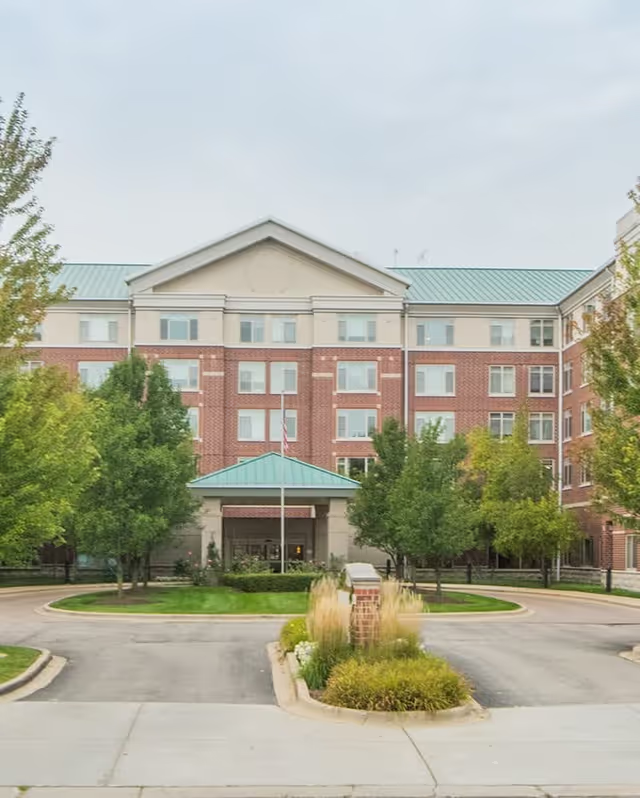
Dining, activities, and environment are similarly variable. Several reviewers appreciated engaging activities, resident-involved programming, regular outings, and occasionally high-quality meals. Others described unappealing meal experiences and inconsistent dining practices (for example, meal service not always aligned with resident needs). The physical plant is generally described as well maintained in common areas, but the building retains an institutional layout: long hallways, average-sized rooms with limited storage, and some units that feel crowded or dated. Some rooms offer privacy and pleasant views.
Taken together, the dominant pattern is one of significant variability by unit and by staff shift. Positive outcomes — especially in rehab and certain caregiving teams — coexist with operational gaps that have clinical and experiential consequences for residents and families. Prospective residents and their families should inquire specifically about current staffing ratios, average call-light response times, care-plan adherence (including therapy schedules), infection-prevention policies and staff vaccination status, visitation rules, recent regulatory findings, and the facility's process for discharge and belongings handling. Visiting the unit at different times of day and asking to speak with admitting therapists, nursing leadership, and social work can help clarify whether the facility’s strengths align with an individual resident’s needs.