Overall impression: Reviews show a facility with many strengths in hands-on caregiving and rehabilitation, alongside a subset of serious operational and clinical-process concerns. Praise centers on staff demeanor, therapy efficacy, cleanliness, and a welcoming atmosphere; however, recurring operational issues described by families and residents indicate uneven performance in clinical oversight, documentation, and some basic care processes.
Care quality and staff: Numerous comments describe compassionate, attentive nurses, personable therapists, and clinicians who take a personal approach with residents and families. Many reviewers credit the physical and occupational therapy teams with meaningful strength and mobility gains and highlight staff who provide emotional support and clear medication explanations. At the same time, there are consistent concerns about staffing variability and nursing shortages that appear to affect timeliness of care and responsiveness during some shifts.
Dining and clinical management: Positive notes include helpful clinical staff who explain medications and care plans. Conversely, reviewers describe inconsistent dietary management (including inappropriate meal selections relative to dietary restrictions) and delays or errors in medication administration. There are also accounts indicating gaps in clinical documentation and communication with families, and instances where wound-care or pressure-relief practices were not consistently executed. These issues suggest a need for stronger clinical oversight and more reliable care protocols.
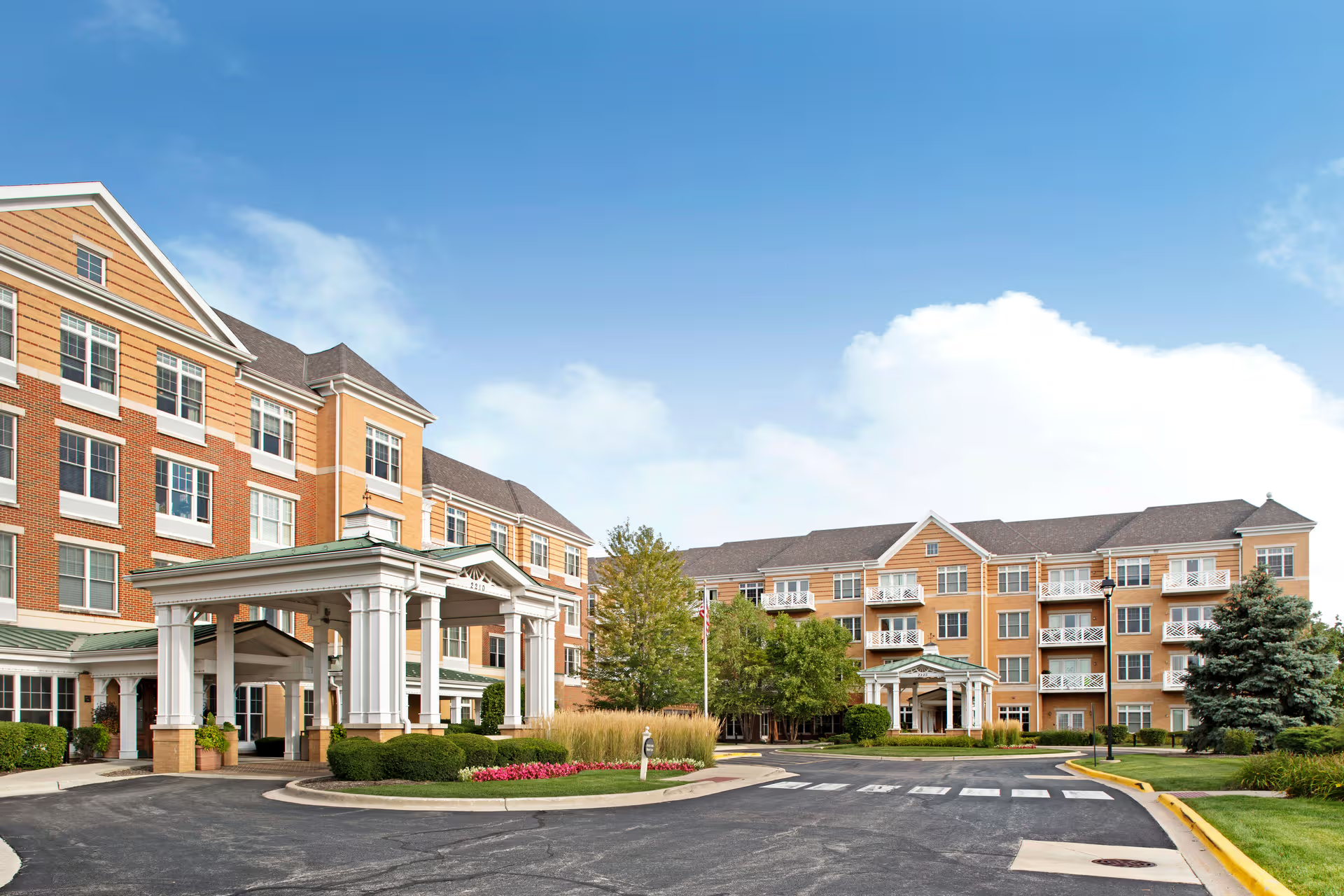
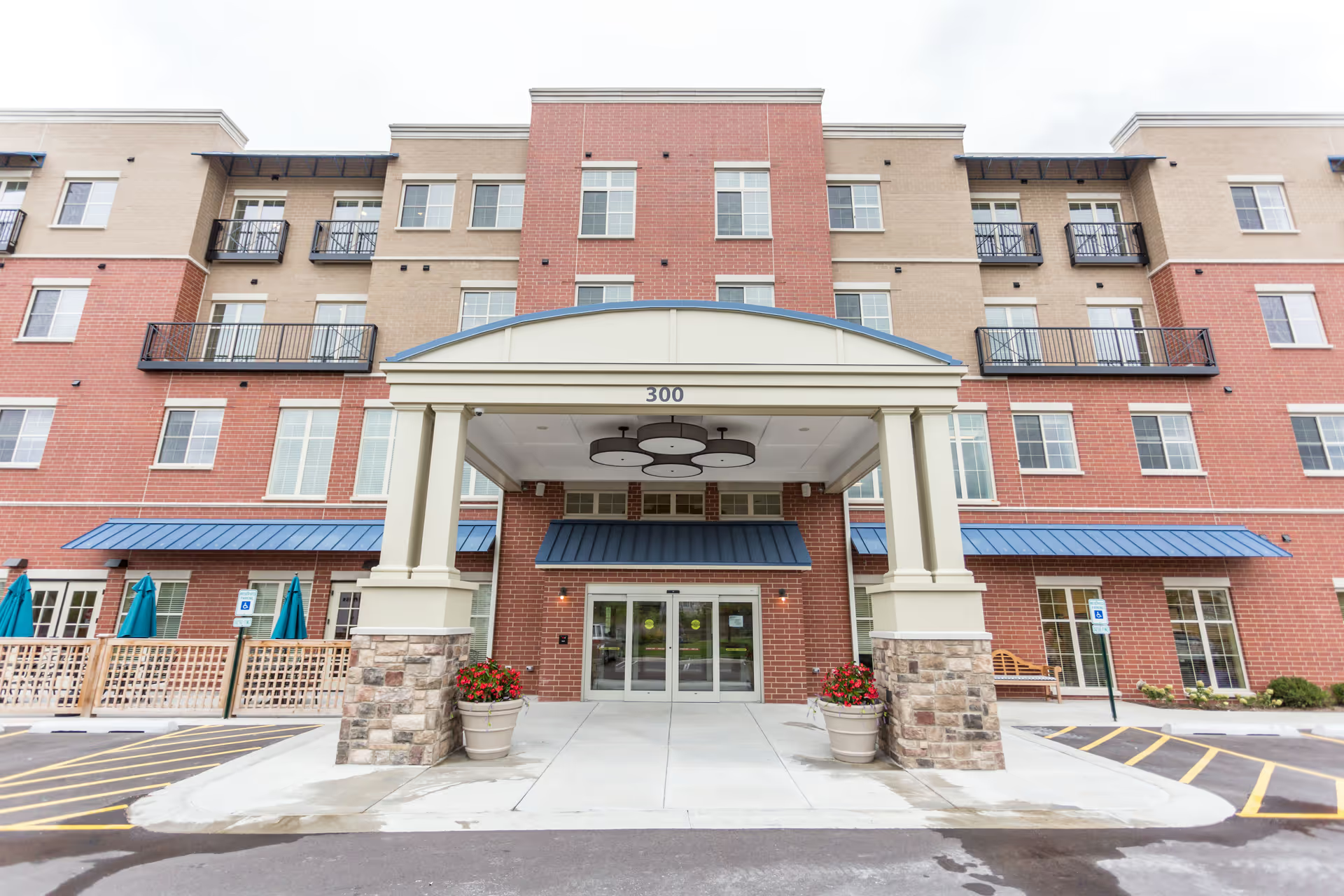
Rehab, activities, and facilities: The facility’s rehab program and therapy staff receive repeated commendation for engagement and outcomes. Residents also report availability of activities such as bingo and group exercise that contribute to a social environment. Many reviewers note a clean, bright facility with responsive maintenance and housekeeping; however, others describe variability in room condition, climate control (perceptions of overly warm rooms), and some worn furnishings in certain units.
Management and communication: Families experienced mixed interactions with administration. Several reviewers praised admissions and front-desk staff for thorough, reassuring tours and ongoing family support. In contrast, other reviewers encountered difficulty communicating with management, miscommunications about therapy schedules or discharge timing, and slow responses to clinical concerns. A handful of accounts describe incidents that required hospital transfer or abrupt discharge, indicating opportunities to improve incident response, documentation, and family notification processes.
Notable patterns and recommendation: The dominant positive themes are staff compassion, effective rehab services, and general cleanliness and maintenance. The dominant negative themes are operational: inconsistent medication and dietary processes, staffing variability, wound-care and documentation gaps, and uneven management communication. Prospective residents and families should weigh the facility’s strengths in therapy and interpersonal care against the evidence of inconsistent clinical processes; when considering admission, ask for current staffing levels, medication-administration protocols, wound-care procedures, dietary oversight for special needs, and examples of how the facility communicates with families during clinical incidents.