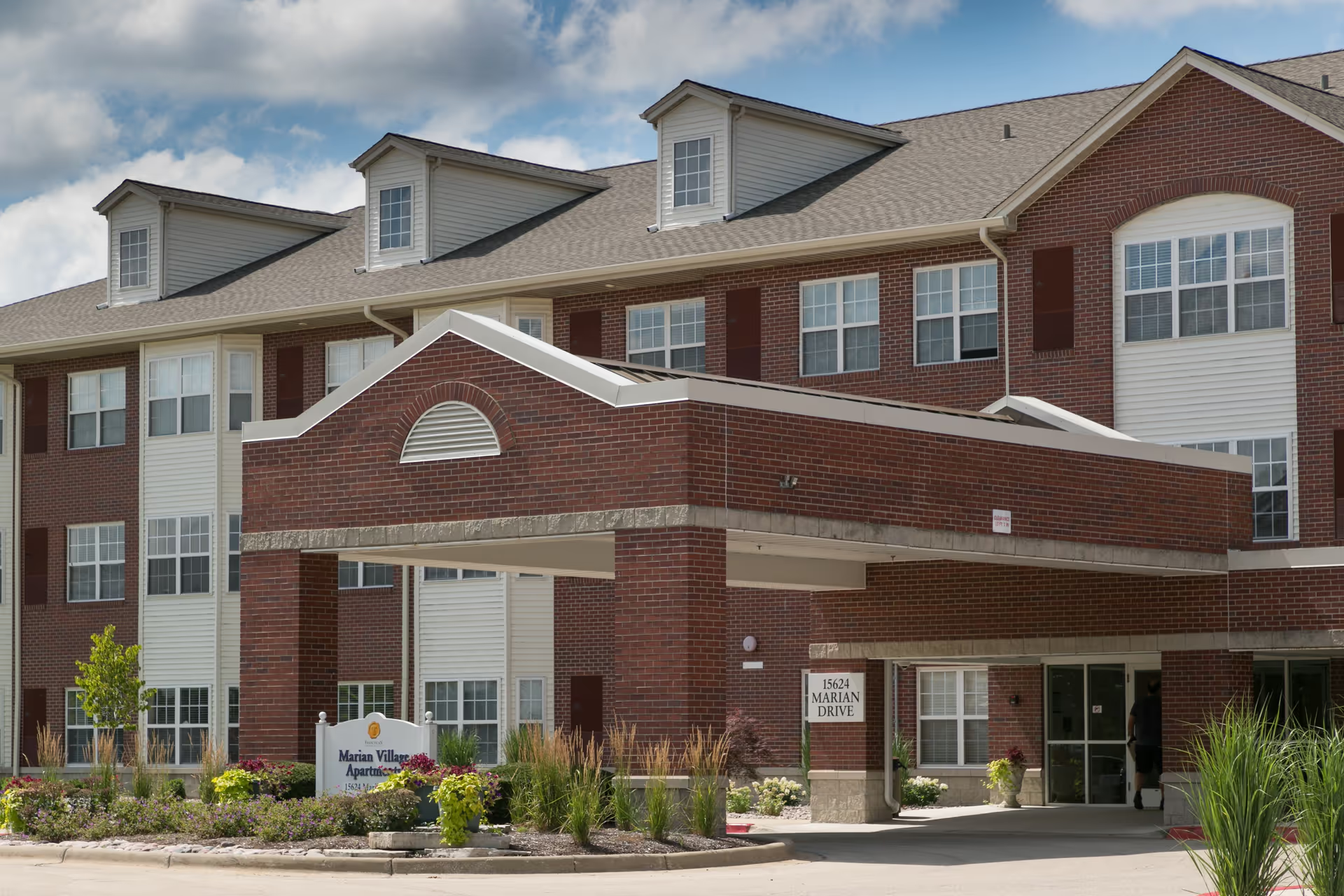
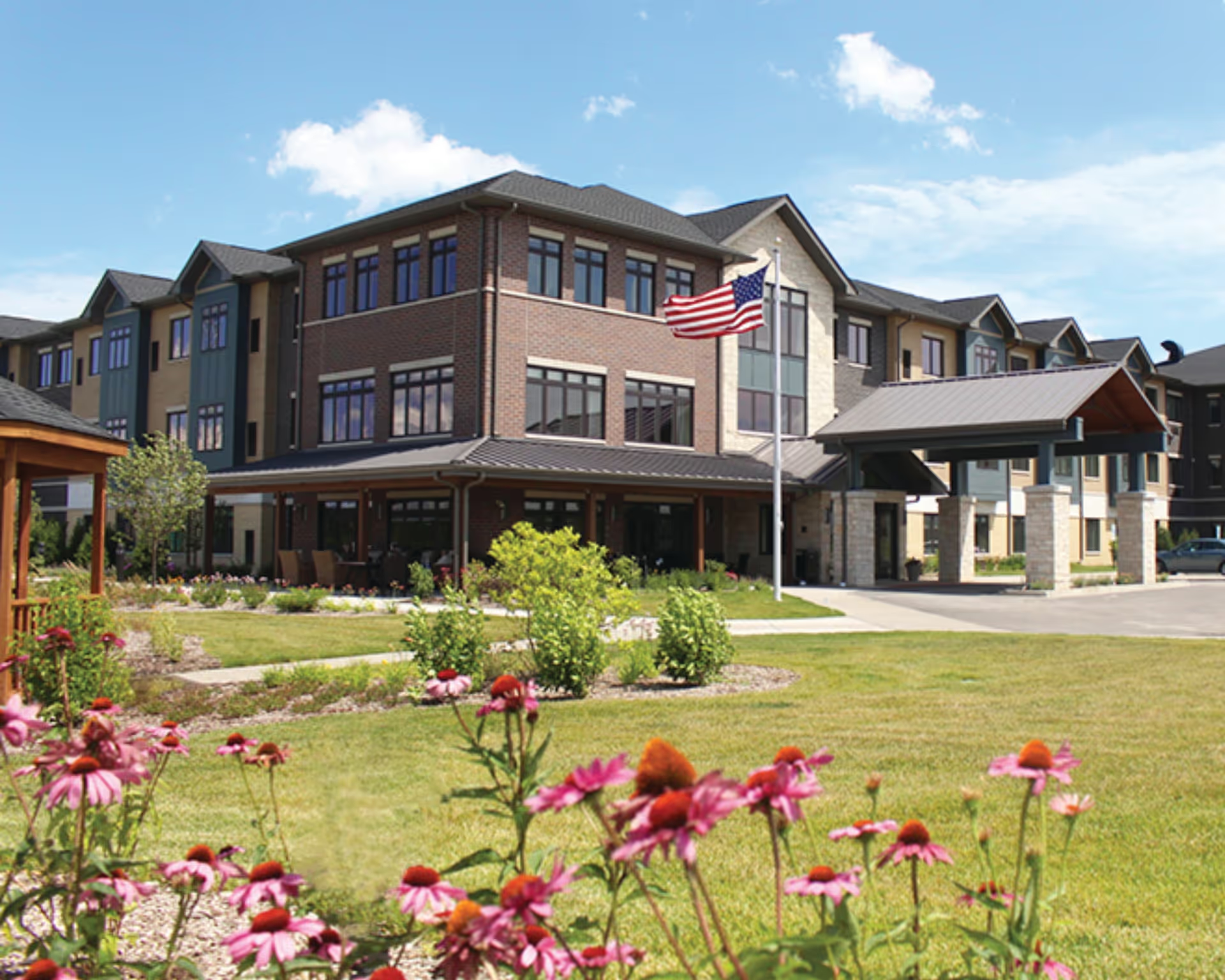
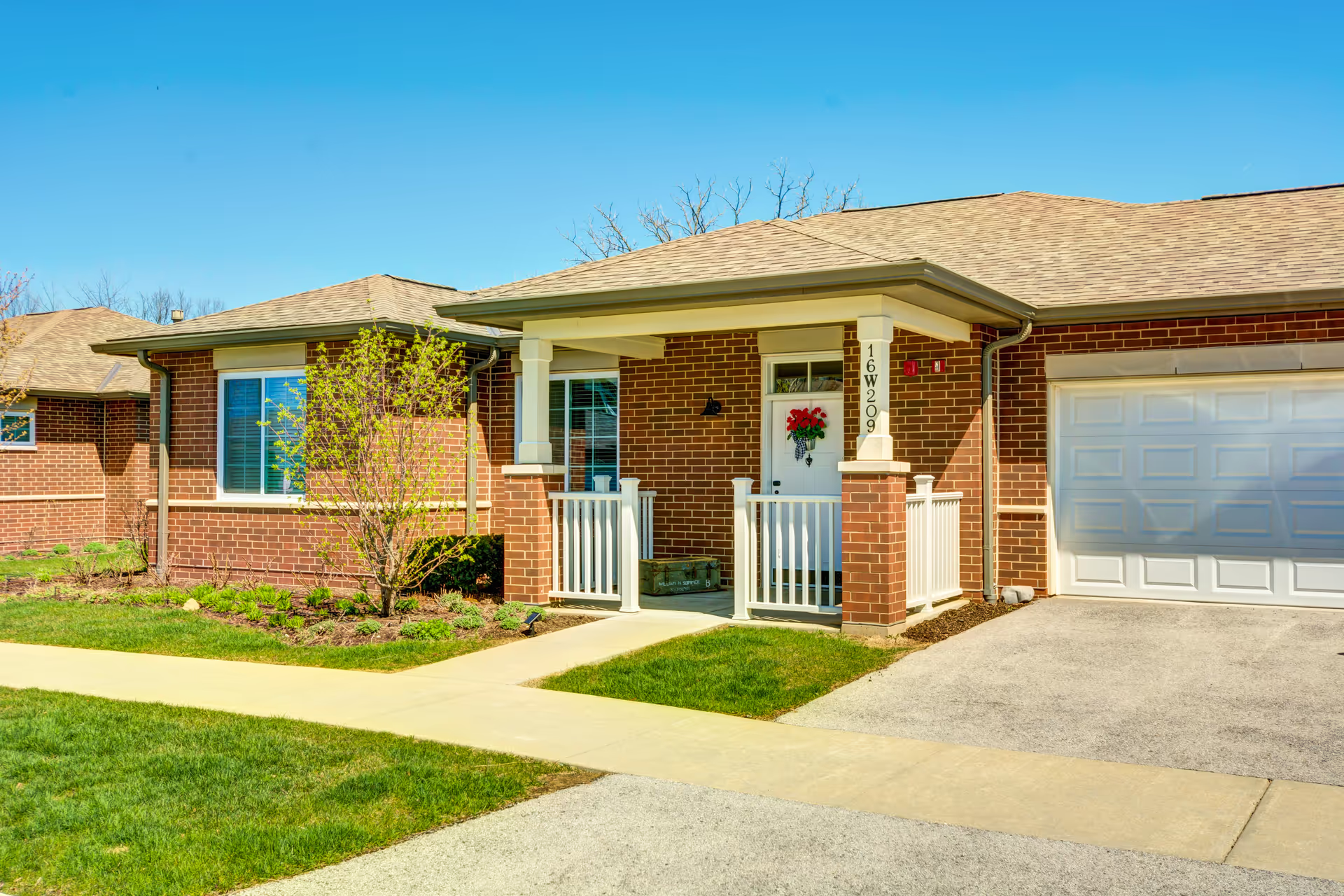
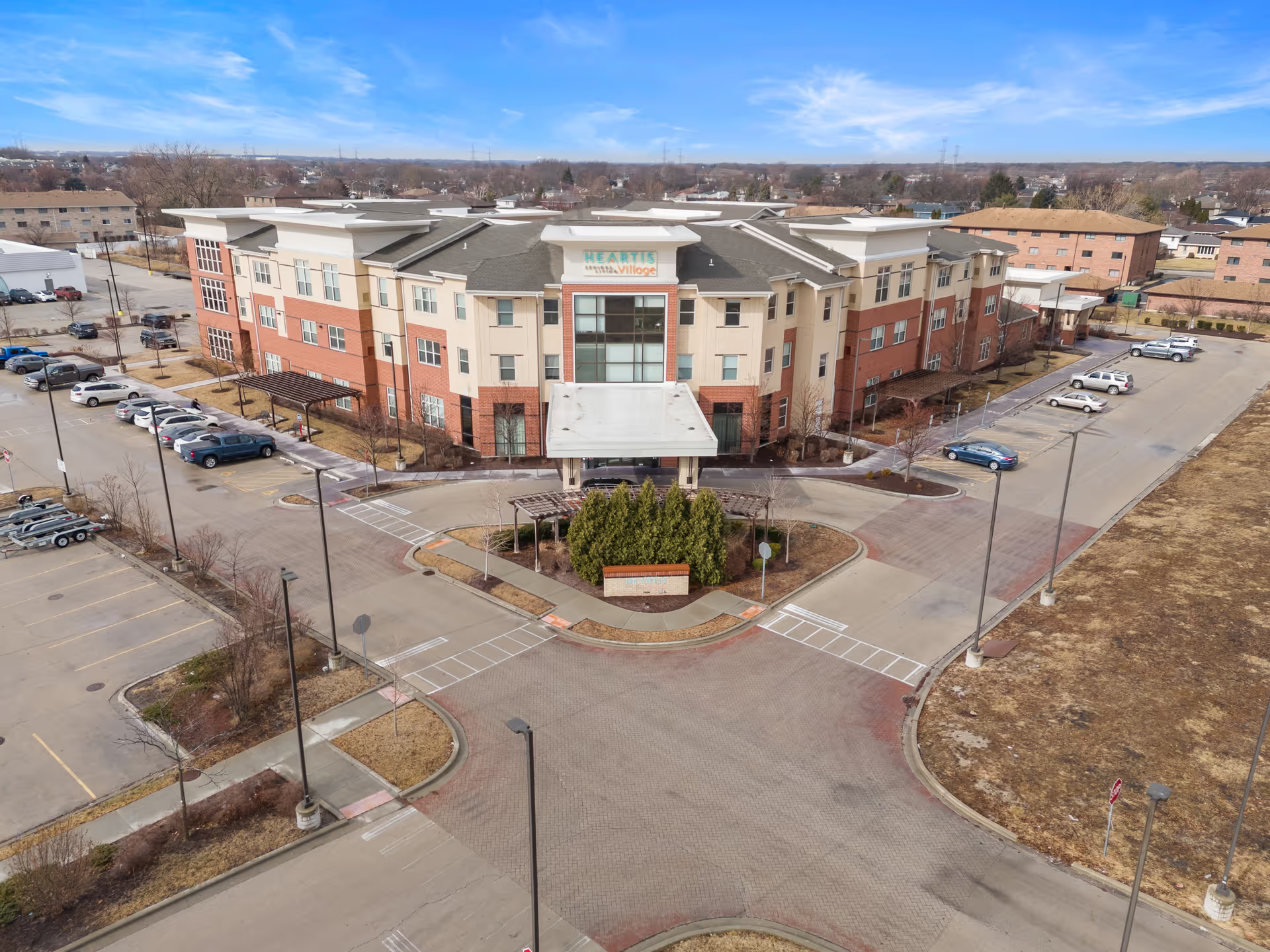
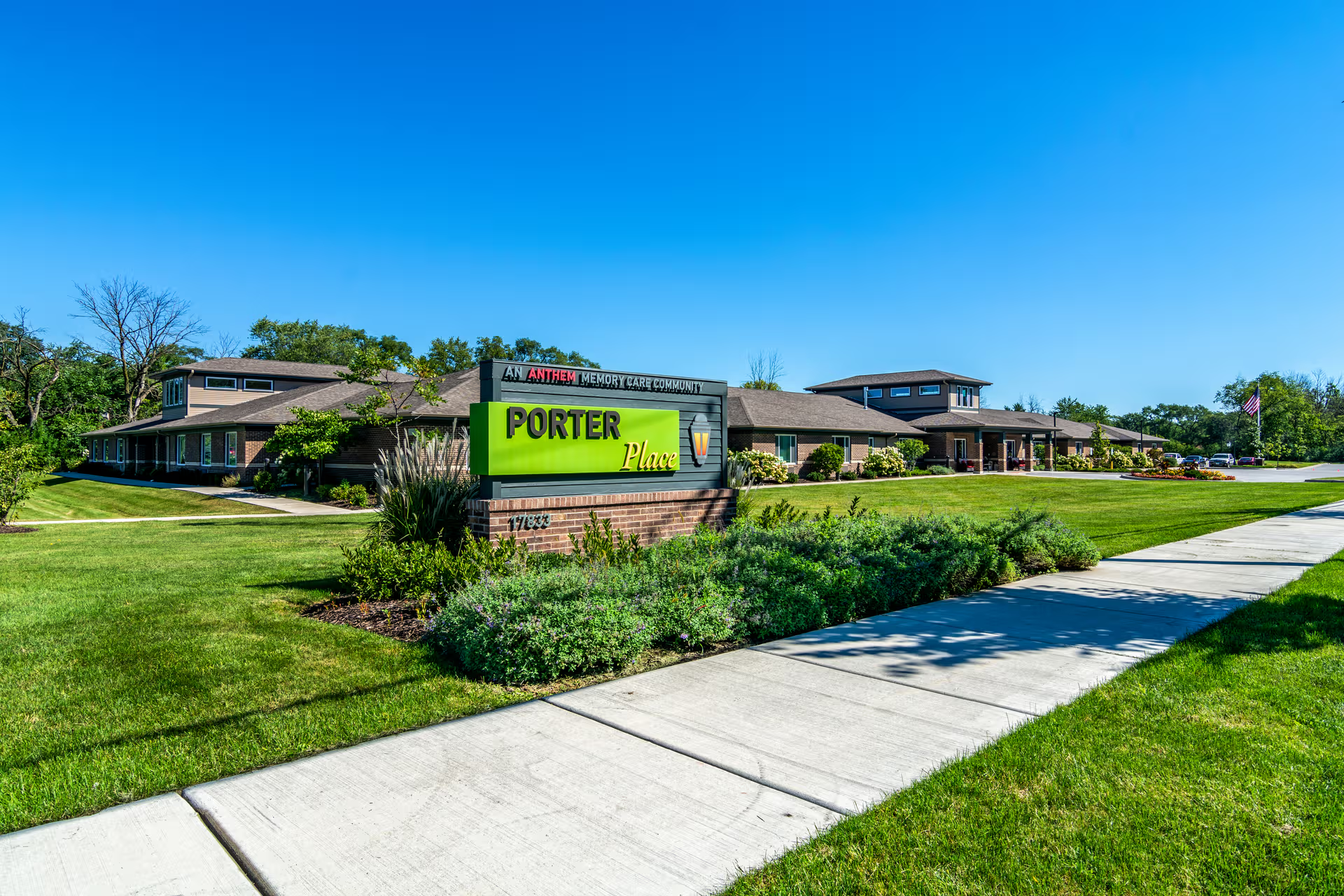
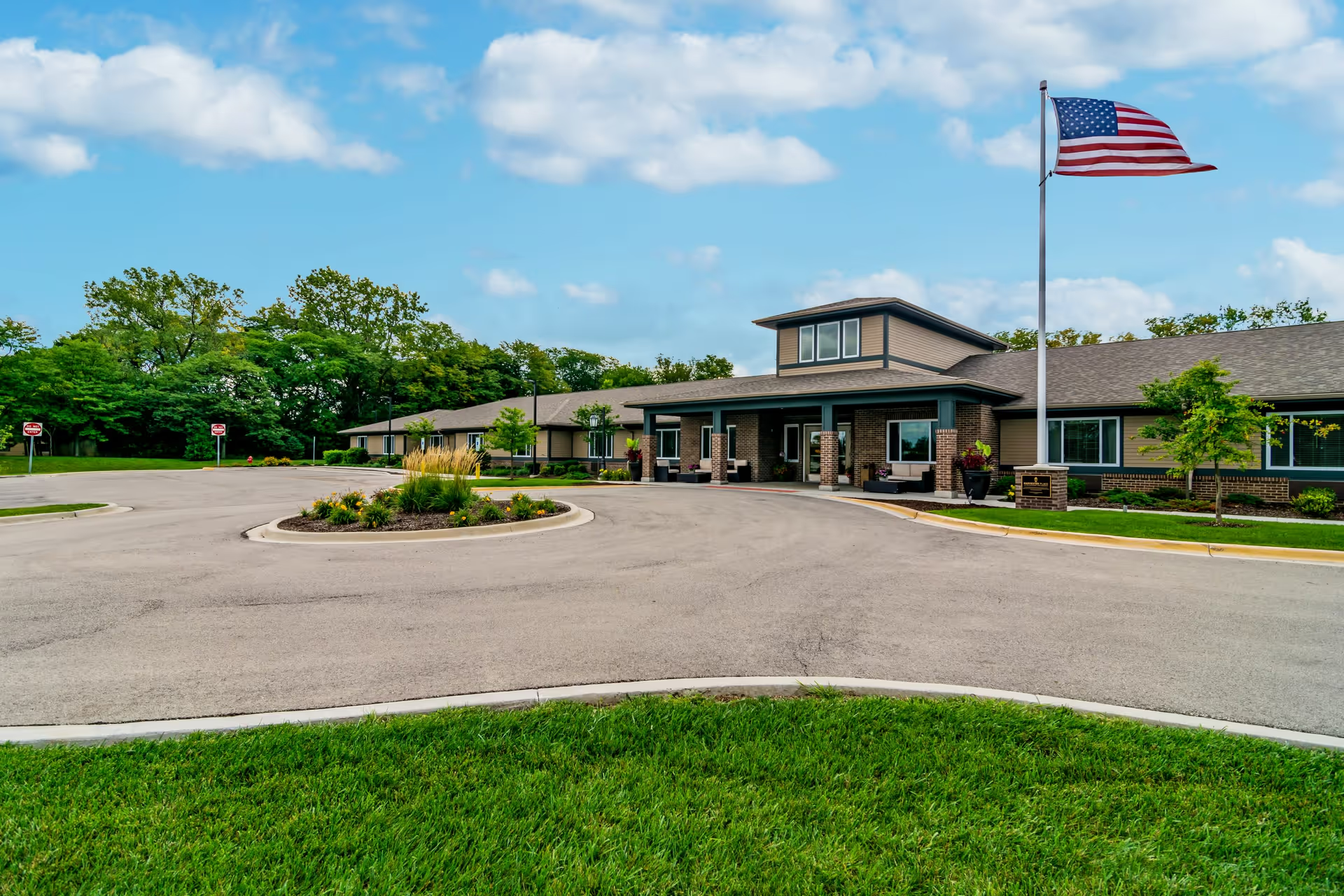
Victorian Village Health and Wellness Center presents a generally positive physical environment and a robust therapy program alongside a varied pattern of clinical and operational concerns. Reviews consistently point to a clean, organized facility with spacious private rooms, large bathrooms and accessible showers; some units offer in-room cooking facilities. Common areas — including a central garden, screened porch and a calming lobby — contribute to a home-like atmosphere. Dining options include a large open dining room and the option for in-room dining, and many families described a family-style dining culture.
Rehabilitation and therapy are prominent strengths. The facility offers a range of rehab amenities and modern equipment, and numerous accounts note effective therapy teams and measurable functional improvements for residents. Nursing and therapy staff are frequently described as skilled, compassionate, and supportive; bedside manner and social engagement by staff are repeatedly praised. The activities program is well-developed, with organized offerings such as singing, bingo, church, and therapy-dog visits that encourage resident participation.
Conversely, several operational issues appear repeatedly and warrant attention. Reviewers describe inconsistent responsiveness to call lights and delays in meeting medication requests, which creates reliability concerns around routine care. There are also mixed assessments of food quality and comments about limited beverage or menu options. A subset of reviews raises concerns about medication-administration and wound-care processes and about coordination of therapy at discharge; those accounts describe that expected exercises or therapy follow-through were sometimes not delivered at the time of transition.
Staffing and communication are mixed themes. While many reviewers praise individual caregivers and therapists, others describe staffing-timeliness and continuity challenges that affect daily responsiveness. Some families reported problems with handling or management of personal belongings, and a few accounts detailed serious clinical incidents that prompted questions about clinical protocols and subsequent family communication. These more serious individual accounts underscore the importance of transparent incident reporting and clear communication with families.
For prospective residents and families, the facility appears to offer strong rehabilitation resources, a pleasant physical environment, and many compassionate caregivers; however, it also shows operational variability in responsiveness, clinical follow-through at discharge, and consistency of ancillary services such as dining and property handling. When considering placement, families may want to inquire about current staffing levels and schedules, medication- and wound-care protocols, discharge planning and therapy continuation, and the facility’s process for documenting and communicating incidents to families.