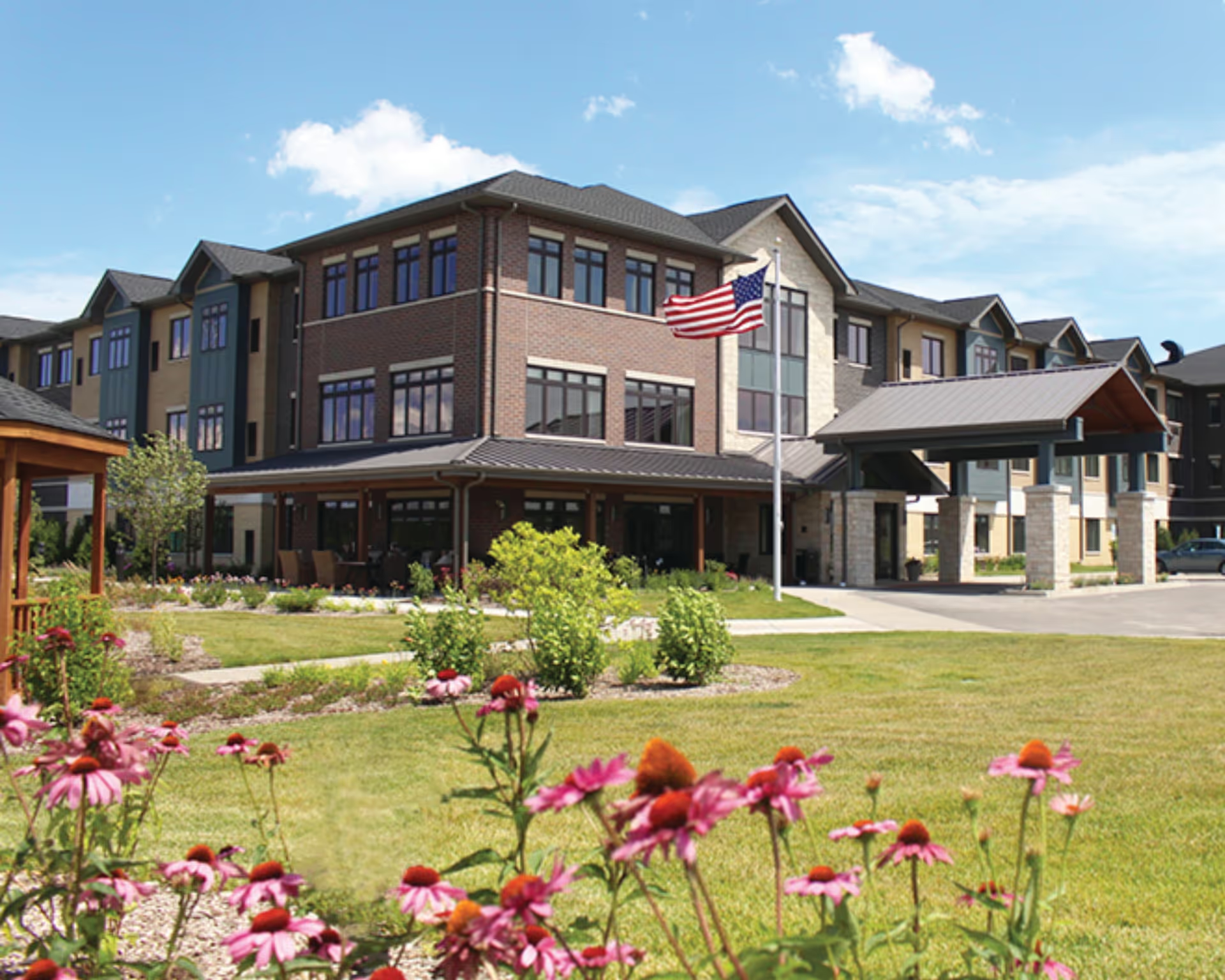
Overall impressions of Alden Estates of Orland Park are mixed, with accounts that range from highly positive rehabilitation outcomes to serious operational and safety concerns. The facility offers a strong clinical and rehab orientation that several families praised: multiple physical and occupational therapists, high-tech equipment, focused therapy programming, and thorough discharge planning. These strengths are reinforced by on-site amenities (ice cream parlor, salon, dining areas) and an attractive campus environment with outdoor spaces.
Clinical care and daily assistance present a divided picture. Positive accounts highlight skilled therapists and caring nursing leadership that contributed to measurable progress and timely discharges. Conversely, other accounts describe inconsistent nursing coverage, delayed medication administration, and lapses in routine personal care such as bathing and repositioning. There are also recurring concerns about the facility’s ability to provide appropriate supervision and programming for residents with memory-impairment needs.
Staffing and staff competency emerge as central themes. Praise is often directed at individual therapists, some nurses, and helpful admissions or phone staff. However, frequent short-staffing, a high proportion of inexperienced direct-care assistants, and reports of staff being overwhelmed are associated with slow responses to call lights, inconsistent wound and medication follow-up, and reductions in basic care continuity. Weekend and night-shift gaps are noted in some accounts.
Dining receives similarly mixed feedback. Many reviews describe restaurant-style meals, varied menus, and an enjoyable dining atmosphere, while other accounts note inconsistent meal timing, insufficient accommodation of therapeutic or cardiac diets, and occasional quality issues. Families considering the facility should clarify dietary protocols and how the kitchen supports restricted diets.
Activities and amenities are strengths for those seeking rehabilitation and social programming. Group activities, therapy-based sessions, and on-site leisure options are available, and the facility’s layout supports therapy delivery. At the same time, some families found activities to be passive or unevenly promoted, with engagement depending on staff availability.
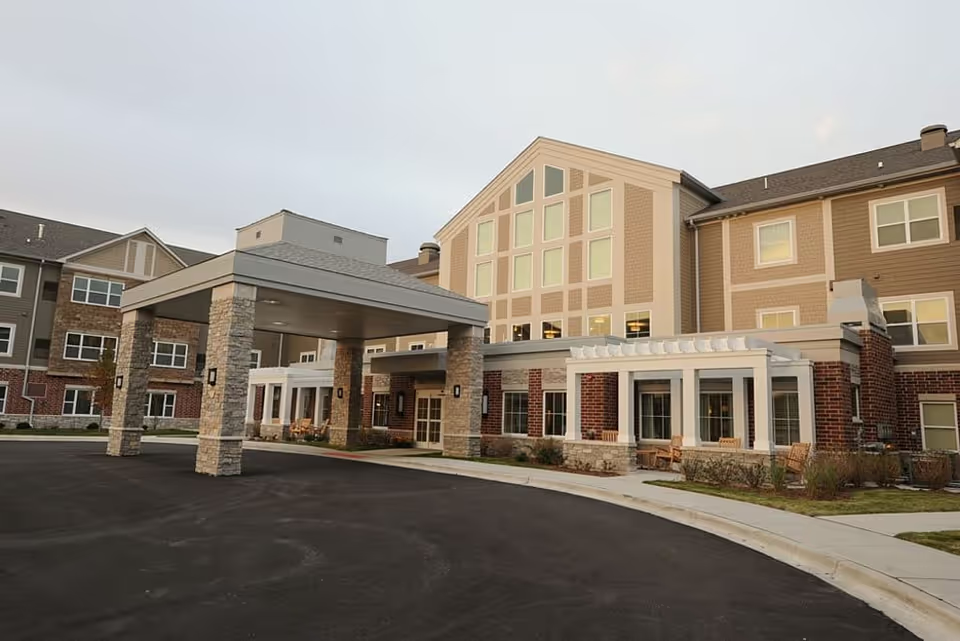
Facility condition and operations show contrasts. The campus and outdoor areas are frequently described as attractive and well-kept, but interior finishes, carpeting, room size, and maintenance vary across units. Reported sanitation and odor concerns in common areas, outdated fixtures, and uneven laundry or personal-belongings handling indicate variability in housekeeping and maintenance standards.
Management and administration elicit a range of responses. Some families commend effective nursing leadership and discharge coordination; others cite poor communication, billing disputes, restrictive contract language, and limited follow-through on complaints. Infection-control and medical follow-up processes are identified as inconsistent in several accounts, which can affect clinical outcomes.
Notable patterns: experiences are polarized—some residents receive high-quality, therapy-focused care and positive hospitality, while others experience operational shortfalls that affect safety and daily living. Prospective families should verify current staffing levels, call‑response performance, dietary and medication protocols, dementia-care capacity, and contract terms during an in-person tour. Reviewing recent quality metrics and asking for specific examples of staffing ratios and clinical oversight may help clarify whether the facility’s strengths align with an individual resident’s needs.