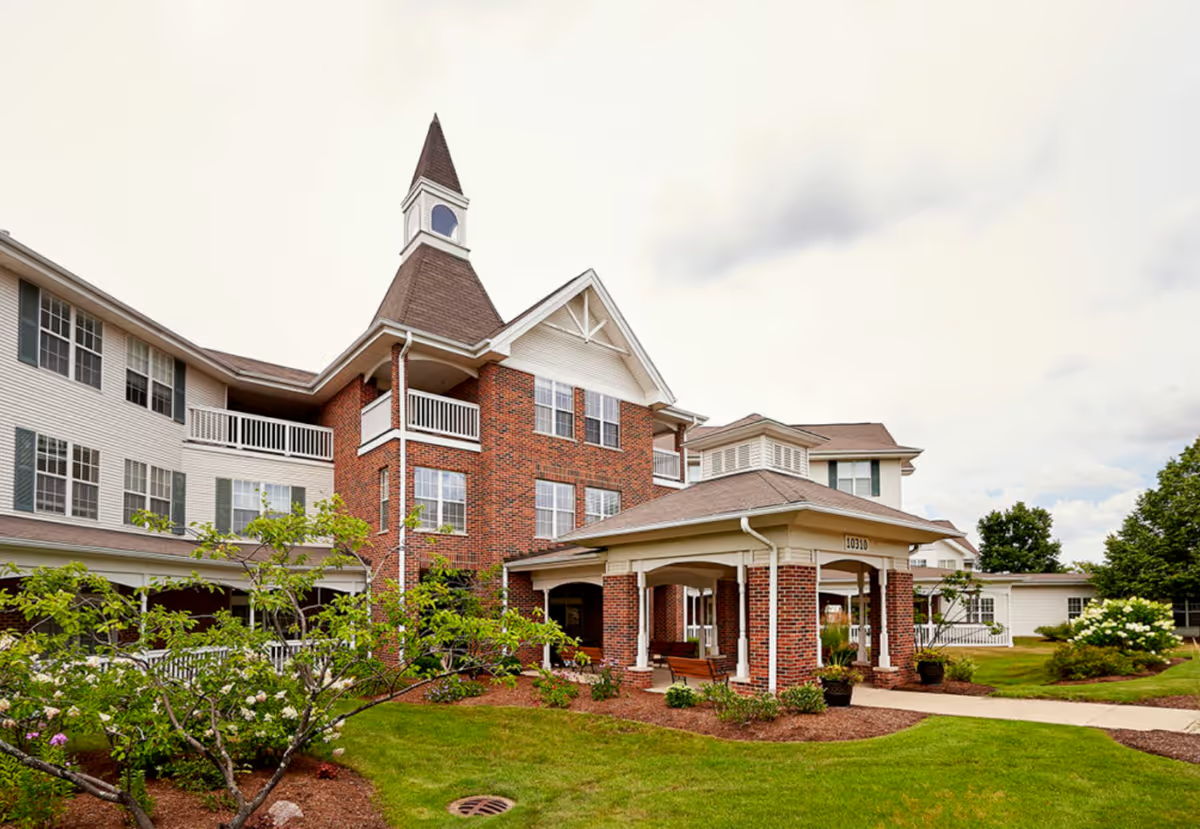
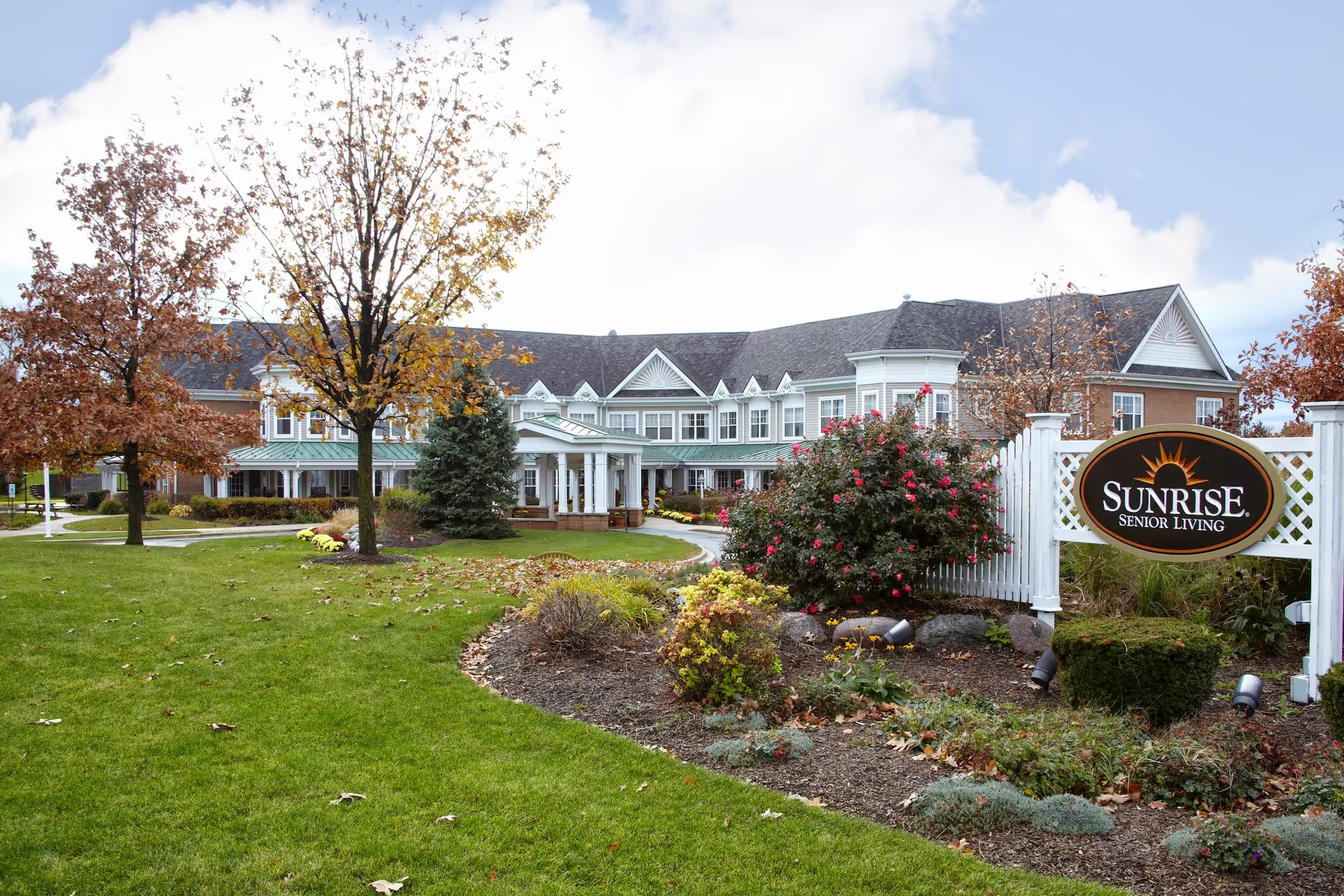
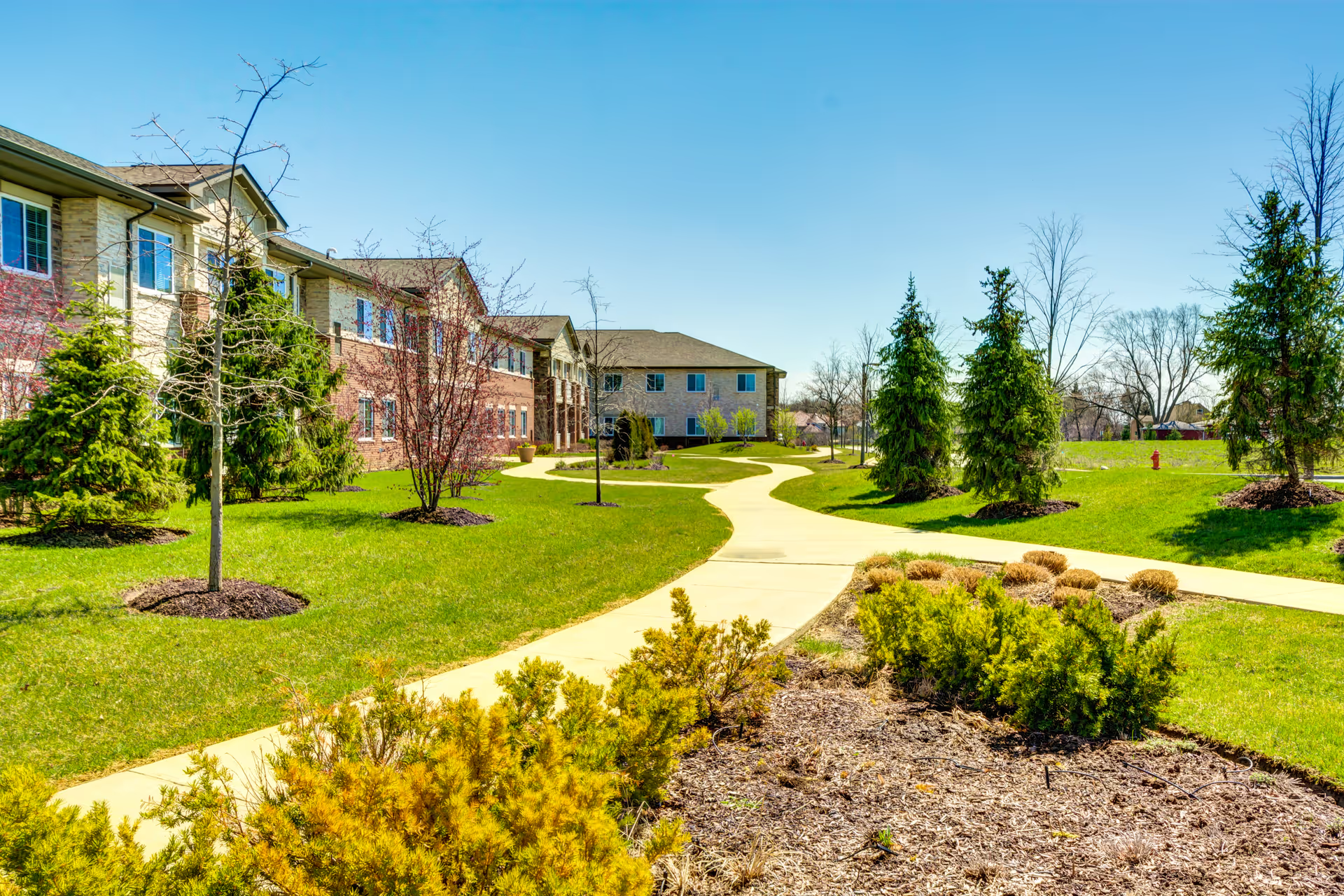
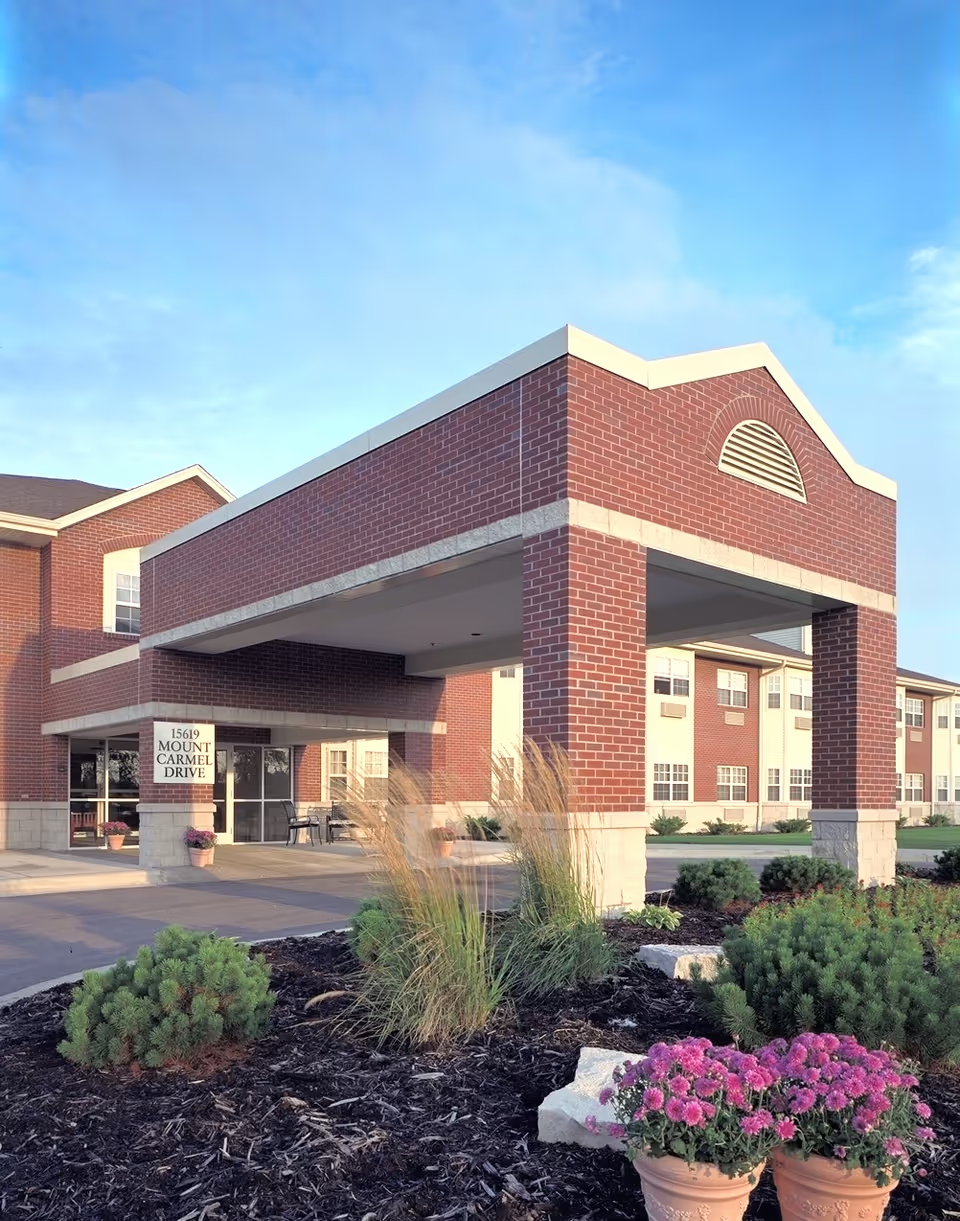
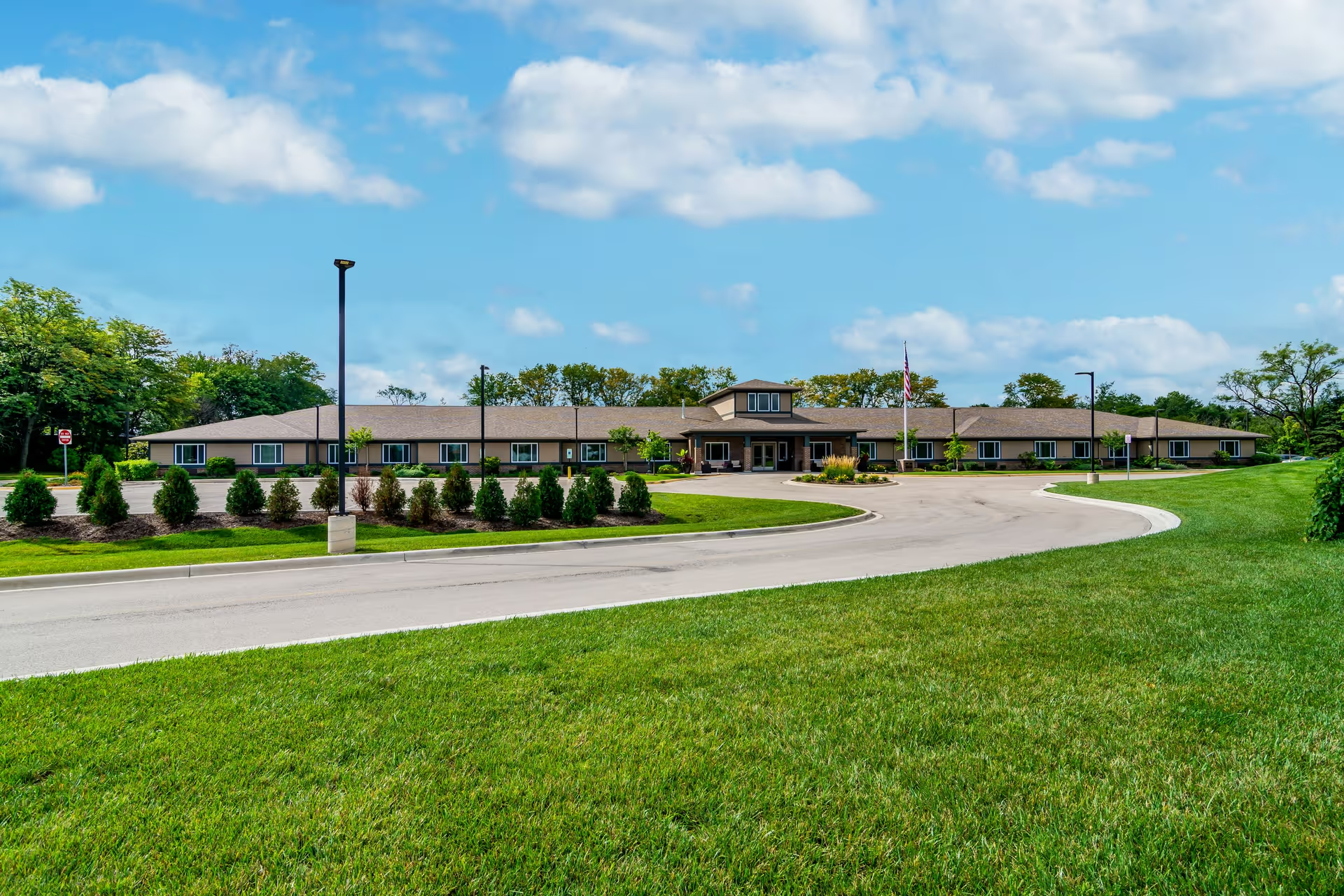
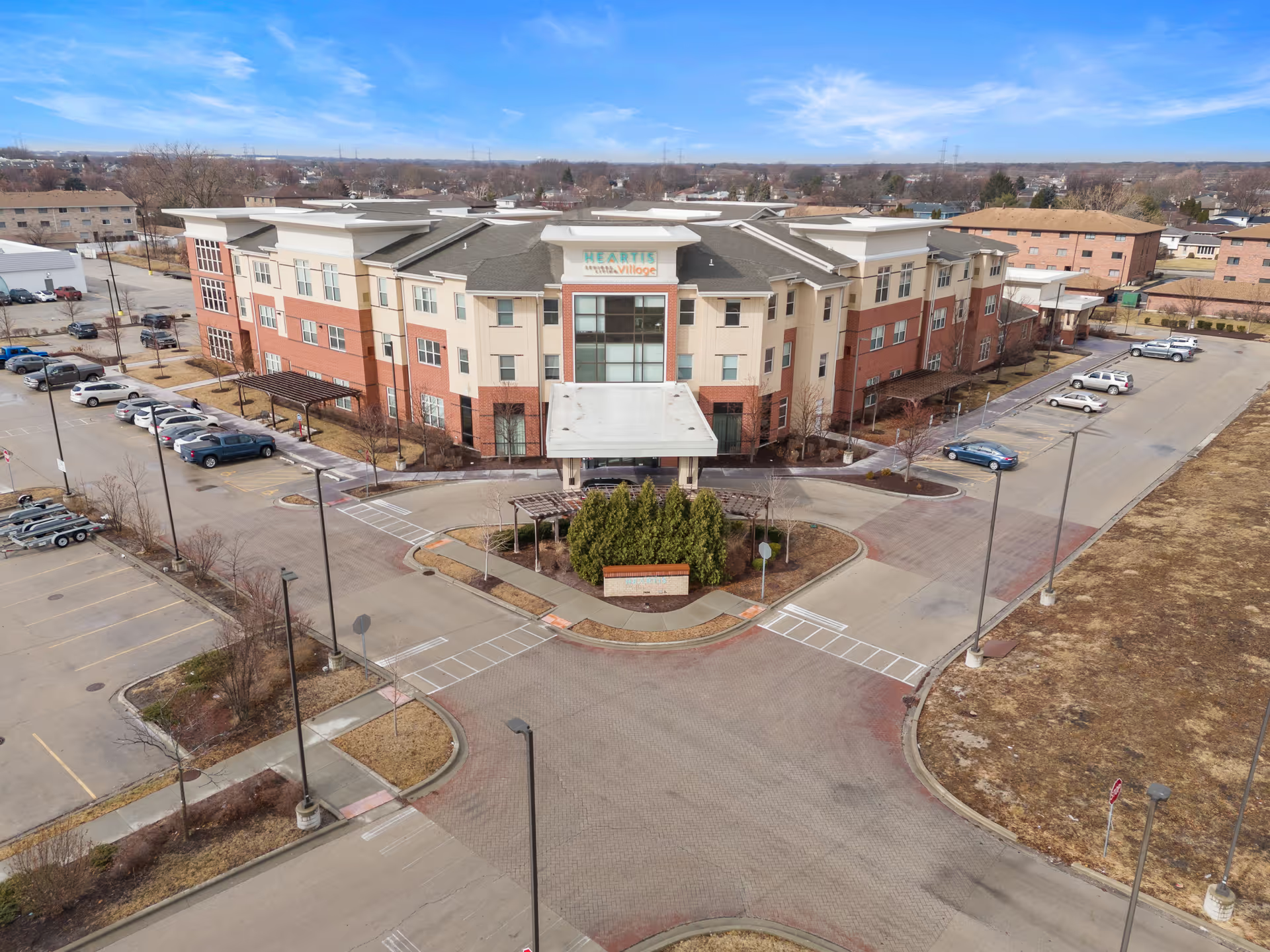
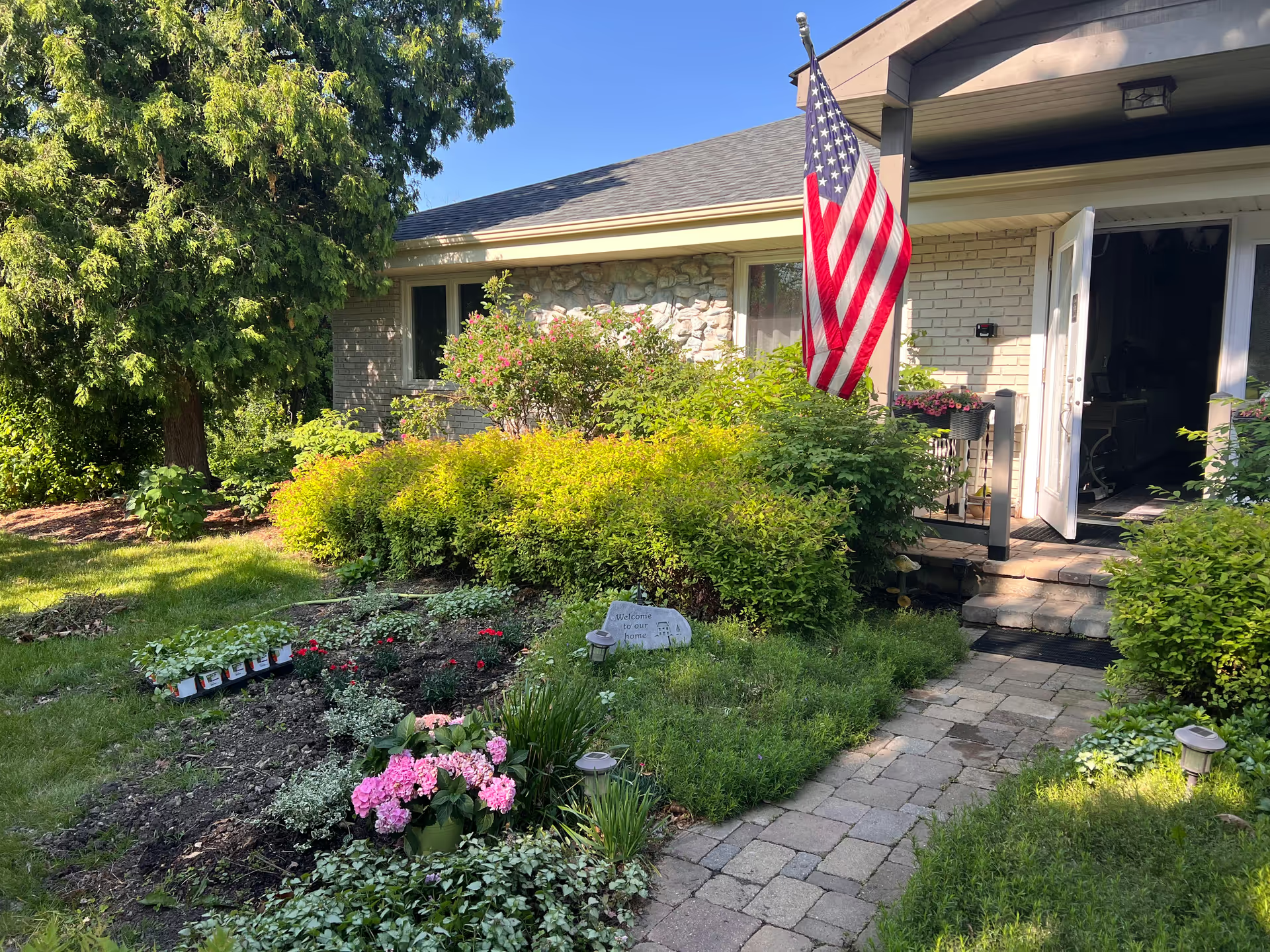
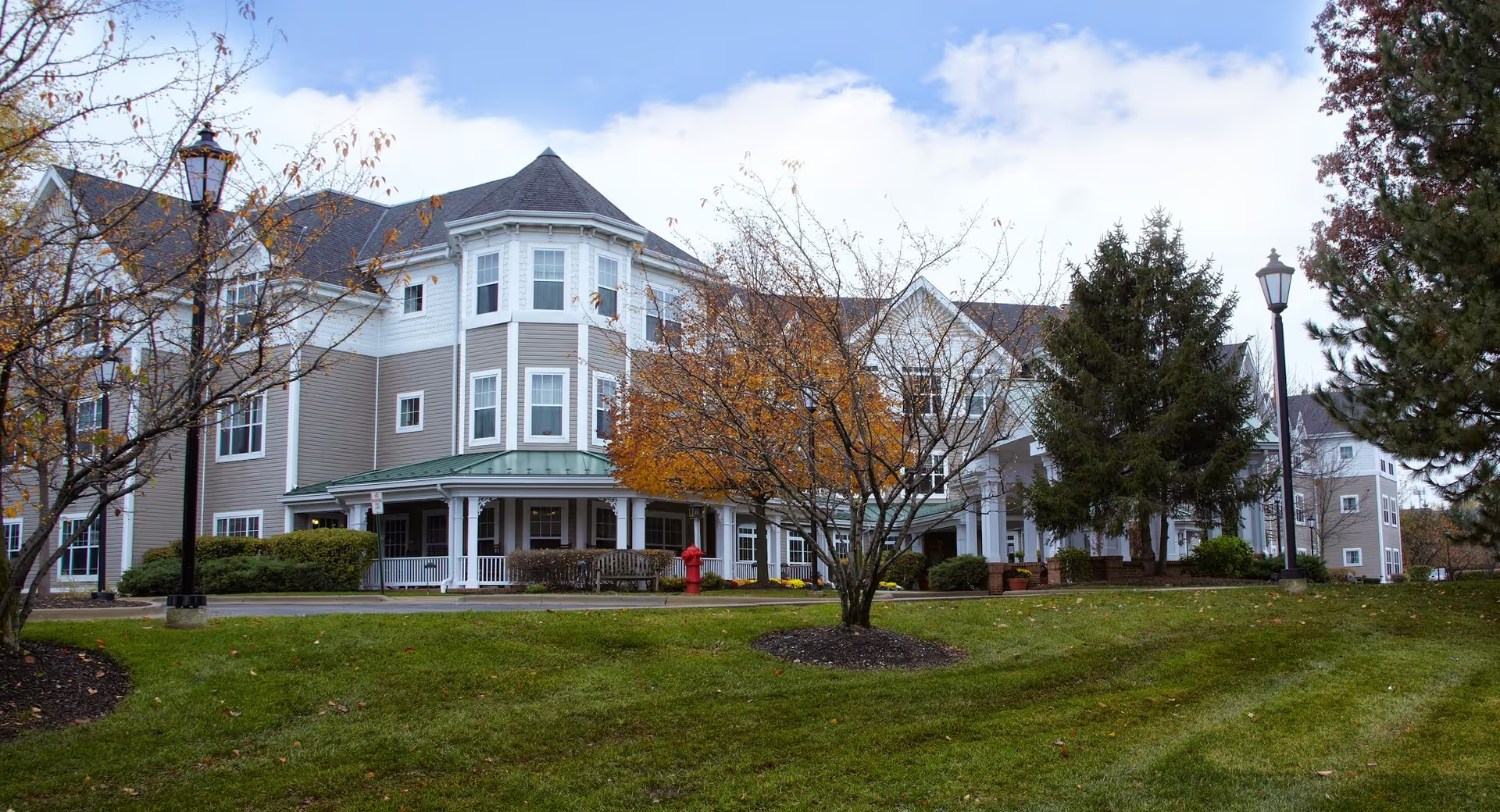
Overall impression: Reviews of the facility are mixed. A substantial number of accounts describe a well-maintained, peaceful campus with active programming and a clearly articulated Catholic identity. Many families and residents praise the on-site chapel, daily Mass, varied activities (ice cream socials, arts and crafts, bingo, movies), and the availability of skilled nursing and rehabilitation services. The facility’s grounds, modern appearance, and visitor-friendly spaces are frequently identified as strengths.
Care and staff: Care experiences vary. Positive reports highlight attentive, compassionate caregivers, engaged nursing staff, proactive safety checks, and effective therapy services that support rehabilitation goals. Several reviewers singled out specific staff and supervisors for professional, reassuring communication and thorough move-in and maintenance handling. However, other accounts describe inconsistent staffing levels, delayed responses to resident needs, and variability in staff conduct. These operational inconsistencies appear to affect timeliness of assistance, incontinence-care routines, and the day-to-day resident experience. There are also concerning accounts suggesting gaps in clinical supervision and diagnostic follow-up; such accounts include late clinician visits, incorrect or delayed imaging follow-up, and in at least one case an adverse clinical outcome attributed to procedural problems.
Dining and activities: The activity program is consistently viewed as a positive asset, with regular, inclusive events and communal social opportunities that families value. Dining feedback is more mixed: some reviewers describe satisfactory or good meals, while others characterize the food as inconsistent or unsatisfactory. Prospective residents should expect an active social calendar but consider confirming meal plans and options during a visit.
Facilities and operations: The physical plant and grounds are frequently praised for cleanliness, maintenance, and a calming environment. Room configurations include private options and double-occupancy rooms with curtains for privacy; rooms often have windows and access to outdoor spaces. Operational weaknesses raised include inconsistent laundry and personal-belongings management, occasional front-desk communication issues, and uneven implementation of safety equipment (for example, bed-rail or fall-prevention measures not always in place as expected).
Management and communication: Reports about leadership and management responsiveness are mixed. Some reviews describe outstanding, communicative management and a well-run facility; others point to periods of understaffing, delayed responses from nursing leadership, and gaps in family communication after incidents. These patterns suggest variability in day-to-day oversight and escalation practices depending on shift or unit.
Notable patterns and considerations: The dominant pattern is variability — strong performance in environment, therapy, and programming, coupled with inconsistent staffing, responsiveness, and some clinical-process gaps. Because experiences range from highly positive to seriously critical, prospective residents and families should tour the facility during activity times, ask about current staffing ratios and clinical supervision, review wound-care and infection-control protocols, inquire about laundry and belongings policies, and clarify how the facility communicates and escalates clinical concerns. For families with higher-acuity needs, request specifics on recent clinical outcomes, availability of on-site medical support, and protocols for diagnostic follow-up and pain or symptom management.
Bottom line: The facility offers notable strengths in campus quality, religious programming, activities, and rehabilitation services, but operational variability—particularly around staffing consistency, responsiveness, dining, belongings management, and some clinical processes—warrants careful, targeted inquiry before placement.