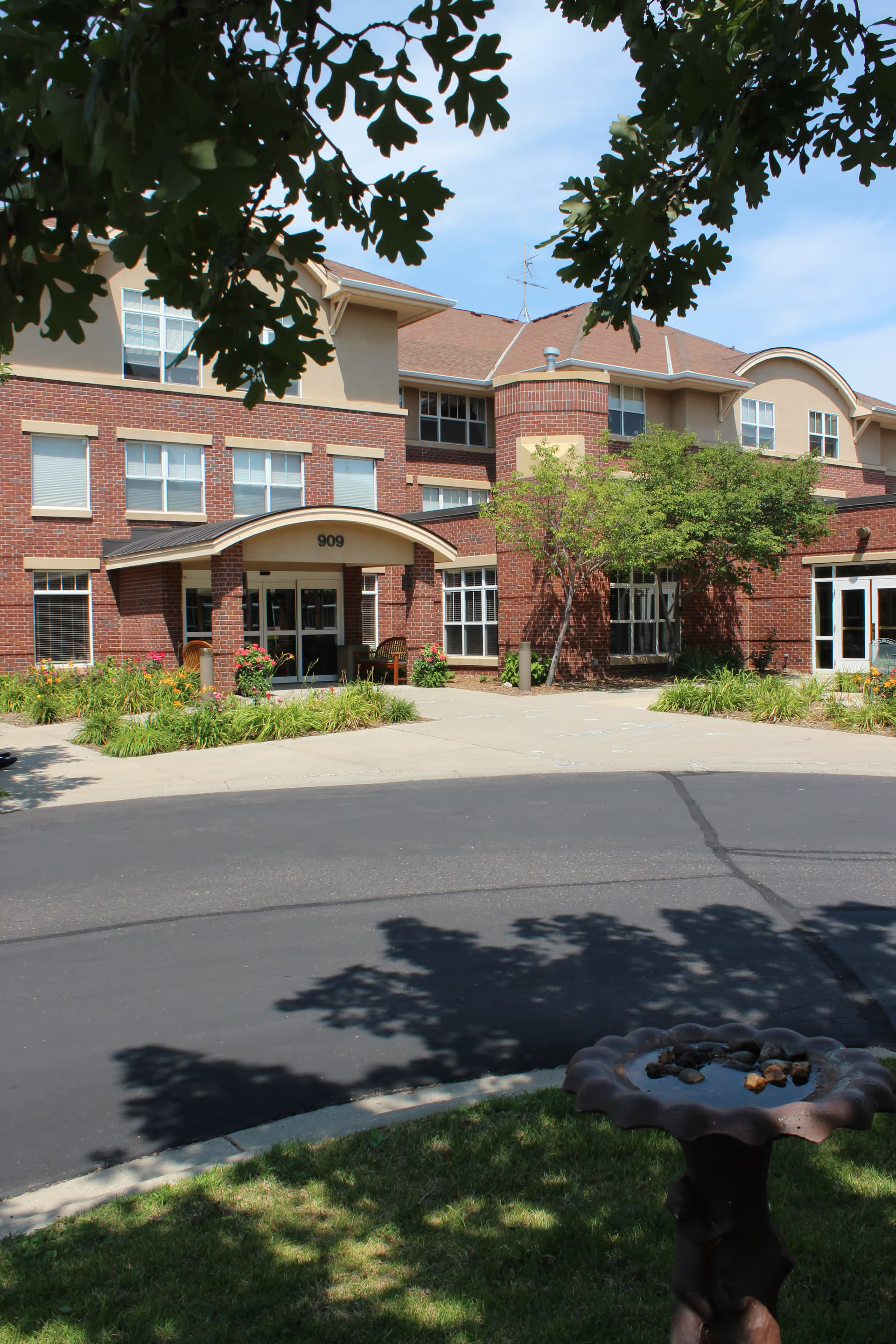
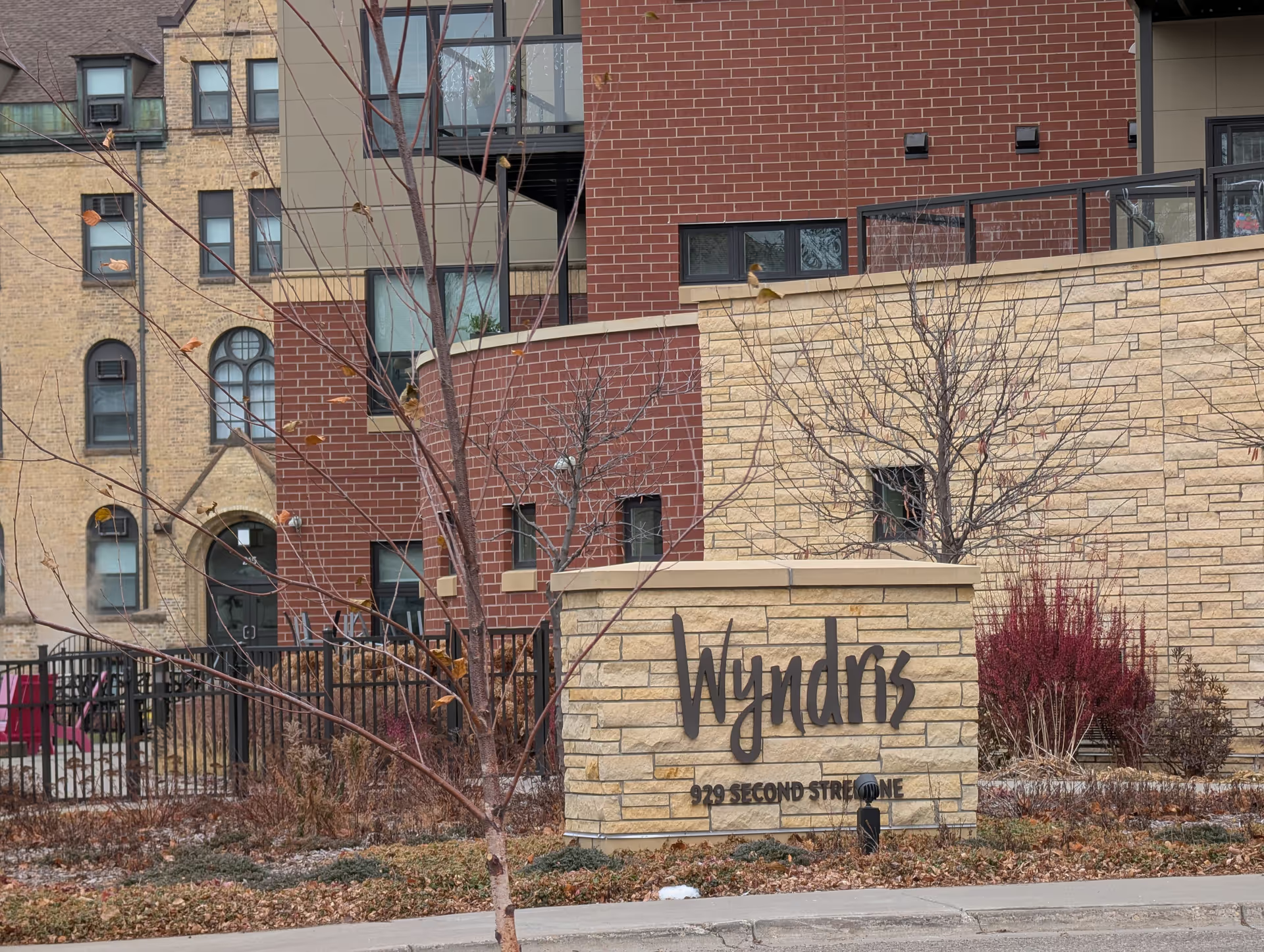
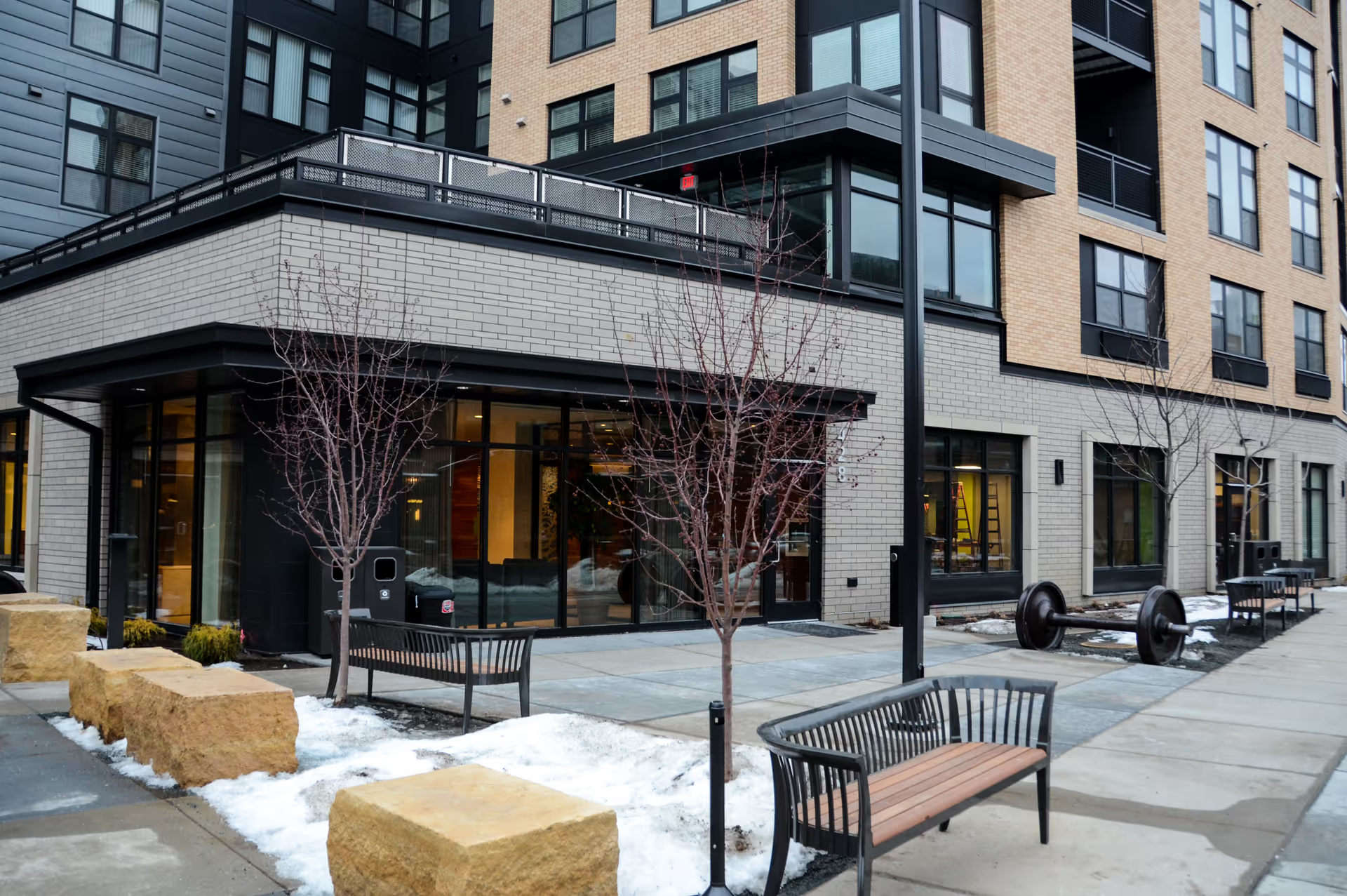
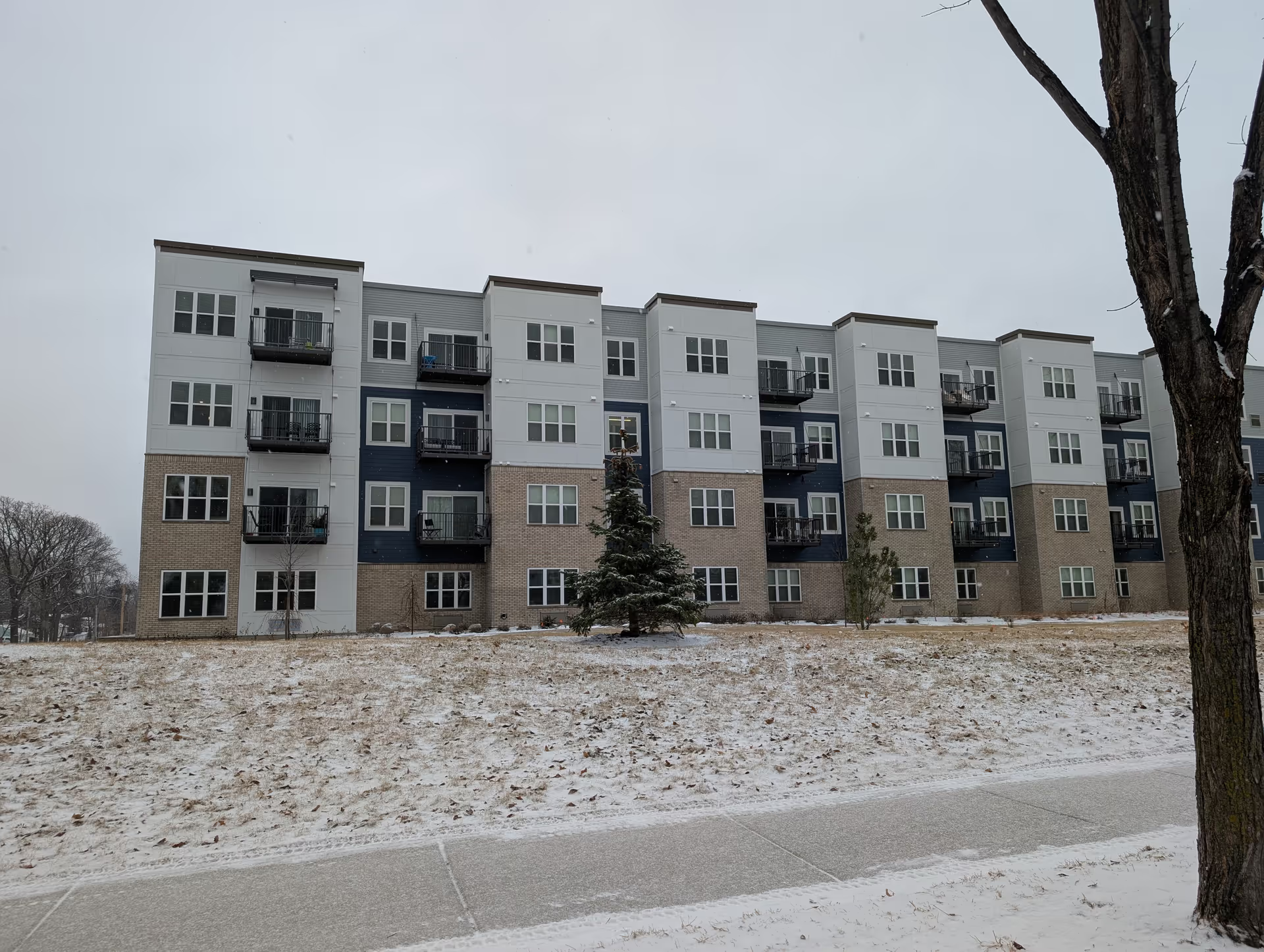
The reviews present a polarizing picture of care at this facility. Many families and participants praise the direct-care staff, rehabilitation therapy, day-program activities, and pastoral services — noting compassionate caregivers, effective therapy teams, active programming, and regular access to Mass and communion. Several accounts describe comfortable, spacious common areas and accommodations, and positive family communication from certain care teams. These favorable comments indicate that the facility has functional strengths in therapy, activities, spiritual support, and, in parts of the building, well-maintained physical spaces.
Counterbalancing those positives are consistent operational concerns clustered around clinical oversight and consistency of daily care. Several reviewers described delayed or incorrect medication administration, lapsed medication orders, and instances where pain or other scheduled medications were not delivered on time. There are repeated references to inconsistent responsiveness to call lights and long waits for assistance, which reviewers connected with variability in nursing attention and aide availability. Relatedly, reports point to inconsistencies in incontinence care, bathing schedules, wound care, and monitoring of chronic conditions — all of which suggest gaps in day-to-day clinical processes and oversight.
Staffing and management themes are mixed. Some reviews commend strong, well-coordinated teams and attentive administration; others describe low staff morale, overworked aides, and a lack of training or supervisory follow-through. A few reviews recount negative interactions when concerns were raised with leadership, and one review referenced a regulatory finding against the facility — families should review the facility’s current inspection and enforcement history. Communication and administrative processes are another recurrent issue: billing and insurance complications, inconsistent notifications to families, and variable follow-through from management are mentioned alongside examples of good family communication from particular units.
Dining, activities, and environment show variability by shift and unit. Many reviewers complimented food quality and found the environment clean and engaging; other accounts cited cold or repetitive meals and sanitation inconsistencies in some areas. Noise and nighttime disruptions (including early-morning exterior activity) were singled out as affecting sleep for some residents. Overall, the reviews suggest that the resident experience depends substantially on which unit, shift, and care team a resident encounters.
Recommendations for prospective residents and families: conduct an in-person tour that includes observation of multiple units and a night/early-morning visit if possible; ask for details on medication-administration protocols, wound-care plans, staffing ratios by shift, and how the facility documents and follows up on family concerns; review recent state inspection reports and any corrective actions; and speak directly with therapy, nursing leadership, and the pastoral coordinator to confirm availability of services important to your loved one. The facility demonstrates clear strengths in therapy, activities, and spiritual care, but reviewers also describe important operational weaknesses that warrant direct inquiry and verification during the selection process.