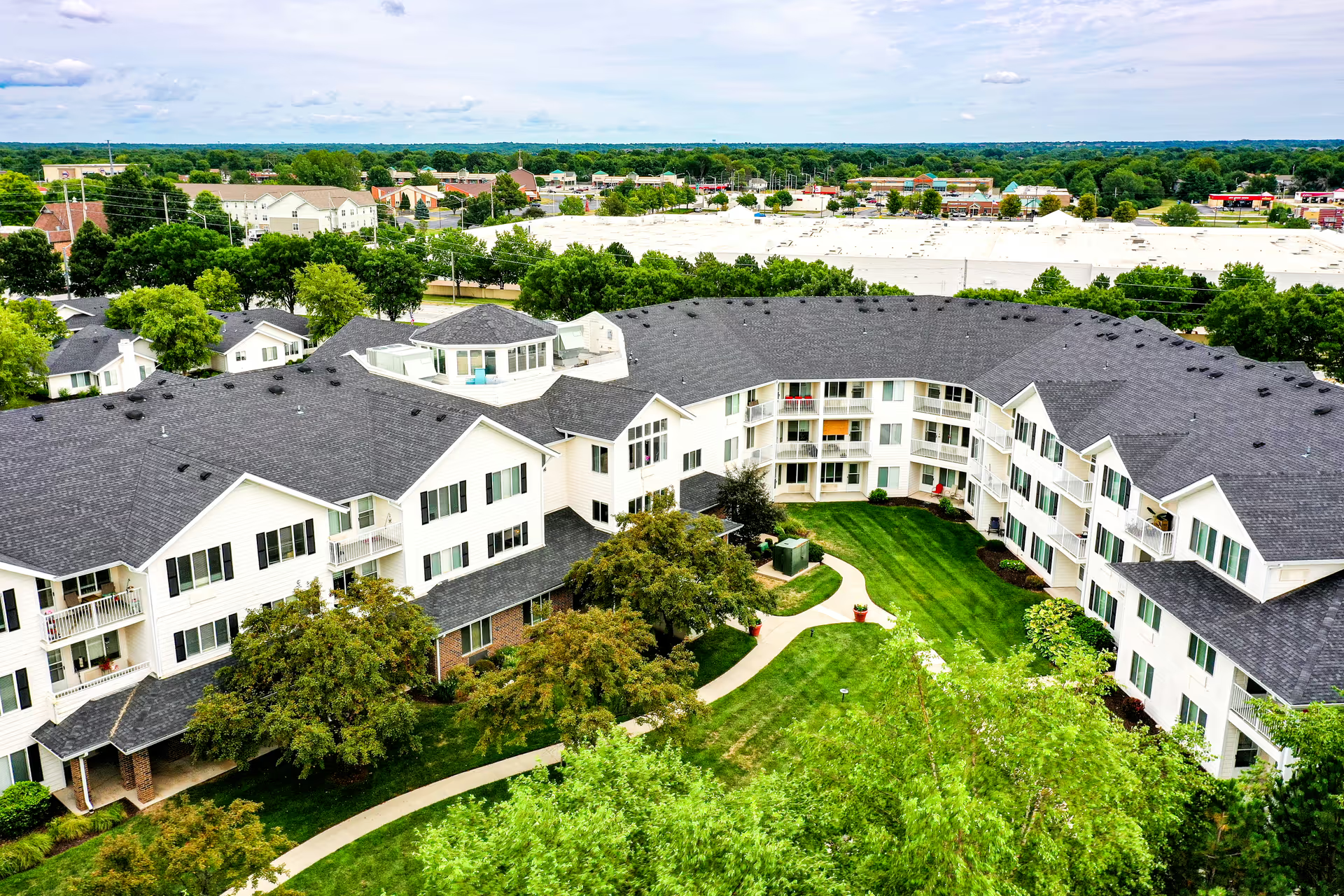
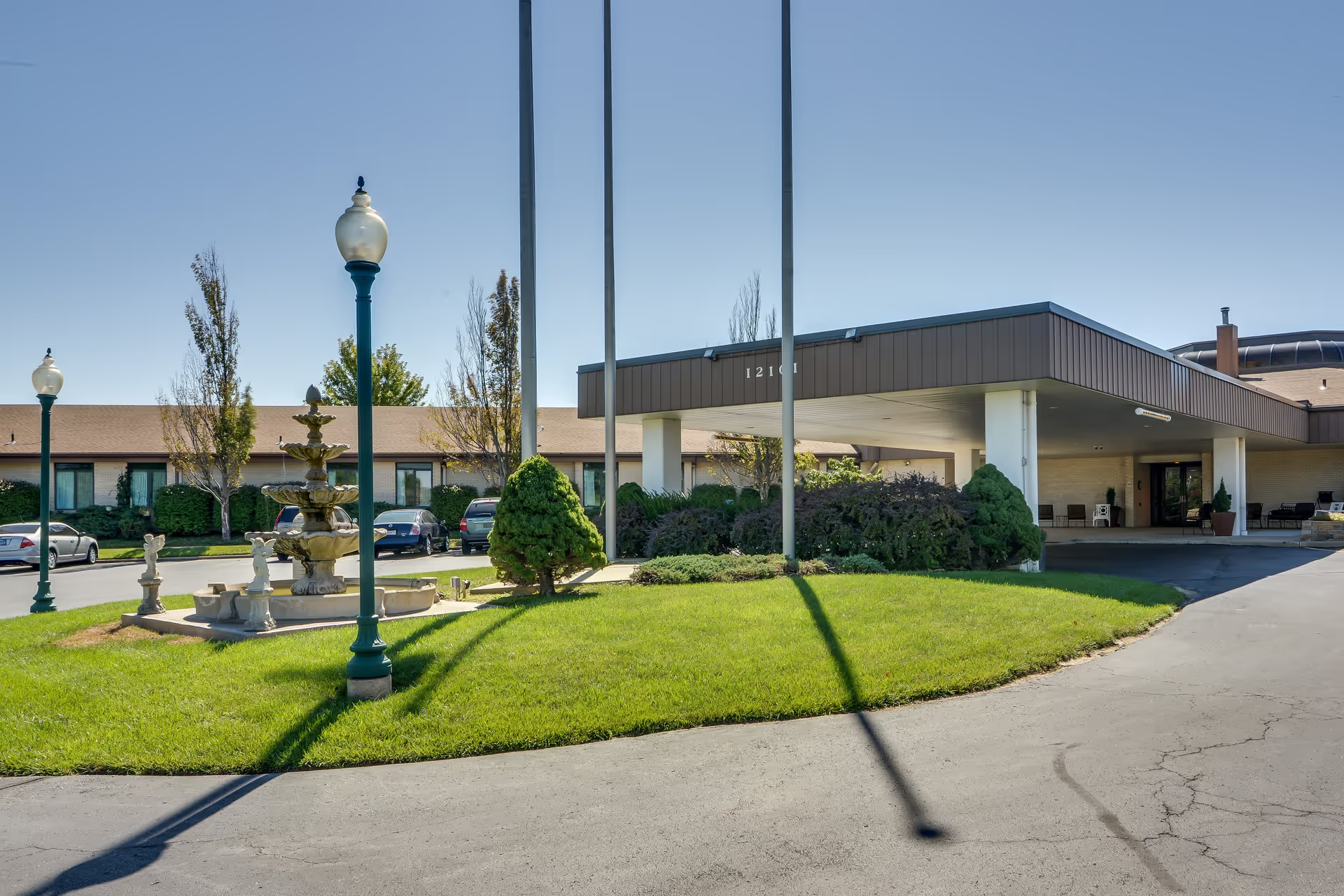
Lee's Summit Pointe Health & Rehabilitation presents a mixed picture in reviewer feedback. Positive comments emphasize a small, apartment-style environment with a home-like atmosphere, private accommodations, and convenient access to local amenities. The facility offers 24-hour nursing coverage and on-site physical therapy, and several reviewers described improvements in resident well-being. Dining and social programming are frequently cited strengths: reviewers mention appealing food and a range of activities such as dance lessons, game nights, movie showings, local performances, and religious services that contribute to resident engagement.
Care quality and responsiveness show variability across reviews. Multiple accounts praise caring and helpful staff members, but others describe delays in staff response to call signals and situations in which residents did not receive timely assistance. These reports suggest operational weaknesses around alarm-response practices and resourcing for higher-acuity needs. One review raised concerns about clinical intake for residents arriving with higher care needs, indicating potential gaps in triage or placement procedures.
Communication and staff conduct are additional areas with divergent feedback. Families who felt well supported noted respectful interactions, while other reviewers reported difficulty reaching staff by phone and limitations on receiving health updates remotely. Some comments describe impatient interactions with staff — together these items indicate inconsistent professionalism and gaps in family–facility communication protocols.
The facility’s activity and dining programs are clear strengths. Regularly scheduled social events and religious services were described as meaningful contributors to daily life and socialization. Reviewers who highlighted the food and programming reported a positive impact on residents’ morale and engagement.
Facility environment feedback is mixed. Positive remarks focus on privacy, the apartment-style layout, and a smaller scale that can feel more personal than larger institutions. Conversely, other reviews raised sanitation and housekeeping inconsistencies and incontinence-care delays, indicating variability in daily care routines and environmental maintenance.
Overall, the pattern that emerges is one of a facility with notable social and environmental positives but with operational inconsistencies that could affect clinical safety and family confidence. Prospective residents and families would be advised to tour the building, observe response times to call systems, ask about staffing ratios and triage practices for higher-acuity admissions, request the facility’s policies on family communication and phone-based updates, and inquire about housekeeping and incontinence-care protocols before deciding. These steps can help clarify whether the facility’s strengths align with an individual resident’s care needs and expectations.