The reviews describe a facility with strongly polarized experiences: many families and former residents praise the personal warmth, therapy services, hospice support, and the welcoming admissions process, while other accounts raise operational and clinical concerns that affect day‑to‑day resident care. Positive comments commonly reference caring nursing staff, effective physical and occupational therapy, a helpful admissions coordinator, an active calendar of resident activities, and generally well‑kept public spaces. These strengths indicate capacity for good clinical and social support when staffing and processes are functioning as intended.
On the clinical side, reviewers identified both consistent strengths and notable gaps. Strengths include attentive nursing teams in many units, capable therapy departments that assisted recovery, and a hospice unit described as tailored to needs. Reported weaknesses are operational: inconsistencies in delivering ordered therapy, lapses in medication handling and storage controls, gaps in monitoring frequency and responsiveness, and weaknesses in skin‑integrity/pressure‑injury prevention practices. A few reviews include serious allegations of mistreatment and medication lapses; these claims exceed routine complaints and warrant direct follow‑up with facility leadership and appropriate oversight bodies.
Staff professionalism and communication show similar variability. Numerous accounts highlight kind, patient, and informative staff — especially in admissions, front desk, and social services — and note low aide turnover in some areas. Conversely, other reports describe unresponsive or distracted staff, inconsistent family communication, and instances of discourteous interactions. Staff use of personal devices and slow response times were cited as contributors to perceived inattentiveness.
Dining and activities were mixed. Several reviewers praised engaging activities and social programming that supported resident engagement. Dining impressions were less uniform: some found meals acceptable, while others described inconsistent food quality and service issues. Admissions and coordination of benefits were generally described as supportive, but multiple reviewers also reported problems with insurance authorization and perceived pressure related to payment or placement decisions.
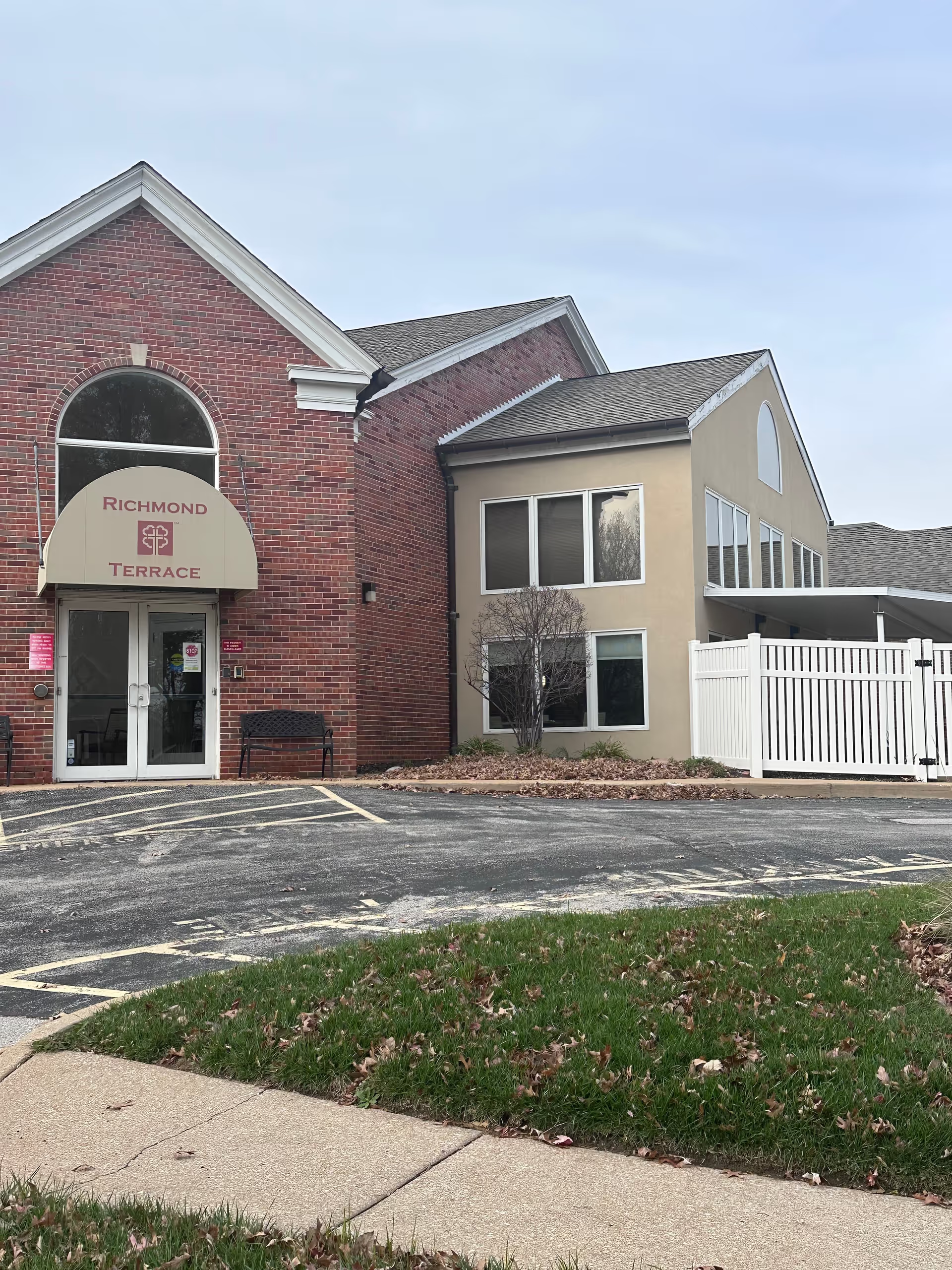
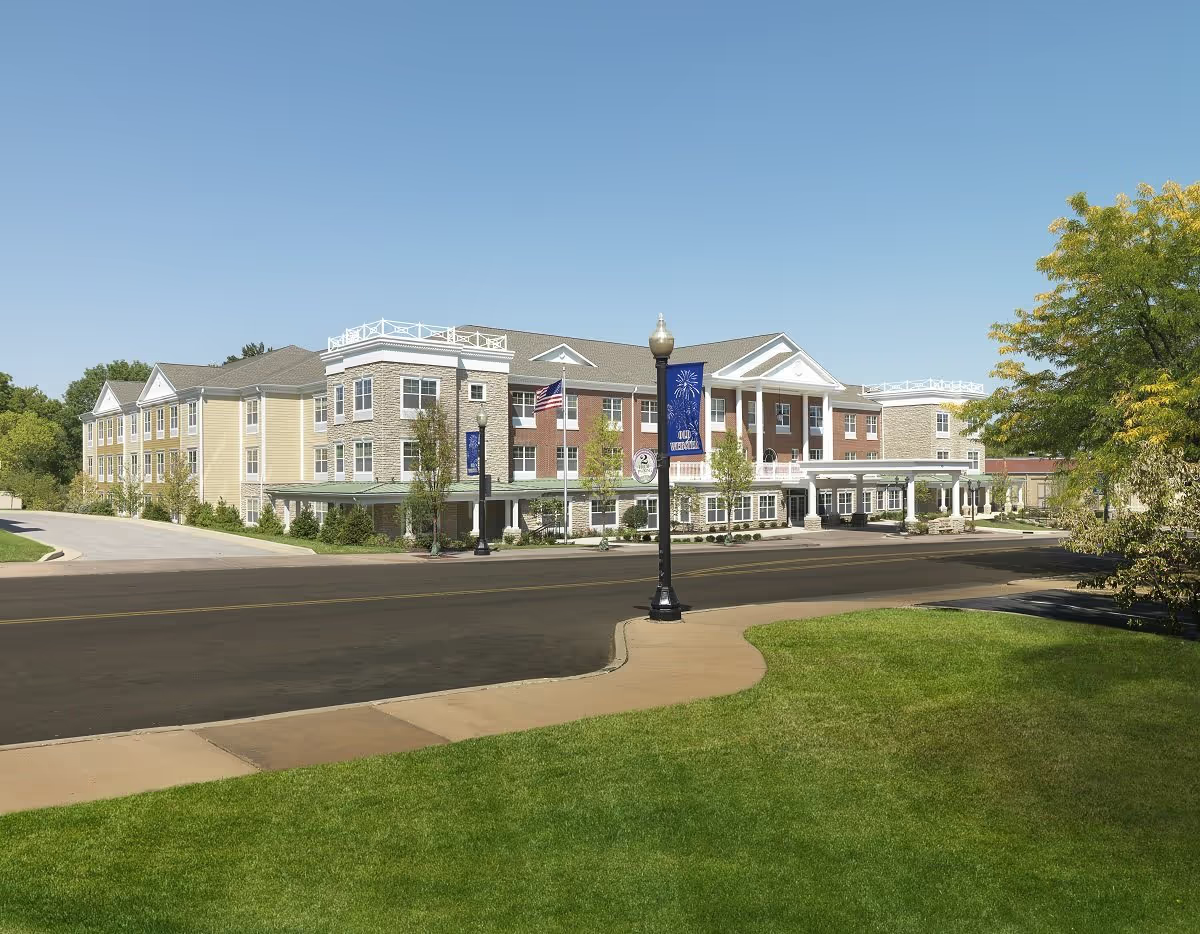
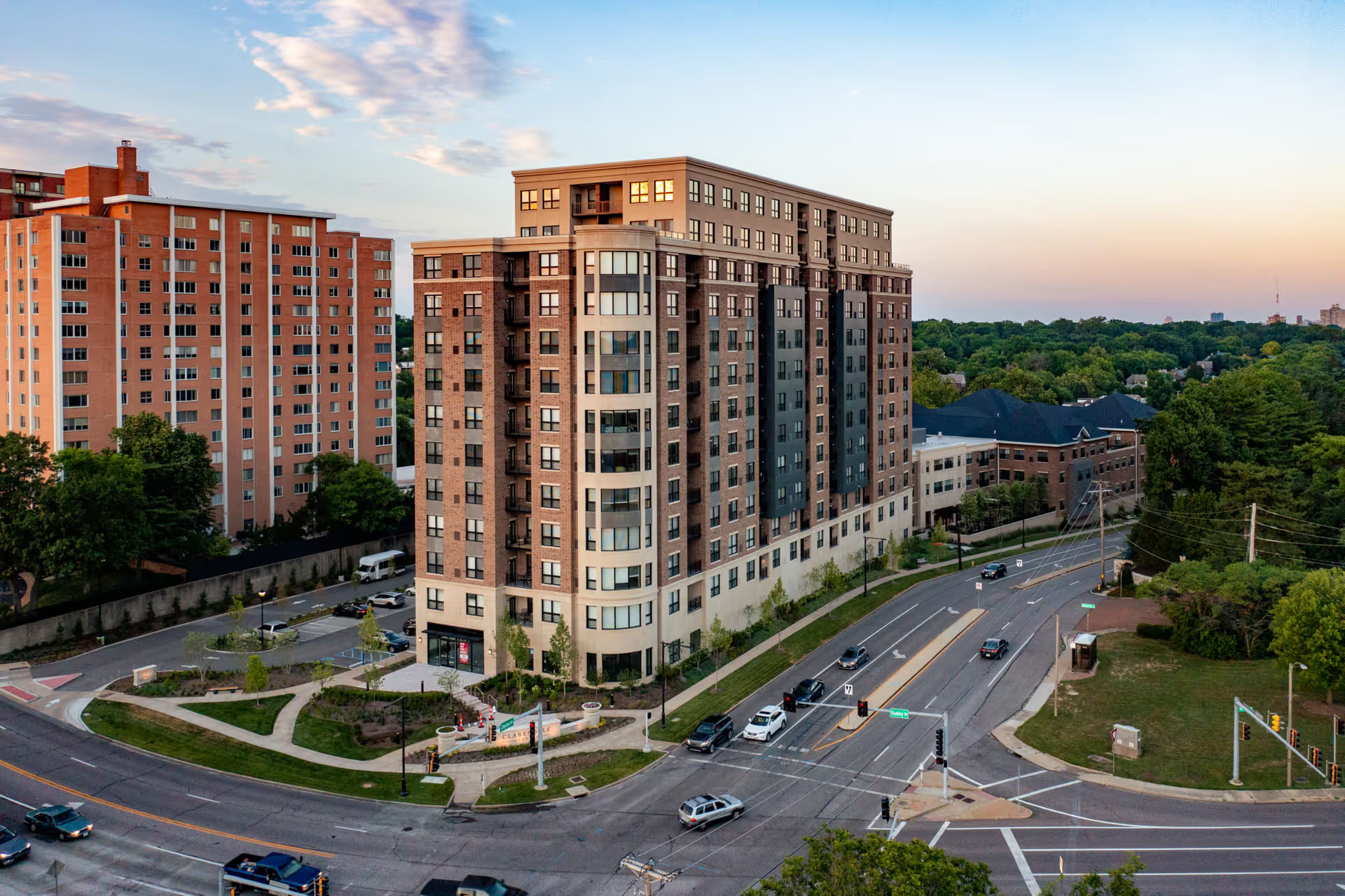
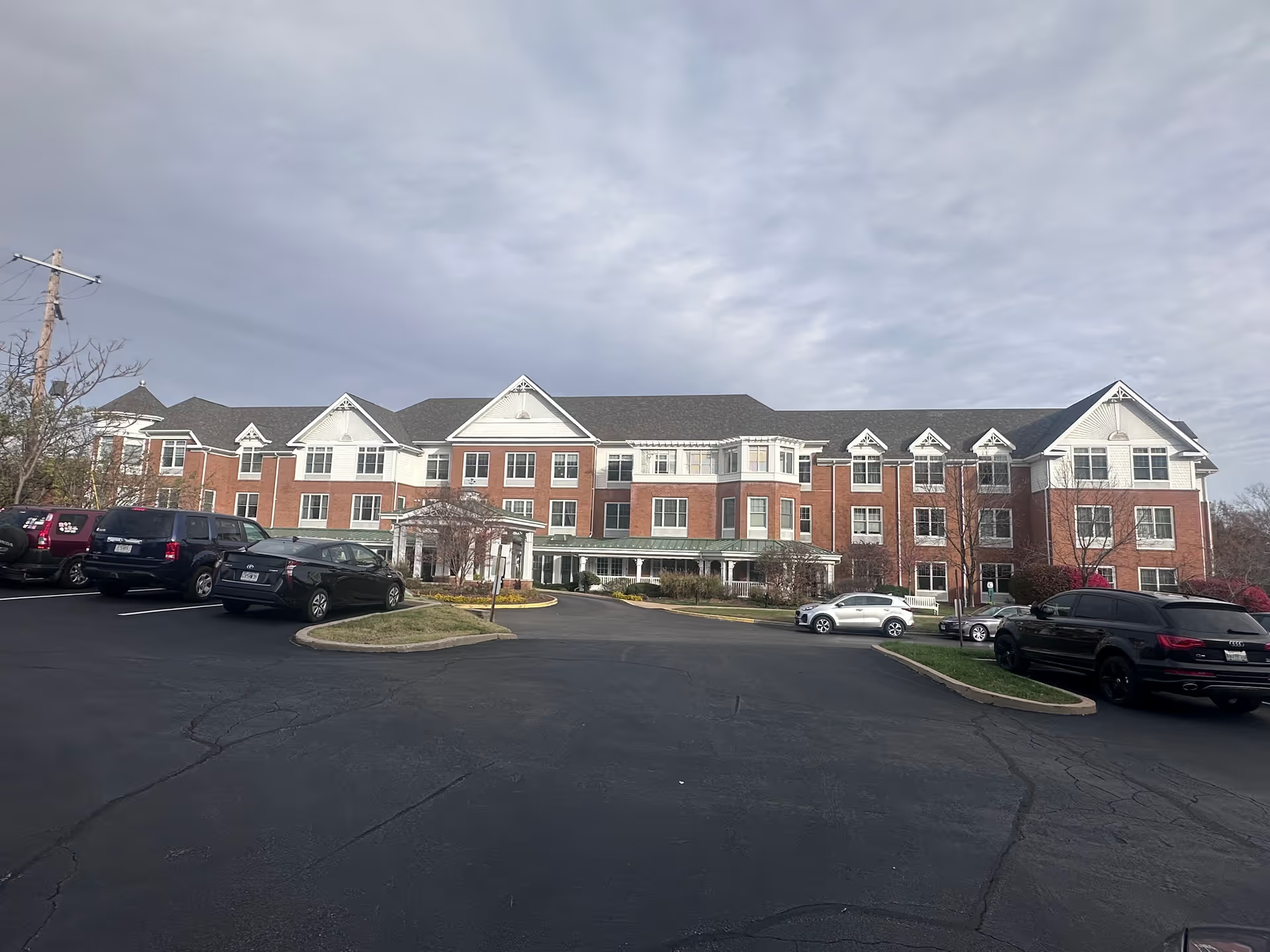
Facility condition and maintenance likewise presented a split picture. Many reviewers described a clean, orderly building and comfortable rooms. At the same time, delayed responses to maintenance requests, broken or inadequate in‑room equipment (phones, clocks, safety railings), and crowded room configurations were reported. Safety‑equipment installation and environmental‑safety follow‑through emerged as operational areas to confirm during a visit.
Management and administration are recurring focal points. Positive experiences cite smooth admissions and helpful social‑services coordination; negative experiences point to weak administrative communication, perceived indifference from ownership or clinical leadership, and inconsistent enforcement of policies. These management‑level issues appear linked to several operational problems (staffing, maintenance, and clinical consistency).
Overall, the pattern is one of uneven performance: the facility demonstrates clear capabilities in therapy, hospice, admissions, and resident activities, and many families reported high satisfaction. At the same time, recurring operational weaknesses — particularly inconsistent clinical follow‑through, staffing shortfalls, medication controls, incontinence‑care scheduling, and maintenance responsiveness — have a substantial negative impact when they occur. Prospective residents and families would be advised to confirm current staffing levels, medication‑administration protocols, monitoring routines, and maintenance responsiveness during an in‑person visit and to ask management how the facility addresses serious complaints and regulatory follow‑up.