The reviews for Cranford Rehab and Nursing Center present a mixed picture: many families and former residents praise the facility’s rehabilitation strengths, personable staff, and clean, spacious environment, while others describe significant operational and clinical concerns. The facility’s physical and occupational therapy program and rehab gym receive consistent positive mention; multiple accounts describe successful short‑term rehabilitation and staff who provide individualized attention. Reception, front‑desk interactions, and housekeeping are frequently noted as welcoming and well maintained, contributing to a home‑like atmosphere on parts of the campus.
Care quality appears uneven. Positive experiences emphasize attentive nursing aides and supportive leadership from the Director of Nursing and management, but other accounts point to inconsistent clinical responsiveness, delayed escalation to higher levels of care, and lapses in medication administration and pharmacy coordination. There are specific clinician‑care pattern concerns such as gaps in wound‑care practices and what reviewers characterize as serious pressure‑injury management failures. Several comments also raise infection‑control and improper single‑use supply handling issues that merit direct follow‑up by families and regulators.
Dining and daily living services show variability. Some reviewers describe helpful, personalized attention and adequate meals, while others indicate inconsistent meal delivery and dissatisfaction with food quality. Activities and entertainment staff received positive notes for engagement, but noisy hallways and interruptions were also mentioned as factors that can affect resident comfort.
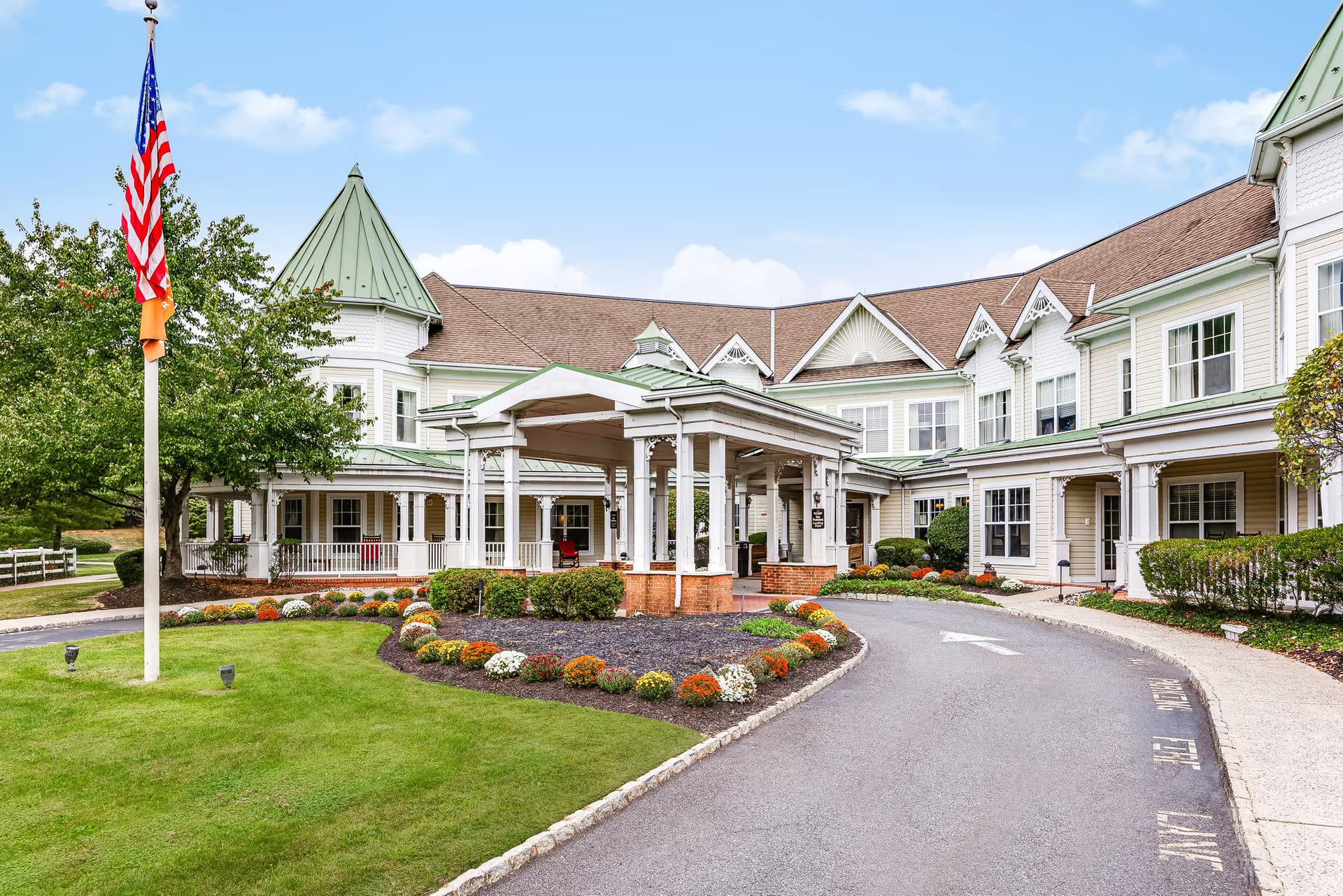
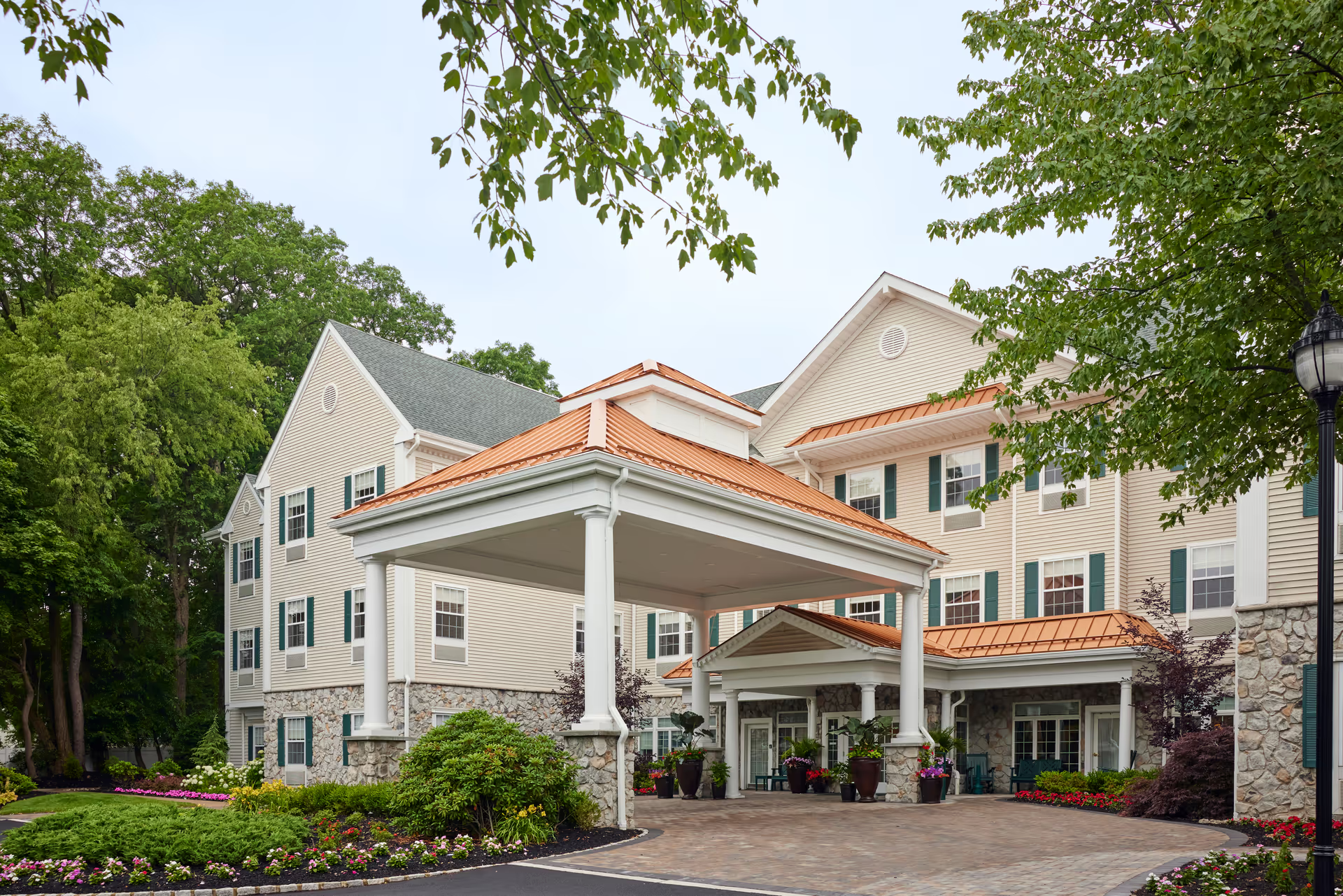
Facility condition and operations are similarly mixed. Strengths include a large, open layout, generous common areas, and convenient parking. Conversely, reviewers cited sanitation and odor concerns in certain areas, equipment reliability problems (for example, resident bed or bathroom fixtures), and delays in maintenance response. Staffing constraints and task prioritization issues were raised as root causes of delayed pharmacy orders, missed care tasks, and unresponsiveness to call buttons.
Management and communication present both positives and vulnerabilities. Several families commend specific managers and clinical leaders for effective coordination and advocacy; however, other reviewers describe communication barriers (including language issues), inconsistent documentation, and dissatisfaction with how complaints are handled. There are also allegations concerning discriminatory or retaliatory conduct and concerns following a resident’s death, which indicate a need for transparent complaint‑resolution procedures and thorough investigation when serious incidents are claimed.
Taken together, the pattern suggests a facility capable of strong rehabilitative outcomes and person‑centered interactions in many units, but one with operational and clinical control gaps that can lead to serious adverse experiences for some residents. Prospective residents and families should tour the unit, meet therapy and nursing leadership, and ask specific questions about medication administration procedures, wound‑care protocols, infection‑control practices, call‑response times, maintenance turnaround, staffing levels, and the facility’s complaint‑resolution process before making placement decisions.