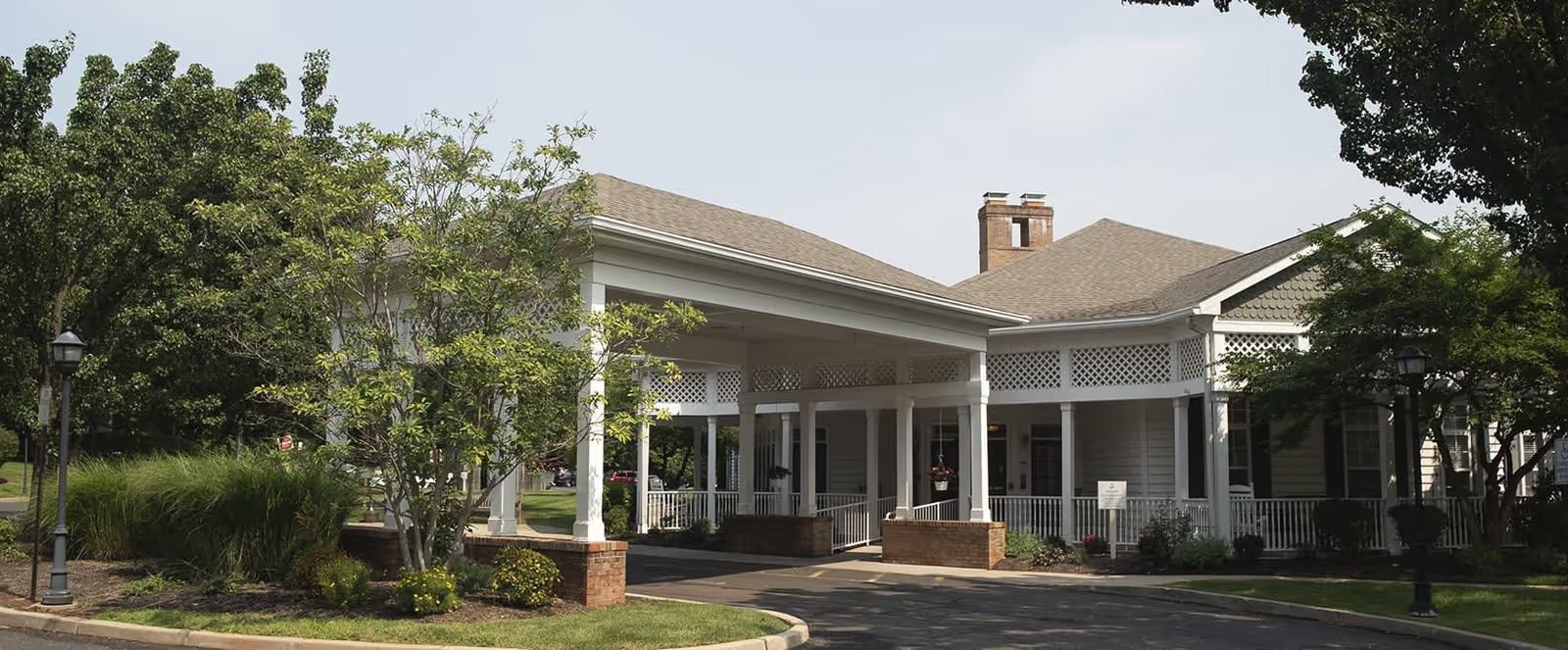
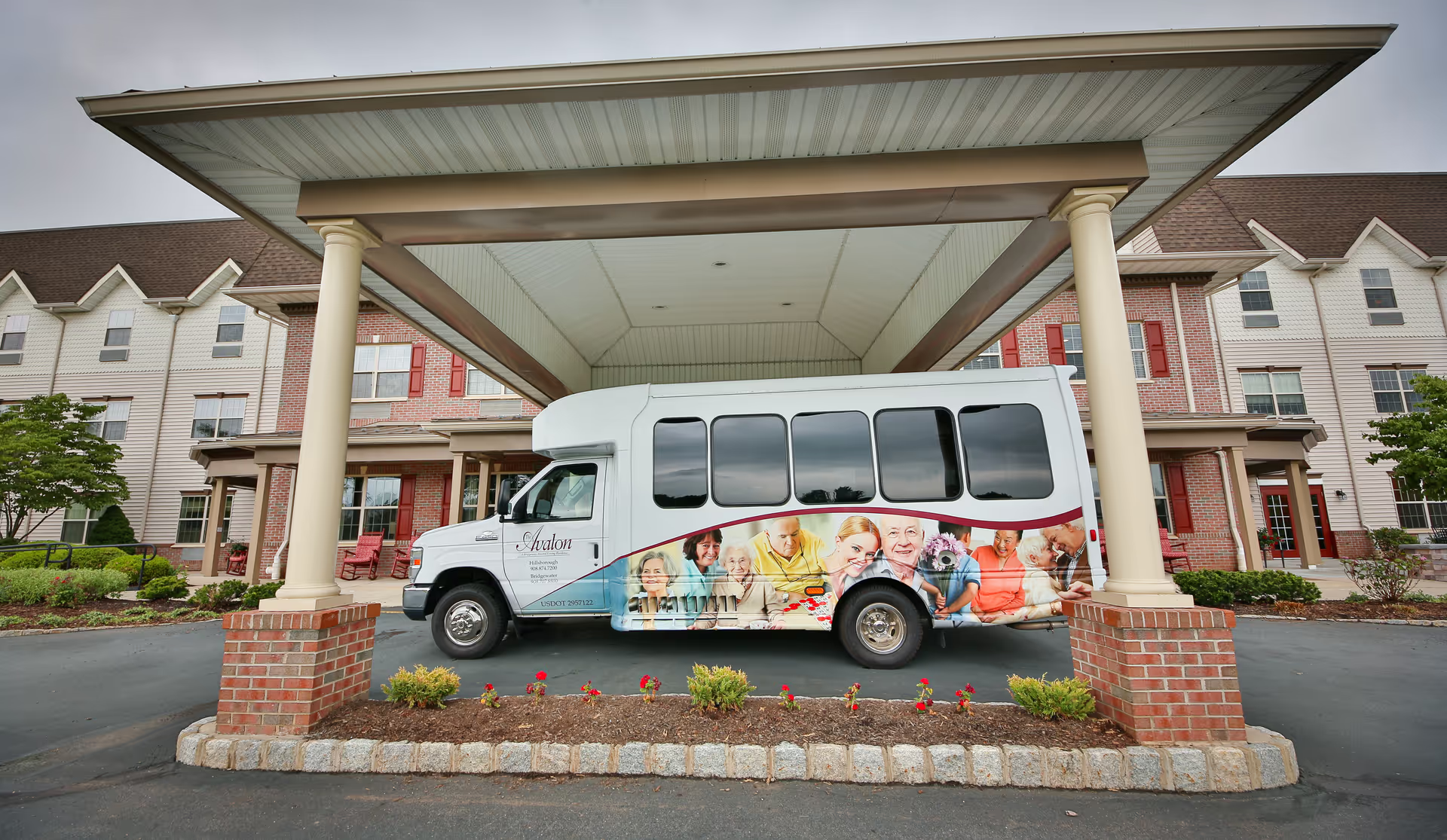
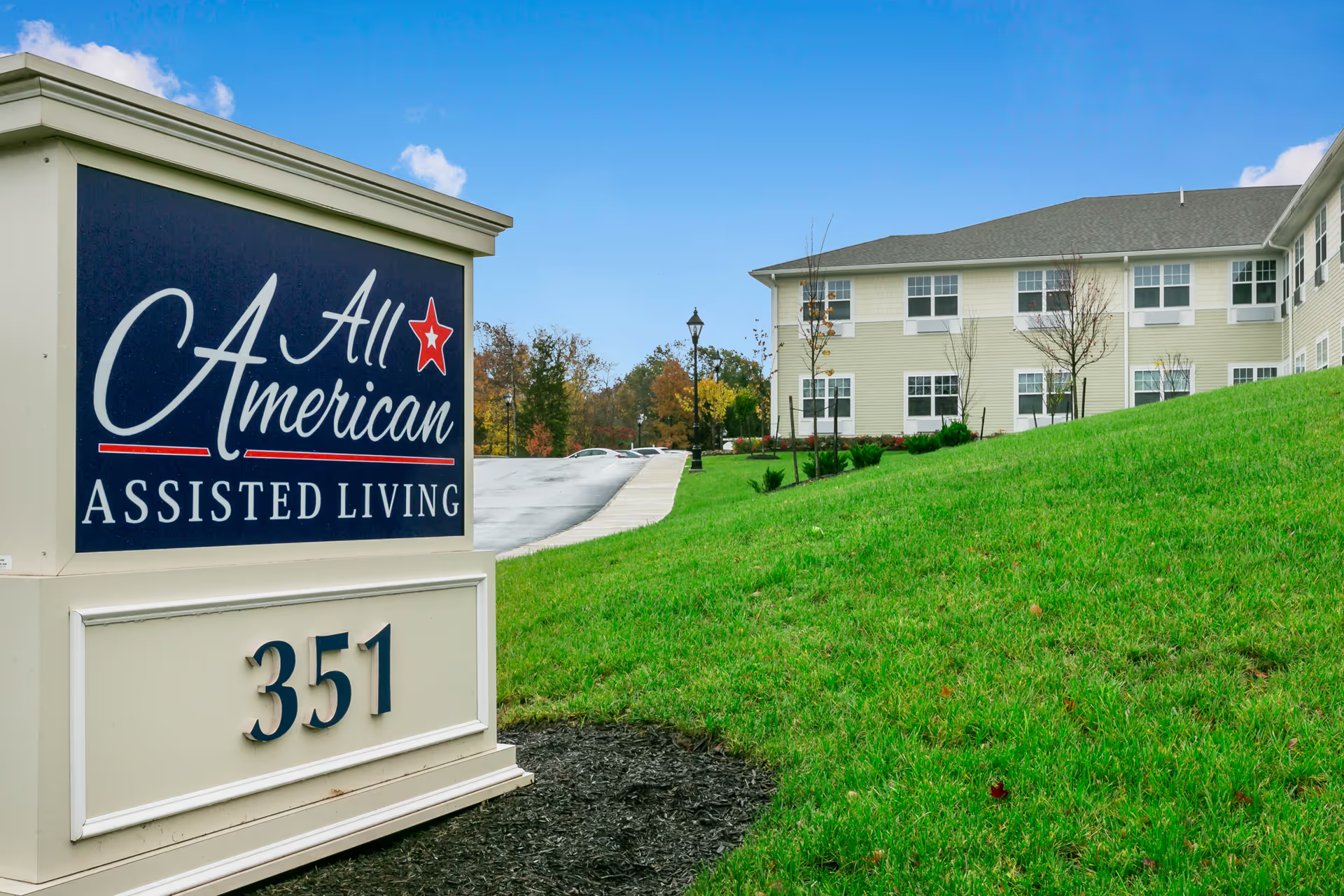
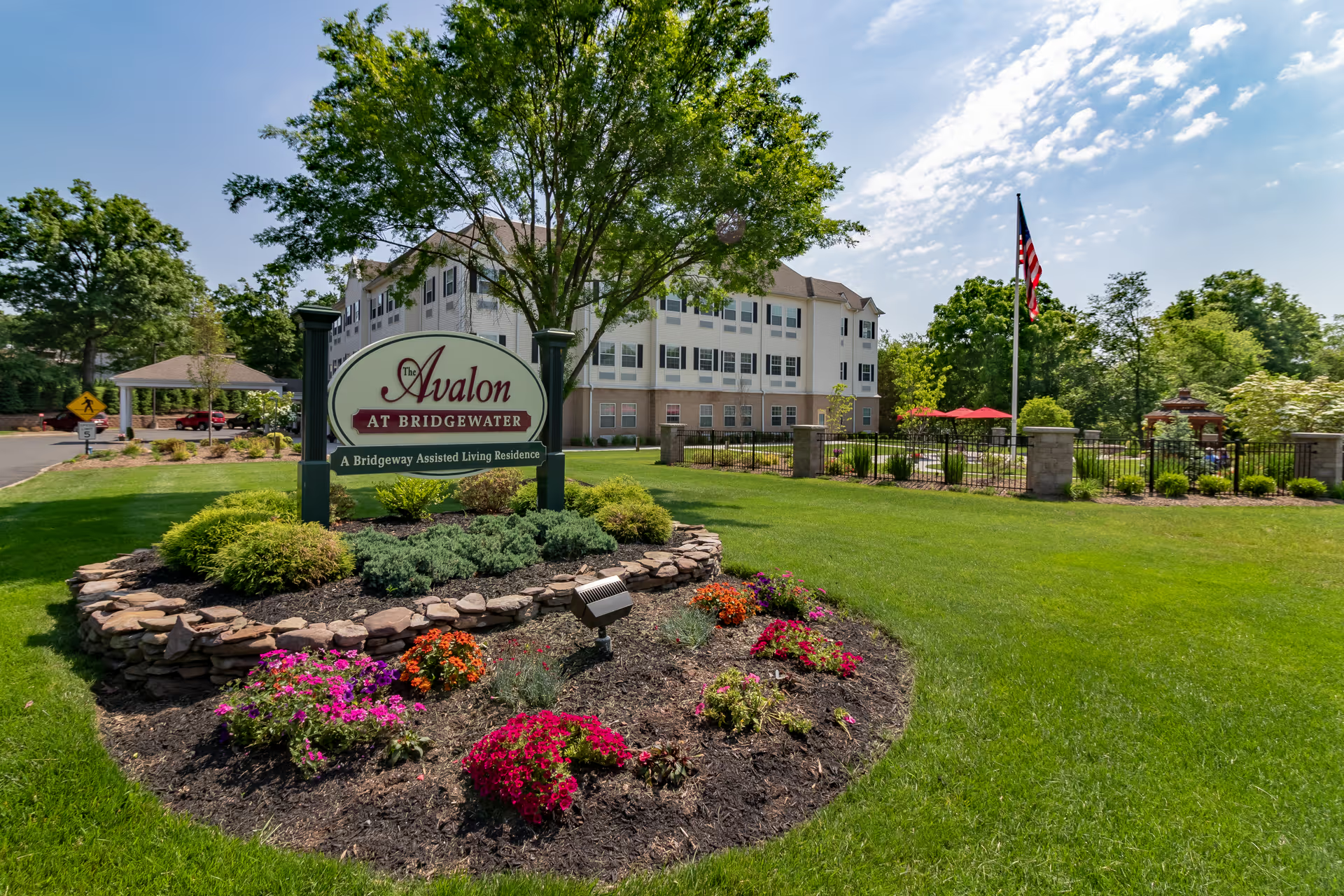
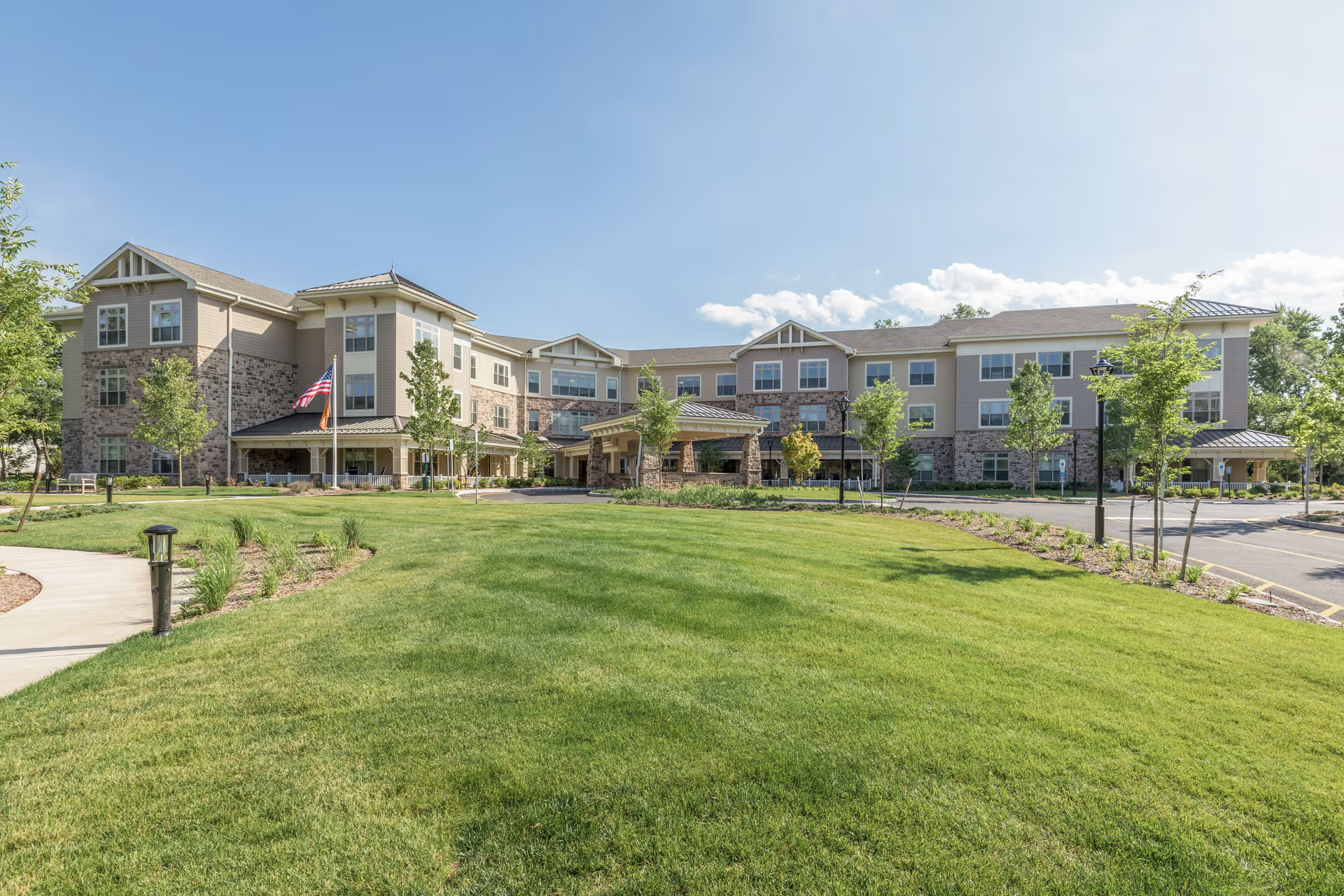
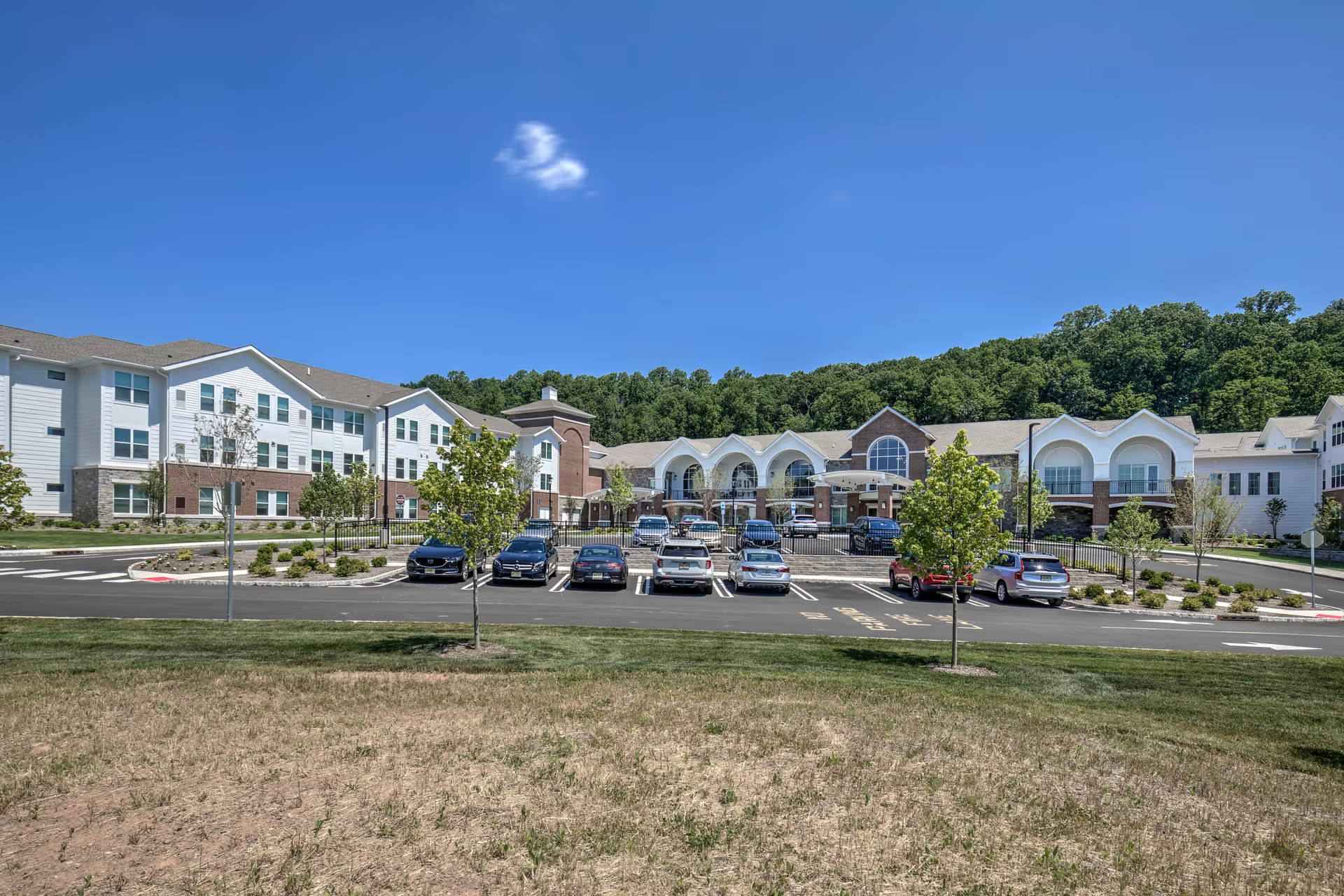
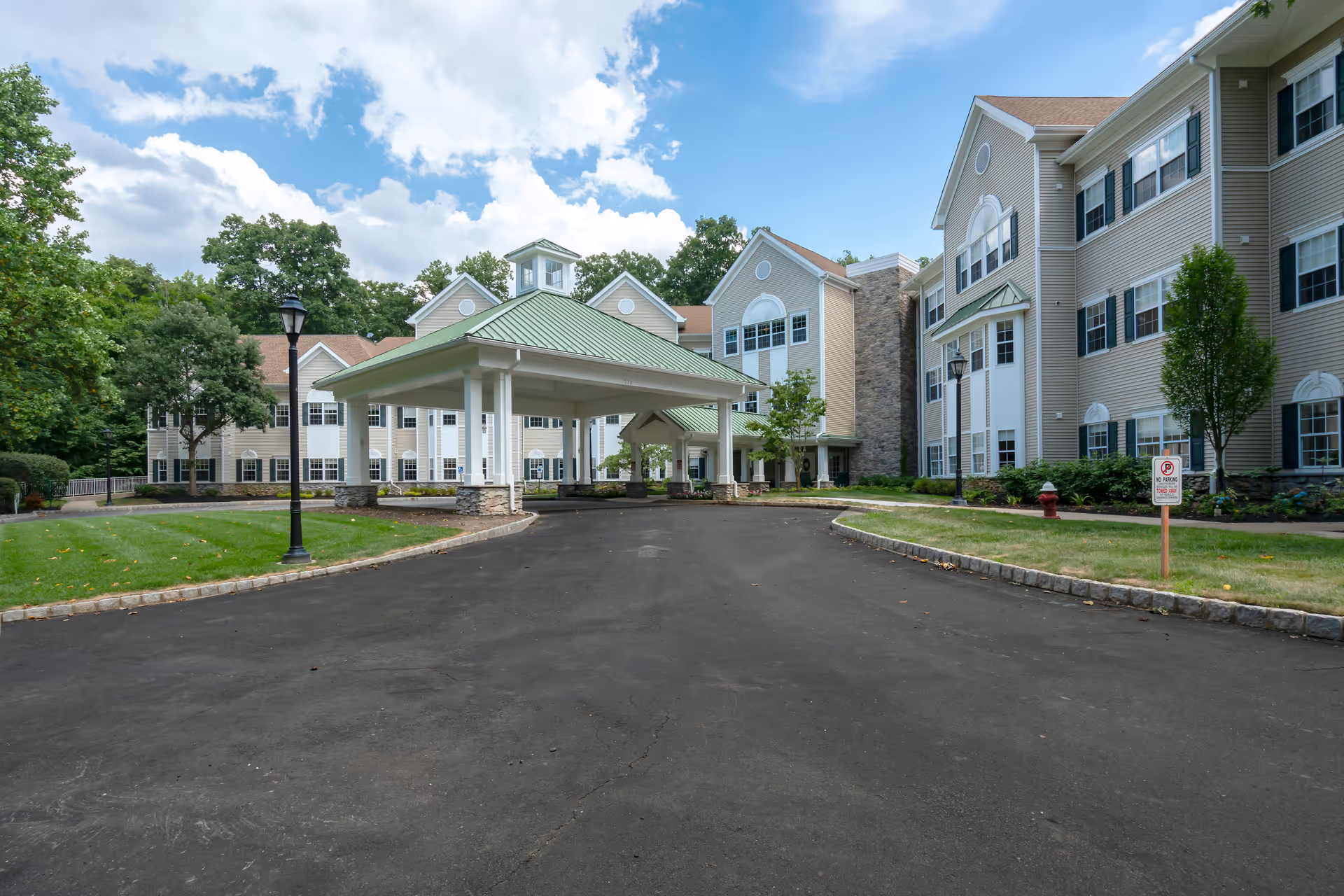
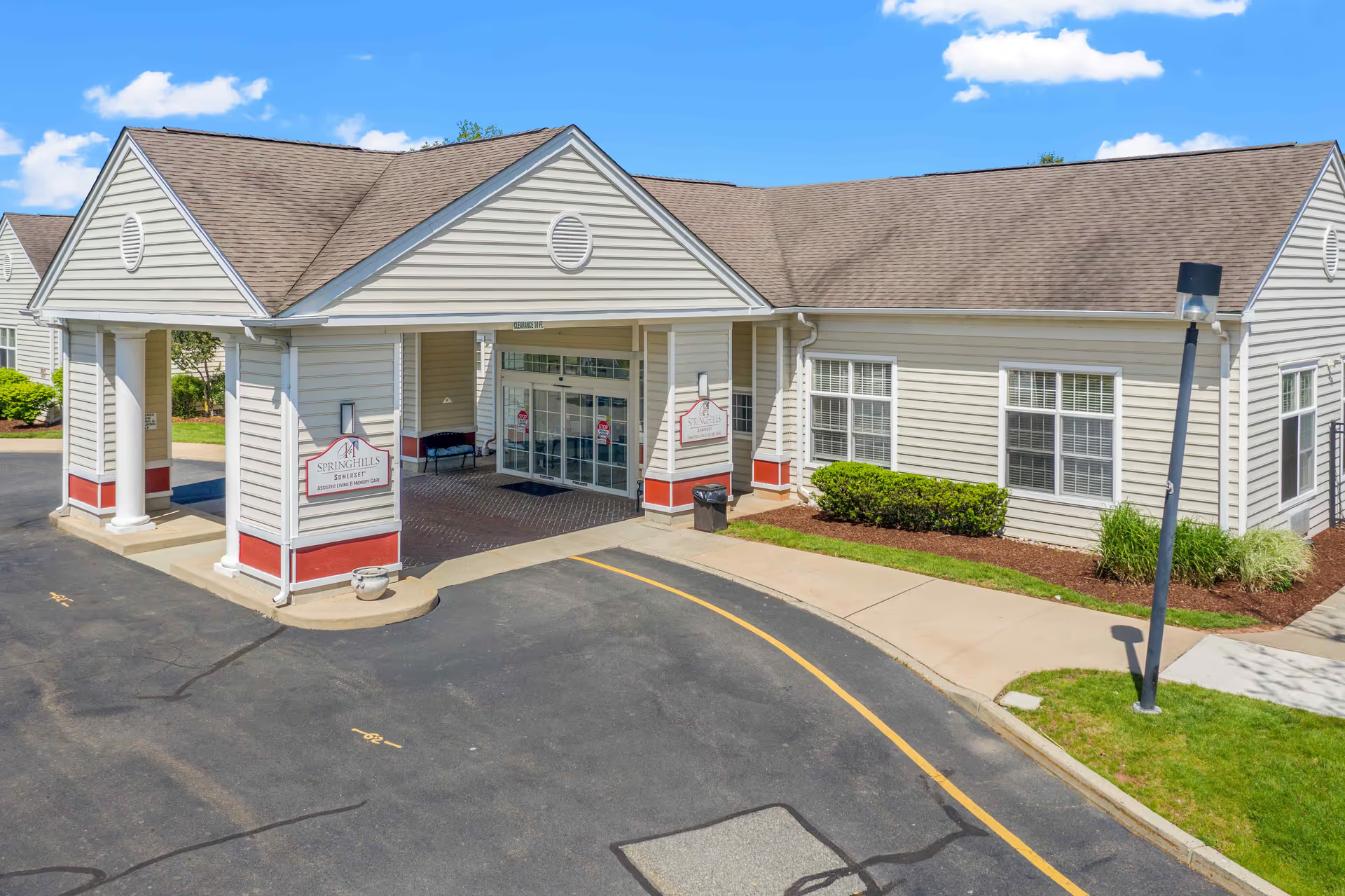
Overall impression: Foothill Acres presents as a well-maintained, family-oriented nursing and rehabilitation center with many strengths in clinical rehabilitation, activities, and a generally welcoming environment. Multiple accounts describe strong therapy teams (physical, occupational, and speech) who create individualized recovery plans and achieve effective functional gains. Families frequently note compassionate and attentive nursing and caregiving staff, a clean interior, pleasant outdoor areas, and a steady activity schedule that includes group games, crafts, baking and live entertainment.
Care quality and staff: The facility demonstrates consistent strengths in hands-on care and therapy. Reviewers praise therapists for measurable improvements and the nursing team for attentiveness in many cases; staff stability and low turnover are also cited as positives. At the same time, there are recurring concerns about inconsistent clinical communication and coordination: families describe delays in phone callbacks, limited proactive updates on care changes, and instances in which clinical staff appeared uncertain about medication or care plans. Interpersonal tone varies between staff members — many are described as kind and patient, while others have been perceived as dismissive or brusque.
Dining and dietary services: Dining experiences appear mixed. Some families commend meals and communal dining activities, while others describe limited dinner options and gaps in dietary accommodation, including issues surrounding meat and specialty diets. Prospective residents with specific dietary needs (for example, cultural or religious food requirements) should seek explicit confirmation of menu accommodations and advance disclosure of meal plans.
Activities and recreation: The facility offers an active programming schedule with regular organized events, crafts, games, and social gatherings that families find uplifting and engaging. Activity leadership and specific staff members receive positive mention for fostering participation. However, there are occasional resource limitations—missing or incomplete activity supplies and some wear to outdoor or garden spaces have been noted, which can reduce program quality intermittently.
Facilities and cleanliness: Many reviews describe a clean, attractive building and well-cared-for rooms and grounds. Nevertheless, there are isolated sanitation and odor concerns reported in some common areas and intermittent dining-room cleanliness issues. These appear uneven across the facility rather than uniform, suggesting variability in housekeeping or environmental maintenance at different times or locations.
Administration and operations: Administrative responsiveness is variable. Families report positive experiences when staff proactively help with discharge planning, Medicaid navigation, and visit sign-in procedures. Conversely, others describe delays or difficulty obtaining timely responses from administration, challenges with Medicaid assistance, and inconsistent handling of pharmacy billing and medication disclosure. Call-bell response times and overall assistance responsiveness have been identified as operational weaknesses that merit inquiry during a tour.
Notable patterns and suggestions for families: The dominant positive themes are strong therapy services, an engaged activities program, and a caring clinical staff in many units. The dominant concerns are inconsistent communication, variable responsiveness to requests, dietary accommodation gaps, and occasional facility-level cleanliness or maintenance lapses. Prospective residents and families may benefit from asking targeted questions about medication billing and disclosure processes, how dietary needs are accommodated, current therapy schedules and availability, and how the facility monitors call-bell response and housekeeping consistency. A focused tour that includes observation of dining, activities, and common areas can help assess how consistently the facility delivers on its strengths.