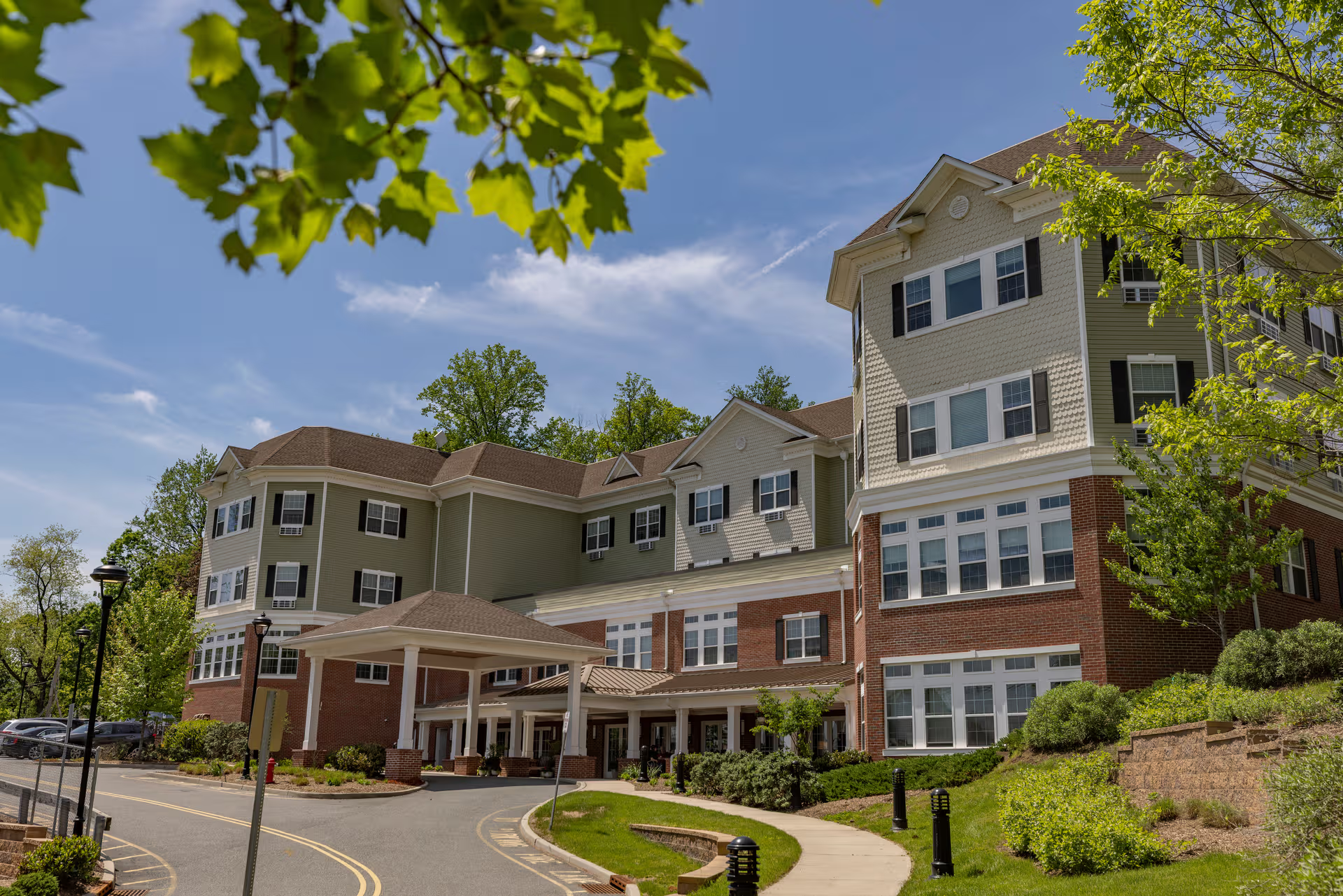
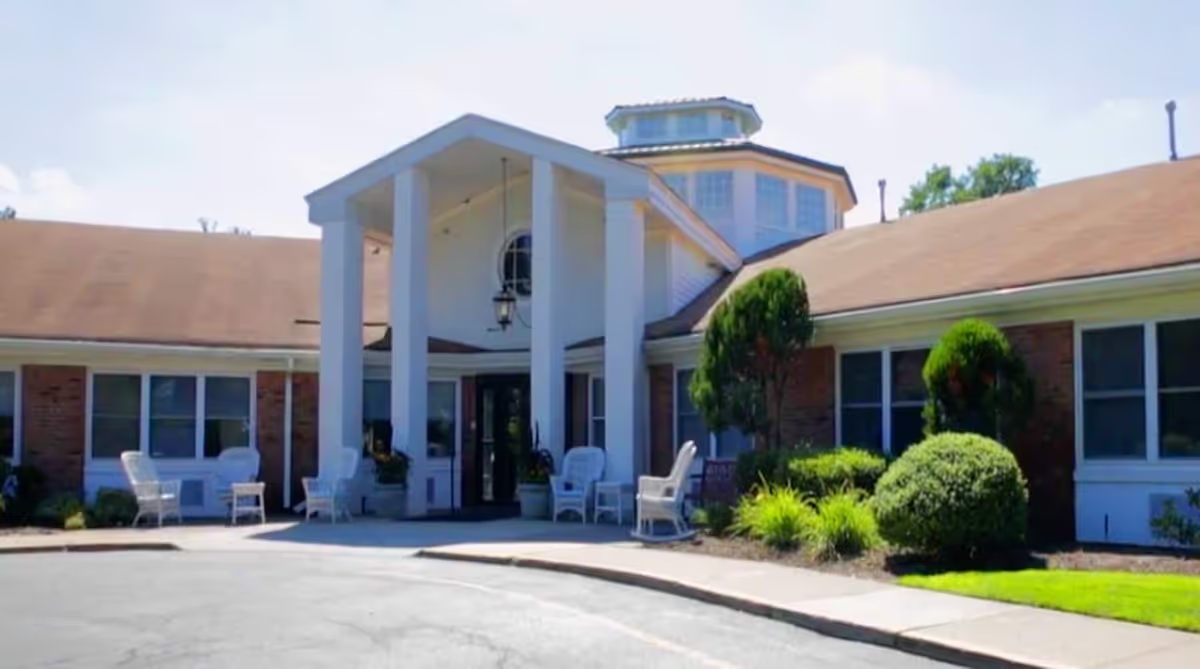
Complete Care at Passaic County elicits strongly mixed impressions. A substantial portion of reviewers praise the facility’s direct-care staff — nurses, CNAs, therapists and social workers — describing them as caring, attentive and supportive. Therapy and rehabilitation services are frequently highlighted as a strength, with mentions of specialty programs (for example, amputation support) and active follow-up after discharge. Many families and visitors also note a clean, odor-free environment in several areas, a welcoming front desk, festive common spaces and a convenient location with visitor-tracking procedures in place.
At the same time, a consistent theme across reviews is variability in operational performance. Clinical-care quality appears uneven: while some families describe timely medication delivery and top‑notch nursing, others report concerns about medication-management practices and clinical monitoring. Several reviewers raised issues suggesting gaps in repositioning and pressure‑ulcer prevention, missed or delayed feeding after procedures, and inconsistent incontinence-care. These descriptions point to staffing and workflow pressures in certain units or shifts rather than a uniform pattern of care.
Facility maintenance and sanitation receive mixed feedback. Many accounts praise housekeeping and a well-kept environment, yet others describe linen cleanliness issues, mattress damage, mildew and room upkeep problems. Activity and dining programs are generally noted as assets — with tailored diets, varied menus and religious and social programming — but the consistency of those offerings varies by unit and by resident experience.
Management and culture are also areas of divergence. Multiple families compliment responsive admissions, helpful administration and staff who go beyond their roles. Conversely, some reviews raise concerns about staff professionalism, communication gaps with leadership, and weaker oversight on particular floors. Related operational vulnerabilities include security and monitoring process gaps, occasional equipment or emergency-response reliability concerns, and reports of missing personal items, which together suggest a need for stronger systems for family communication, clinical oversight and asset management.
In summary, prospective residents and families should weigh two patterns: genuine strengths in hands-on caregiving, therapy services and some aspects of hospitality and cleanliness; and unevenness in staffing, clinical processes and management communication that has led to serious care-related concerns in certain cases. Visiting the unit(s) under consideration, speaking directly with nursing leadership about staffing ratios, clinical protocols (medication administration, repositioning schedules, continence care) and incident-reporting procedures, and reviewing any available survey or inspection history will help clarify whether the facility’s strengths are consistent in the specific neighborhood or unit being considered.