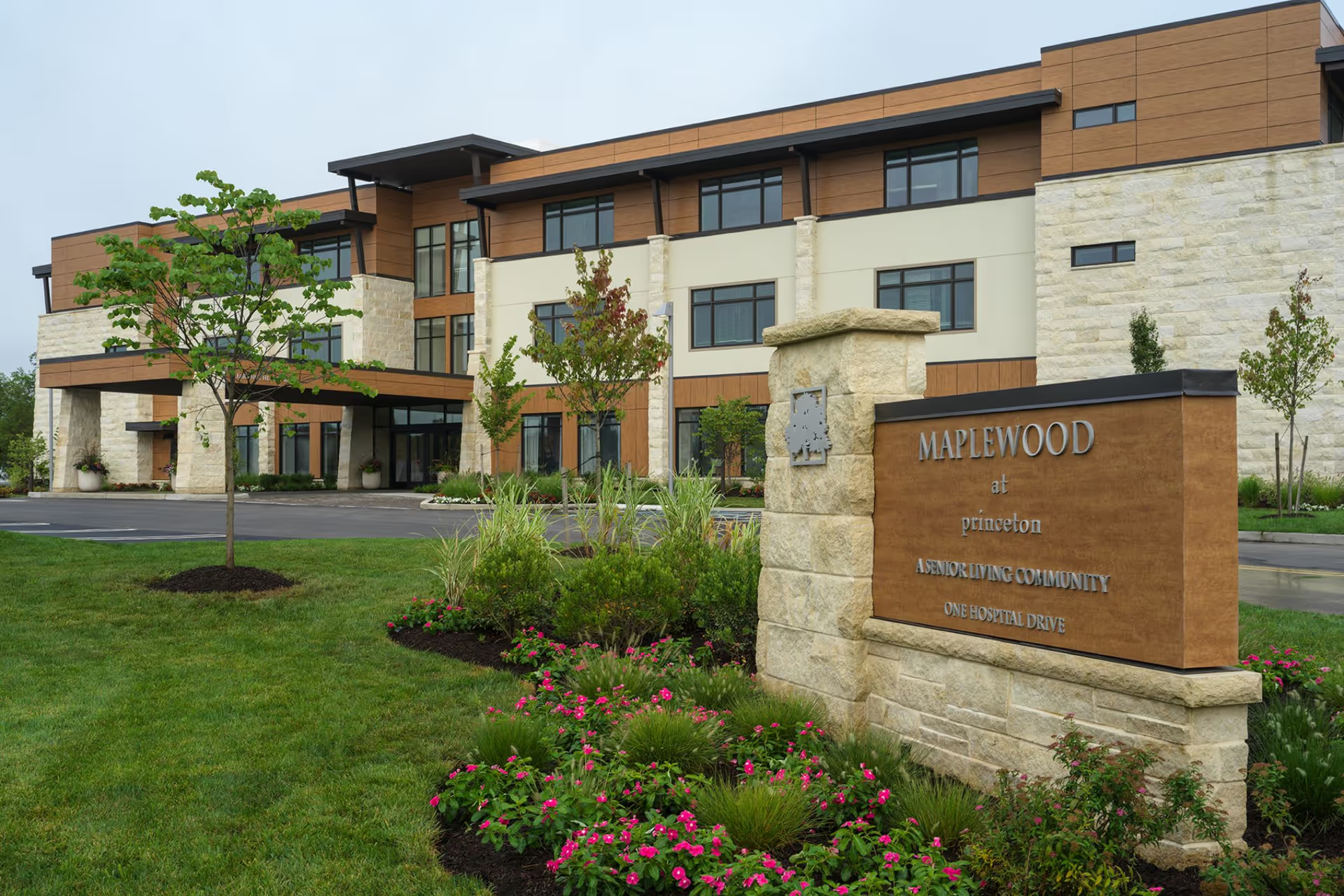
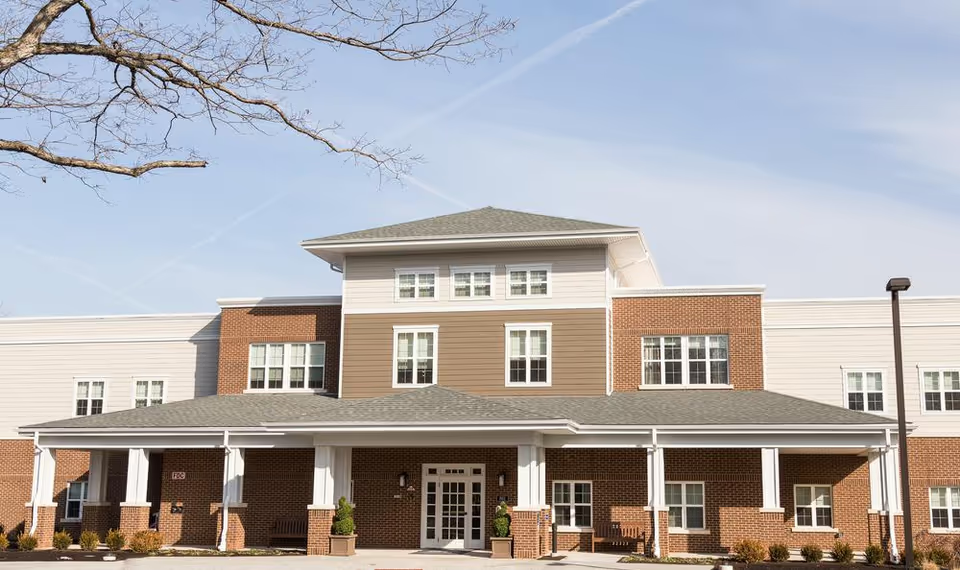
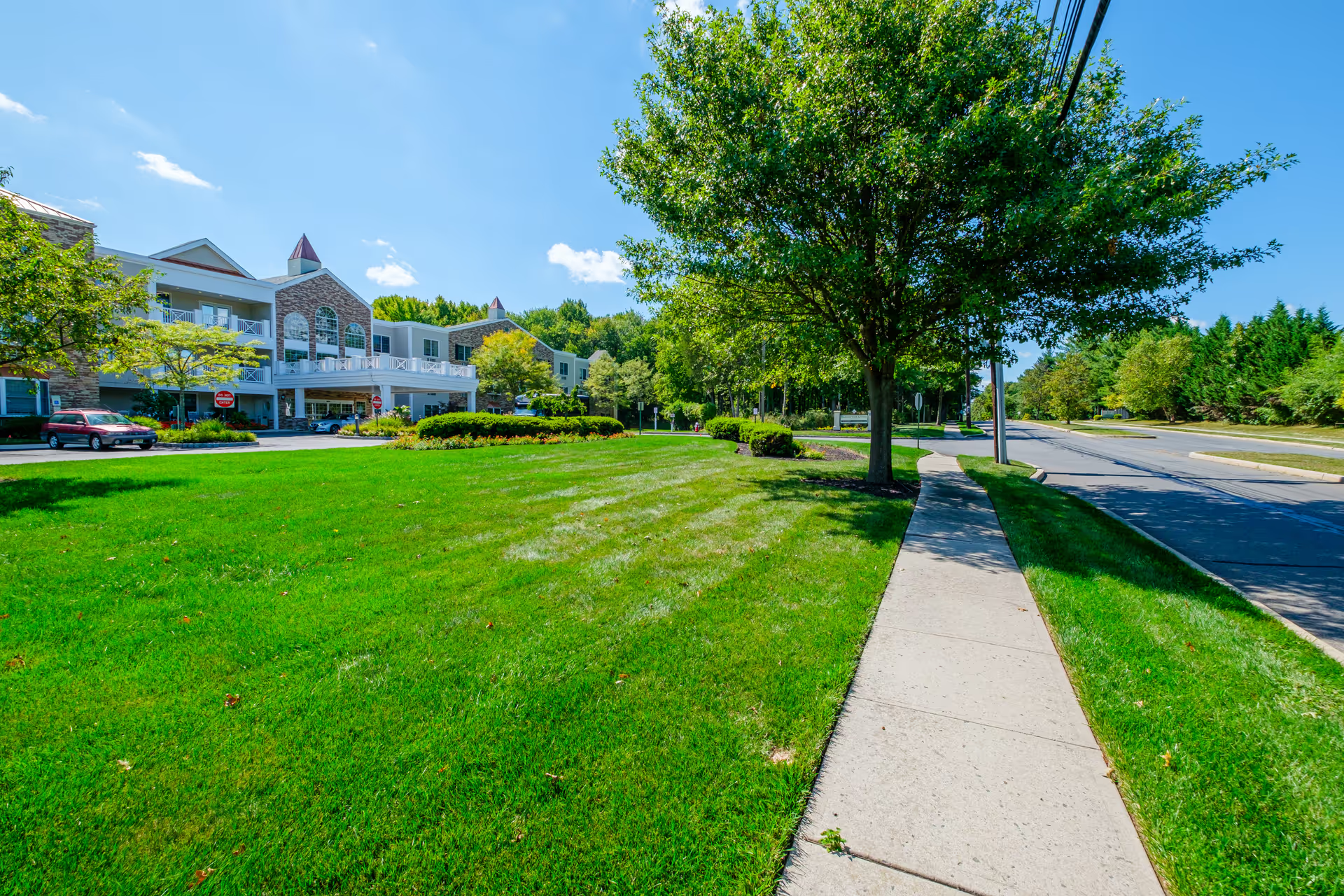
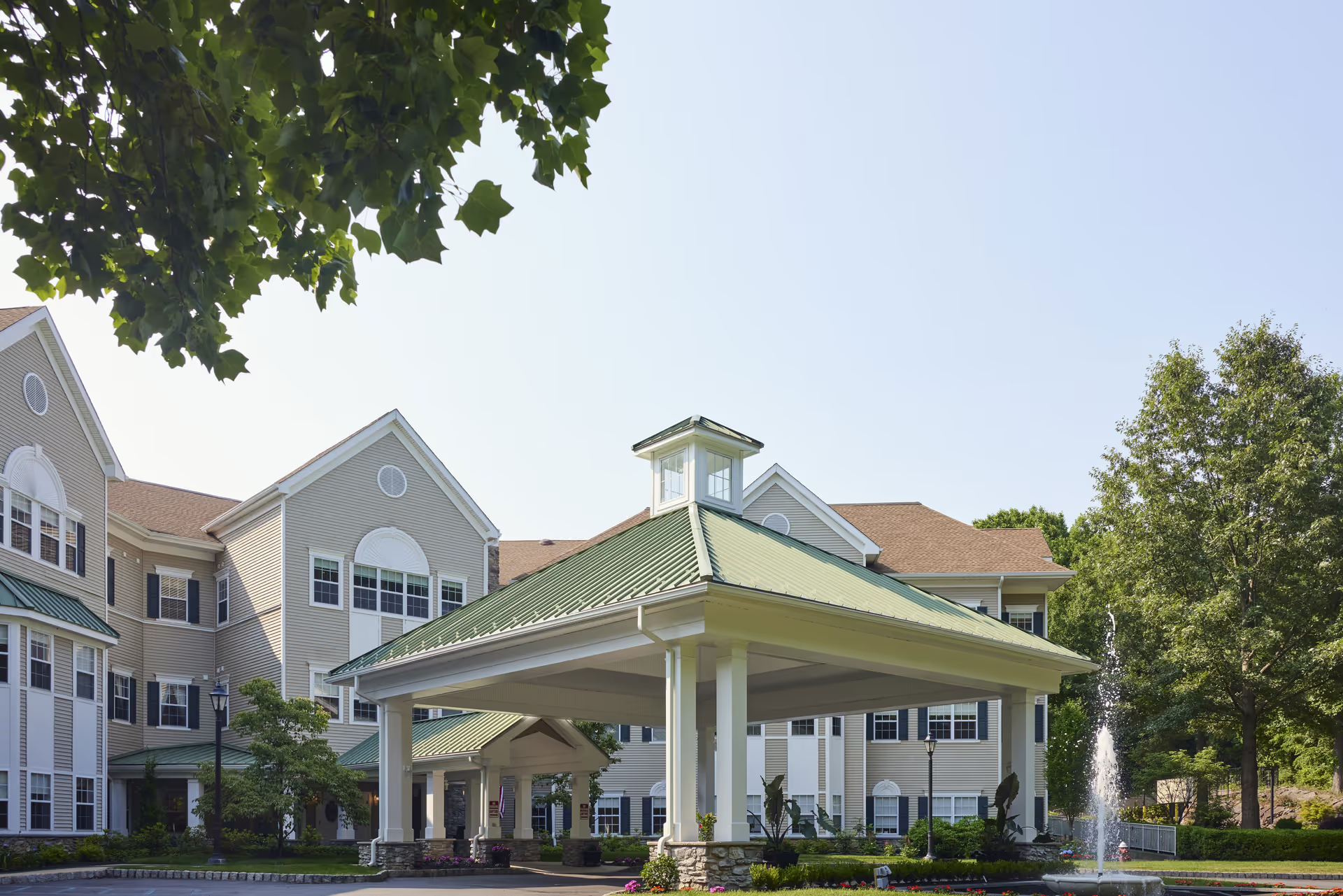
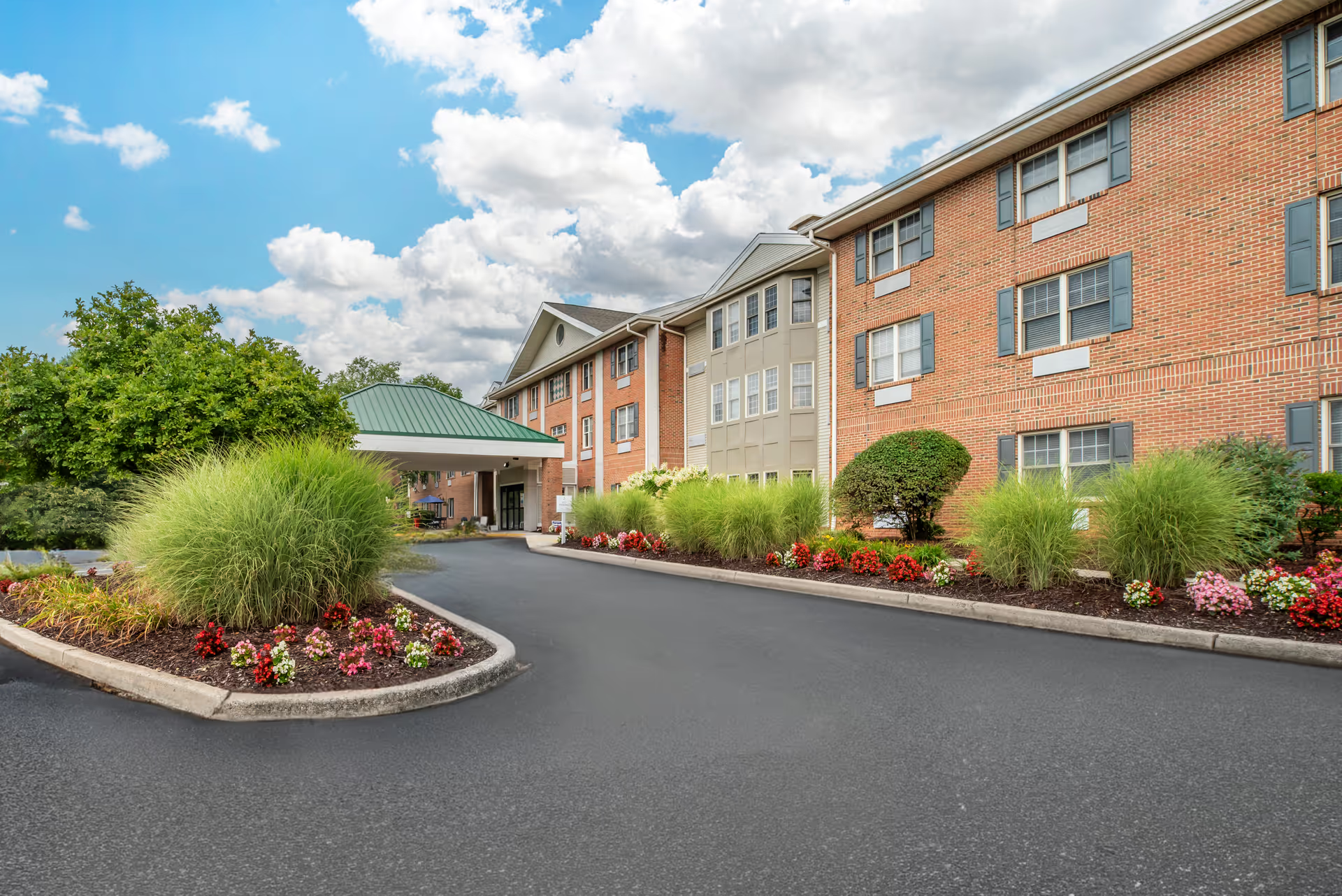
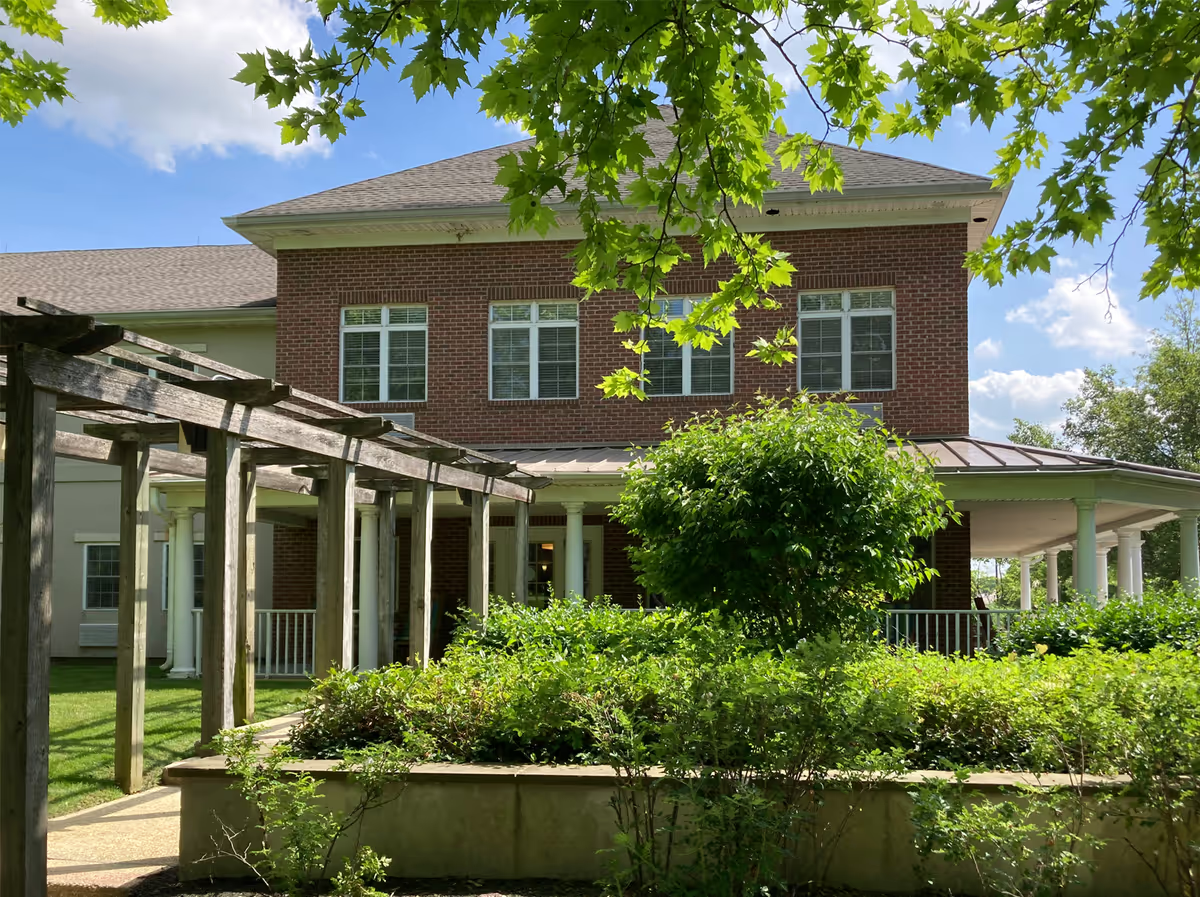
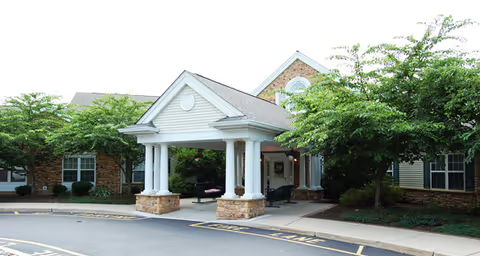
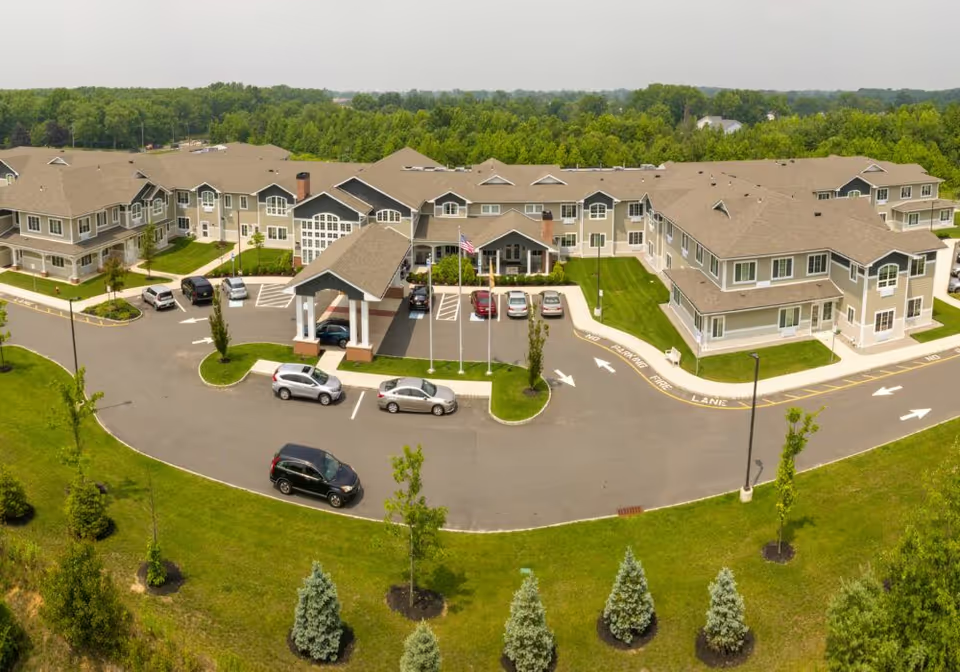
Merwick Care & Rehabilitation Center attracts consistently strong praise for its rehabilitation program and therapy teams. Reviewers routinely cite skilled, motivating physical and occupational therapists and measurable gains in mobility and function. The facility’s physical environment is frequently described as clean, modern and bright, with spacious rooms, pleasant common areas and prompt attention to maintenance issues. Several families also highlighted accessible location, engaged activities staff, an effective social-work process and a responsive guest-relations/administrative presence.
At the same time, reviewer accounts describe notable variability in day‑to‑day caregiving. Nursing and aide performance is uneven: many families encountered attentive, compassionate nurses and CNAs, while others experienced staff with limited bedside manner or inconsistent skills. Staffing appears to be a central operational constraint. Multiple comments describe understaffing and heavy use of temporary personnel, with slower response times to call lights, reduced visibility of staff on weekends and nights, and longer waits for assistance with toileting, transfers and other activities of daily living. These patterns also appear to affect routine monitoring and turning schedules for higher‑risk residents.
Communication and care coordination are recurrent themes. Families often praised individual clinicians who provided clear updates, but many also reported gaps in proactive communication — for example, test orders or results not being shared unless requested, medication changes not clearly explained, and inconsistent follow‑through on physician orders. There are repeated descriptions of disconnects between nursing, CNAs and therapy teams that can complicate scheduling and continuity of care. A small number of accounts describe a serious medication‑management event that required emergency care; such reports underscore the importance of asking about medication protocols and escalation pathways during admission.
Dining and dietary accommodation are uneven. Comments range from meals that are generous and well‑liked to frequent complaints about cold food, repetitive menus, and limited options for cultural or vegetarian diets. Several families supplemented facility meals or requested dietitian involvement. Language concordance is another operational limitation noted by reviewers: communication can be impeded when residents and some staff do not share a common language.
Management responsiveness is mixed but often helpful at the unit or administrative level. The guest relations director and some nursing leaders receive consistent praise for resolving issues and arranging family meetings; other reviews describe delays in paperwork, reimbursement follow‑through, or inconsistent front‑desk professionalism. Allegations of missing personal items and accountability shortfalls appear in a subset of accounts and point to opportunities for stronger property‑management and documentation practices.
Overall, Merwick’s distinguishing strength is its rehabilitation capability and several dedicated clinical staff. Prospective residents and families will likely find good clinical outcomes when therapy and core nursing teams are intact, but should be prepared to ask specific questions about staffing patterns (especially nights and weekends), medication‑management safeguards, dietary accommodations, language support, and processes for proactive family communication. These operational clarifications can help set expectations and identify whether the facility’s current staffing and coordination model aligns with a prospective resident’s needs.