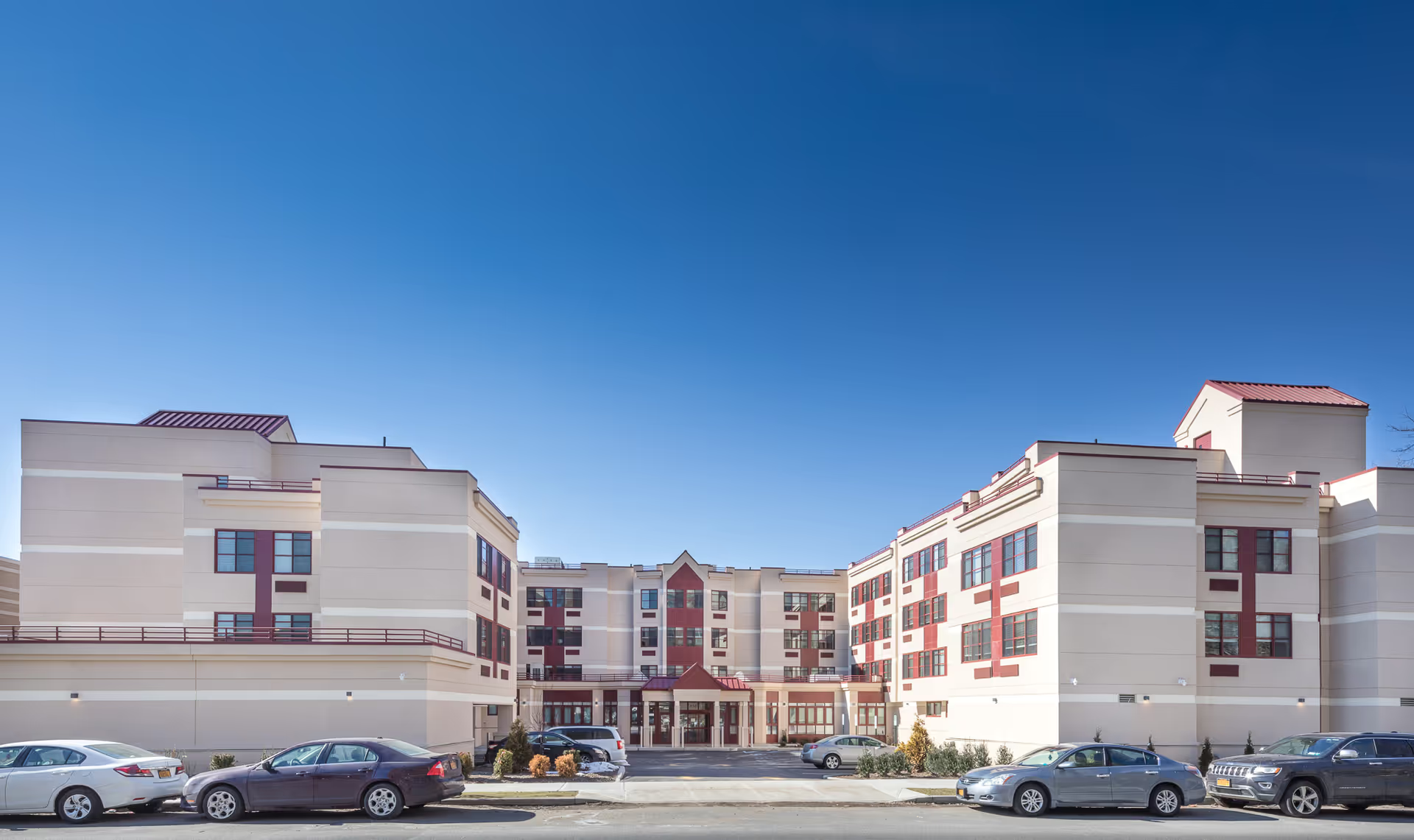
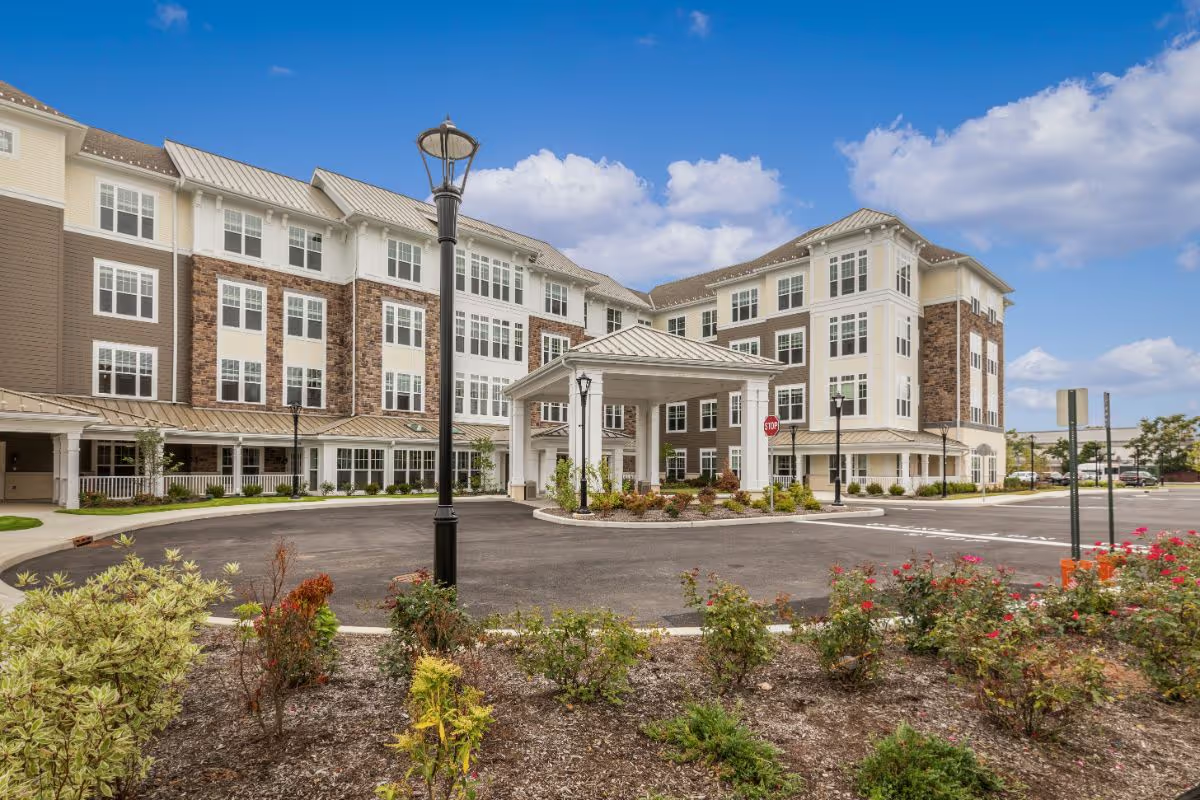
Menorah Home & Hospital for Aged & Infirm elicits a mixed set of impressions. Many accounts emphasize strengths: a well-maintained, attractive facility with private rooms and notable waterfront views; active housekeeping and maintenance teams; and a number of staff — particularly nurses, aides, and therapy personnel — described as caring, professional, and effective. Several families reported meaningful rehabilitation progress, with physical and occupational therapy contributing to improved mobility for some residents. Common areas and designated family spaces are noted as pleasant and conducive to visits, and activities and entertainment are offered regularly.
At the same time, a pattern of operational weaknesses appears repeatedly. Staffing consistency and responsiveness are the most prominent concerns: delayed responses to call bells and bed alarms, variability across shifts, and limited availability of aides were described. Several accounts point to gaps in clinical management, including missed or delayed medication and oxygen checks and inconsistent pain-management follow-through. These issues suggest opportunities to strengthen clinical protocols and monitoring systems.
Housekeeping and personal-care practices are described unevenly. While some reports praise thorough cleaning, others describe infrequent bathing schedules and hygiene practices that do not meet expectations. Dining receives similarly mixed feedback: some families find meals acceptable, while others cite inconsistent food quality, cold meals, or insufficient attention to dietary needs. Therapy programming is a clear strength for some residents, but scheduling conflicts (therapy scheduled early in the morning) and uneven follow-through on individualized rehab plans were also noted.
Concerns about security, personal property, and communication recur. Accounts include unsecured room access and missing personal items, prompting measures such as locked cabinets for valuables. Front-desk responsiveness and social-work communication were identified as areas needing improvement, as were discharge planning and coordination with outside physicians; several families reported pressure to discharge and changes in orders that they felt were not well coordinated. Visitation policies and scheduling constraints were also a source of frustration for some relatives.
Overall, the facility offers tangible strengths in environment, therapy capabilities, and many dedicated staff members, but inconsistent operational performance is a material concern. Prospective residents and families should balance the facility's rehabilitation and environment advantages against the variability in staffing responsiveness, clinical-management practices, security controls, and communication processes. When evaluating placement, consider asking specific questions about staffing ratios and shift coverage, call-bell response times and alarm protocols, medication and equipment checks, property-security measures, meal-service practices, therapy scheduling and measurable rehab goals, and the facility's approach to discharge coordination and family communication.