Reviewer feedback for St Johnland Nursing Center is highly polarized: many families describe a facility with compassionate caregivers, strong rehabilitation services, active programming and a hotel-like environment, while other accounts identify operational shortfalls that raise safety, sanitation, and communication concerns.
Care and clinical oversight: Positive accounts highlight attentive nurses, supportive CNAs, and rehabilitation teams that helped residents regain mobility. Several families referenced on-site physicians and access to specialists, and a dietician-guided approach to menus was noted to support appetites and dietary needs. Conversely, a number of reviews describe delayed recognition of acute clinical changes and gaps in stroke/neurologic assessment, as well as weaknesses in transfer and fall-prevention practices. These patterns suggest variability in clinical vigilance and emergency response depending on staffing and unit.
Staffing, training and conduct: Many reviewers praised individual staff members for compassion and responsiveness, and some families reported clear, supportive communication from nursing leadership and social work. However, other accounts document slow response times, inconsistent personal-care delivery (including bathing and repositioning), and concerns about staff conduct and training. These mixed impressions point to uneven staffing levels and supervision that affect resident experience and safety.
Dining and rehabilitation: The facility receives both strong and critical feedback on meals and therapy. Positive comments emphasize tasteful, dietician-approved menus and effective physical/occupational therapy that produced measurable gains. At the same time, other reviewers reported inconsistent food quality and kitchen management problems. Rehabilitation quality also appears variable: some residents experienced excellent outcomes while others found therapy less effective or poorly coordinated.
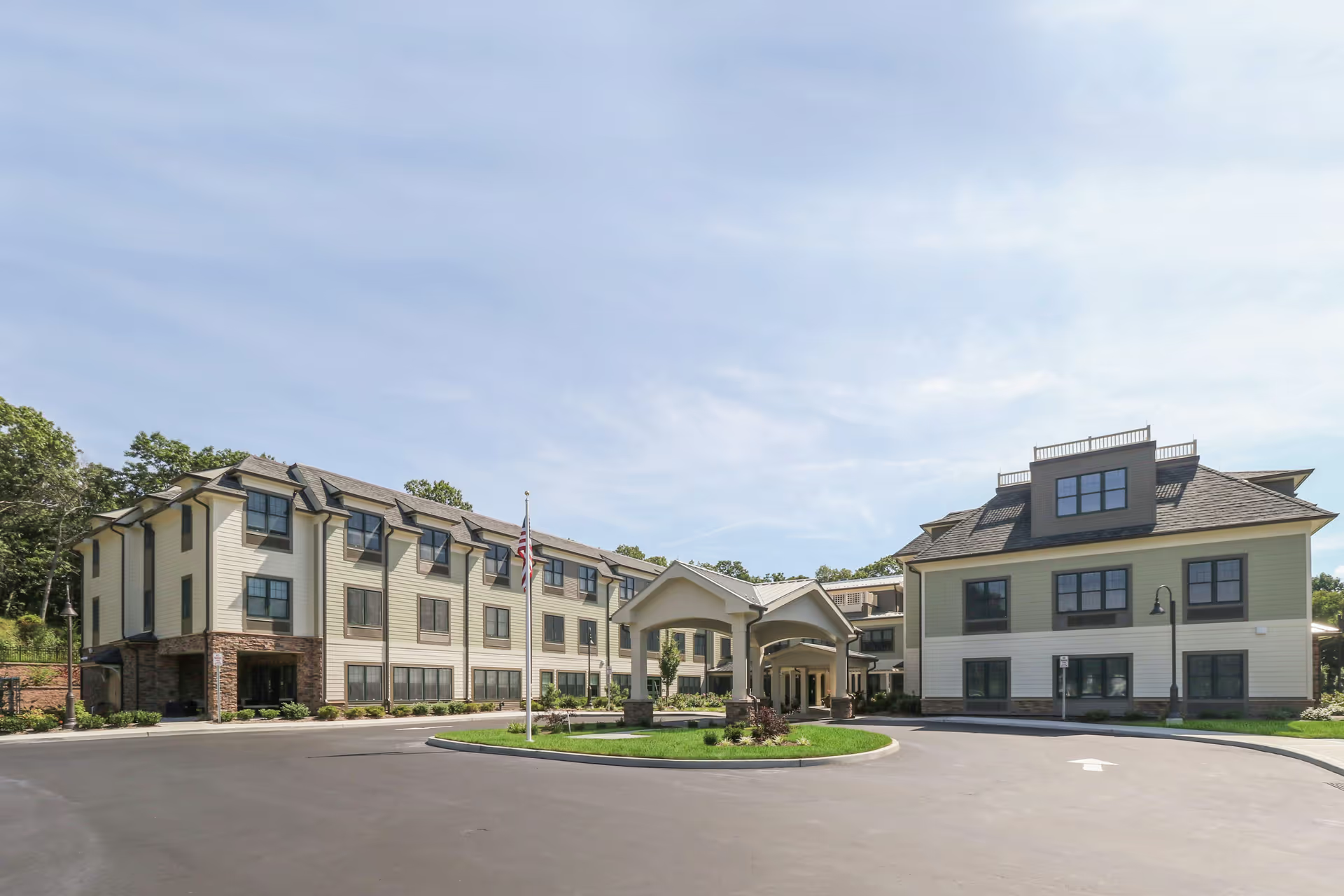
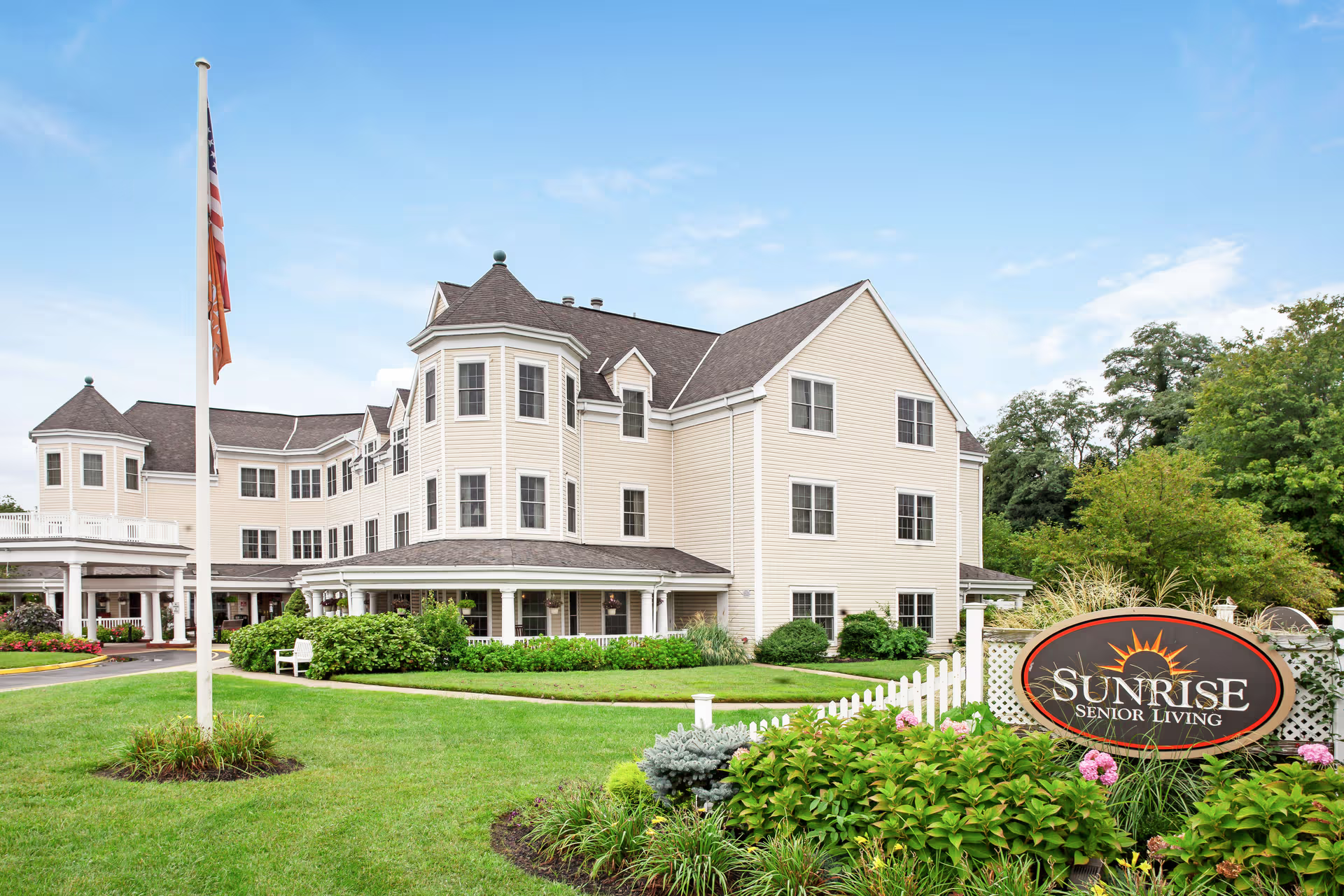
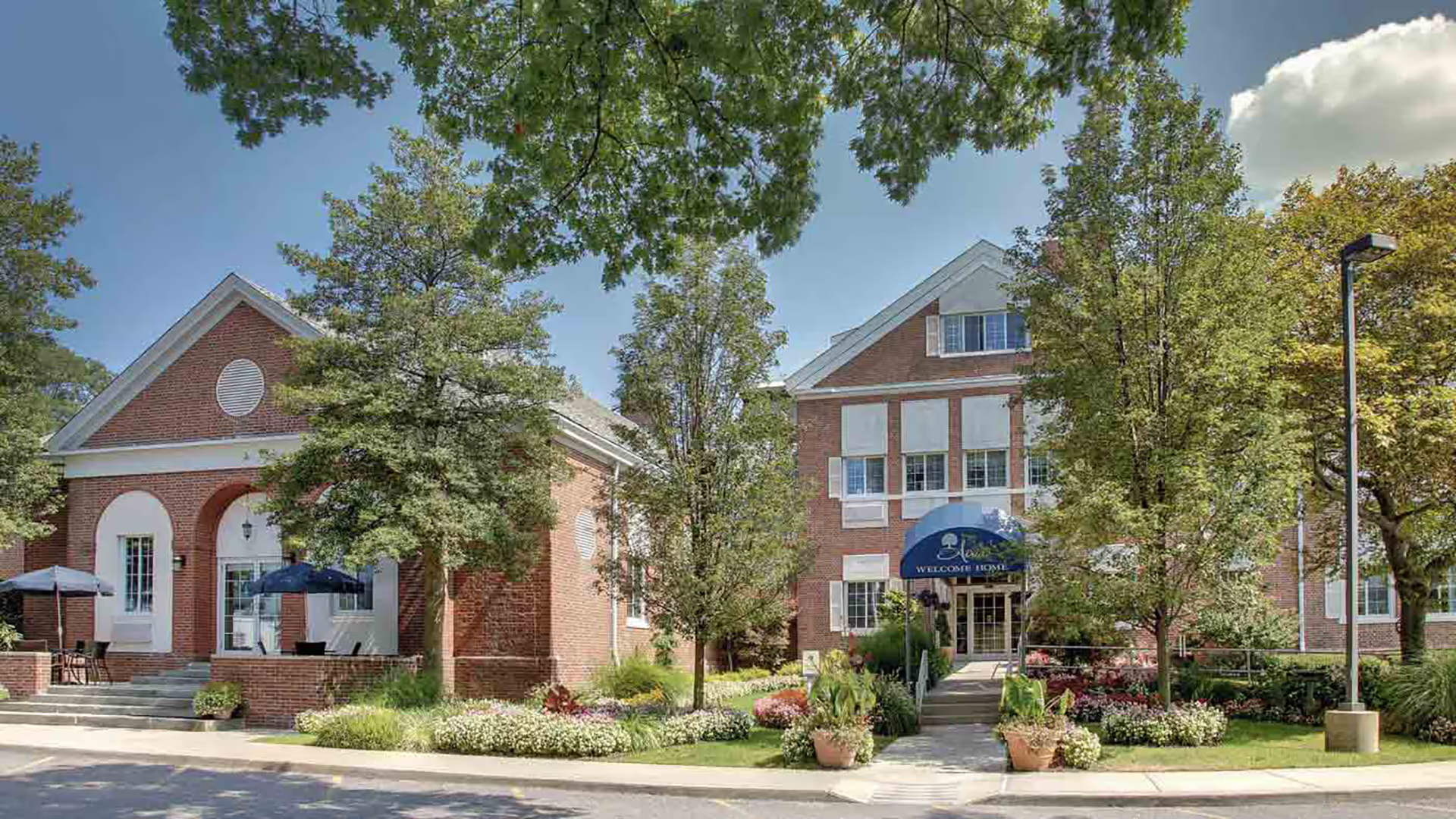
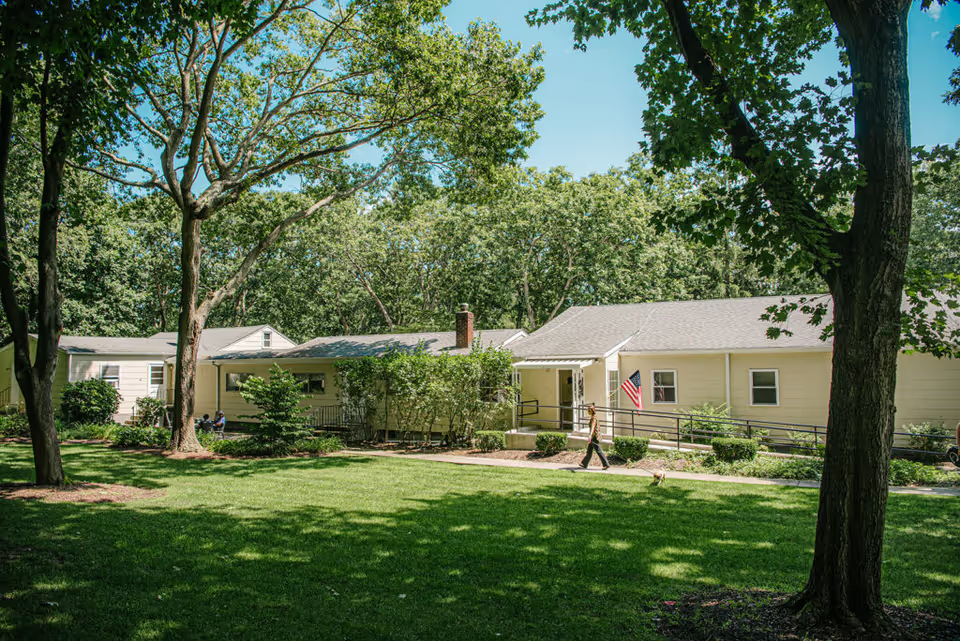
Activities and environment: Recreational and social programming is a consistent strength where it is present — reviewers cited music, arts & crafts, outdoor patios, BBQs and engaging group activities as important contributors to quality of life. Facility appearance is likewise mixed: several families described clean, spacious, hotel-like common areas and secure outdoor spaces, while others raised sanitation and maintenance issues in older units, including mold and outdated conditions.
Management, privacy and compliance: Admissions and social work teams are frequently described as welcoming and helpful, and some families praised administrative responsiveness. Yet other reviews raise significant concerns about administrative transparency, abrupt discharge practices, and communication tone. There are also privacy and confidentiality process gaps noted (including concerns about in-room cameras and HIPAA safeguards) and mentions of inconsistent documentation and billing practices. One or two reviewers used the term "allegation" regarding deceptive communication at care meetings and abrupt discharges; such claims warrant further inquiry through facility leadership or regulatory channels.
Notable patterns and guidance for families: The overall impression is one of substantial variability by unit, shift, and individual staff member. Prospective residents and families should weigh the positive reports of strong rehab, active programming, and attentive staff against the documented operational weaknesses — particularly in staffing consistency, sanitation/maintenance in some units, privacy safeguards, and clinical assessment reliability. When considering placement, families may find it helpful to tour the specific unit, ask for recent inspection or quality reports, clarify staffing levels and training practices, review privacy policies, and obtain written plans for care, documentation, and discharge procedures to reduce variability in the resident experience.