Overall impression: Reviews reflect a facility with clear strengths in clinical and rehabilitative care alongside recurring operational shortcomings. Many families and residents emphasize compassionate, clinically effective staff and a strong rehabilitation program; at the same time, there are consistent observations of variability in day-to-day operations that affect resident experience.
Care and staff: Multiple accounts praise nursing, therapy (PT/OT), and social-work support, noting instances of lifesaving interventions, measurable health improvements, and attentive long-term care. Staff who are described as caring, engaged, and spiritually supportive contribute to a home-like environment and encourage resident autonomy. However, reviewers also describe variability in staff competence and conduct, and concerns about responsiveness during peak periods. These patterns suggest that clinical capability exists but is not always uniformly available across all shifts.
Dining and activities: The facility provides a broad range of recreational offerings — bingo, music, art, choir, outings, and spiritual programming — that contribute positively to social engagement and quality of life. Meals were described positively by many residents, and nutrition support was noted in clinical improvements. At the same time, reviewers noted crowding in dining areas and uneven meal-service experiences, indicating that dining operations may be strained at times or inconsistent between units.
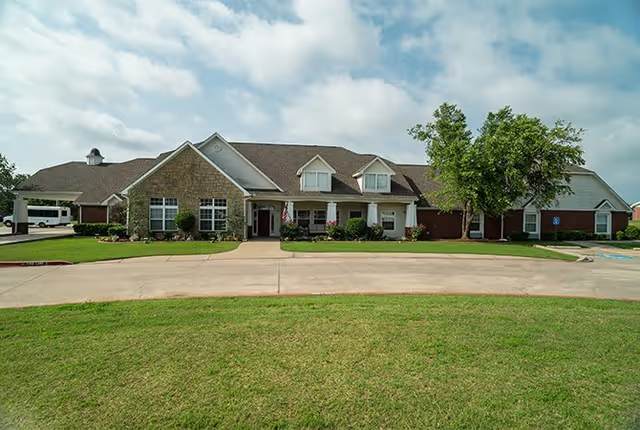
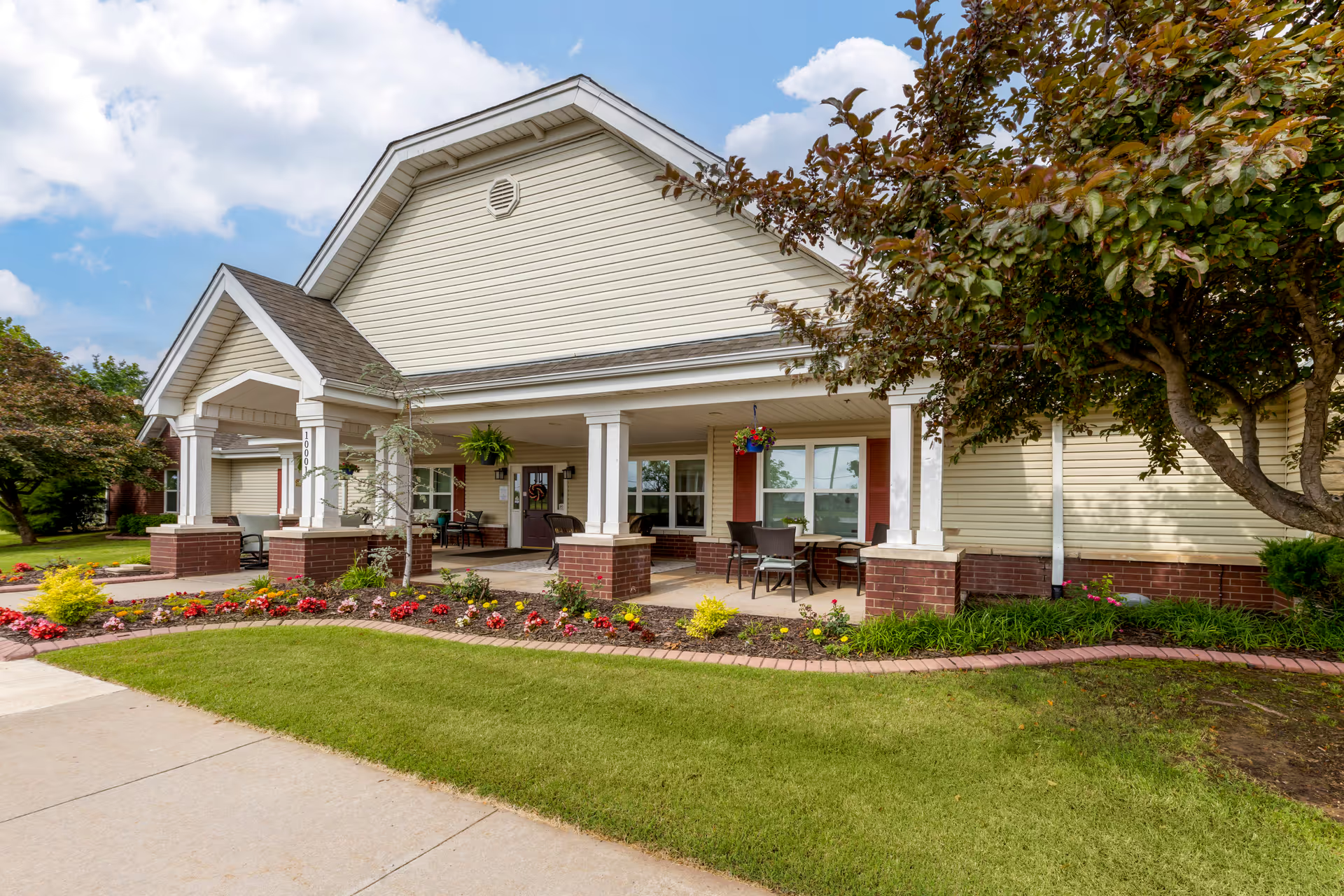
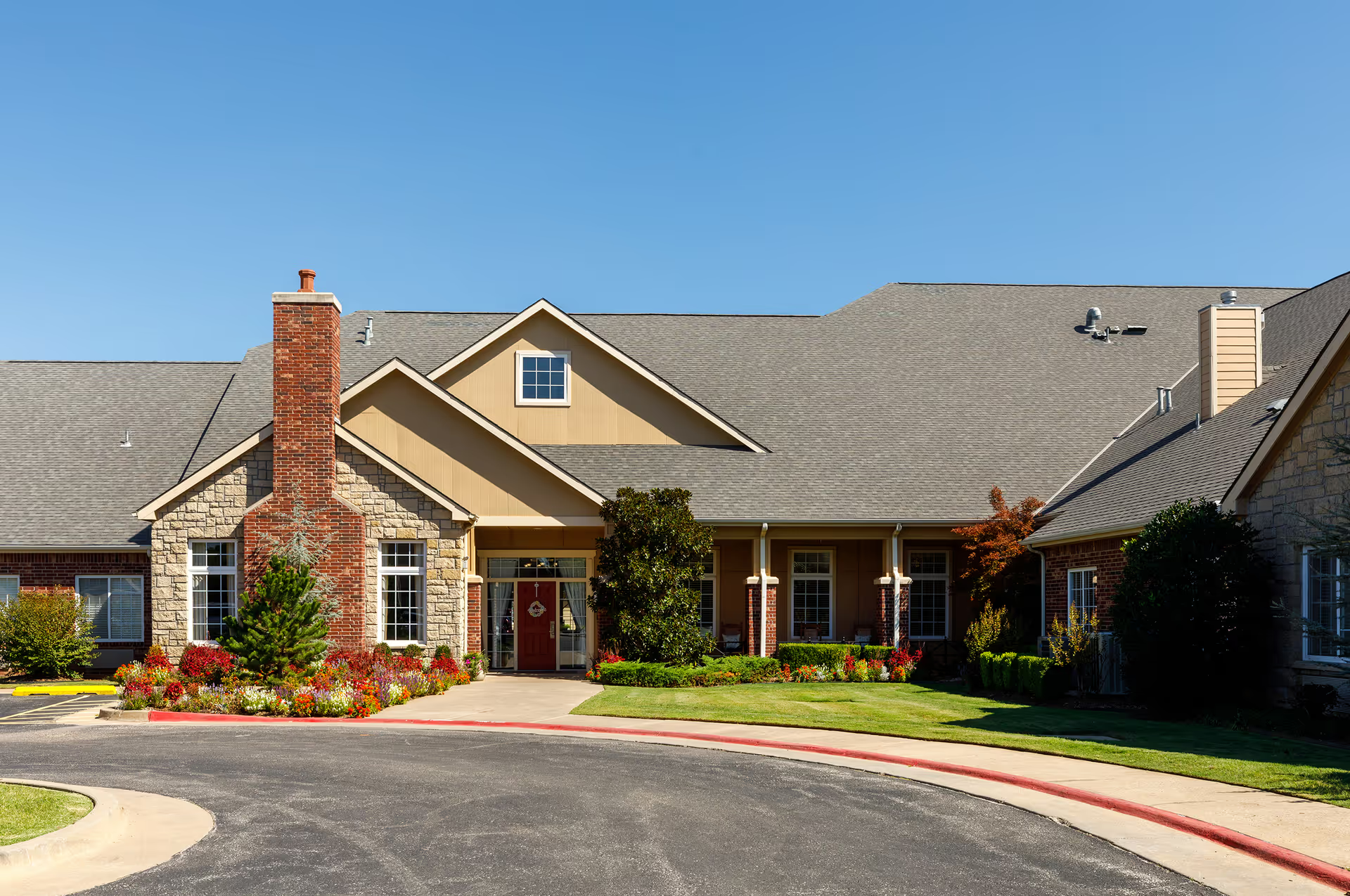
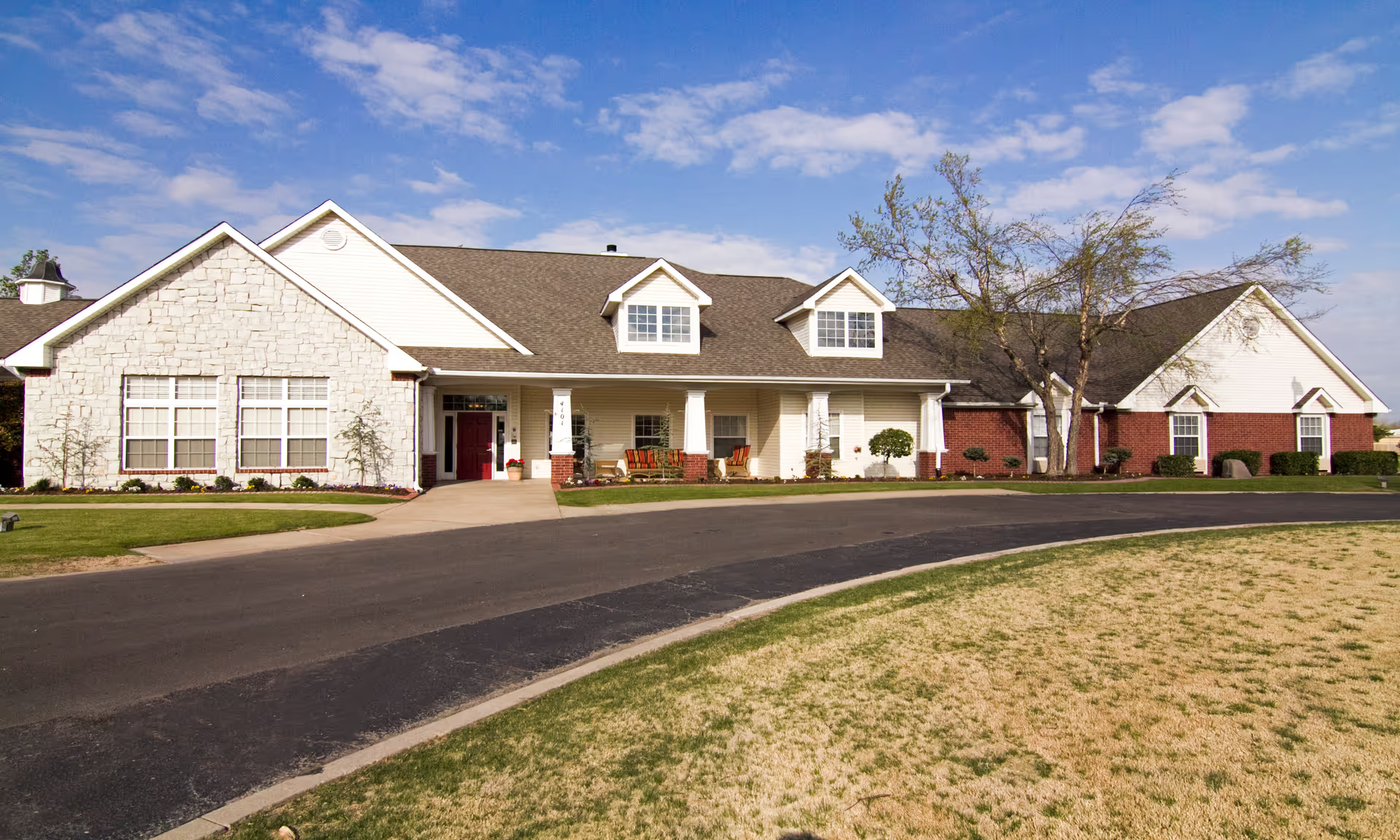
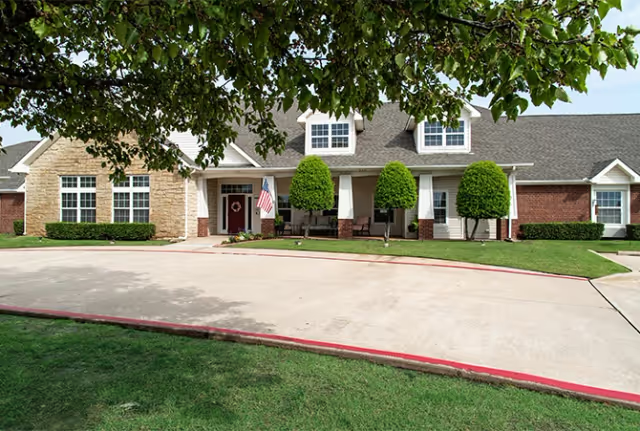
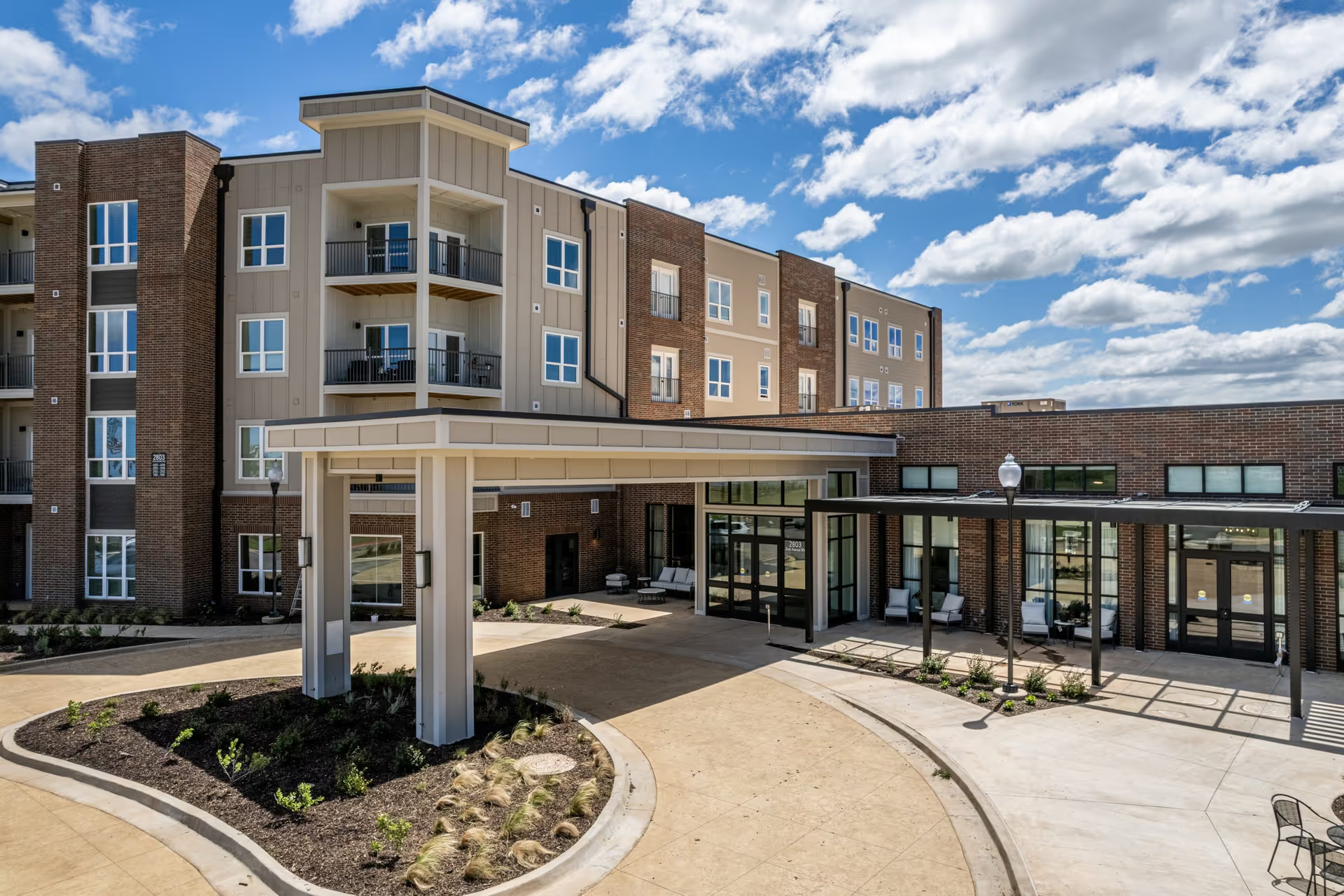
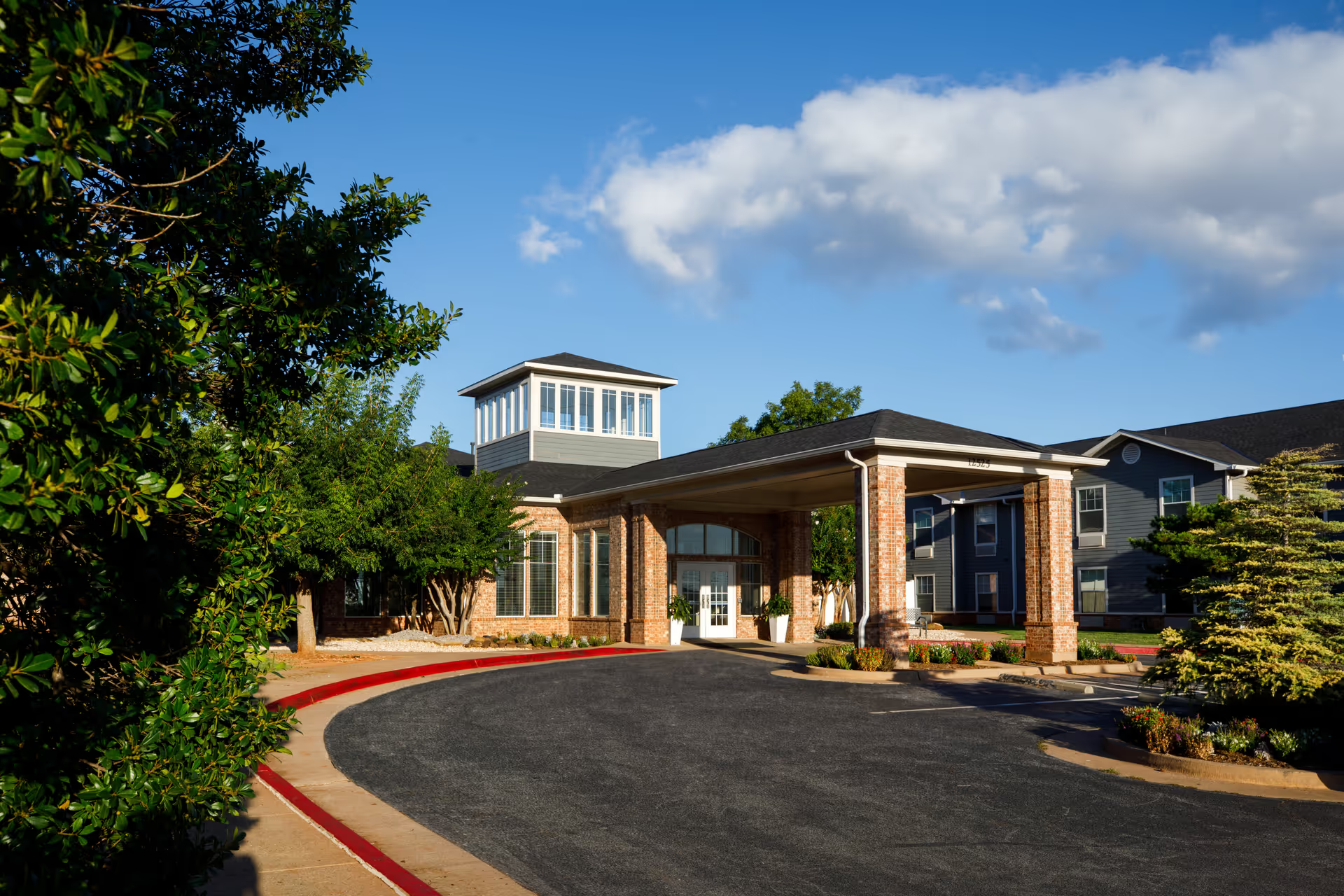
Facilities and maintenance: Several reviews describe clean, well-maintained common areas, regular housekeeping, and attractive outdoor landscaping. Conversely, other comments point to maintenance shortfalls and in-room amenity gaps (for example, cooling/storage options and in-room phone availability), and odor or sanitation concerns in some areas. The physical layout (larger facility with long hallways and shared rooms) is noted and may affect accessibility and monitoring needs.
Management and communication: There are mixed impressions of leadership. Some reviewers commend improved administration, communication, and an engaged resident council; others cite past turnover, ownership change, and ineffective management. Communication gaps — including phone responsiveness, front-desk interactions, and follow-up with families — are recurring themes. These operational and leadership inconsistencies appear linked to the variability in staff performance and resident experience.
Notable patterns and guidance for families: The dominant positive patterns are strong clinical/rehabilitation capacity, compassionate caregiving from many staff members, active programming, and on-site clinical services such as dialysis. The dominant concerns are operational: inconsistent staffing, variable staff training/supervision, maintenance and amenity shortfalls, and communication lapses. Prospective residents and families should weigh the facility’s clinical strengths and activity offerings against these operational variability factors, and consider discussing staffing patterns, communication protocols, maintenance plans, and tour observations (including dining and unit sanitation) during any visit. Reviewers also acknowledged COVID-related fatalities and staff exposure risk; families may wish to ask about current infection-control practices and end-of-life care protocols.