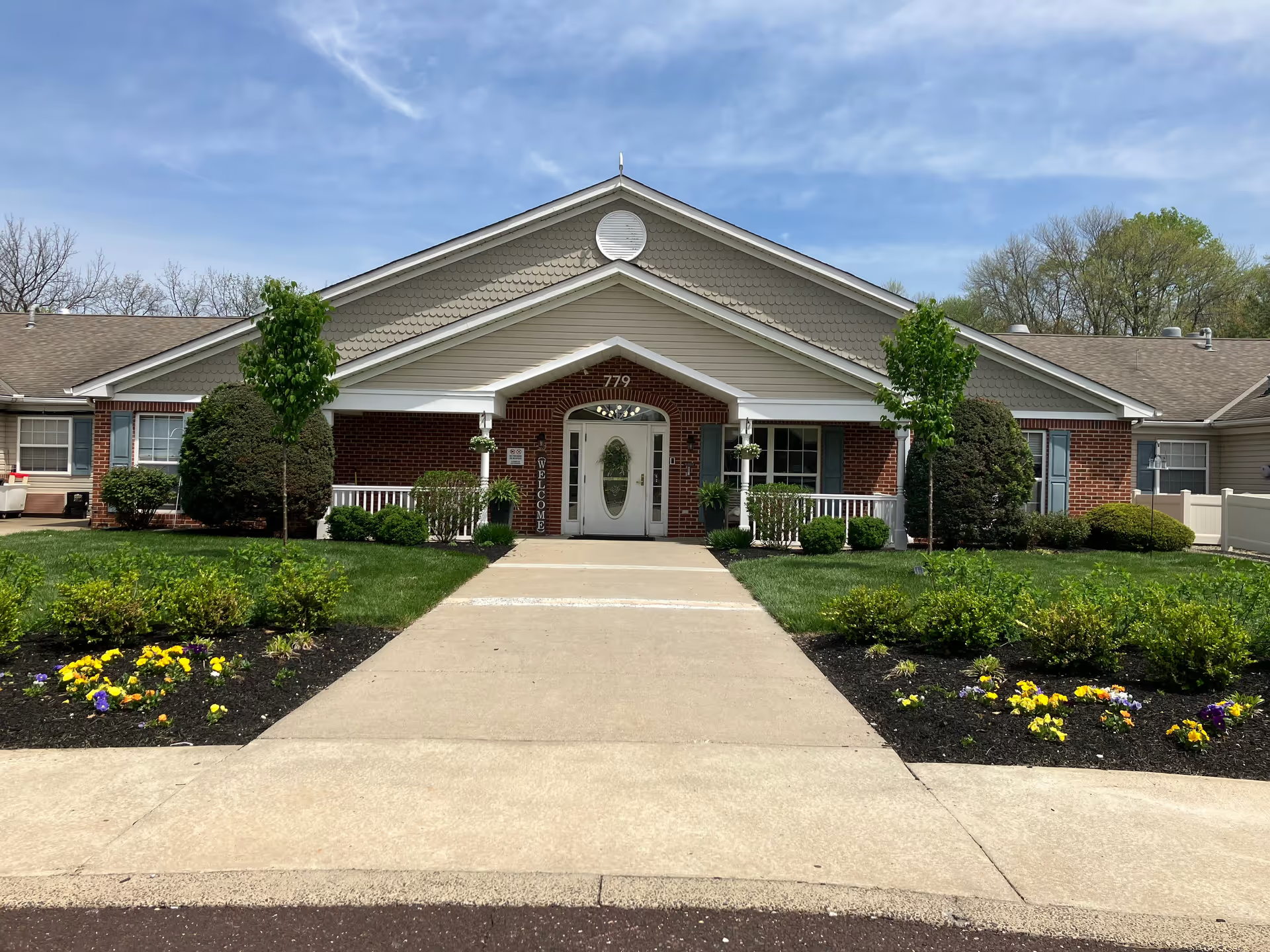
Overall impression: Reviews reflect a mixed but instructive picture. Clinical interactions are frequently described positively — clinicians and physician assistants are characterized as knowledgeable, friendly, and attentive, with several accounts of clear explanations, quick intake checks, and staff who go above and beyond. At the same time, administrative and communication issues recur in the feedback, producing uneven patient experiences depending on the pathway of care and the staff member encountered.
Care quality and clinical practices: Many reviewers praised the clinical team for competent, accessible care and clear answers to clinical questions. Intake processes are often described as efficient, and a number of comments emphasize responsive handling of patient requests. However, there are concerns about inclusion in medical decisions and clarity around referrals, test results, and some medication choices. These suggest the need for more consistent shared-decision practices and explicit documentation/communication when new or precautionary medications are prescribed.
Staff and communication: The staffing picture is bifurcated. Clinical staff (physicians, PAs, and some nurses) receive favorable remarks for bedside manner and responsiveness. Administrative staff, particularly front-desk personnel, show inconsistent performance in the reviews: helpful receptionists are noted alongside accounts of rudeness, unprofessional conduct, and refusal to assist. Repeated mentions of unreturned messages and poor follow-up indicate system-level gaps in patient outreach and telephone/email responsiveness.
Management and administration: Administrative processes are a clear area for improvement. Reviewers cite billing and prior-authorization delays, confusing insurer-driven primary-care reassignments, and unclear pathways for referrals and test-result notification. These issues point to opportunities to streamline authorization workflows, clarify insurer-related transitions, and implement more reliable handoffs between administrative and clinical teams.
Dining, activities, and facilities: Review content did not address dining services, recreational activities, or physical facilities in any substantive way. The absence of commentary on these areas prevents a reliable assessment; prospective patients and families should request direct information or a tour to evaluate those dimensions.
Notable patterns and recommendations: A consistent pattern is the contrast between generally strong clinical interactions and weaker administrative support and communication. Priorities for improvement would include standardizing front-desk customer-service training, tightening follow-up protocols for patient messages and test results, improving transparency and timeliness around billing and authorizations, and formalizing shared-decision processes for medication recommendations. For families and patients, the facility may offer good clinical care, but administrative responsiveness and clarity around referrals/insurance actions should be confirmed before committing to care.