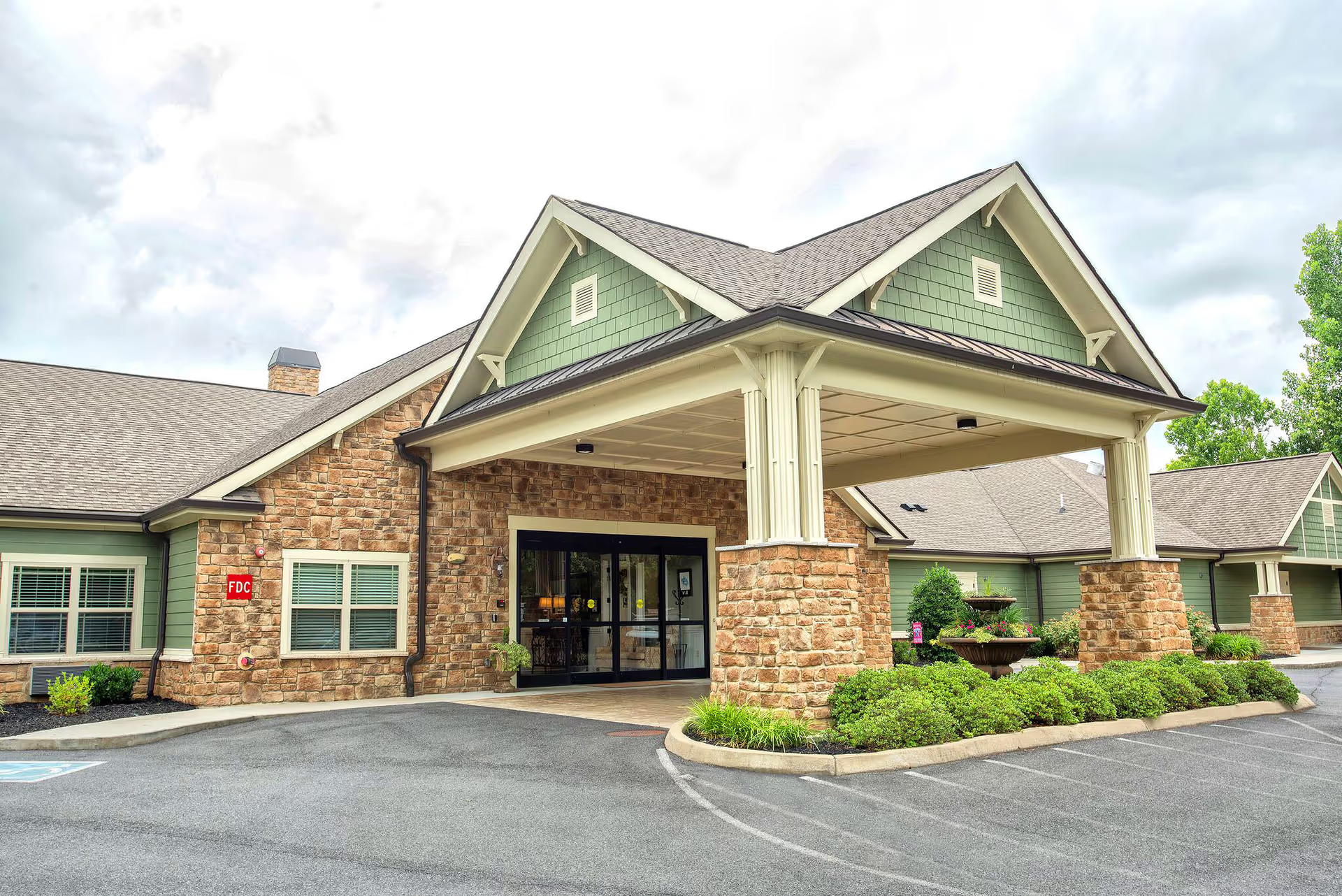
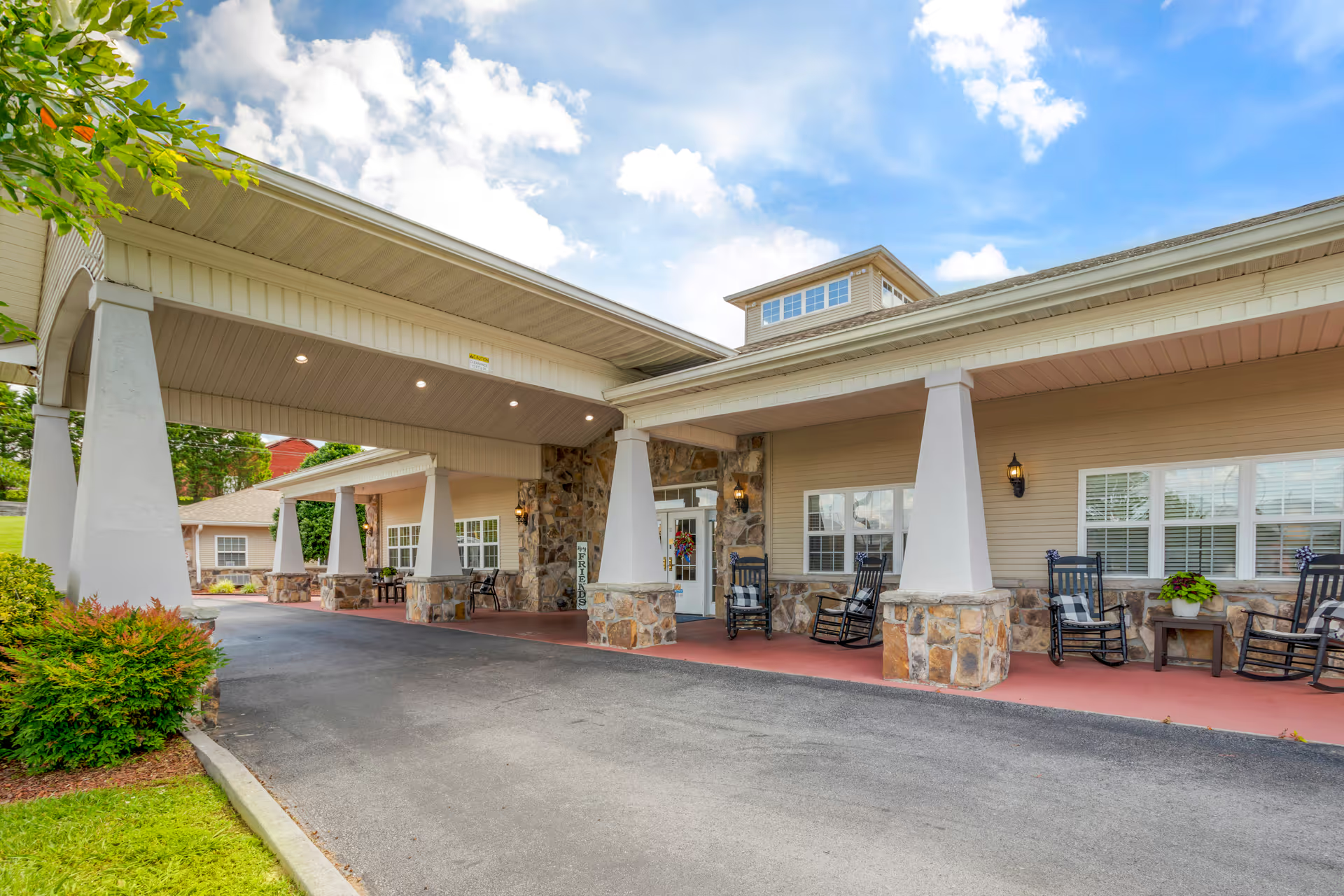
Reviews of Smoky Mountain Post-Acute and Rehabilitation Center describe a facility with clear strengths in hands-on clinical services alongside operational inconsistencies that prospective families should note. Many accounts emphasize compassionate, engaged caregiving and strong therapy programs: physical, occupational and speech therapy are repeatedly credited with measurable progress, and wound care and end-of-life support receive positive mention. Several reviewers describe staff as personable and attentive, and multiple families characterize the facility environment as family-friendly with comfortable rooms and well-maintained common areas.
That said, a recurring pattern involves inconsistent staffing and coverage. Reviewers cite periods when nurse-call response is delayed, weekend clinical coverage is limited, and nursing staff appear stretched by medication administration and admission tasks. These operational strains are linked in reports to slower responsiveness and variable staff conduct; some families describe very positive interactions with staff while others describe concerns about responsiveness and tone. Management responsiveness appears to be improving for many observers—new ownership and engaged administration are credited with positive changes—but staffing stability remains an ongoing theme.
Dining, activities and amenities receive mixed feedback. Several reviews praise meal variety and quality, calling the food very good, while others report poor palatability and inconsistency. Activities are described positively in some accounts, contributing to resident engagement, but amenities such as televisions and room equipment are occasionally noted as unreliable. Cleanliness and sanitation are similarly mixed: many reviewers praise a clean, well-kept facility, yet a subset identify sanitation concerns in certain rooms or bathrooms and reference earlier infection-control issues. These contrasting impressions suggest variability between units and time periods rather than a uniform condition.
Administrative and clinical coordination gaps are another notable pattern. Complaints in some summaries include lost or incomplete medical records, missed lab follow-up, and mail/admits handling problems—issues that point to weaknesses in documentation and care coordination rather than isolated bedside-care failures. Some reviewers describe marked improvement under new management, while others continue to advise caution due to these operational gaps.
Overall, the facility appears to provide effective rehabilitative and compassionate caregiving for many residents, with especially strong therapy and wound-care capabilities. However, inconsistent staffing, periodic sanitation and dining variability, and administrative/documentation weaknesses create an uneven experience. Prospective residents and families would benefit from direct inquiry during a tour about current staffing ratios (including weekend coverage), nurse-call response protocols, infection-control practices, medical-record handling and specific therapy plans to assess whether the facility’s current operational status aligns with their needs.