Reviews of Sevierville Health and Rehabilitation Center are polarized: many families praise caregiving, rehabilitation services, and facility cleanliness, while other accounts raise operational and clinical concerns that warrant careful review during a visit.
Care quality shows a clear split. Numerous reviews describe compassionate, attentive CNAs and nurses, strong physical and occupational therapy, accessible physicians, and a smooth hospice transition for residents at end of life. These reports highlight rehabilitation-focused recovery, long-tenured staff in certain departments, and instances where families felt reassured by the care their relative received. Conversely, other reviews describe slow response times from nursing staff, delayed assistance with personal care needs, inconsistent bathing/linen/clothing maintenance, and lapses in personal-item handling during transitions. Several reviewers raised concerns about clinical-safety processes, including medication and feeding-tube management; a few described alleged harmful conduct by individual clinicians, which are serious individual-level claims families should investigate further.
Staffing and management emerge as primary drivers of variability. Positive comments frequently cite dedicated therapy teams, friendly dining staff, and supportive clinicians; negative comments often point to understaffing, uneven staff engagement, and specific administrative communication gaps (slow return calls, unclear follow-up). Some reviewers perceived a decline in day-to-day operations and responsiveness after ownership or management changes. These patterns suggest that staffing levels, leadership stability, and internal communication significantly affect resident experience.
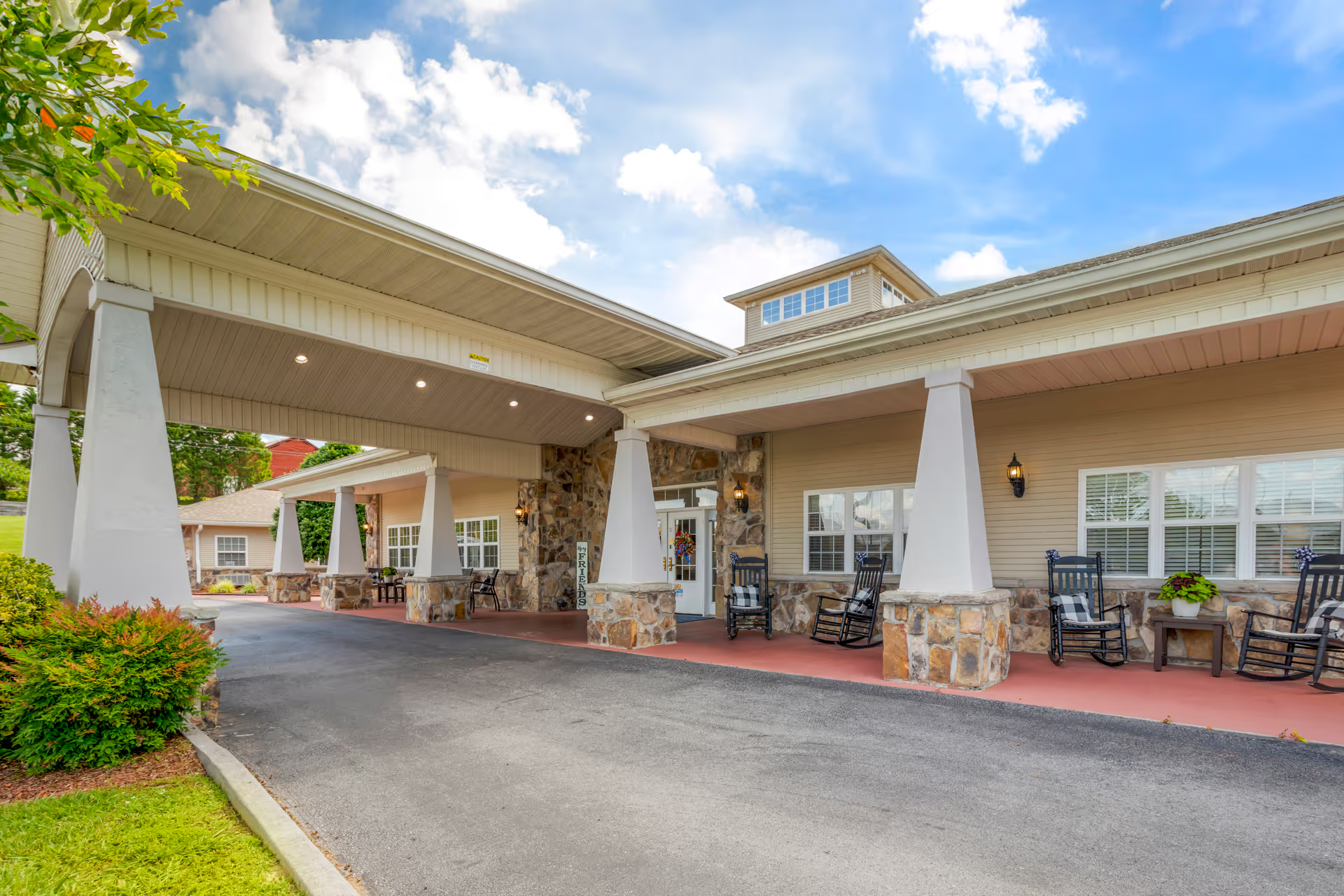
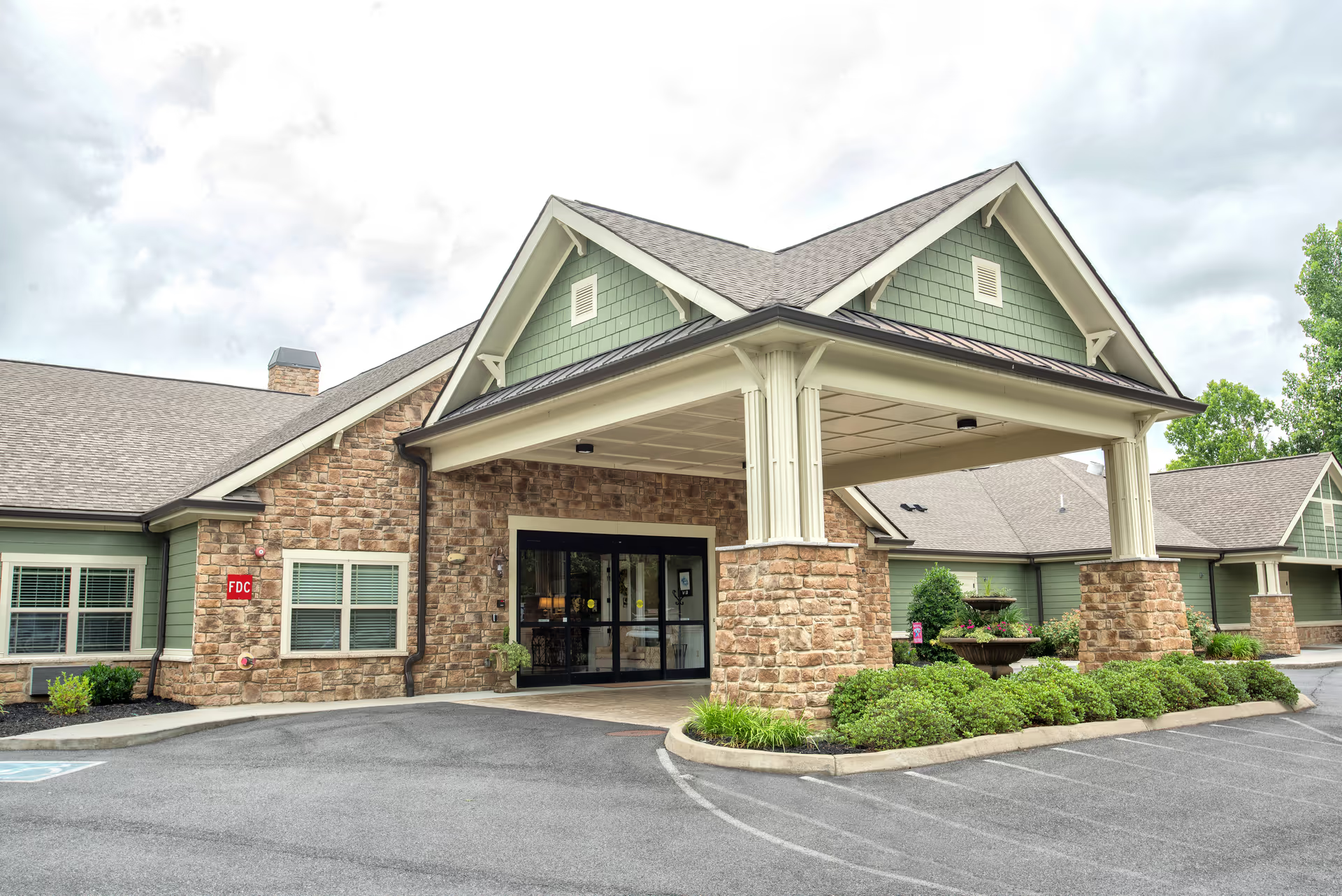
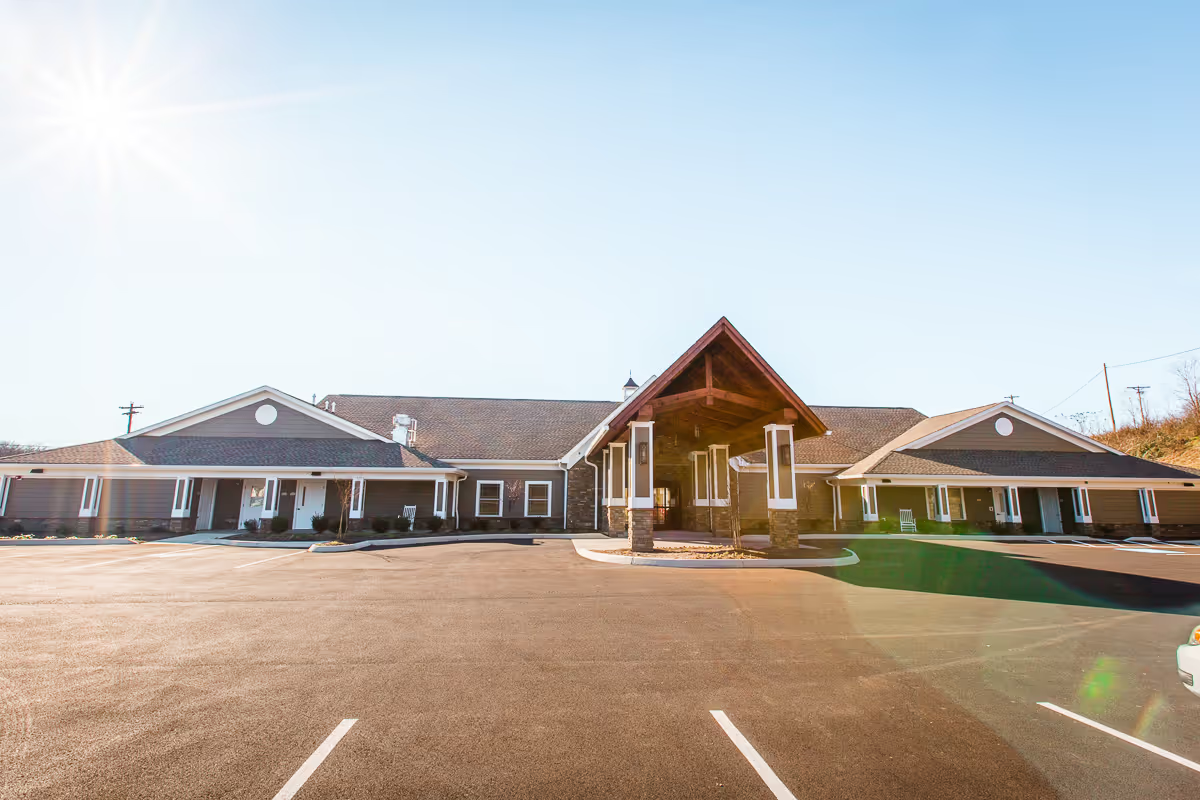
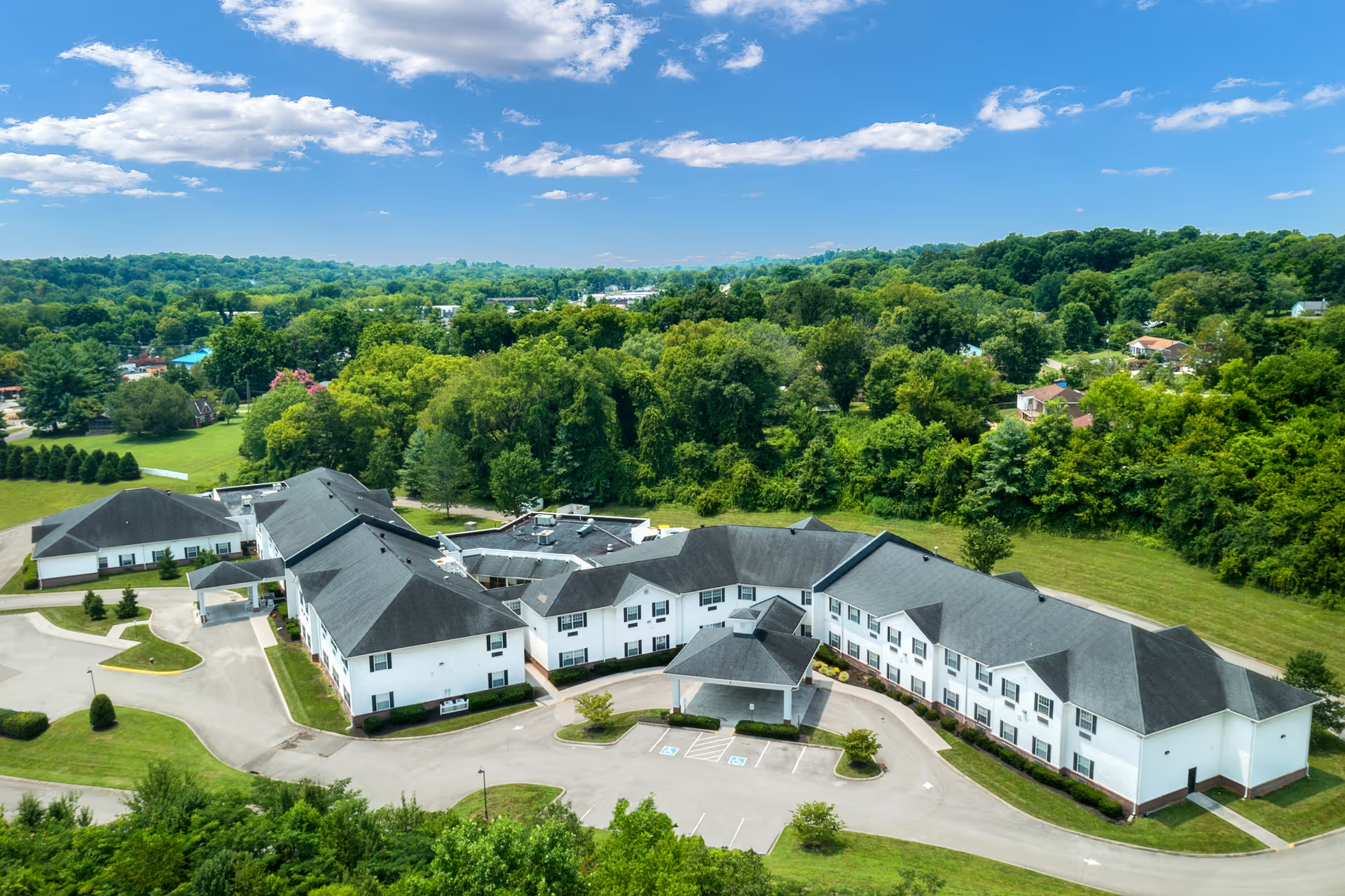
Dining, activities, and facility conditions are mixed. Multiple reviews praise friendly meal staff, acceptable-to-good food, and communal spaces such as a large dayroom and garden. Private rooms with mountain views and reports of spotless units are cited as strengths. At the same time, reviewers noted variable meal quality, removal of amenities (example: beverage choices at meals), limited outdoor access for some residents, and an activities program that appears more engaging at times than at others.
Taken together, the most consistent strengths are the presence of committed therapy teams, several caring direct-care staff members, and well-maintained physical spaces. The most consistent concerns are operational: inconsistent staffing coverage, slow clinical responsiveness, gaps in routine hygiene and linen processes, variability in dining and activities, administrative communication shortfalls, and occasional lapses in clinical-safety processes. Prospective residents and families should consider an on-site visit focused on current staffing ratios, nurse call/response procedures, linen and personal-item protocols, therapy schedules, billing and fee structure, and the facility’s incident-reporting process to assess whether the facility’s current operations match the positive examples and to address any of the operational concerns noted above.