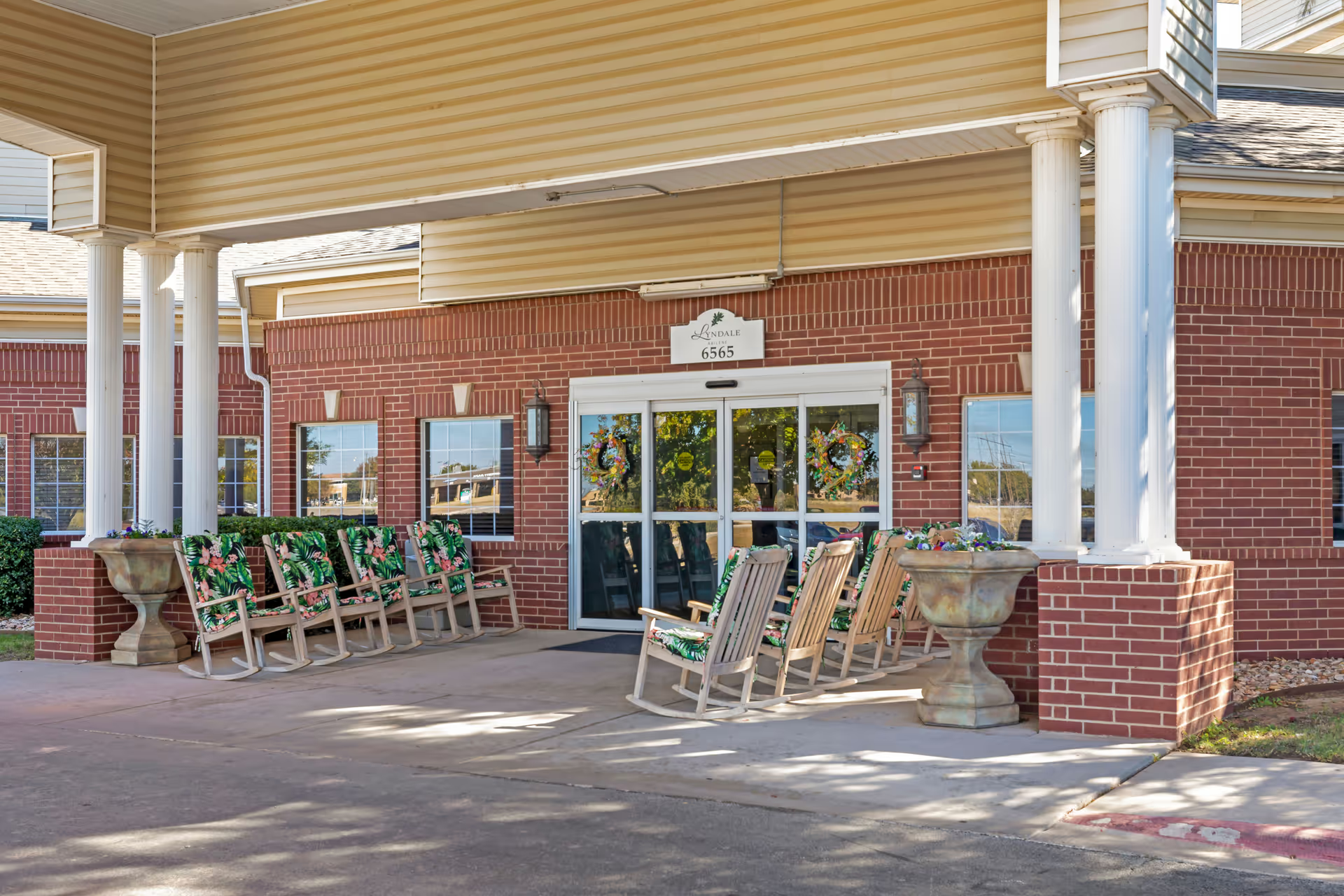
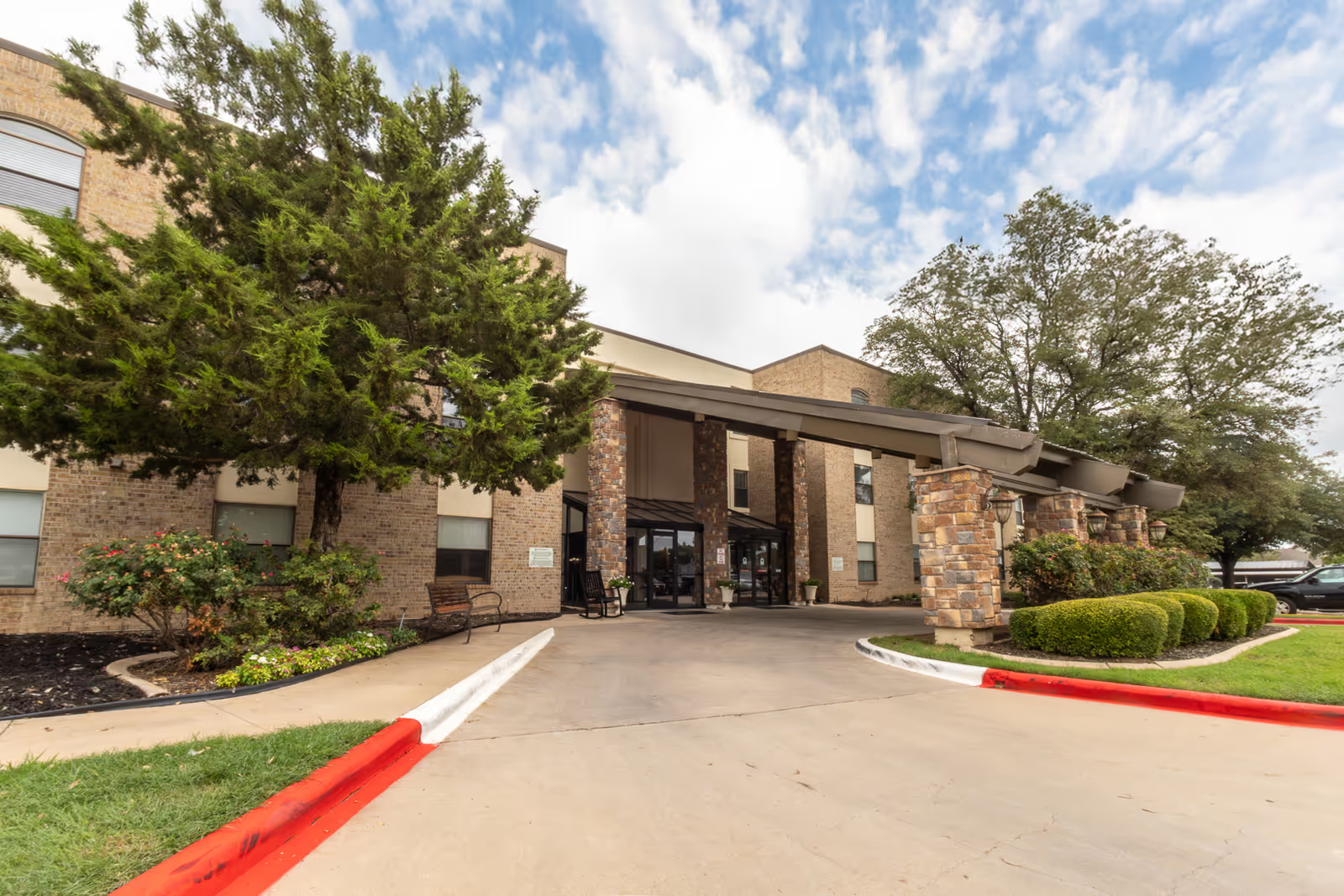
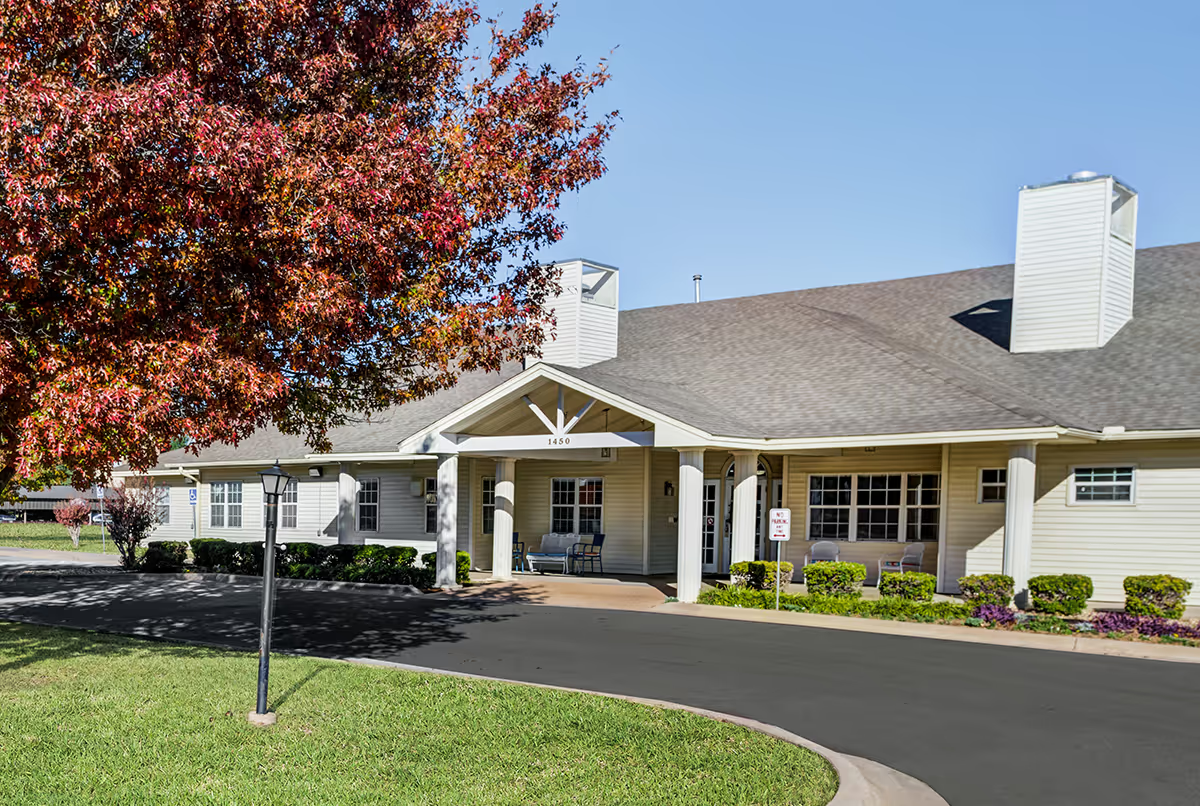
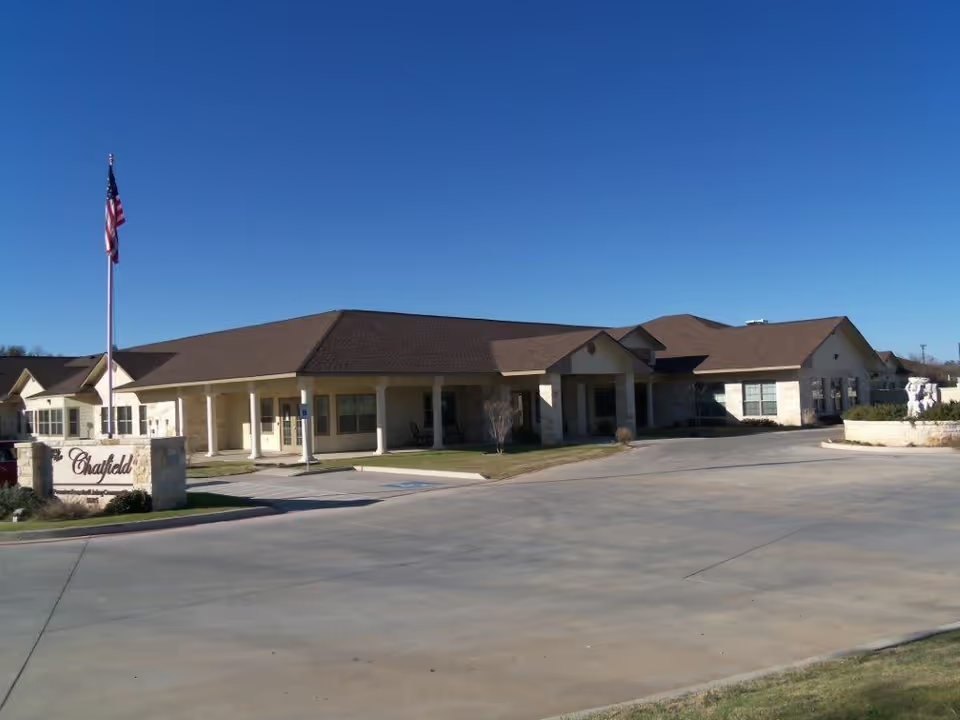
Overall impression Mesa Springs Healthcare Center presents a mixed but largely positive profile. The facility is frequently praised for its rehabilitation services, personable direct-care staff, and a generally clean, welcoming environment. Families highlight strong therapy outcomes, proactive case management, and an active social calendar, while several operational issues create variability in day-to-day resident experience.
Care quality and clinical coordination Therapy services are a standout: physical and occupational therapy teams receive repeated commendation for hands-on work and measurable mobility gains. Nursing and CNA staff are often described as compassionate and attentive, and social-work/case-management staff are noted for proactive family communication and coordination. At the same time, reviews identify operational gaps that affect clinical reliability: inconsistent staffing levels, variable physician presence, and concerns about medication-management processes. These operational weaknesses have occasionally led to missed or delayed care tasks and lapses in clinical oversight.
Staffing and responsiveness Many reviewers commend individual staff members and describe excellent interpersonal care. However, there is a clear pattern of uneven staffing coverage and shift-to-shift variability. This manifests as delayed call-light responses, inconsistent engagement from night staff, and variable follow-through on routine tasks such as laundry return or assistance for off-site appointments. Administrative turnover is also mentioned as a factor that may contribute to inconsistency in policies and follow-up.
Dining and nutrition Dining is a mixed area. Several families and residents praise the menu variety, accommodated dietary requests, and special Bistro offerings; other accounts describe cold meals, bland or repetitive selections, or inconsistent portioning. Meal temperature and service continuity appear to be recurring operational issues rather than universal quality failures.
Activities and amenities The facility offers a robust activities program with a monthly calendar, scheduled games, and social events. On-site amenities — including a beauty shop, a community center, and a courtyard — support resident engagement and a more home-like environment. Transportation assistance for medical appointments and in-room therapy options (when needed) are additional strengths.
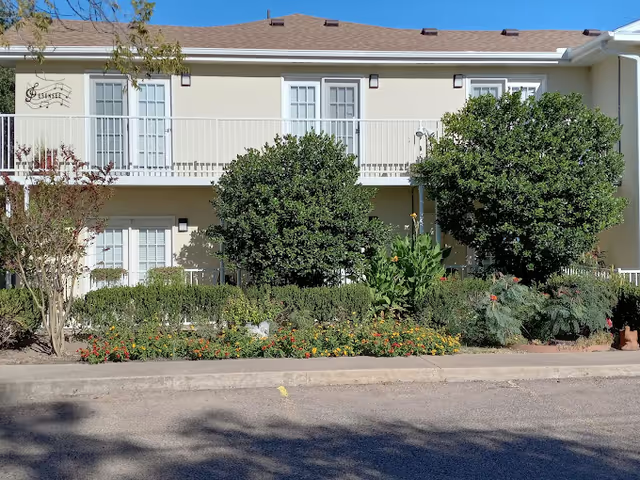
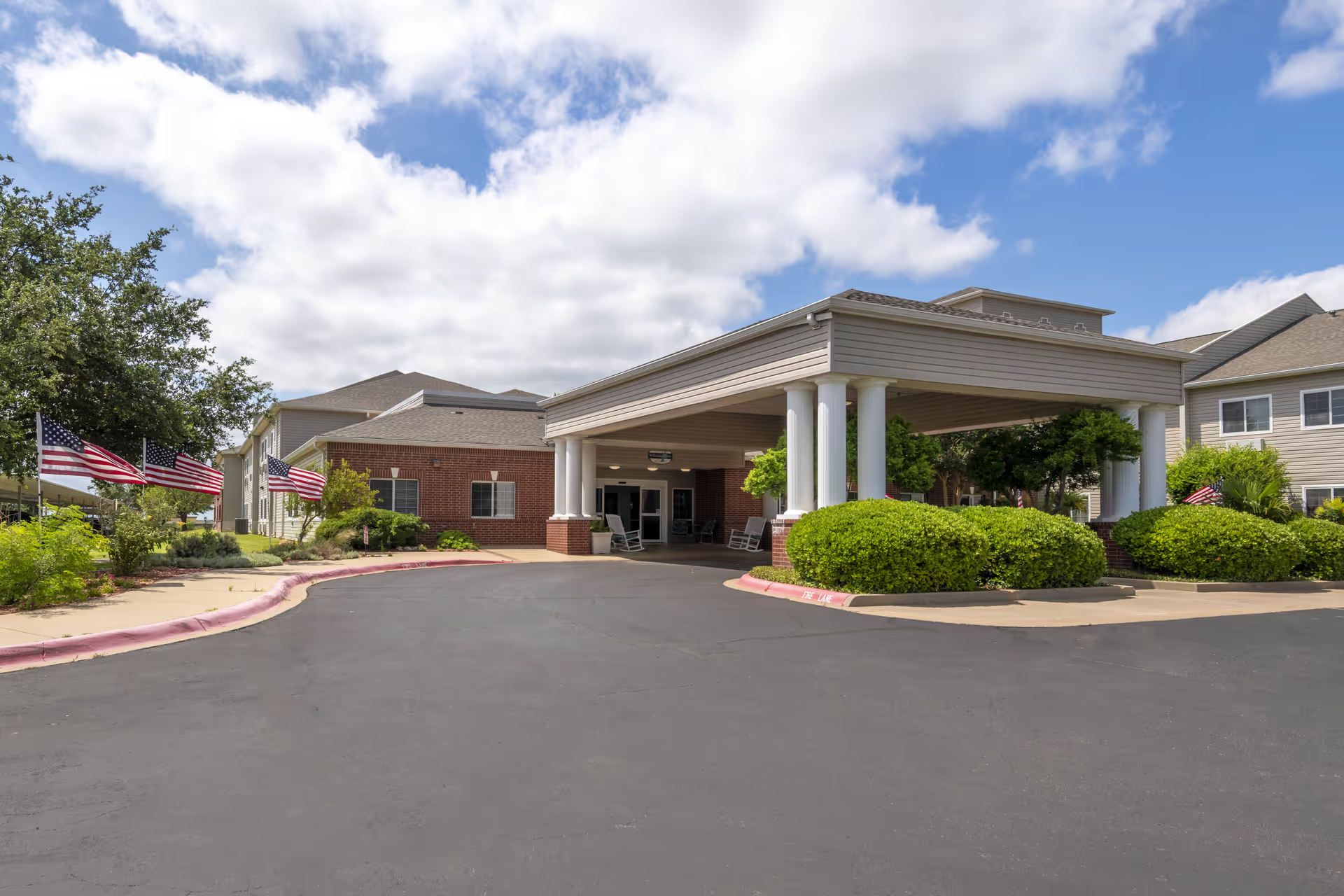
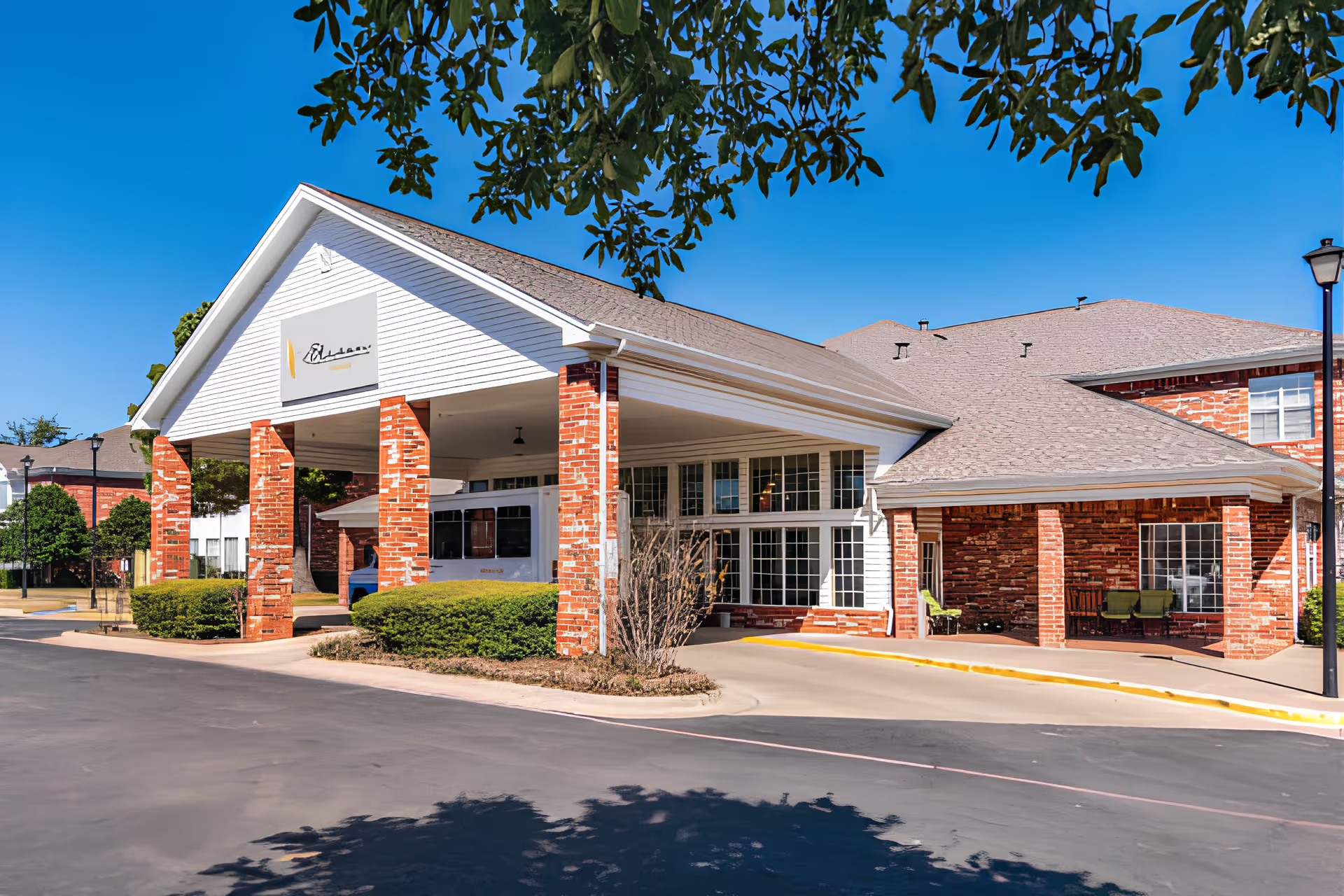
Facilities, housekeeping and maintenance Many reviewers describe the building as attractive and well-maintained, with clean common areas and recent remodeling in parts of the campus. Conversely, there are isolated but recurring sanitation and housekeeping inconsistencies (spot-cleaning of personal surfaces and room-level concerns), and occasional equipment failures (mattresses, wheelchair brakes, chair hardware). Maintenance responsiveness receives praise in some accounts and is criticized in others, suggesting variability in service depending on timing and staffing.
Management, communication, and notable patterns Case managers and social workers are commonly cited as transparent, helpful, and proactive in communicating incident updates and financial coordination. Communication channels (calls and texts) are a strength when used consistently. The notable pattern across reviews is variability: excellent care and clear communication when staff are fully engaged, and operational lapses when the facility is short-staffed or undergoing administrative turnover. Serious clinical concerns are present in a minority of accounts (including medication-management issues and missed clinical oversight); these items warrant careful follow-up by prospective families.
Bottom line Mesa Springs generally performs well in rehabilitation, individualized therapy, resident engagement, and family-facing communication. Prospective residents should weigh these strengths against operational variability in staffing, meal service consistency, equipment maintenance, and occasional lapses in basic care processes. For families prioritizing strong therapy and an active activities program, the facility can be a good match, but they should also ask targeted questions about staffing levels, medication-management protocols, and how the facility handles equipment upkeep and off-site appointment coordination.