Northern Oaks Living & Rehabilitation Center elicits largely positive impressions around clinical rehabilitation, staff engagement, and the social environment, while raising several operational concerns that prospective residents and families should evaluate further. Reviewers consistently praise the therapy teams and nursing staff for clinical skill, attentive care, and individualized rehabilitation plans. Many accounts describe effective physical, occupational, and speech therapy leading to meaningful rehab progress and discharge readiness. Admissions support — frequently identified by name — is highlighted as a strength, with admissions staff described as helpful, patient, and responsive, which reduces family stress during placement.
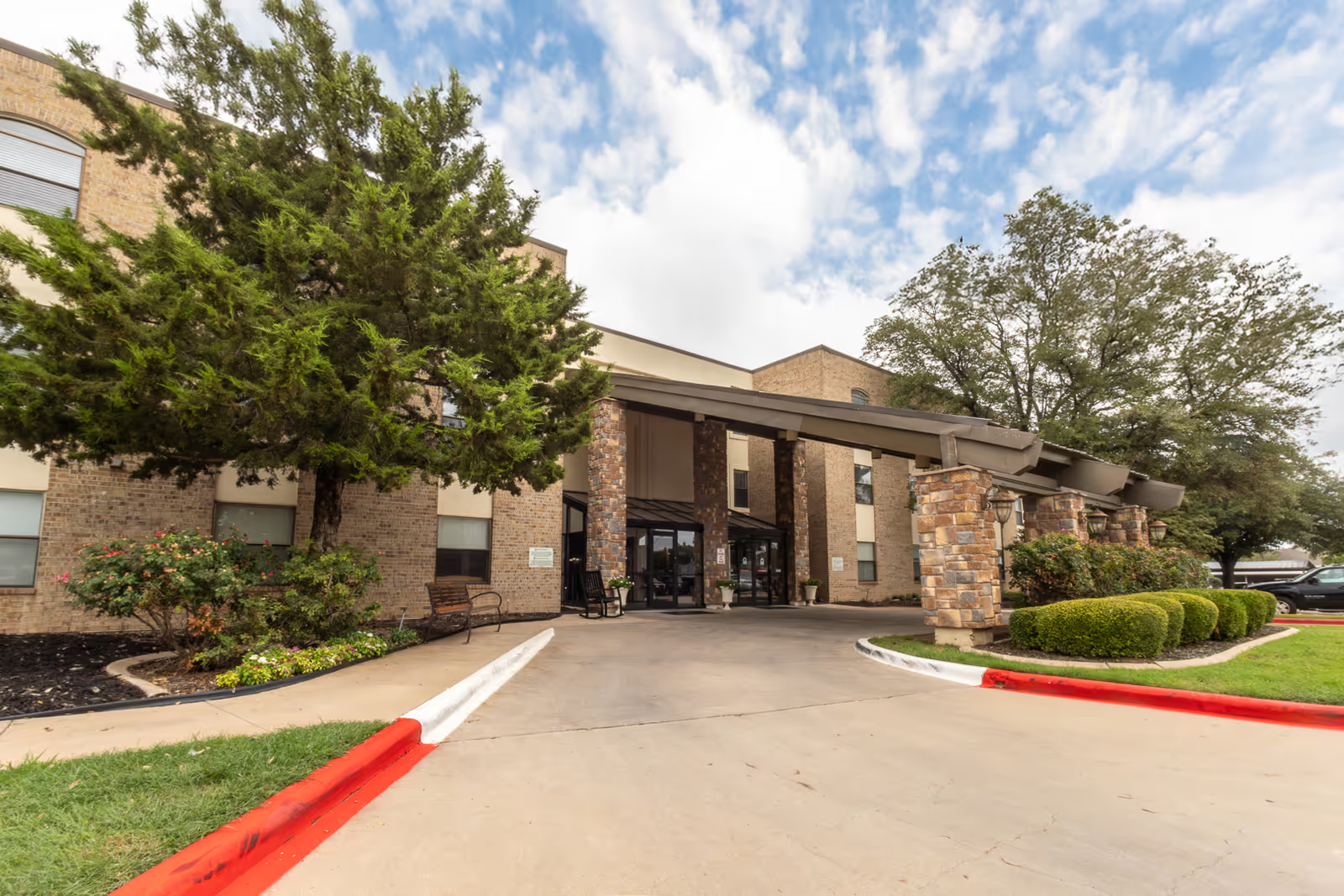
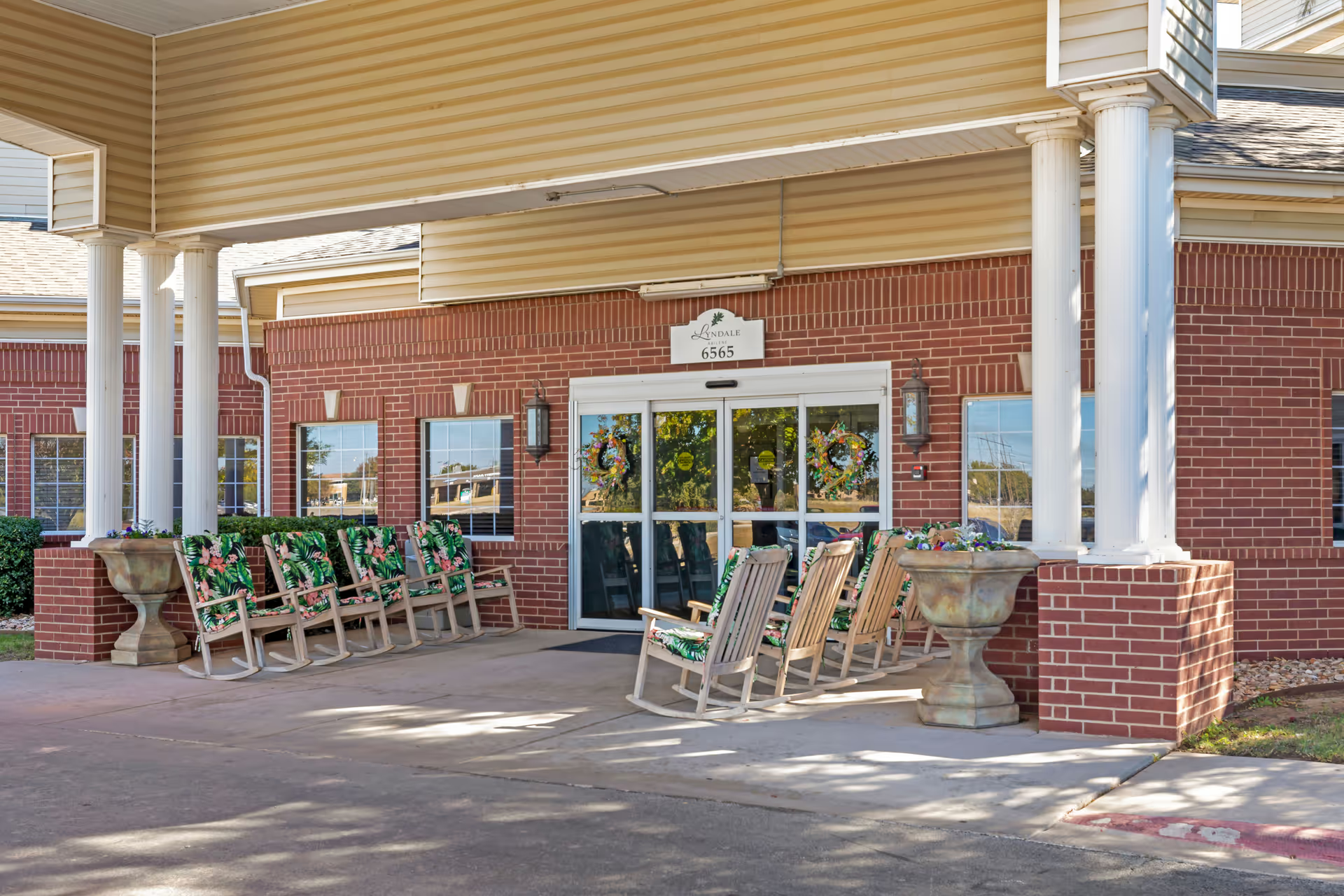
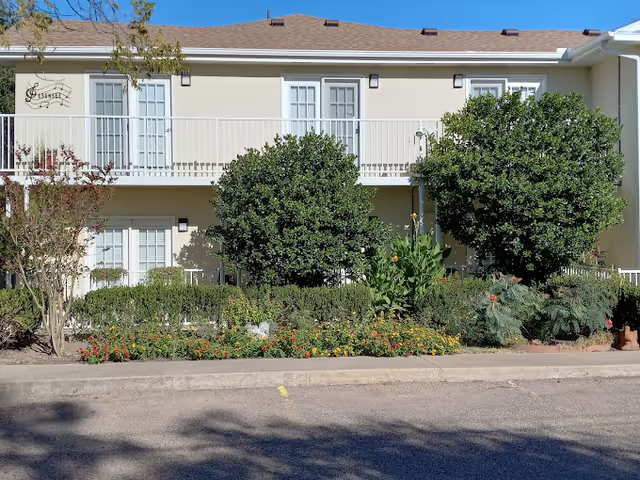
Staff culture and resident engagement are recurrent positives. The facility is portrayed as warm and home‑like, with organized staff, stable caregiver relationships, and a range of activities that promote social engagement, including music, dancing, and holiday programming. Several reviewers singled out individual staff for compassionate, professional conduct and identified leadership as accessible and supportive. The overall environment is often described as clean and recently updated, with renovations improving common areas and resident spaces.
Dining and dietary support appear mixed. While dietary staff are described as supportive and some meals received positive comments, there are repeated notes about inconsistent meal quality and an unappealing presentation for pureed items. Prospective families should assess meal sampling and inquire about texture-modified meal preparation to ensure it meets personal preferences and nutritional needs.
Operationally, reviewers identify several recurring concerns. Medication-management practices and policies drew criticism, including perceptions that medication decisions were restrictive or not optimally managed for symptom relief. Weekend staffing shortages were explicitly mentioned as causing service variability. There are also several references to gaps in post-discharge coordination and insurance navigation, including at least one instance where readmission was denied after a post‑discharge incident; this suggests families should confirm the facility’s discharge follow-up and payer‑coordination protocols.
More serious allegations appear in a minority of accounts and warrant direct inquiry. Some reviewers raised concerns about staff conduct, family communication following incidents, and alleged theft or financial misconduct. Those types of claims are significant and should prompt prospective residents and families to request the facility’s incident-reporting procedures, audit controls for resident funds, and references from recent families.
In summary, Northern Oaks demonstrates clear strengths in rehabilitation services, compassionate caregiving, an engaging social program, and a generally clean, renovated environment. At the same time, patterns around medication management, weekend staffing, meal consistency, post‑discharge coordination, and isolated but serious conduct allegations emerge often enough to merit careful, specific questions during a tour. Recommended follow-up items for families include meeting the therapy and nursing leads, sampling meals (including texture‑modified options), reviewing weekend staffing levels, asking about medication protocols and incident-response procedures, and inquiring about safeguards for resident finances and privacy at check‑in.