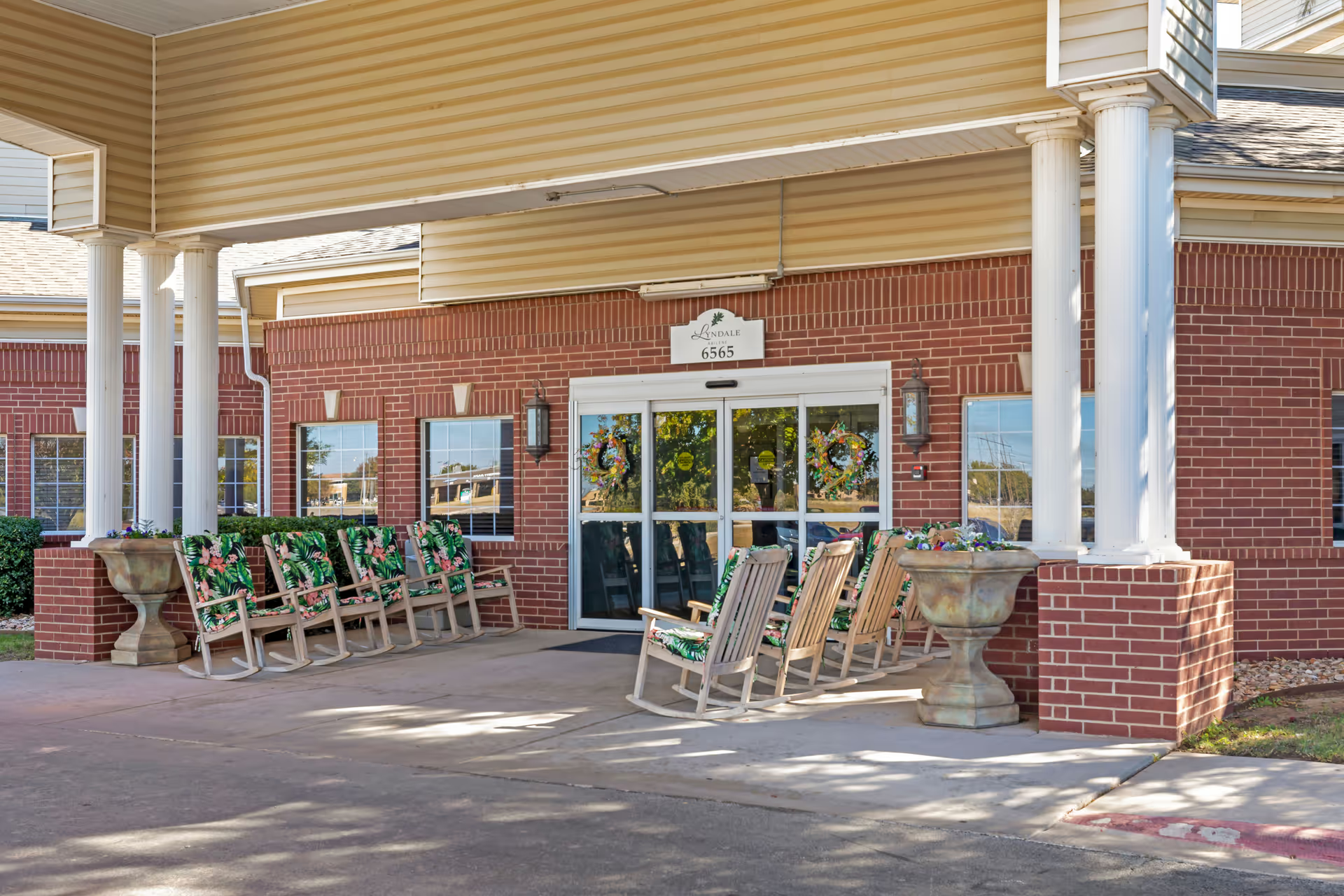
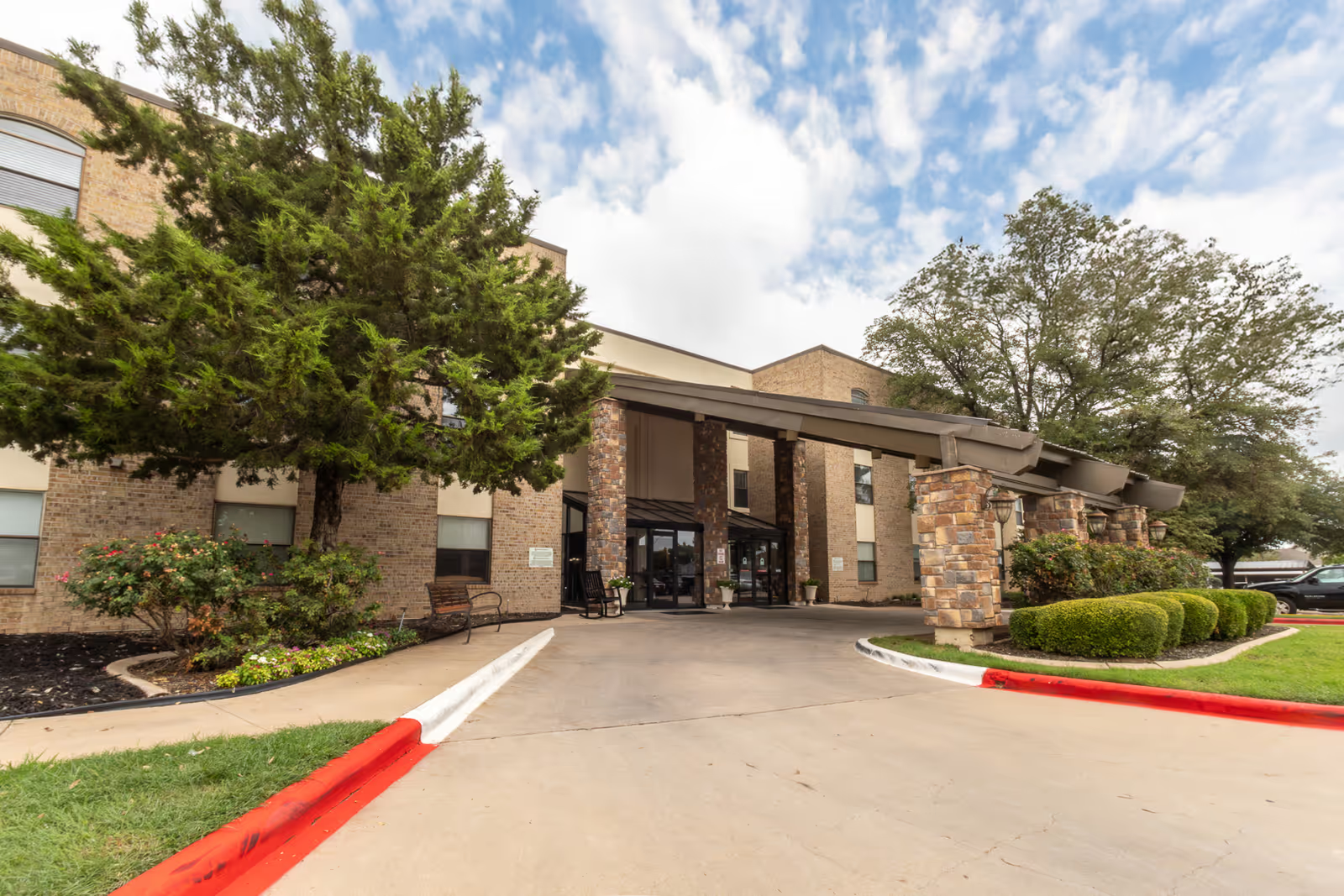
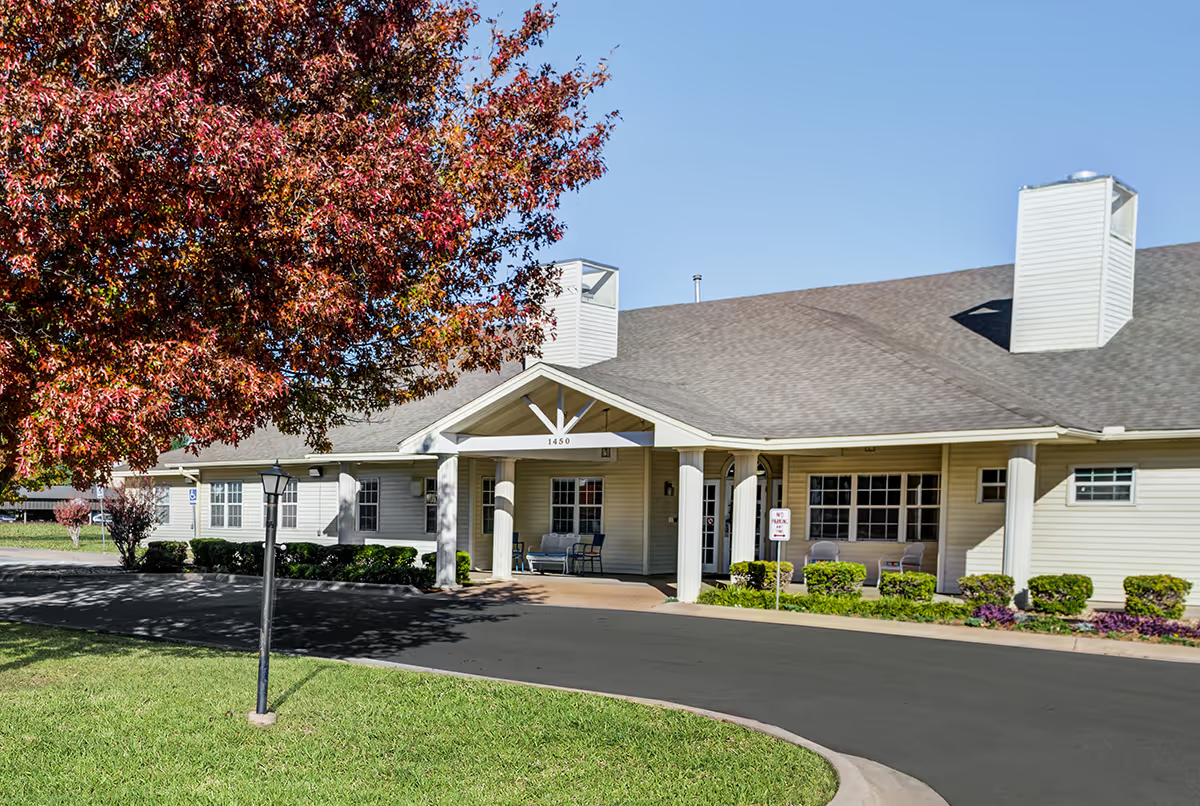
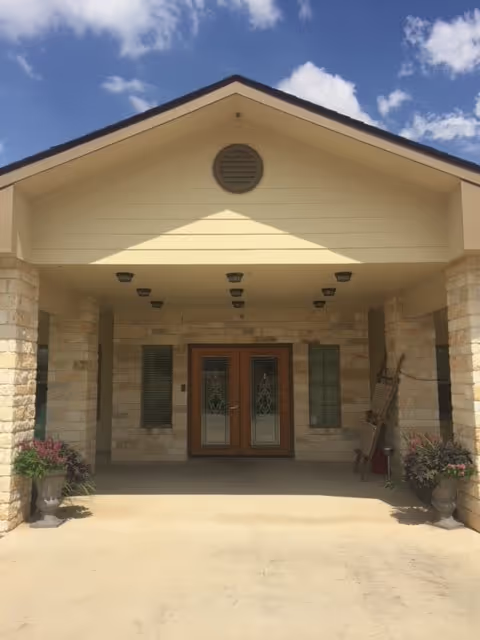
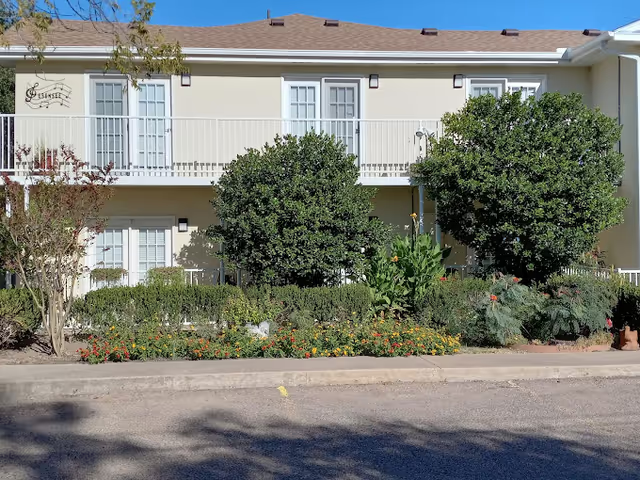
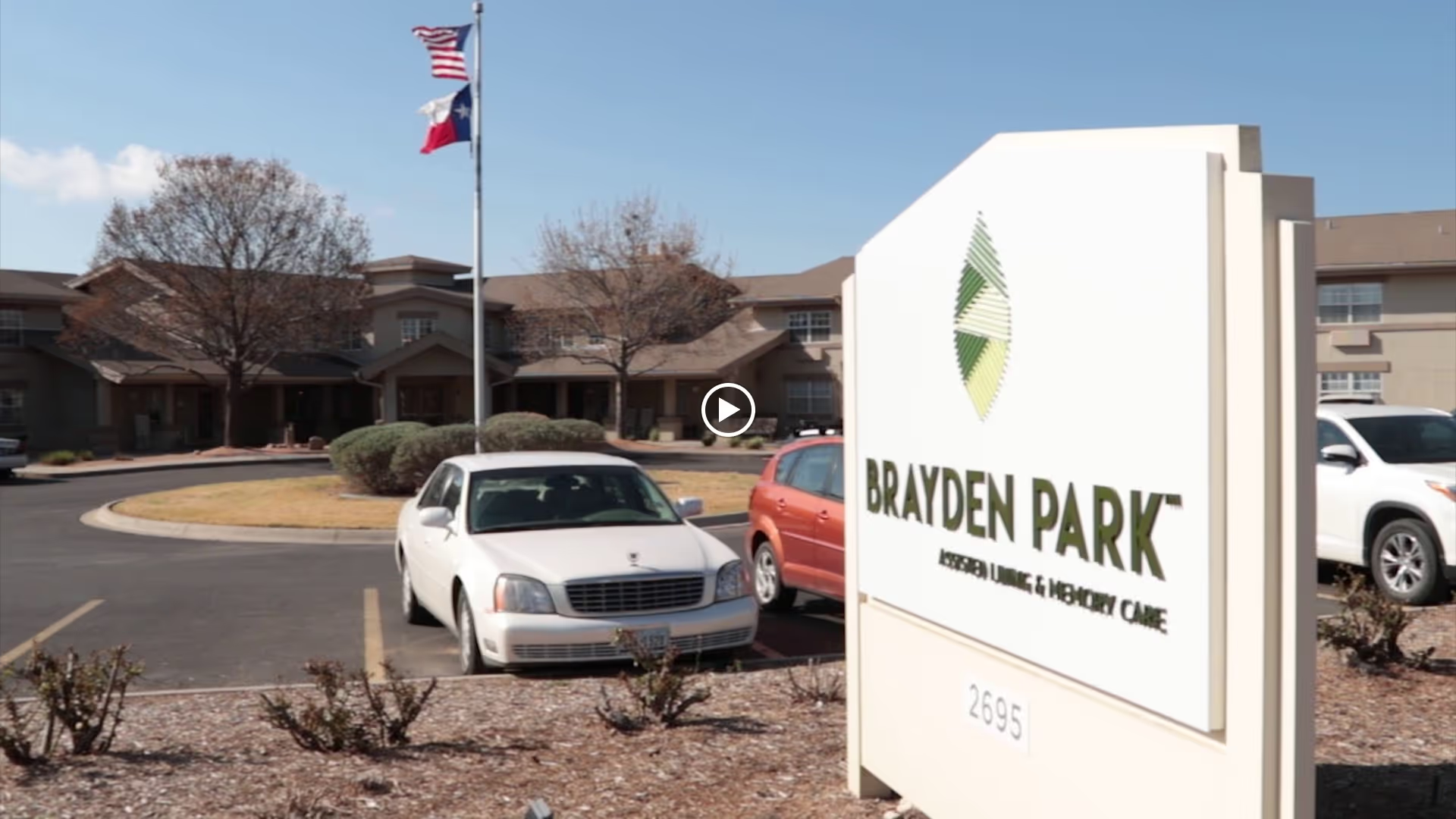
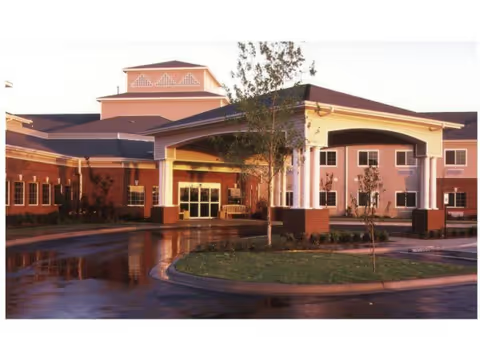
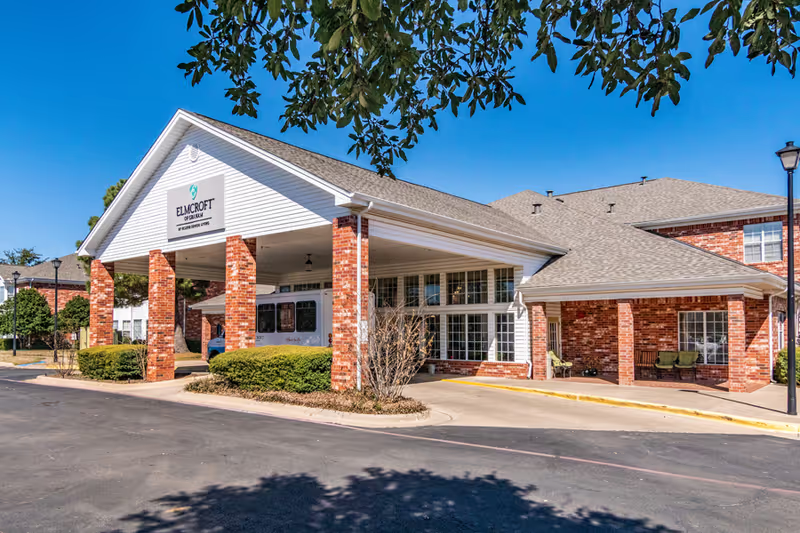
Windcrest Health & Rehabilitation elicits a mixed but distinct pattern of strengths and operational weaknesses. Many families describe a warm, home-like facility with an open central-gathering layout and private-room ambiance. The building and common areas are frequently characterized as clean and well maintained, with pleasant dining aromas and a generally comfortable interior. The facility is also repeatedly praised for its organized approach to care levels, discharge planning, and access to rehabilitation services.
Care and staffing are two areas with divergent accounts. Positive accounts emphasize friendly, personable staff who provide gentle, dignified care; specific staff roles such as nurses, therapists, activity staff, and the social worker receive commendation for compassion, responsiveness, and family communication. The rehabilitation program and activity offerings are often highlighted as strengths, with an active schedule and staff who engage residents. Administrative and office staff also receive positive mention for helpfulness and coordination, and transportation services are described as cordial and dependable.
Counterbalancing those positives are recurring operational concerns. Reviewers described inconsistent responsiveness from caregiving staff, including delays in attending to personal-care needs and variability in bathing/incontinence routines. Relatedly, there are reports of lapses in medication timing and administration. Housekeeping and sanitation practices were sometimes described as inconsistent, with a few accounts indicating maintenance or cleaning tasks were not completed promptly. Several reviews raised serious concerns about missing personal items; these have been framed as allegations of inadequate property tracking. Staffing variability and occasional understaffing appear to contribute to these service gaps.
Management and communication present a similar split. Some families praise strong discharge support and collaborative communication, while others reported difficulty obtaining managerial contacts, inconsistent follow-up on concerns, and delays in admissions or transfers. Those patterns suggest uneven accountability and variable incident-response practices across shifts or units.
For prospective residents and families, the salient pattern is a facility with notable interpersonal strengths—compassionate caregivers, an engaged therapy program, and an inviting physical environment—paired with operational inconsistencies in personal-care routines, medication timing, housekeeping, property tracking, and staffing stability. Those trade-offs mean that outcomes may depend substantially on unit-level staffing and management responsiveness; families considering Windcrest may benefit from asking specific questions about incontinence-care protocols, medication-administration safeguards, property-accountability procedures, staff-to-resident ratios by shift, and the facility's incident-response and escalation pathways.