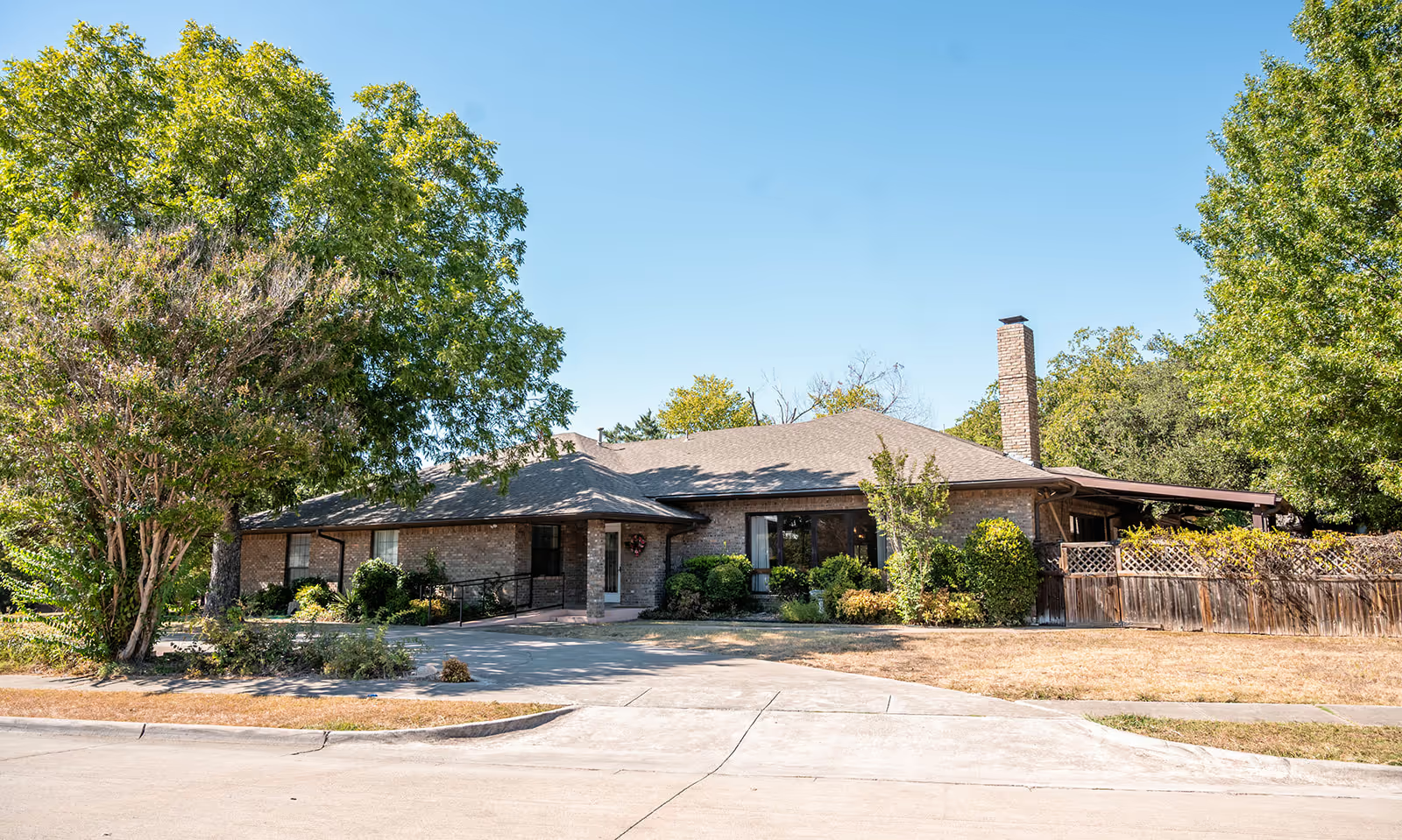
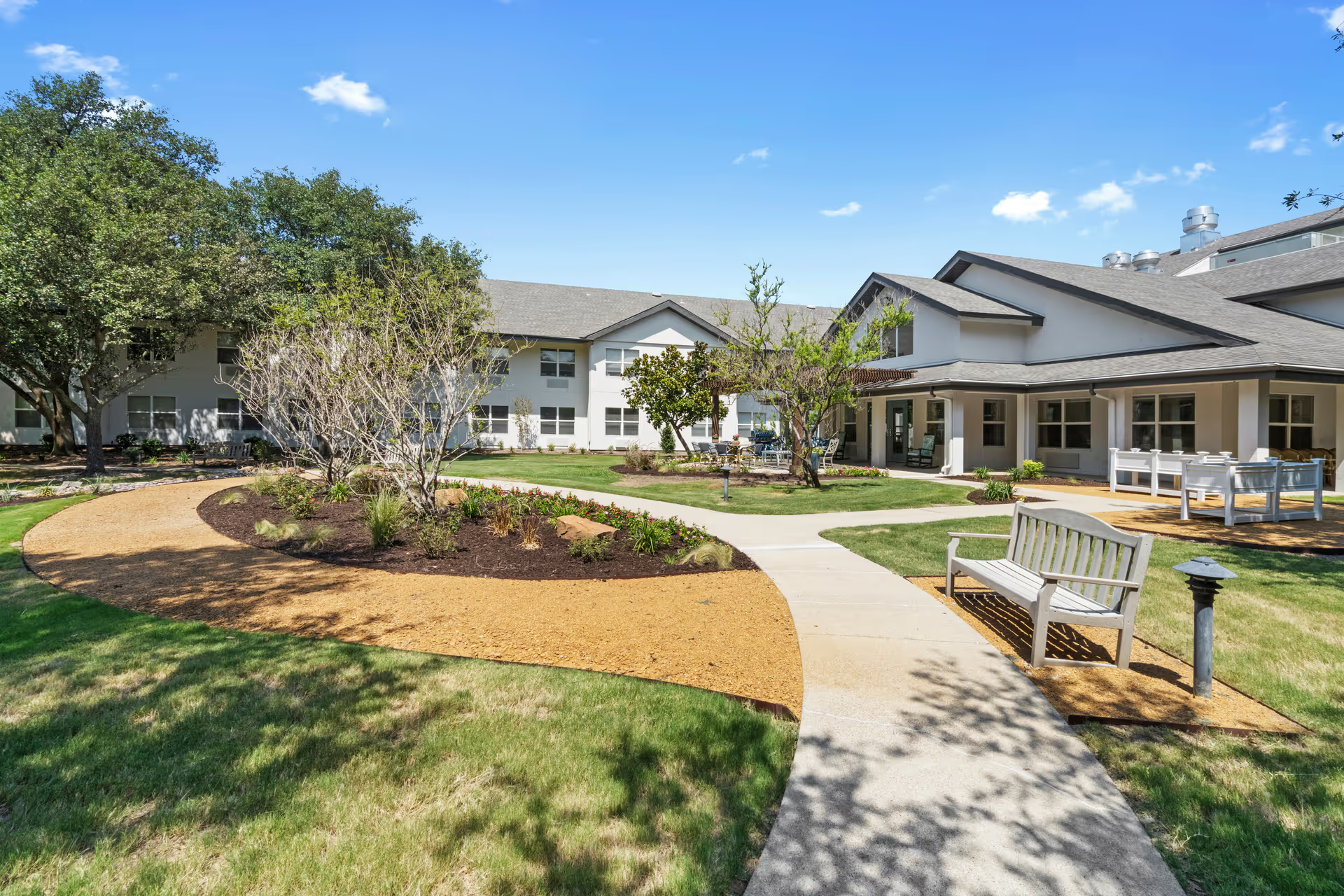
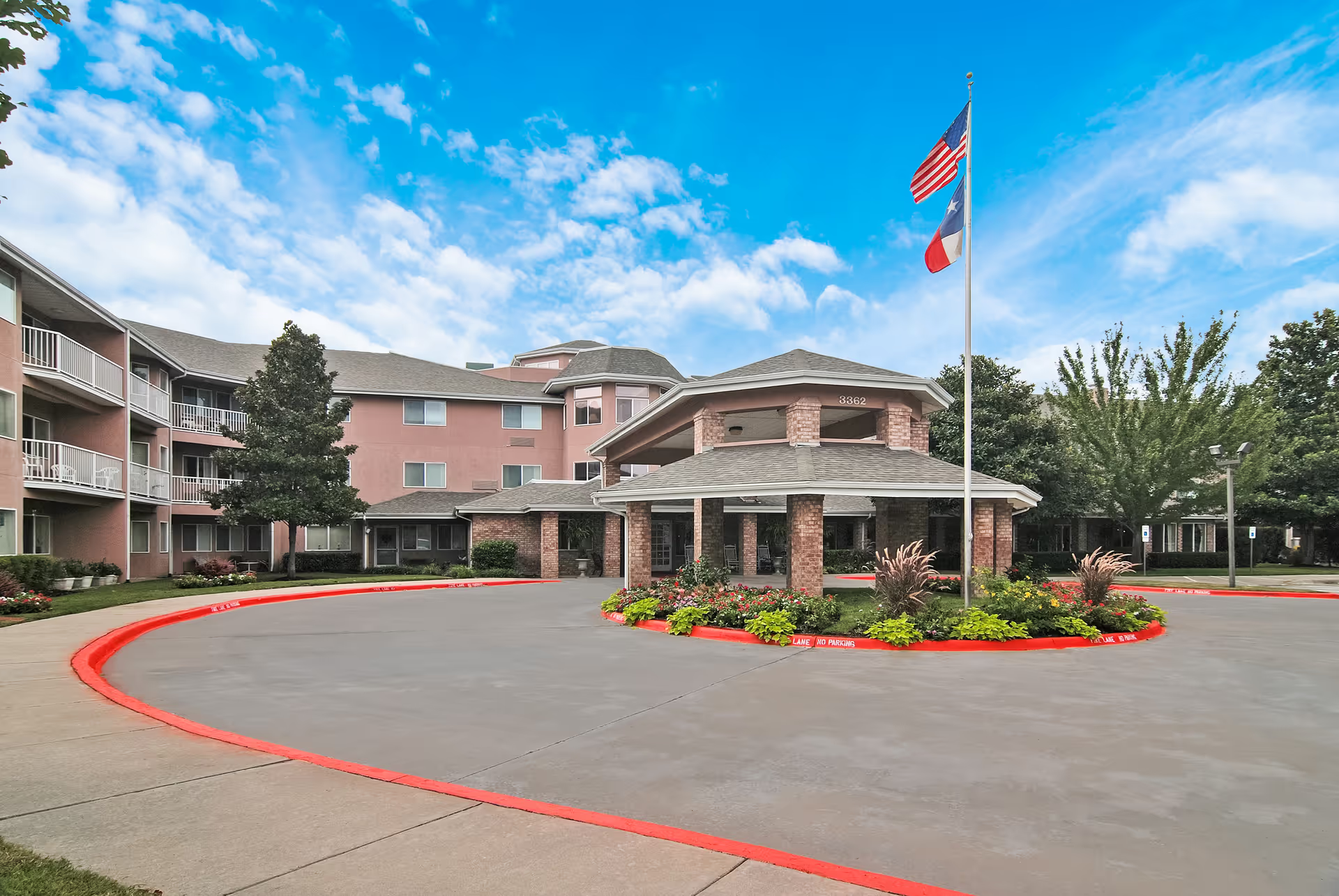
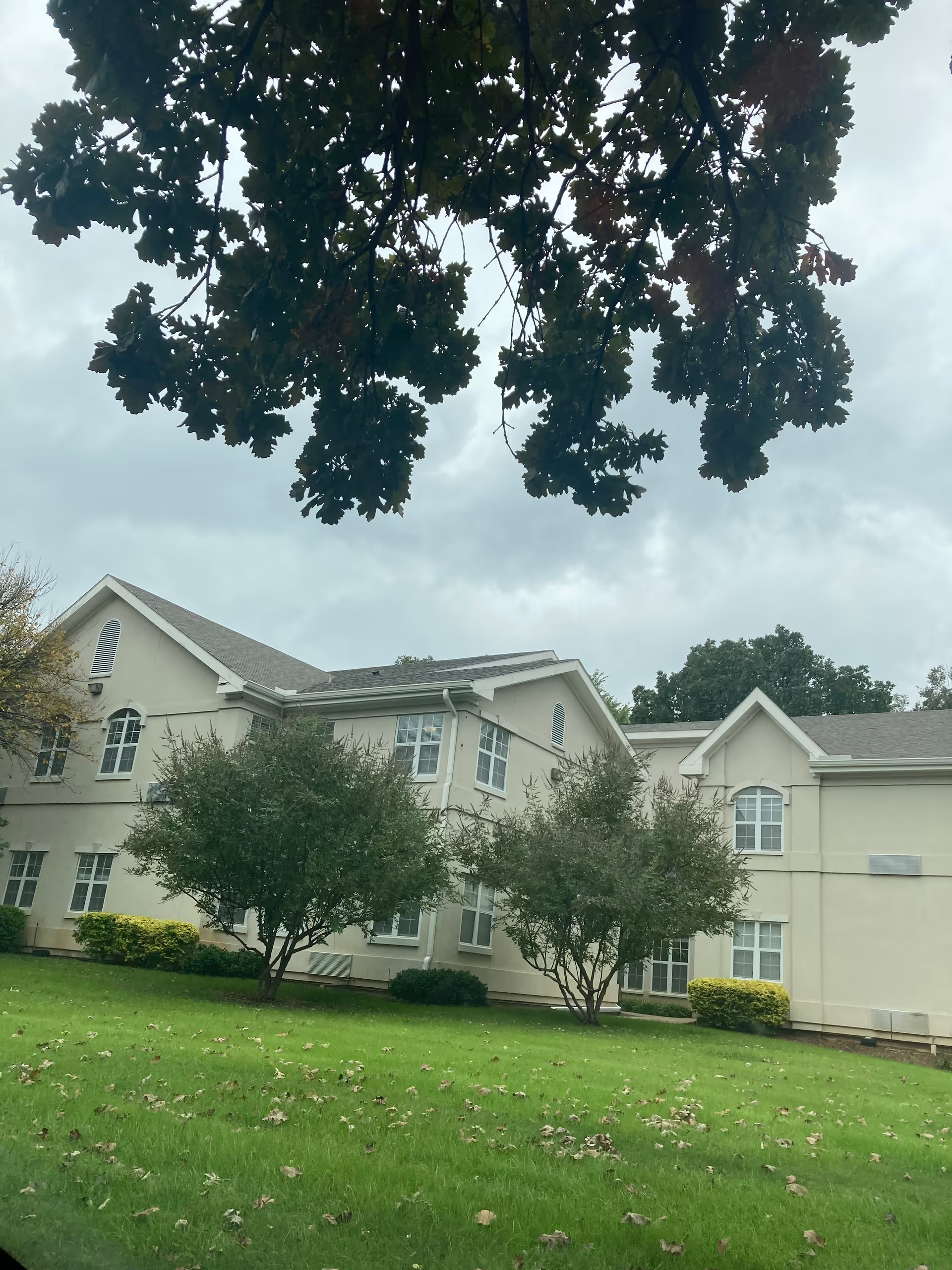
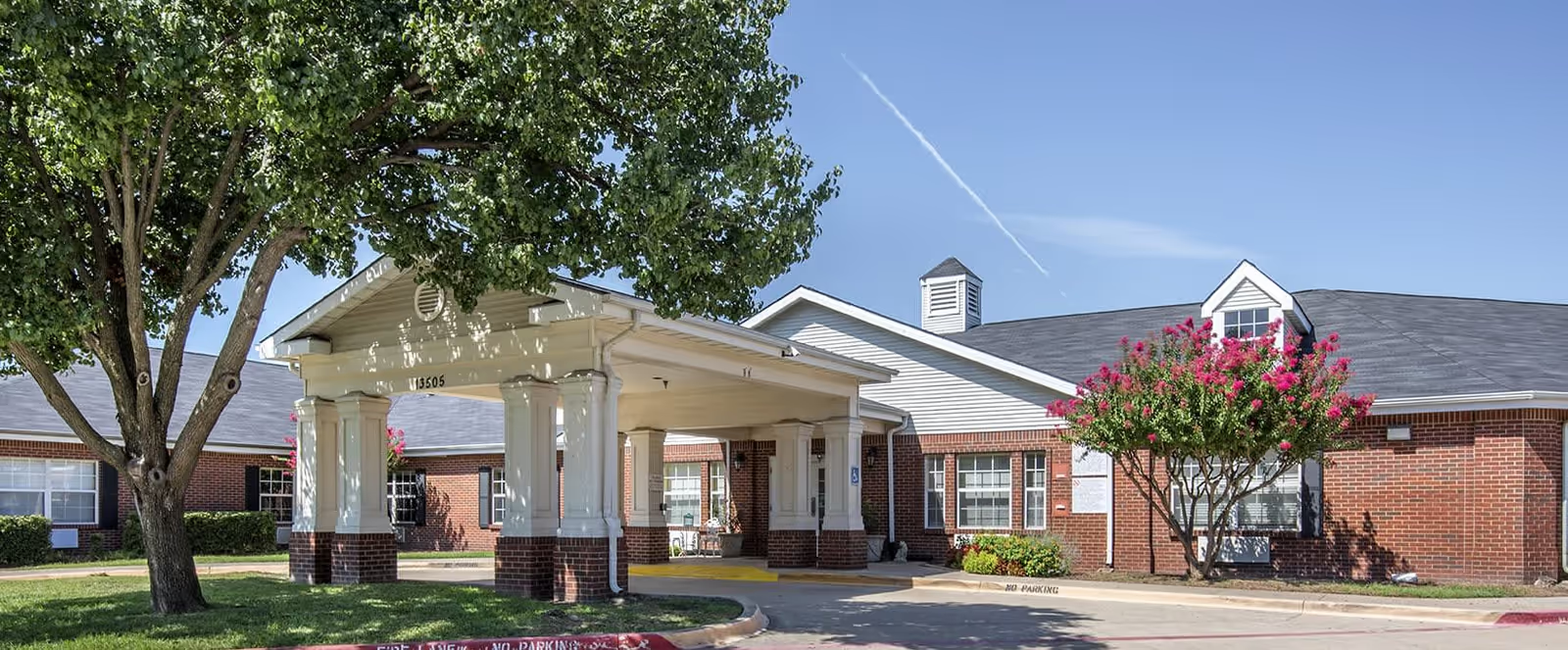
The reviews portray Villages on MacArthur as a facility with significant strengths in rehabilitation, therapy services, and a number of compassionate frontline caregivers, alongside persistent operational weaknesses that families should consider. Therapy teams (PT/OT) and several nurses, CNAs, and named staff members receive consistent praise for helping residents regain function and return home. The building itself, newer wings, private rooms, courtyards, and centralized dining/therapy spaces are frequently cited as pleasant, comfortable features that support social engagement and memory-care programming. Activity offerings, memory-care approaches (massage, aromatherapy, reminiscence), and visible weekend clinical leadership are additional positive themes.
At the same time, a clear pattern of operational concerns appears across reviews. Staffing levels are described as inconsistent — particularly overnight and on weekends — and many families reported slow or delayed responses to call lights and bedside requests. Those staffing gaps are linked to variability in basic care (bathing, toileting assistance, and timely medication administration). Several reviewers described medication errors or omissions and delayed clinical escalation for acute changes, which indicates weaknesses in medication-management processes and clinical monitoring. Sanitation and odor concerns, plus inconsistent laundering/linen availability, were also reported, suggesting lapses in housekeeping and supply workflows.
Dining and nutrition are mixed: some families praise homestyle meals and accommodating kitchen staff, while others describe limited therapeutic-diet options, reheated or cold meals, and inconsistent portioning. Similarly, while many reviewers highlight individual staff members and supportive business-office or admissions personnel, others describe billing disputes, unexpected charges, and poor discharge coordination. Security and property-safeguarding issues were raised, including allegations of missing items; these more serious claims are presented sporadically but merit verification through oversight records.
Management and oversight present a bifurcated picture. Several families note improvement after leadership change and praise particular administrators or clinical leaders; conversely, others report uneven oversight across shifts, high turnover, and gaps in training/supervision. Memory-care programming and social activities are often identified as strengths, but clinical-safety processes (transfer protocols, response to medical changes, wound and skin monitoring) receive recurring criticism.
For prospective residents and families: weigh the facility’s clear strengths in rehab and certain caregiving teams against documented operational variability. Recommended pre-admission inquiries include recent state survey results, current staffing ratios by shift, medication-administration policies and audit practices, skin- and wound-prevention protocols, diet and therapeutic-meal accommodations, and specific steps for family communication and discharge planning. Visiting during different shifts (including nights/weekends) and asking for written documentation of staffing and incident-response procedures can help assess whether the current operational performance aligns with your expectations and clinical needs.