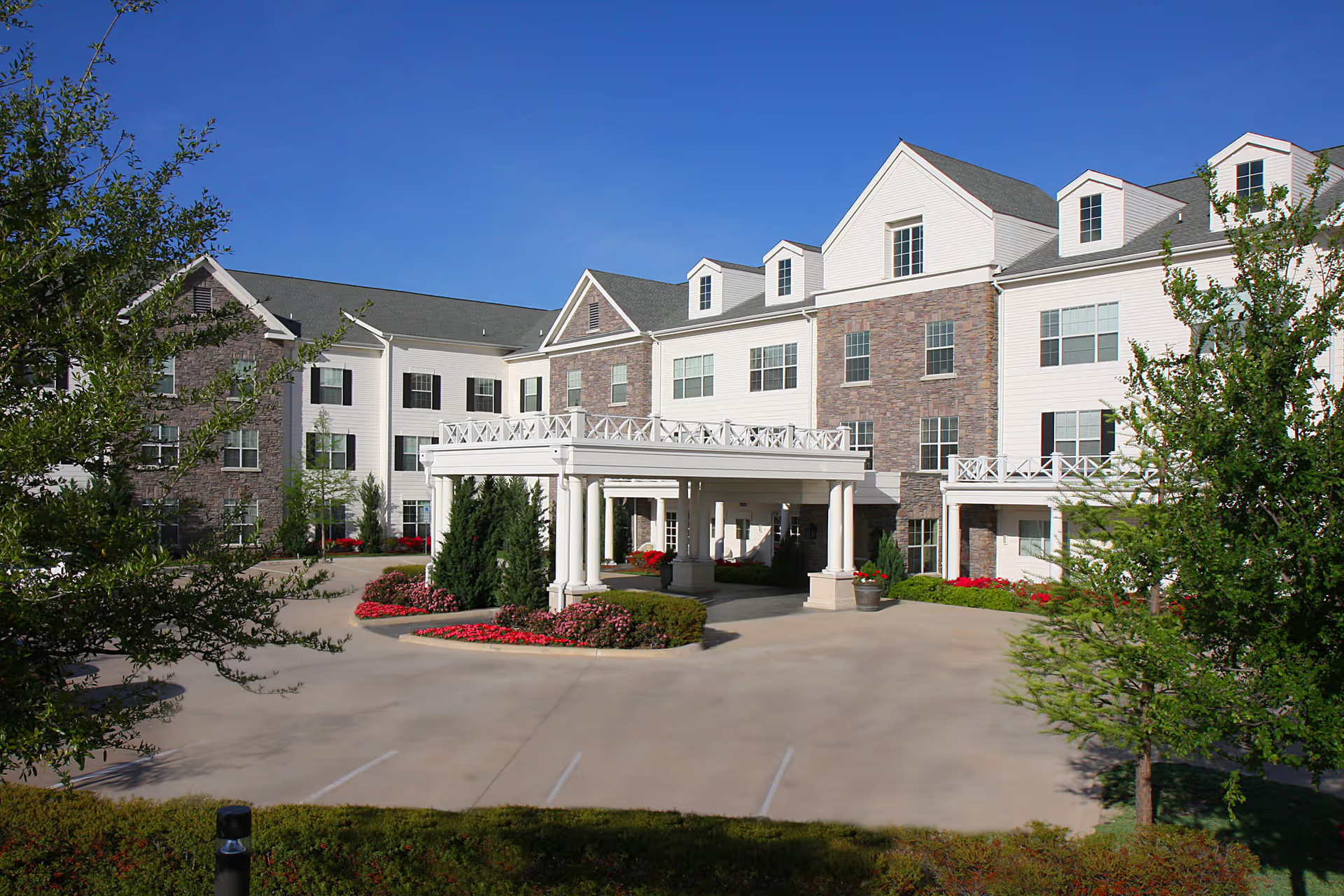
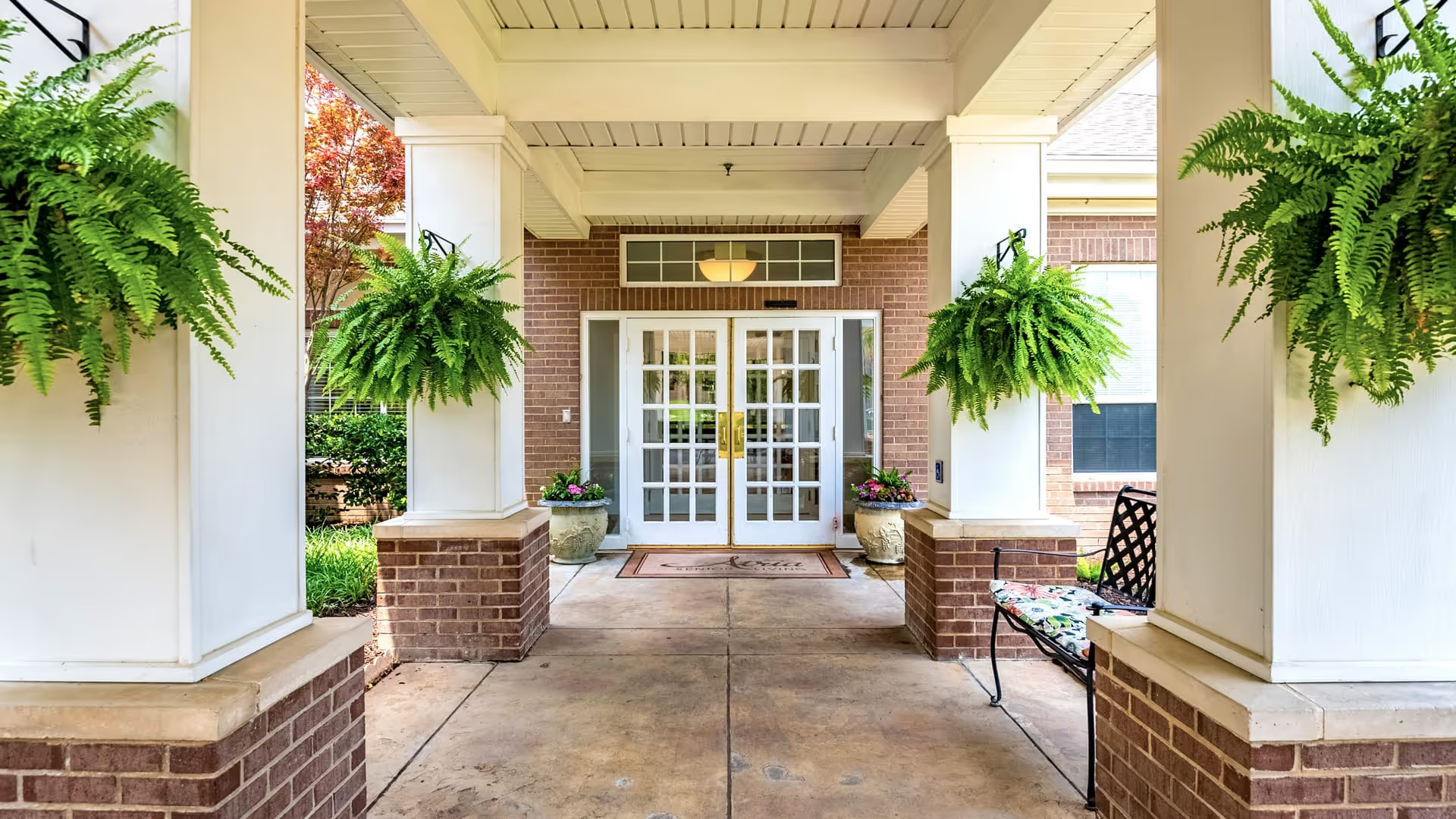
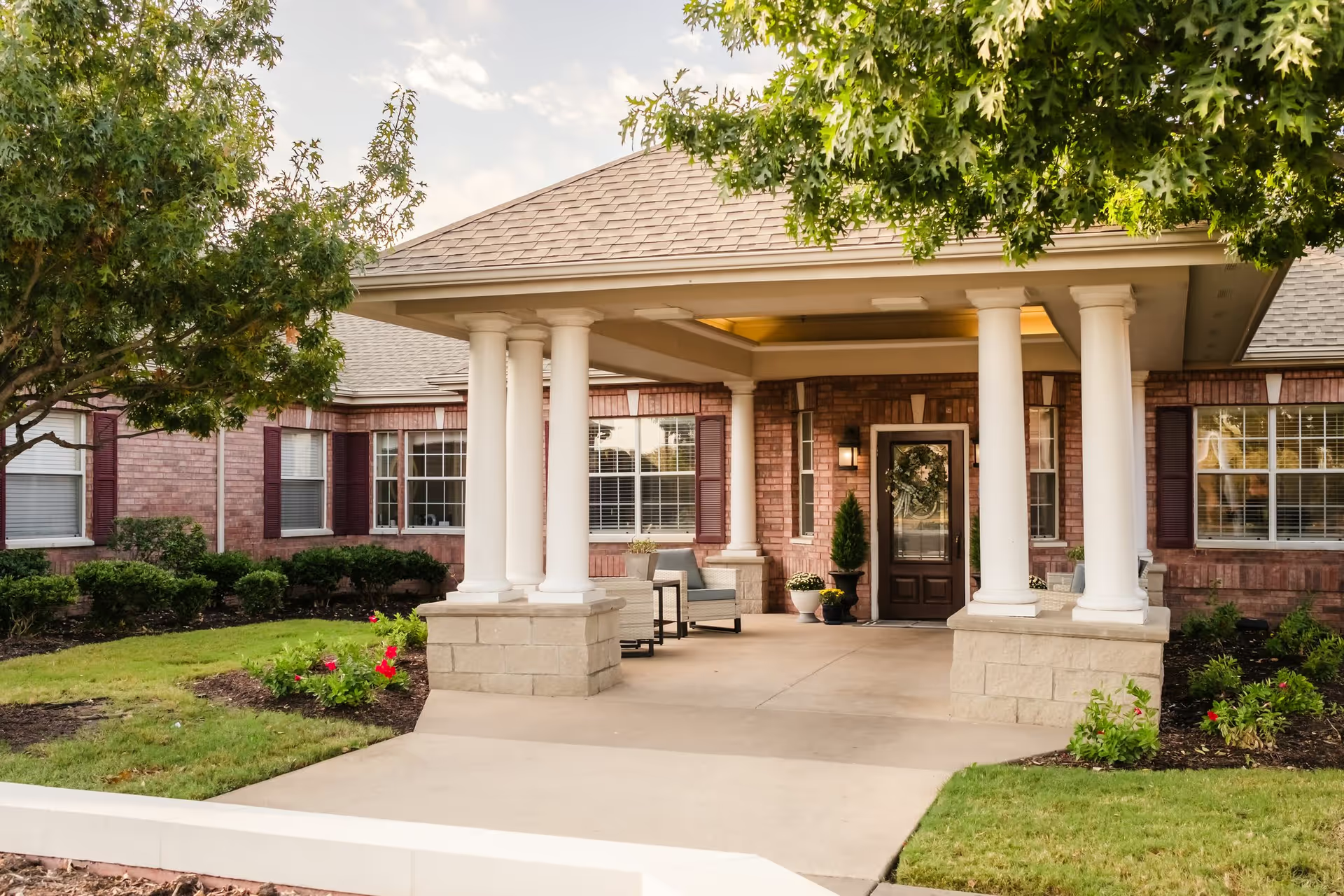
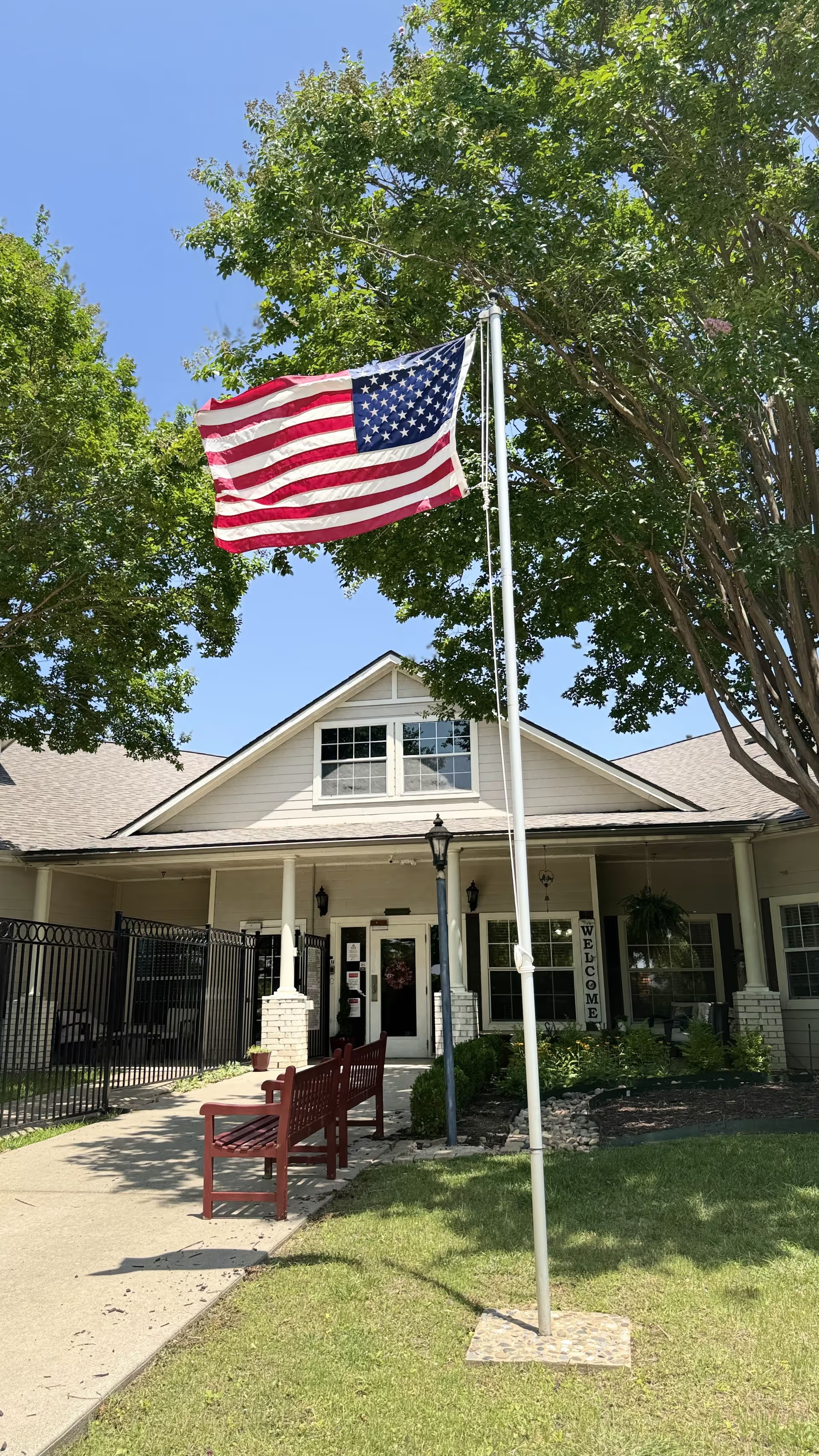
Prestonwood Rehabilitation & Nursing Center presents a mixed but consistent pattern across reviews: the facility is broadly described as attractive, modern, and rehab-focused, and many families praise the therapy teams and the physical environment. Strengths most often cited include robust rehabilitation programs (physical, occupational, and speech therapy), attentive therapists who encourage functional gains, private and well-appointed rooms in parts of the building, and a generally clean, well-maintained interior. Several reviewers highlighted meaningful recovery outcomes—residents regained strength and independence during their stays—which aligns with repeated positive comments about the therapy staff and rehab nursing support.
At the same time, there are recurring operational concerns that prospective families should evaluate. A contrast appears between strong rehabilitation services and more inconsistent skilled nursing care and clinical follow-up; reviewers described variability in how nursing tasks, medication timing, and ongoing clinical needs were managed. Understaffing was frequently mentioned as a causal factor: delayed responses to call lights, missed restroom assistance, and care delays were raised as issues that affect resident comfort and safety. Some reviewers also described sanitation and incontinence-care concerns linked to response delays, and there were reports of uneven cleaning and laundry handling, including missing personal items.
Dining and activities present a mixed picture. The facility offers many menu choices and some residents enjoyed the food, but others experienced slow meal service, temperature and order issues, and isolated meal-contamination concerns. The activities program is described as varied when implemented, yet several families reported inconsistent engagement, limited outdoor time, or instances where scheduled activities were not effectively delivered. Staffing consistency appears to influence both dining and activities delivery.
Management and administrative processes emerge as another area of concern. Reviewers cited difficulties reaching administration, gaps in family communication, and confusion or disputes around billing, payment policies, and Medicaid processing. There are also serious individual claims including allegations of theft and breaches of privacy/confidentiality that warrant careful inquiry during any pre-admission review. Additionally, some accounts indicate differing standards of care by unit or room location, suggesting that on-site variability can affect the resident experience.
Overall, Prestonwood demonstrates clear strengths in rehabilitation services, therapy teams, and facility presentation, but several operational and managerial weaknesses appear to produce widely divergent experiences. Prospective residents and families should prioritize direct questions about staffing levels, nursing oversight and handoff procedures, laundry and personal- belongings policies, dining service logistics, administrative accessibility, and security/privacy safeguards. Requesting unit-specific information, speaking with current families if possible, and observing mealtime and therapy sessions during a tour can help clarify whether the facility’s strengths align with an individual resident’s needs.