Overall impressions of Lindan Park Rehabilitation Center are mixed, with many reviewers highlighting strong hands-on care, rehabilitative support, and an inviting physical environment, while others raise operational concerns that merit attention. Care quality is frequently described as compassionate, with nursing and rehabilitation staff characterized as attentive and skilled. Regular care-team meetings and responsive phone communication are noted as strengths that support family involvement in care planning. At the same time, there are indications of inconsistent clinical documentation and variability in responsiveness to resident needs; these operational gaps may affect continuity of care and should be clarified during a tour or pre-admission meeting.
Dining and activities are commonly cited as positives. Meal quality receives favorable comments, particularly on weekends, and the facility schedules musical entertainment that residents find engaging. The activities department is viewed as active and compassionate, contributing to a home-like atmosphere. However, activity offerings may not match every resident's preferences, and some prospective residents may prefer more tailored programming.
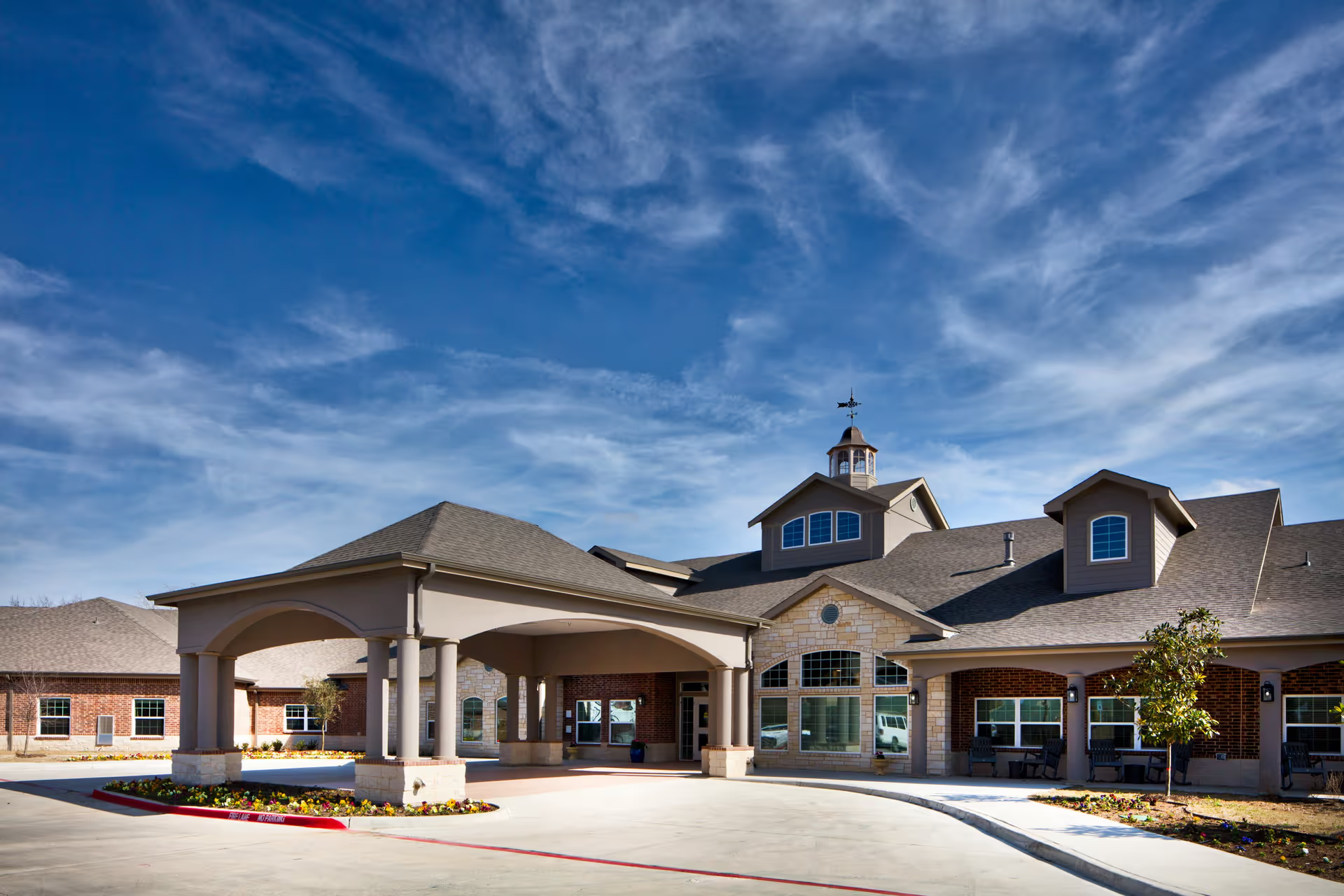
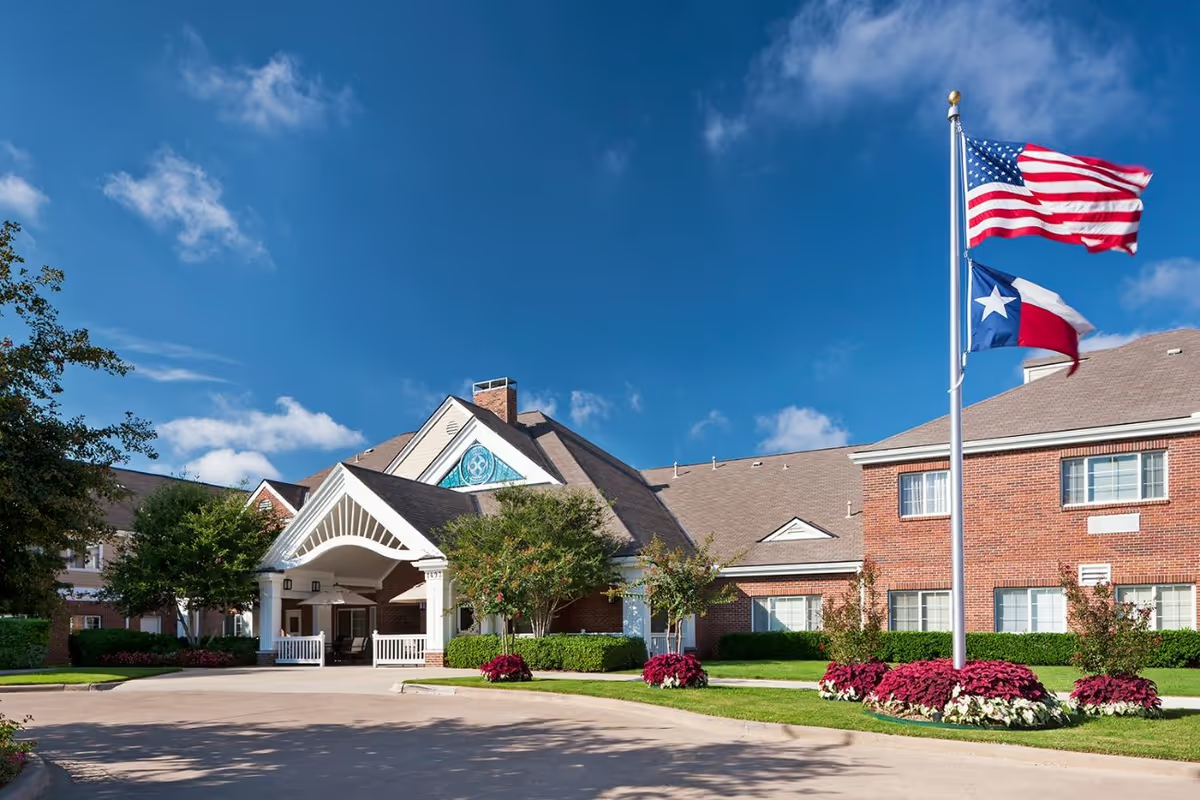
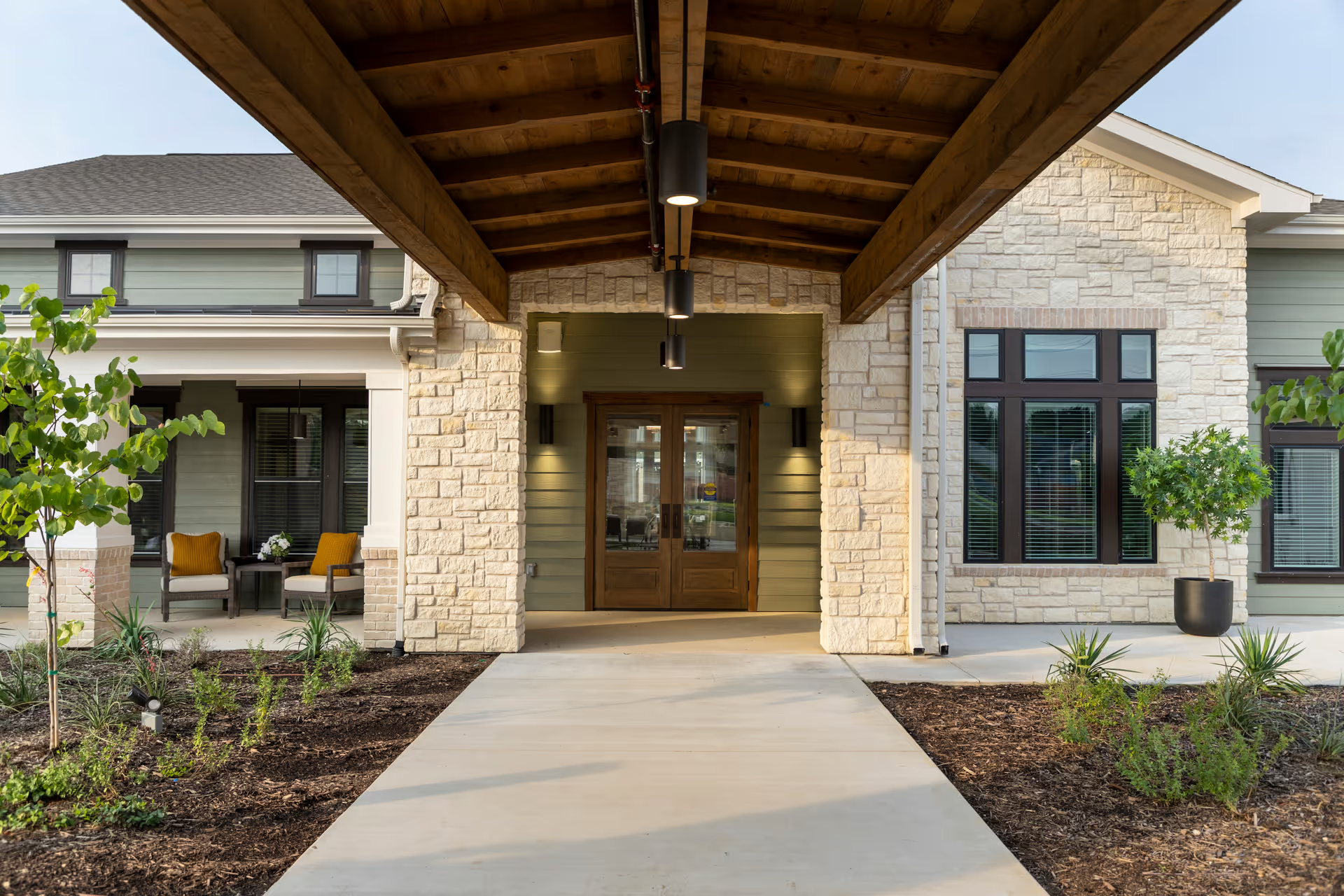
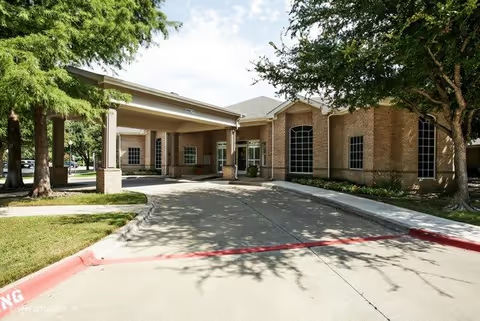
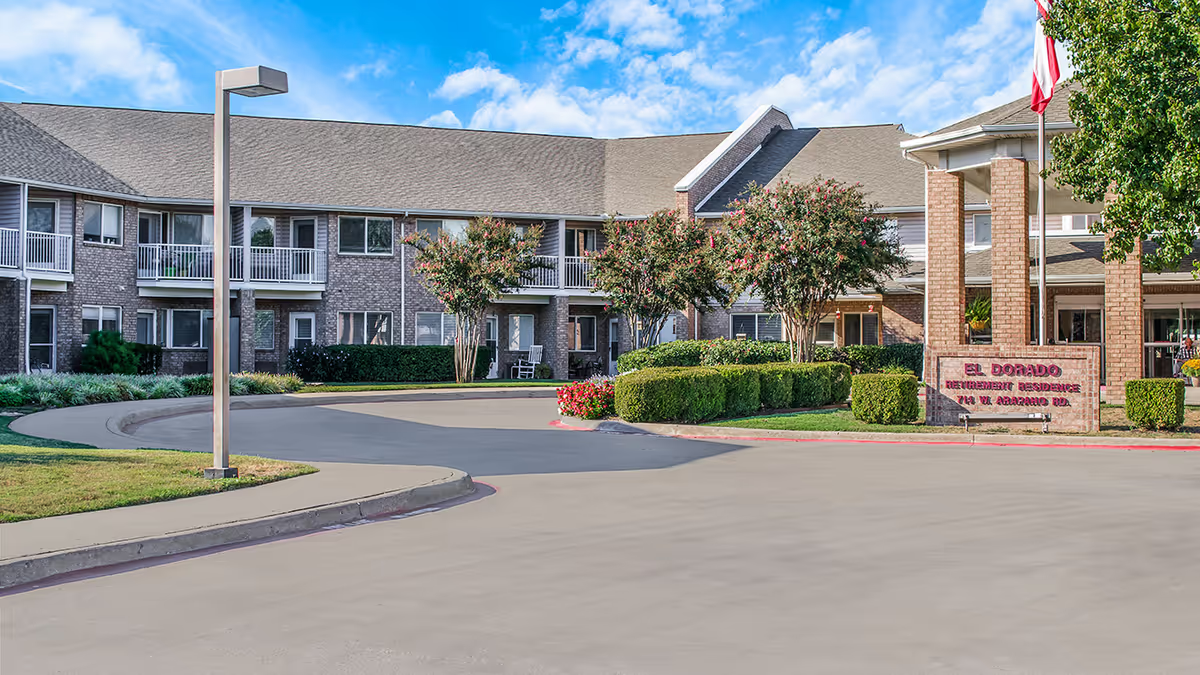
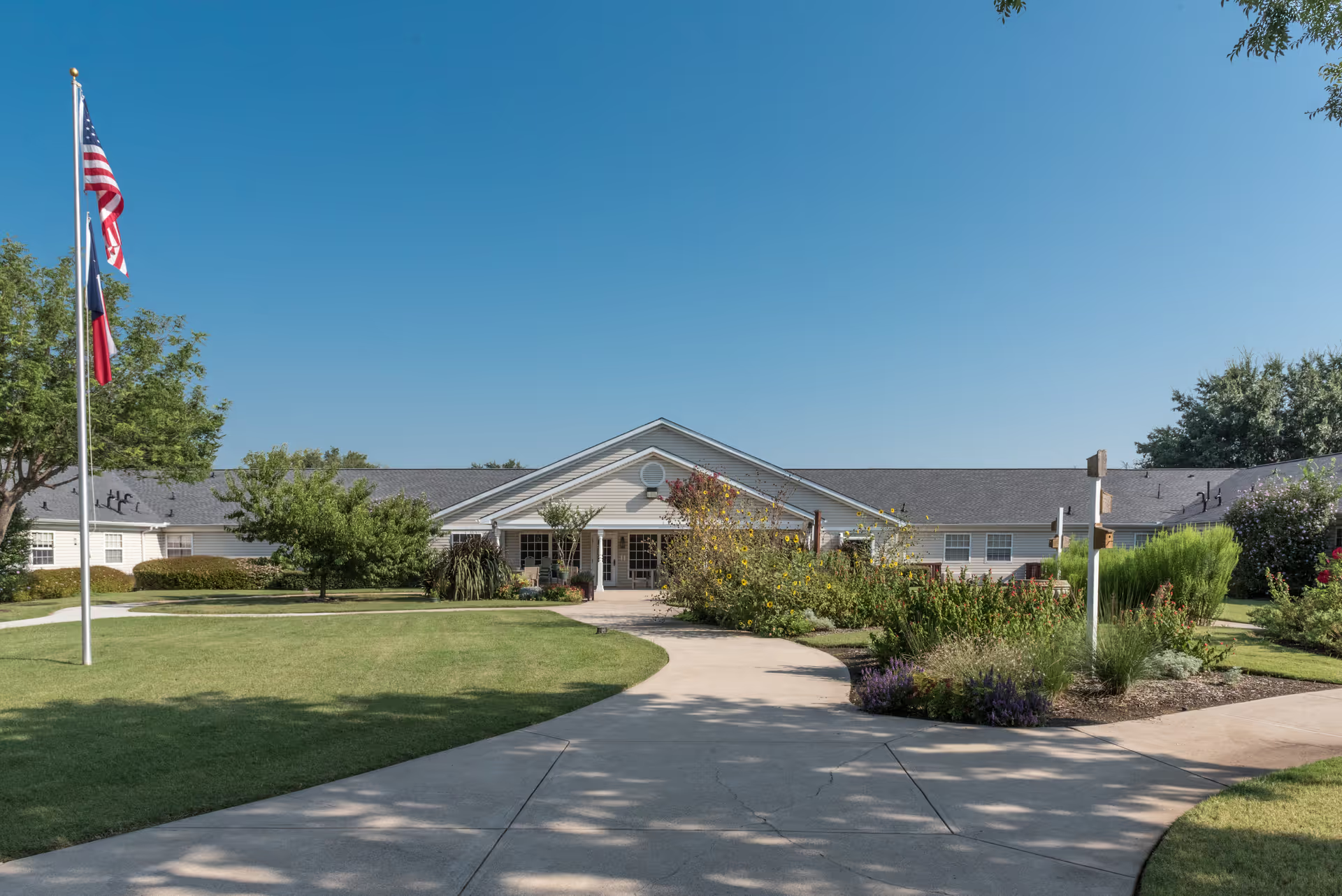
The facility's physical environment and amenities are generally praised: reviewers note cleanliness, well-maintained common areas, and spacious semi-private rooms. Proximity to family and acceptance of VA benefits are additional practical advantages for some residents. Nevertheless, there are operational concerns beyond direct care: reviewers identified delays in ancillary services such as laundry, and described inconsistent administrative accessibility. Financial-administration issues—including challenges with billing, refunds, and insurance/Medicaid authorization—were raised and represent an important area to investigate before admission.
Notable patterns across the feedback are a largely positive front-line staff reputation combined with variability in back-office functions and documentation practices. Some families experience effective, compassionate care and good communication at the unit level, while others encounter gaps in recordkeeping, follow-through on ancillary services, or difficulty reaching leadership. Prospective residents and families should consider an in-person visit, request to observe a care-team meeting, sample meals, ask about documentation and medication-record practices, confirm billing and refund policies, and verify the process for Medicaid or VA authorization. These steps can help assess whether the facility’s strong clinical and social offerings align with an individual’s expectations and needs.