Experiences at Culpeper Health & Rehabilitation Center vary substantially. Families and residents describe compassionate, attentive staff and successful rehabilitation, while other accounts raise concerns about basic daily care, responsiveness, and clinical follow-through. Some families praised nurses and aides for explaining medications, supporting residents through anxiety, and communicating promptly about health changes. Other accounts describe delays in answering call bells, uneven assistance with personal care, and concerns about falls, skin integrity, medication administration, and notification to families. A few highly critical accounts also reference a resident’s later death; the reviews do not establish a cause. A formal complaint alleges racially differential treatment of Black residents involving meal assistance, positioning, and access to bed rest. These claims are not independently verified in the reviews and warrant impartial assessment.
Staff are frequently described as kind, hardworking, and helpful, including by residents who praised particular therapists, nurses, aides, reception staff, and social services. At the same time, staffing shortages and employee turnover recur as concerns, with families describing slow responses to nonurgent needs and difficulty reaching staff or receiving follow-up. Communication appears stronger in some stays, including reports of timely calls and useful updates, but less reliable in others. Several accounts suggest that care can improve once instructions and care needs are clearly communicated to the relevant staff.
Dining feedback is mixed. Some residents found meals nutritious, hot, or enjoyable, particularly when dining-room options were available. Others described food as unappealing or cold and reported that a resident skipped meals or lost weight. Reviewers also differ on whether residents receive adequate help with meals, making meal quality and assistance important points for families to discuss directly with the facility.
Rehabilitation experiences range from strong progress and individualized support to dissatisfaction with the amount or relevance of therapy. Positive accounts describe effective physical, occupational, and speech therapy, as well as home assessments and discharge planning. A contrasting account said therapy did not meet the resident’s needs, while another found group exercises less useful than one-to-one work. Activities, a gym, a larger activity room, volunteer visits, and occasional family or pet engagement are also mentioned, though access to individualized and outdoor activities appears inconsistent.
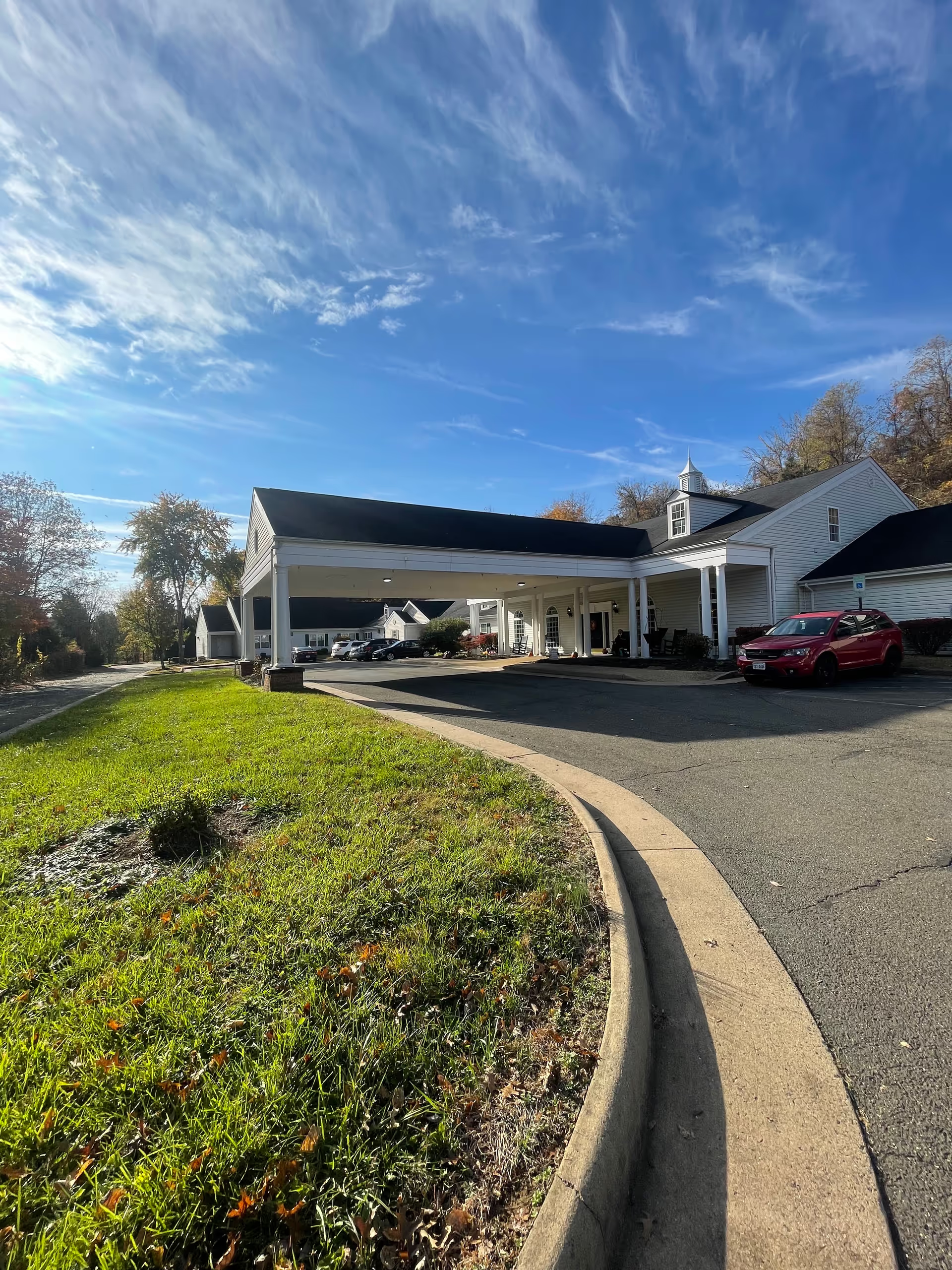
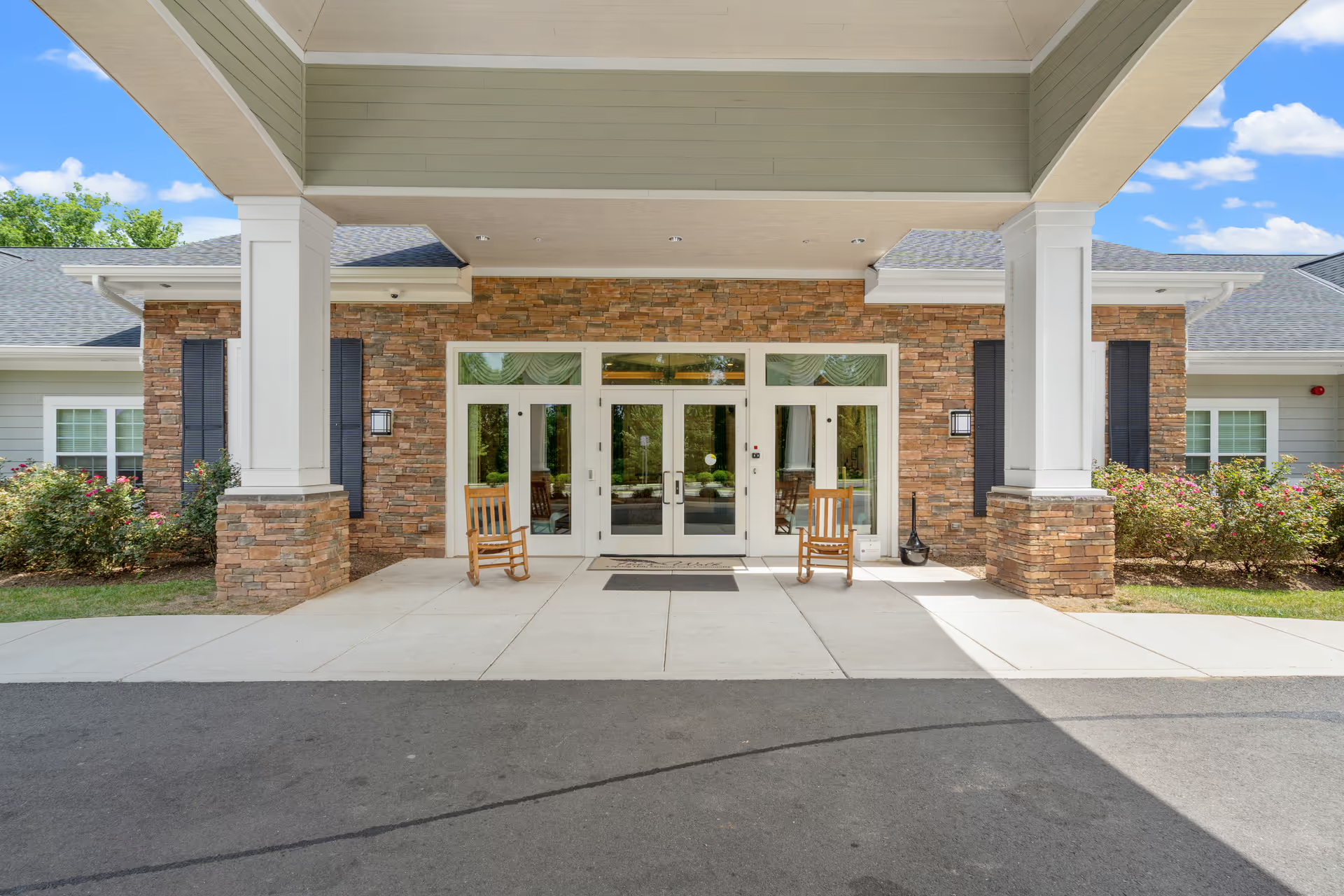
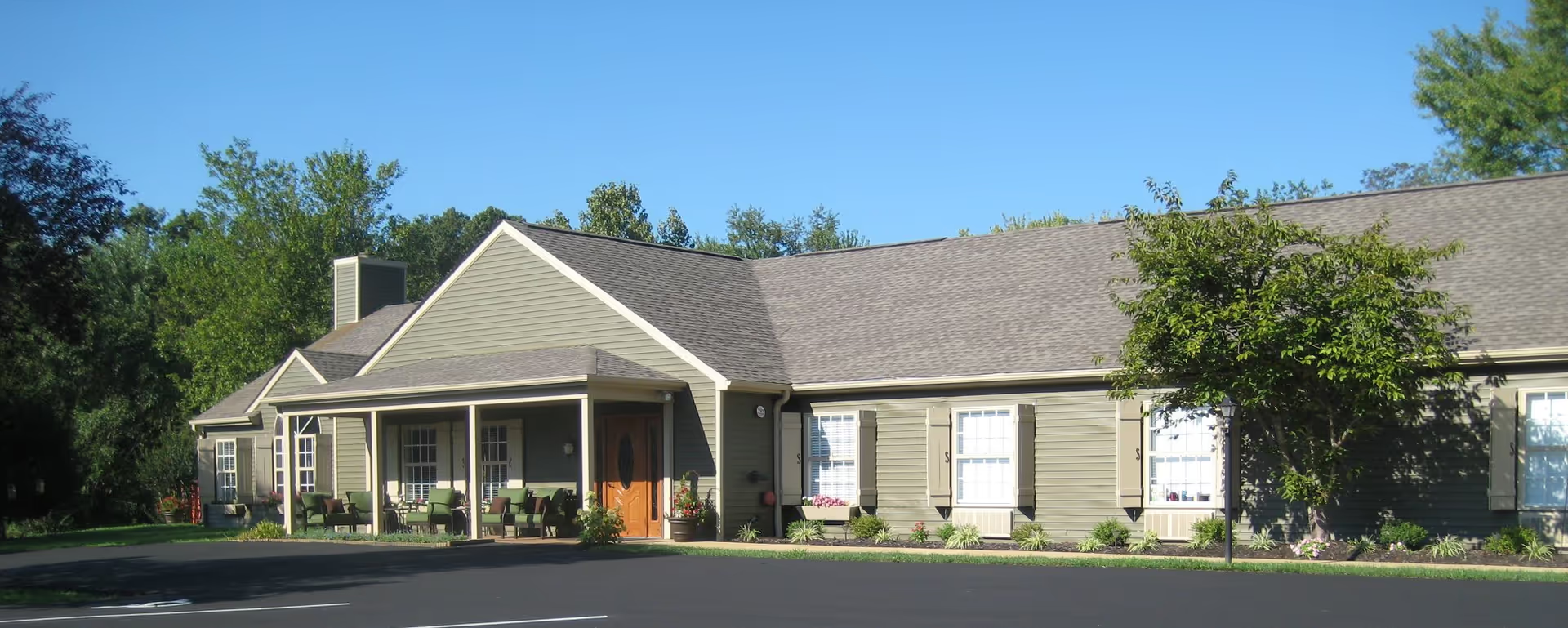
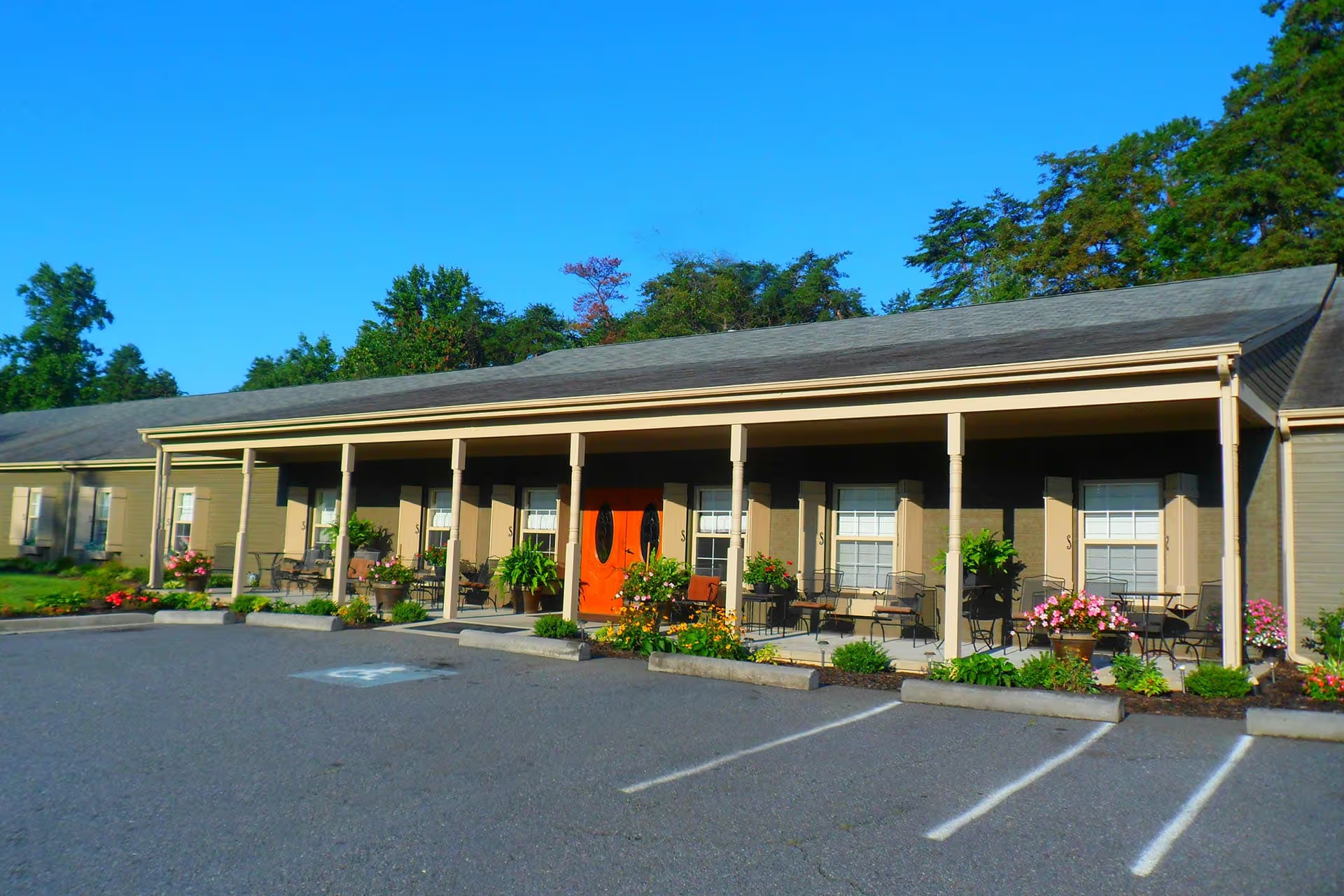
The physical environment is similarly mixed. Some visitors describe a clean, cheerful setting, and one account notes updates to paint, lighting, carpeting, decor, and equipment. Other accounts identify cleanliness or odor concerns, limited room space, inconsistent linens, or inadequate temperature control. Reports about management are also divided: some families welcomed a new administrator and observed improvements, while others felt that raising concerns did not lead to resolution. Overall, prospective residents and families may wish to ask about current staffing, call-response practices, individualized therapy plans, meal assistance, personal-care routines, safety procedures, and how concerns are documented and communicated.