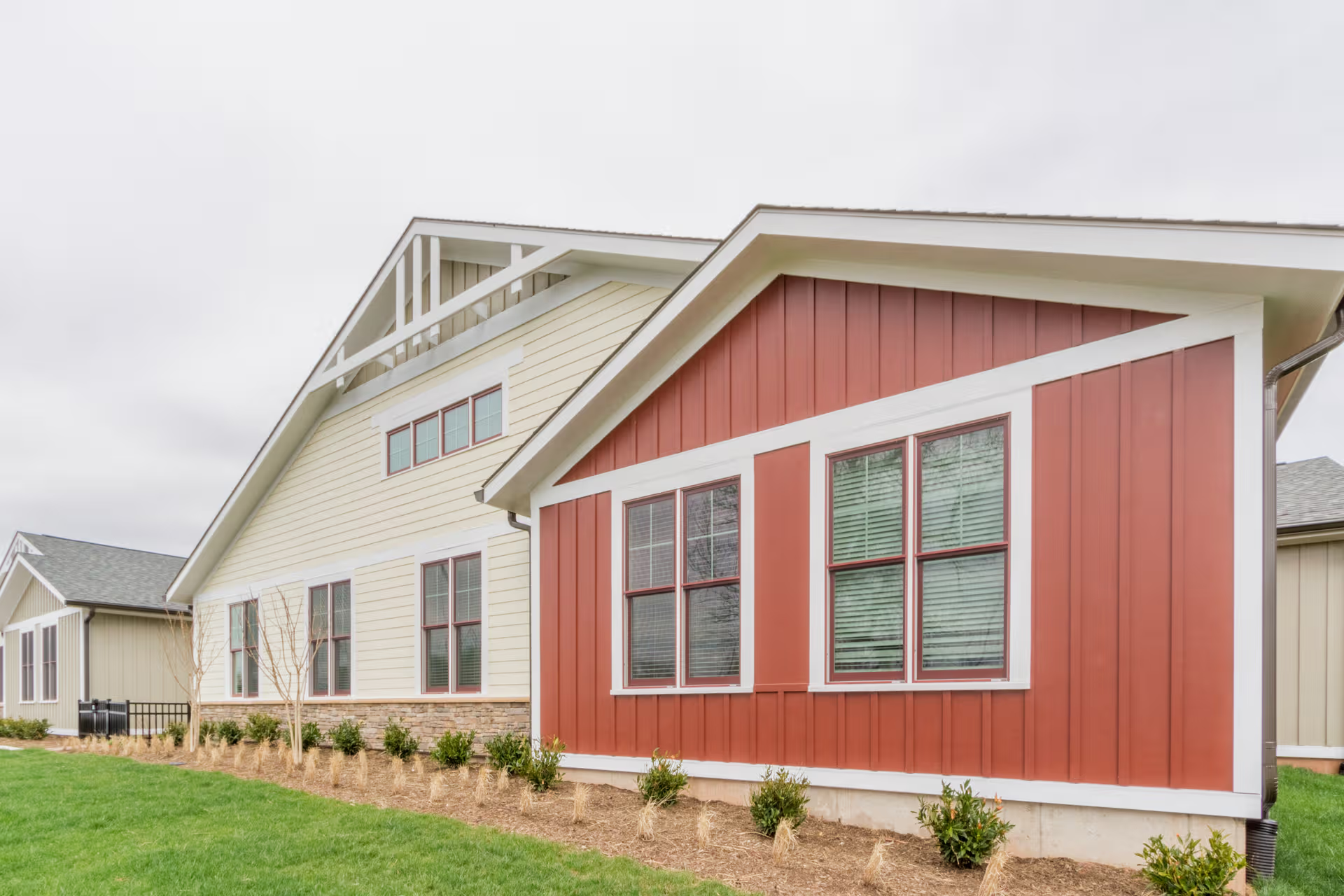
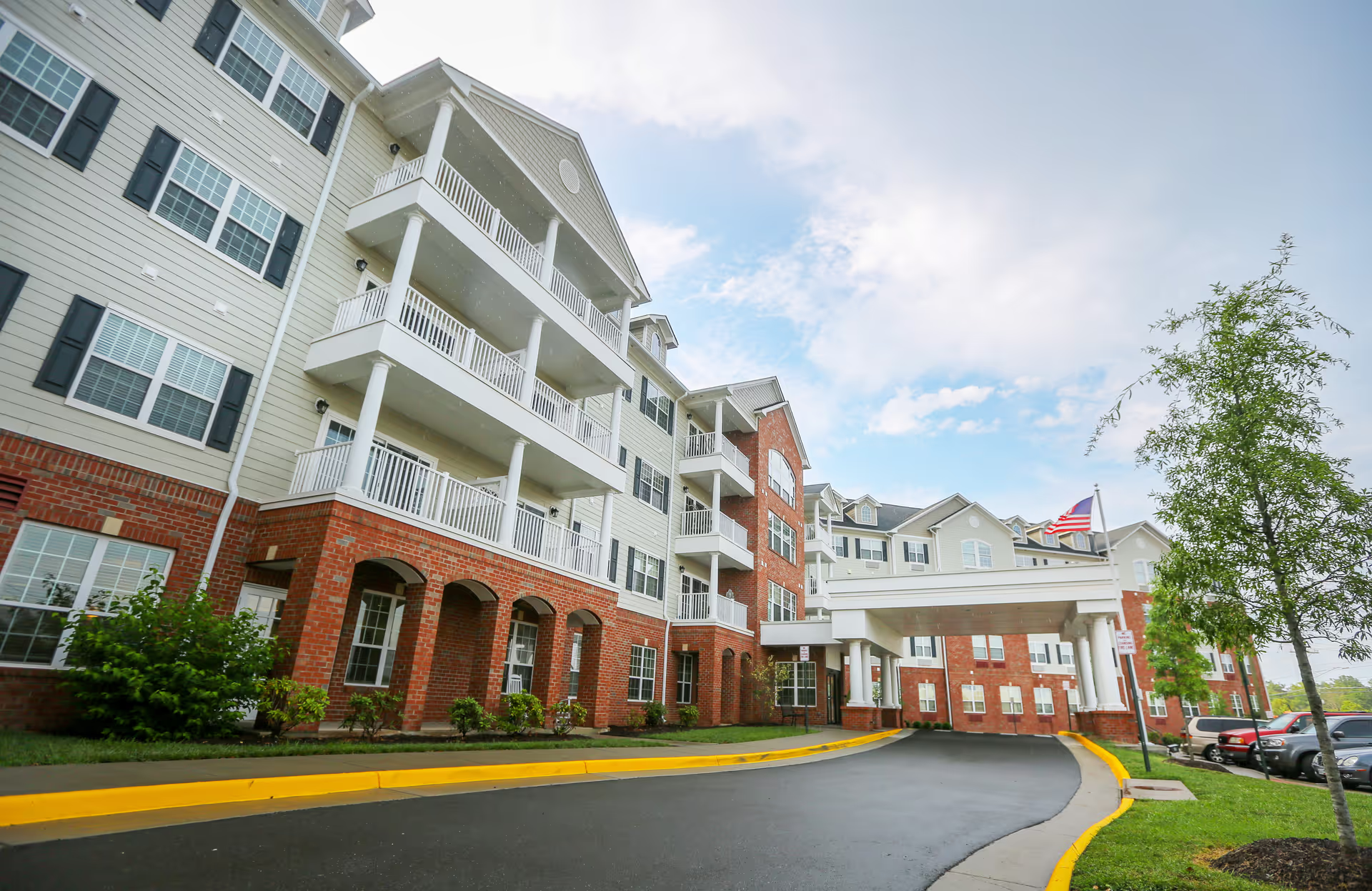
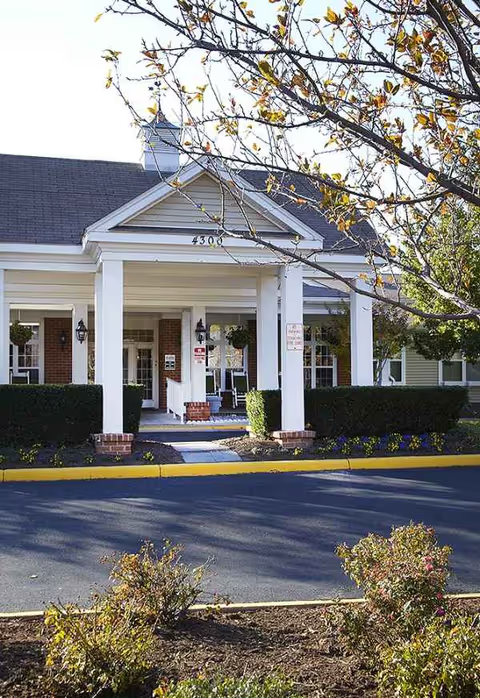
The reviews of Fair Oaks Health & Rehabilitation present a highly polarized picture: many families and clinicians praise the facility’s rehabilitation services, social work, and several individual staff members, while a substantial portion of feedback highlights persistent operational and safety concerns. Strengths repeatedly noted include capable physical and occupational therapy teams that facilitate measurable mobility gains, social workers who advocate effectively for authorizations and transitions, and a core of nurses and aides who provide attentive, compassionate care. Admissions experiences are frequently described as smooth and welcoming, and certain units are characterized as clean, bright, and well-managed.
Care quality is inconsistent across shifts and units. Positive experiences often stem from engaged nurses, aides, and therapists who follow through on care plans; negative experiences emphasize delayed responses to resident requests, missed or incorrect medication administration, and uneven vital-sign monitoring. Several reviews describe wound-care and pressure-injury concerns and indicate that timely clinical oversight is not always reliable. There are also isolated, serious safety allegations that families reported; these have contributed to heightened caregiver concern and warrant careful inquiry by prospective families and regulators.
Staffing and communication emerge as central drivers of variability. Reviewers describe a mix of compassionate, skilled caregivers and staff who appear hurried, undertrained, or poorly coordinated. Common operational themes include long call-light wait times, inconsistent assistance with activities of daily living, language and handoff barriers between shifts, and occasional misinformation during family communications. Where leadership and specific staff members are actively involved, families report markedly better experiences, suggesting that management practices and team cohesion materially affect day-to-day care.
Dining, activities, and ancillary services are similarly mixed. The activities program and certain activity staff receive frequent praise for engagement and meaningful programming. By contrast, meal service is described as inconsistent — timing and temperature issues, limited menu choices, and occasional dietary mismatches were noted. Housekeeping and environmental maintenance vary by unit and timeframe: some areas are well-kept, while other reports cite sanitation concerns, delayed linen changes, pest-control concerns, and delayed repairs. Equipment shortages and missing supplies (oxygen equipment, working toilets, bedside rails) were also mentioned and can impact safety and comfort.
Management and systems-level issues are recurring themes. Reviewers point to insufficient staffing levels, challenges in hiring and retaining qualified personnel, fragmented discharge planning, and lapses in coordination with external providers (doctors, dialysis centers, and transport). Families who experienced proactive, transparent leadership described markedly better outcomes; conversely, where leadership engagement was perceived as limited, operational problems persisted. There are a small number of serious allegations that go beyond routine complaints; prospective families should seek up-to-date inspection records and ask facility leadership about corrective actions taken.
Overall, Fair Oaks demonstrates clear strengths in rehabilitation, social work, and pockets of strong caregiving, but the facility exhibits systemic variability in staffing, clinical oversight, environmental maintenance, and meal-service reliability. Prospective residents and families should balance the facility’s strong therapy and social work capabilities with the documented operational weaknesses: verify staffing ratios for the intended unit and shift, request current infection-control and inspection documentation, discuss individual dietary and medication protocols in writing, and identify point persons in leadership who will be available for concerns during a stay.