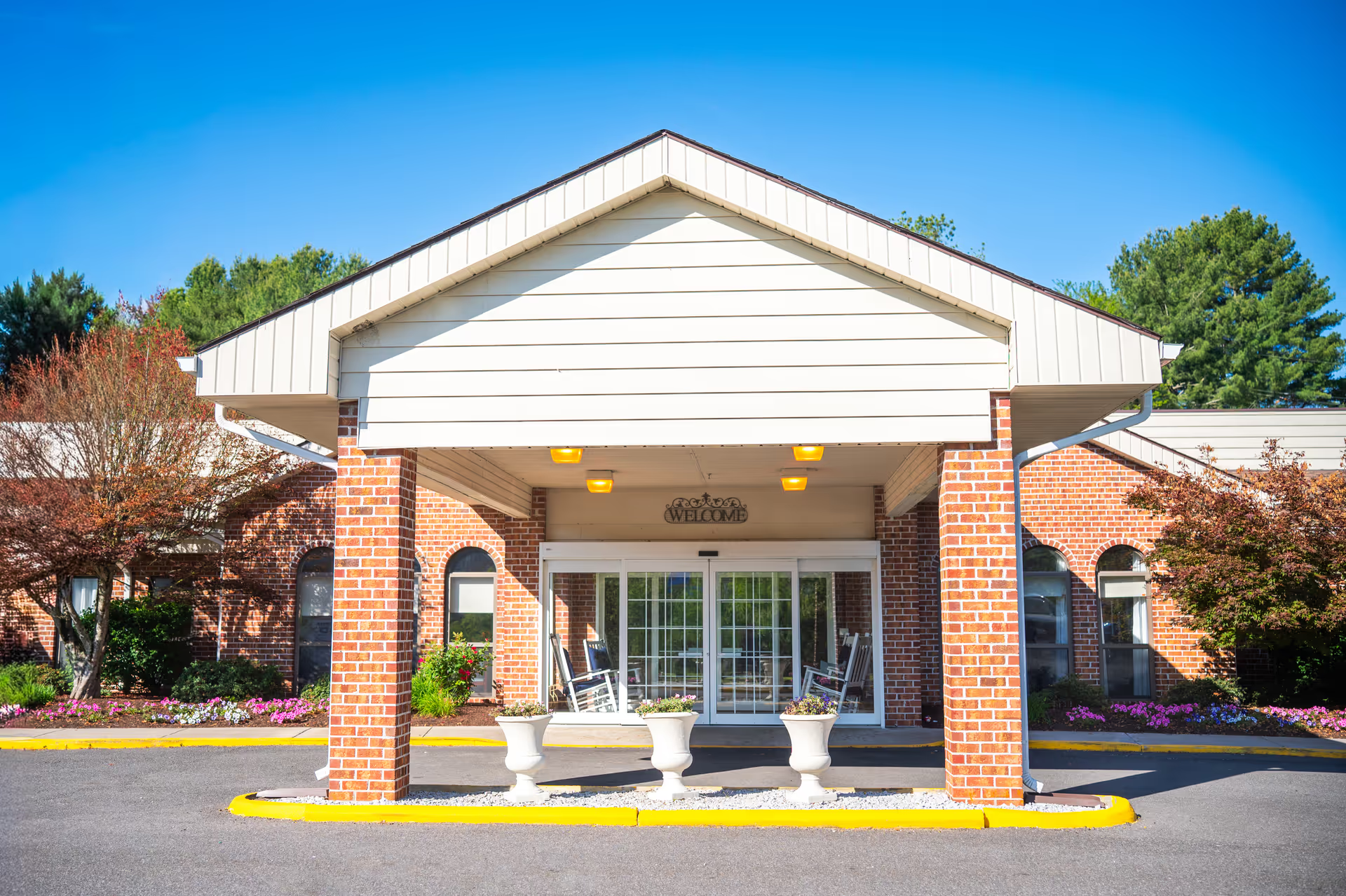
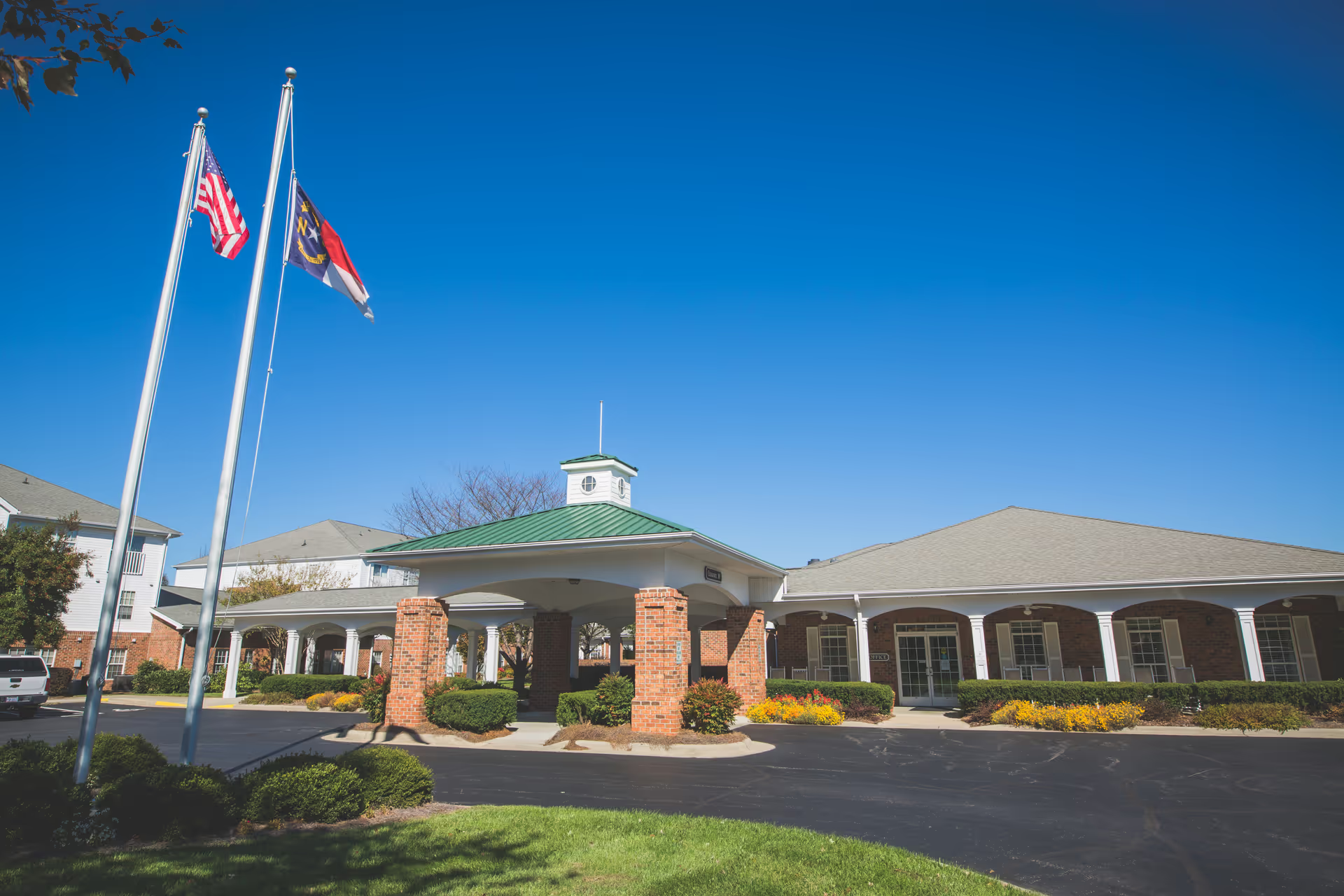
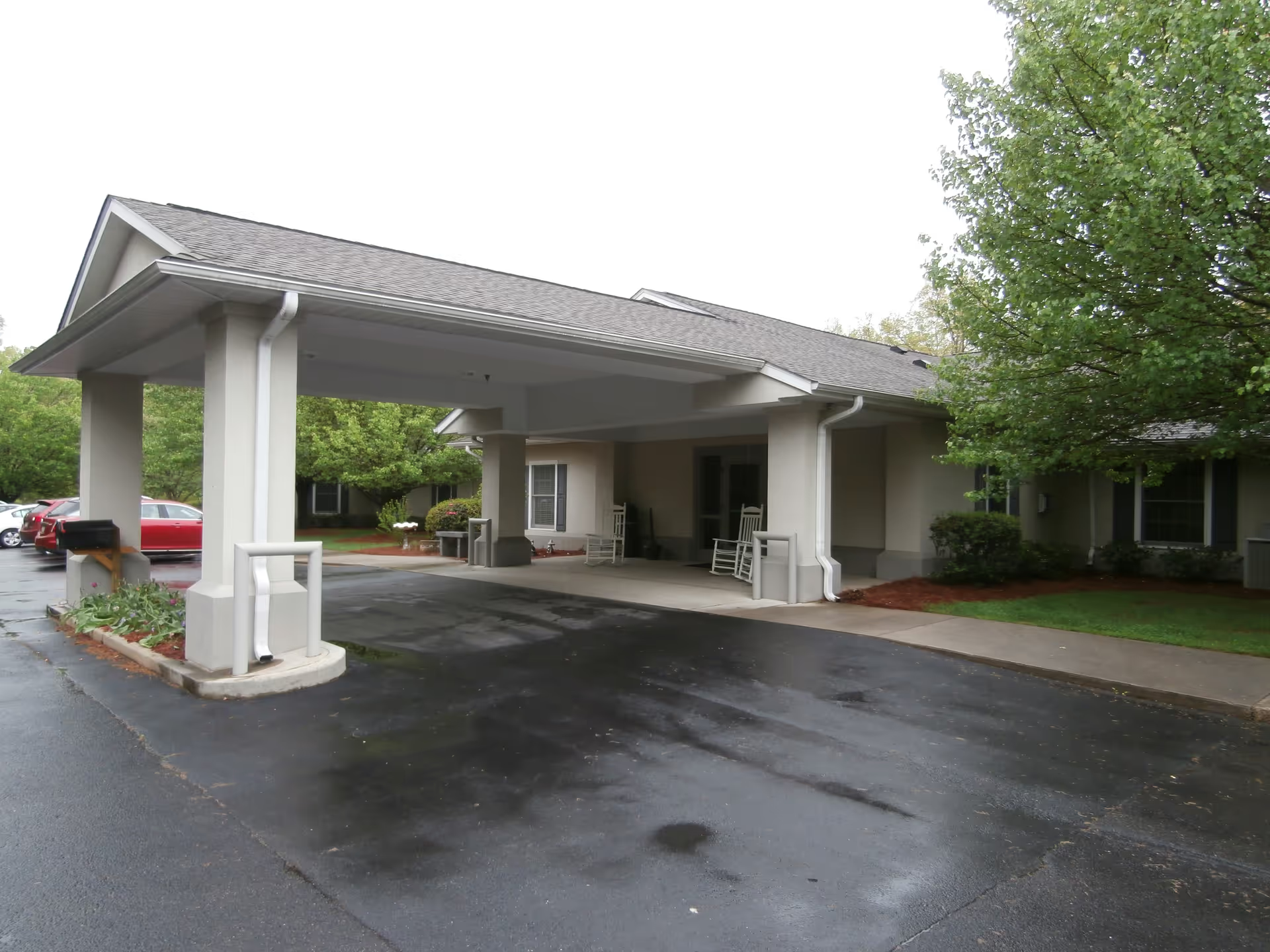
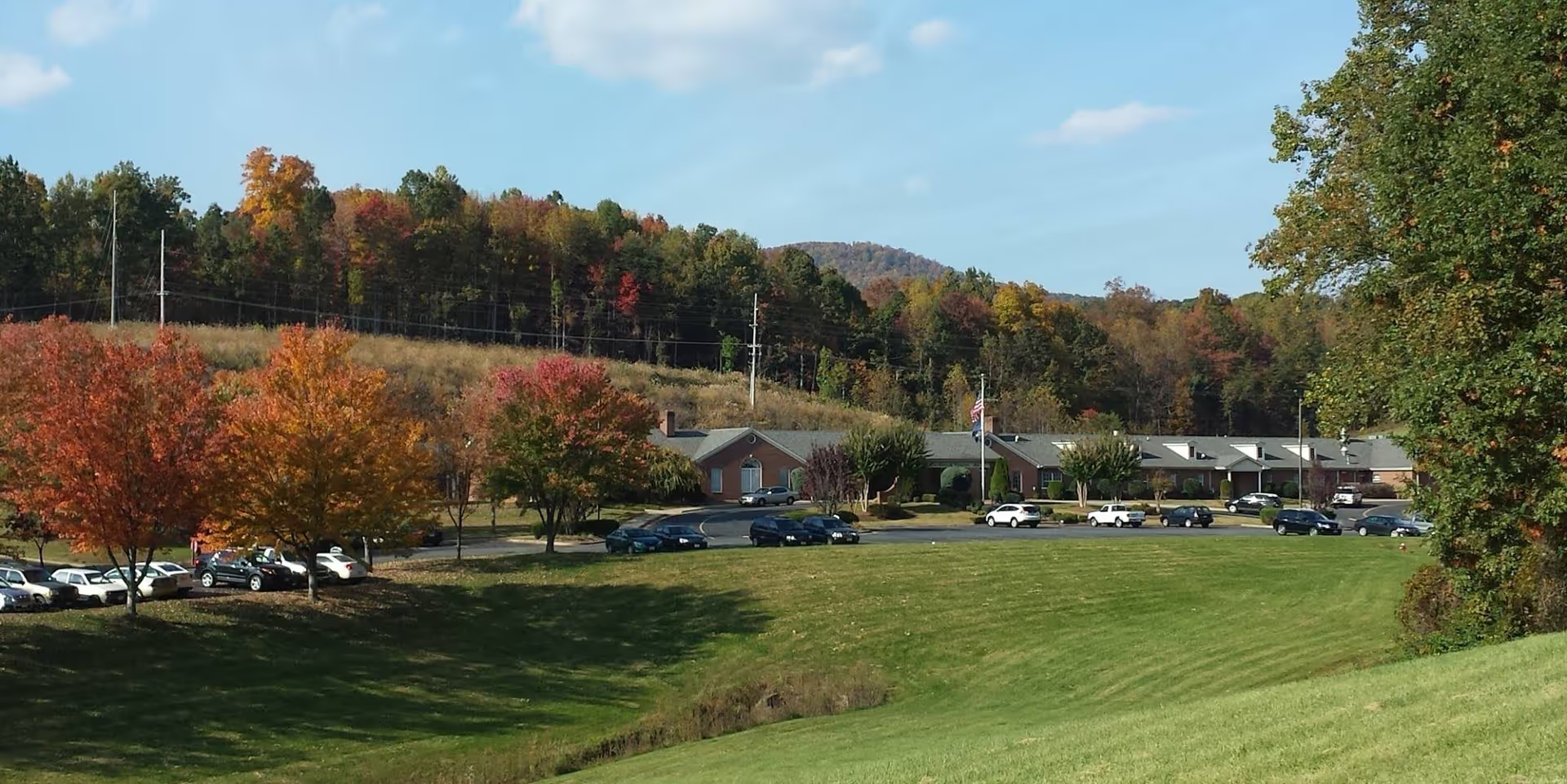
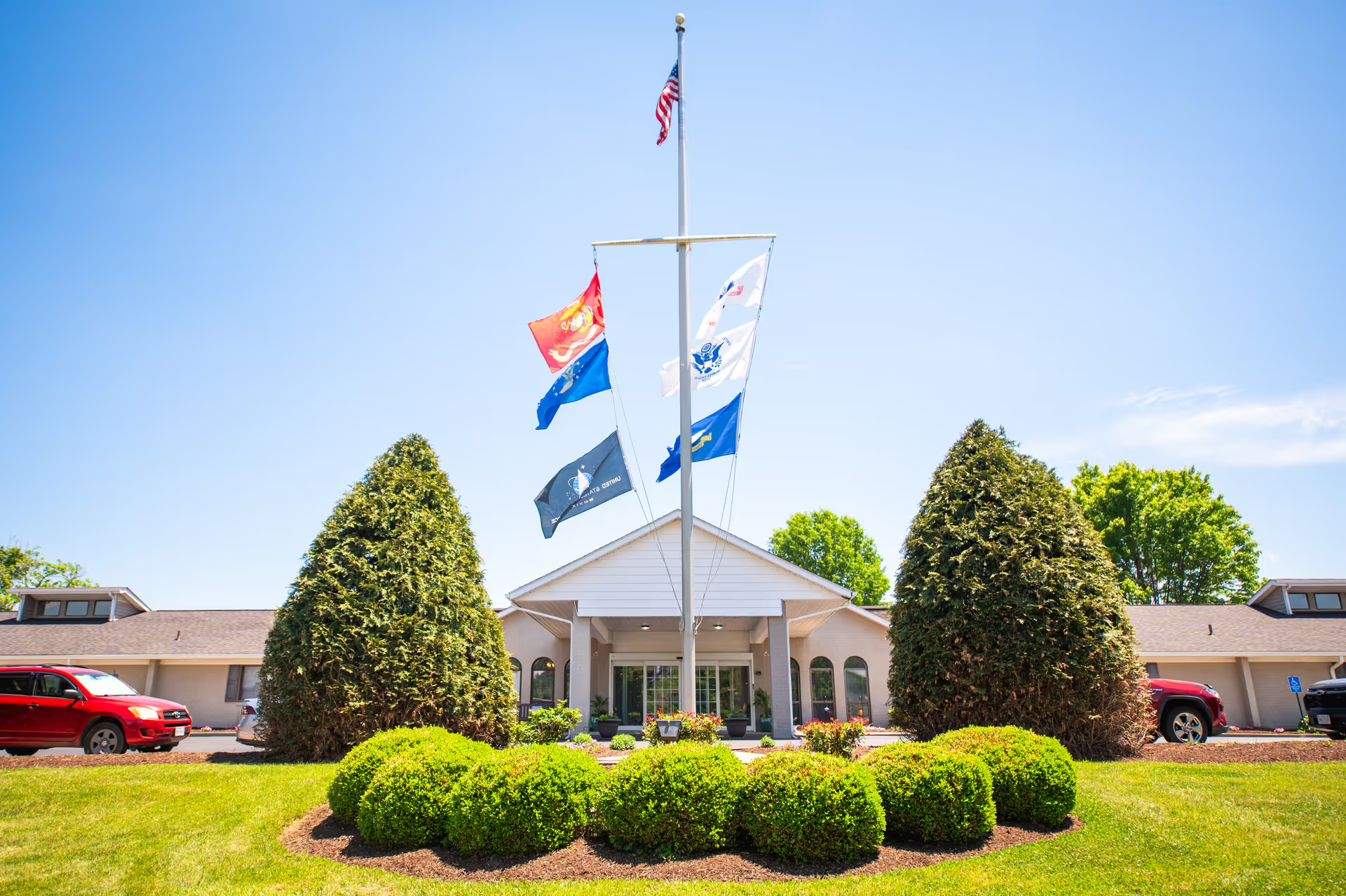
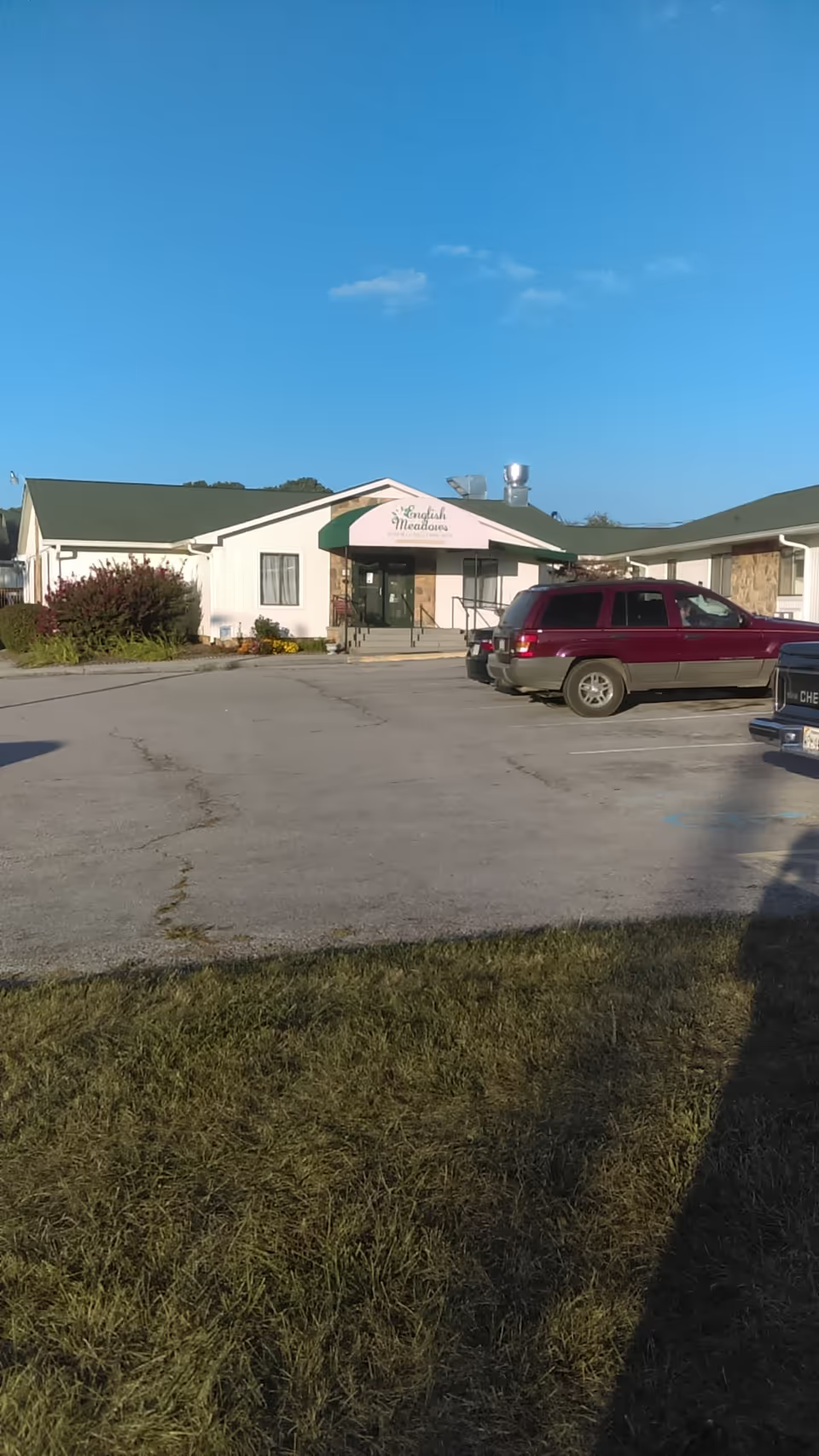
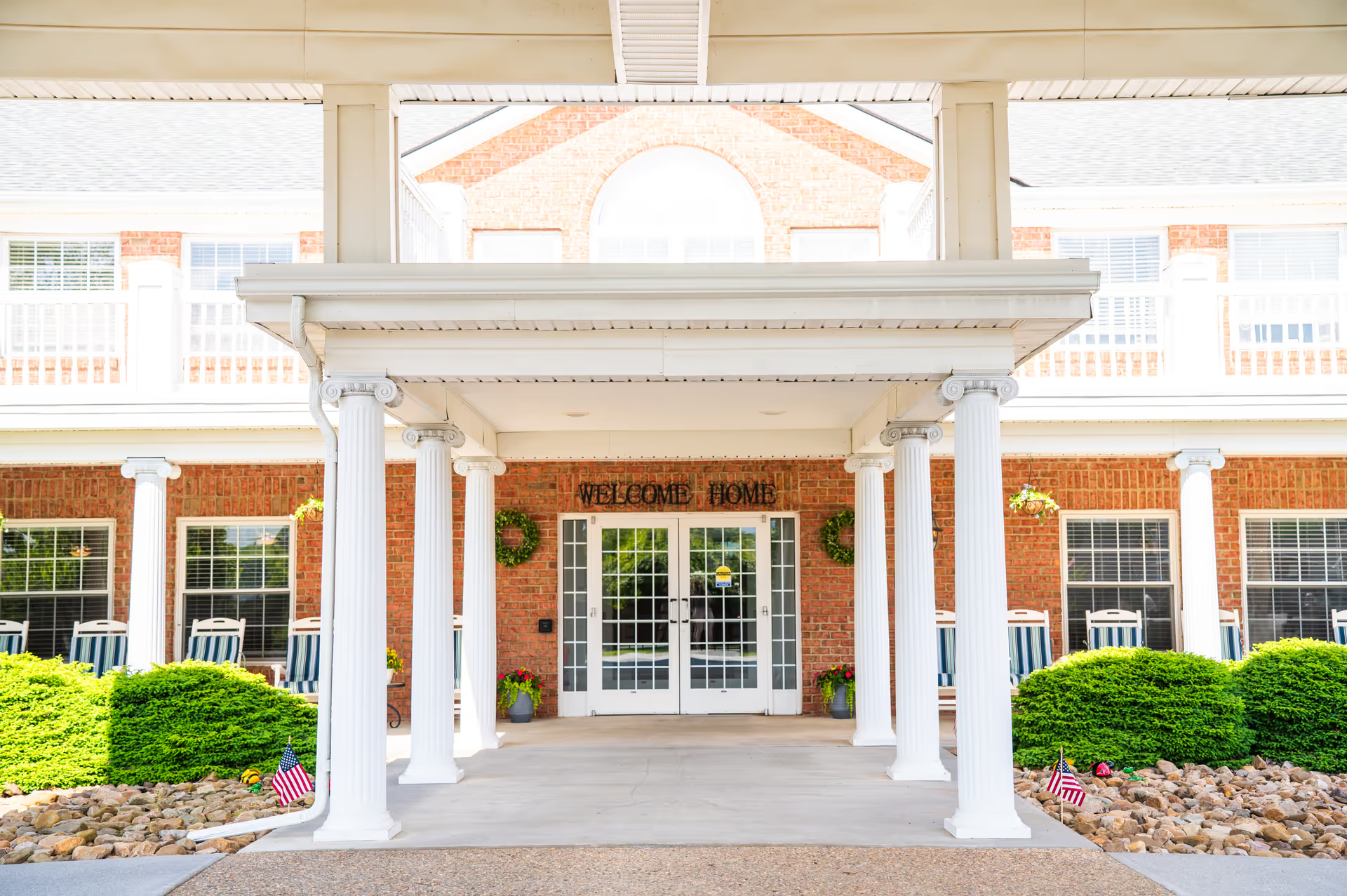
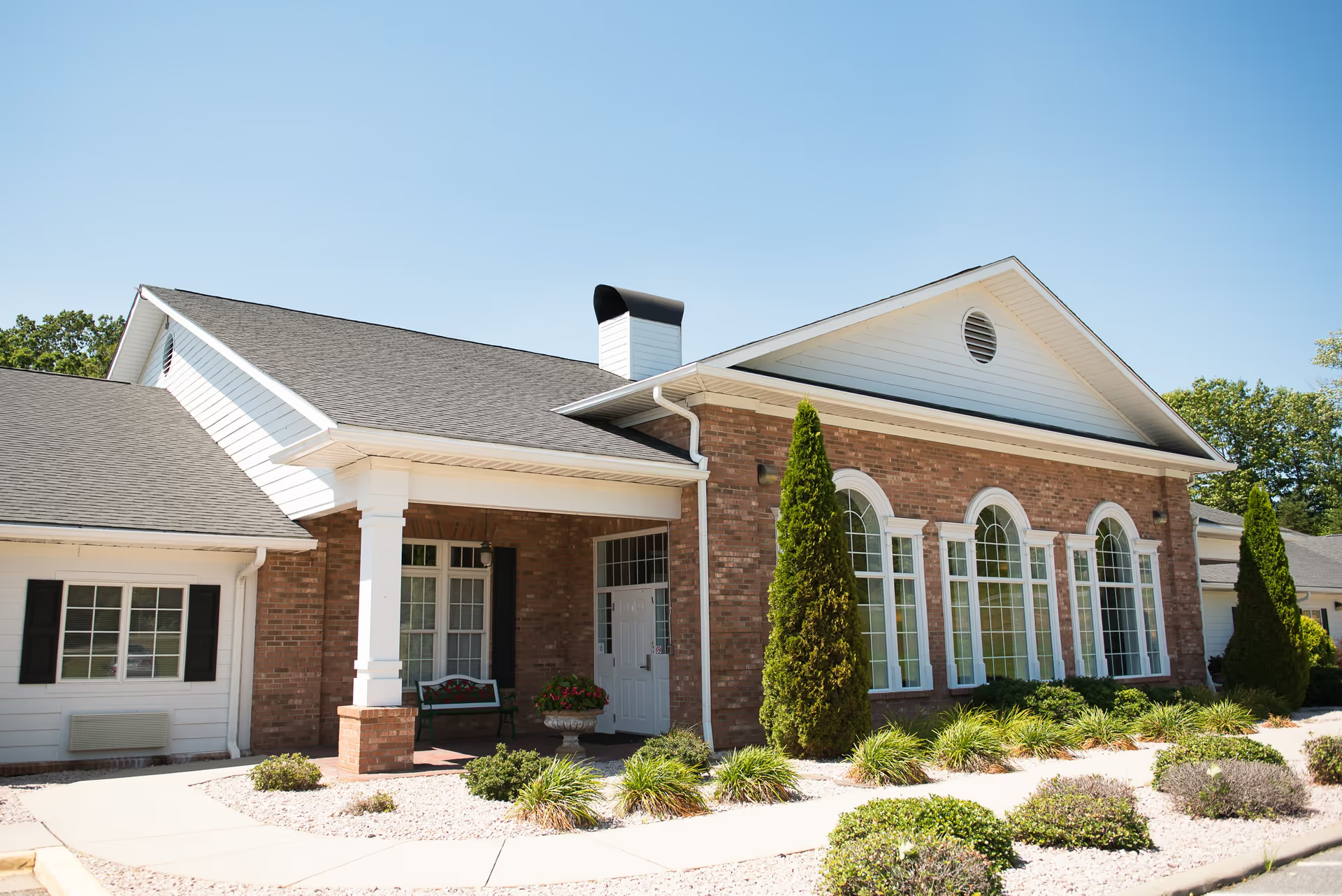
Reviewer impressions of Hillsville Health & Rehab Center are mixed, with a clear pattern of strong rehabilitation services and compassionate daytime caregiving contrasted against operational and facility-level challenges. The center is described as a small, roughly 60-bed facility with a home-like atmosphere; many accounts highlight effective physical and occupational therapy, positive short-term rehab outcomes, proactive discharge planning, and attentive daytime staff who provide personalized follow-up.
Care quality and staff conduct receive divergent assessments. Numerous comments praise caring, knowledgeable nurses, CNAs, and therapy teams who support recovery and daily needs; several families credited the staff with successful rehabilitation and attentive bedside care. At the same time reviewers identify staffing inconsistencies—particularly on night shifts—and occasional lapses in responsiveness. Patterns noted include delays in answering call lights, variability in assistance timeliness, and concerns about staff distraction by personal devices. Communication with families is uneven: while some found administrative and clinical staff informative and responsive, others described coordination problems and difficulty obtaining timely updates.
Clinical safety and operational reliability present notable concerns in some accounts. Reviewers raised issues consistent with gaps in clinical-incident response and follow-up, including delayed assistance after events and uneven management of safety-related needs. There are also allegations of administrative process problems (for example, delayed discharges and questions about handling of personal property). These comments suggest that while clinical teams can be effective, mechanisms for incident escalation, family communication, and administrative workflows may be inconsistent.
Dining and activity programming show a similar mix. Many reviewers praised meals as tasty and well-prepared and described an active schedule of social and recreational programming that contributes to a pleasant environment. Conversely, others reported inconsistent meal temperatures, slow service, crowded dining times, and concerns about value for cost. Activity offerings, outdoor seating, and features like bird feeders and a welcoming front porch were cited as positive contributors to residents' quality of life.
The physical plant is another area of contrast. An updated administration area and generally well-kept communal spaces were noted alongside dated resident rooms, older furniture, chipped paint, and some maintenance deficits. Specific operational maintenance issues were reported, including malfunctioning call bells, bedside commodes in disrepair, and missing therapy equipment, which together point to needs for improved preventive maintenance and equipment replacement. Room layouts also attracted comment: double-occupancy rooms can feel small, and some bathrooms present accessibility challenges for wheelchair users.
Management impressions are mixed: some reviewers complimented leadership and the facility’s overall atmosphere, while others described leadership conflicts and coordination weaknesses that appear to affect communication, staffing, and operational consistency. Prospective residents and families would likely benefit from an in-person assessment focused on current staffing patterns, responsiveness to call bells, cleanliness of the assigned room and bathroom, functioning of safety and therapy equipment, and observation of a meal service and activity session. Overall, the facility demonstrates clear strengths in therapy and many compassionate staff members, but also has identifiable operational and maintenance areas that prospective families should evaluate further.