Overall impression: Reviews present a mixed but clear pattern: many families and residents praise individual caregivers, therapy staff, and the facility’s physical environment, while recurring operational issues—especially staffing, personal-care consistency, dementia care, sanitation, and leadership communication—affect the overall quality of the resident experience.
Care quality and clinical concerns: Numerous comments highlight dedicated nurses and CNAs who provide compassionate, respectful care and build strong relationships with residents. Rehabilitation and therapy services are frequently noted as effective and recovery-focused. At the same time, reviewers describe inconsistent responsiveness to basic personal-care needs (for example, bathing assistance, timely toileting support, and repositioning), and some cite instances suggestive of gaps in clinical monitoring such as skin integrity and bowel/bladder management. Dementia care is an area of particular concern for some families; there are indications that programming, supervision, and staff training specific to cognitive impairment may be insufficient for higher-acuity residents.
Staffing, culture, and leadership: Positive accounts emphasize individual staff members who are attentive, warm, and professional, and several caregivers are singled out as standouts. However, staffing levels and coverage are repeatedly characterized as inconsistent, which reviewers link to delays in care and diminished ability to sustain activities and hygiene standards. Communication issues are also prominent: families describe redirected emails, difficulty reaching leadership, and perceptions that administrative responsiveness and empathy are uneven. These patterns point to opportunities for clearer family communication channels and more consistent leadership engagement.
Dining and activities: The facility offers a range of social and recreational programming—bingo, movie nights, church services, seasonal events, and creative activities like bouquet arranging and cookie decorating—which many families describe as meaningful and well-run. Therapy and rehab activities are likewise positively viewed. Dining impressions are mixed: some reviewers praise the food and meal service, while others describe unappetizing meals and frequent delivery of trays to rooms rather than dining-room dining. Meal-service continuity and dining-room utilization appear to vary by unit or circumstance.
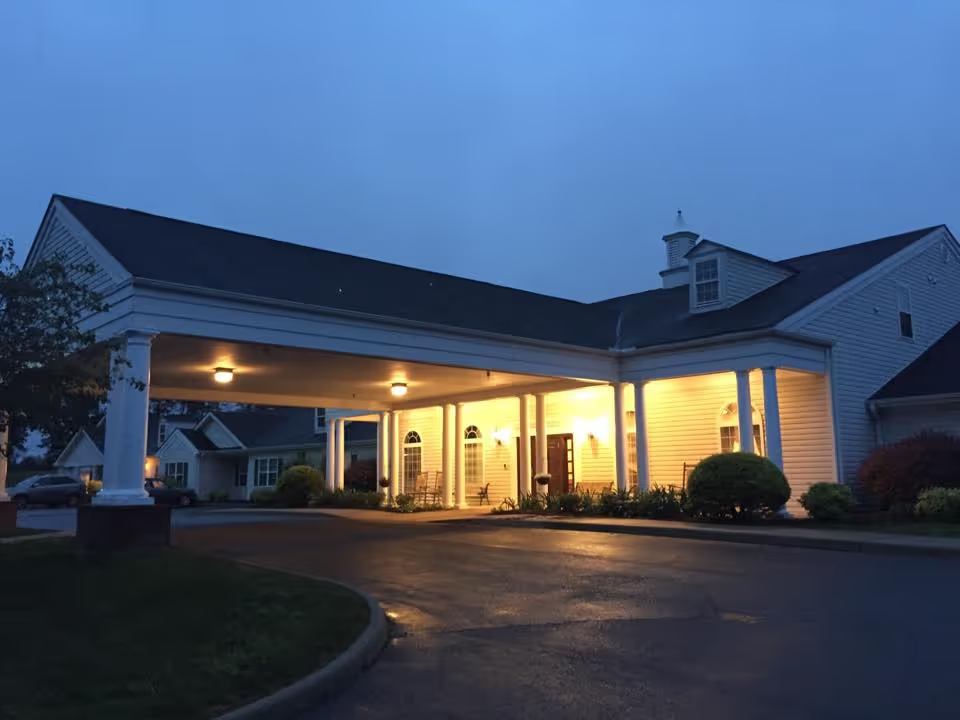
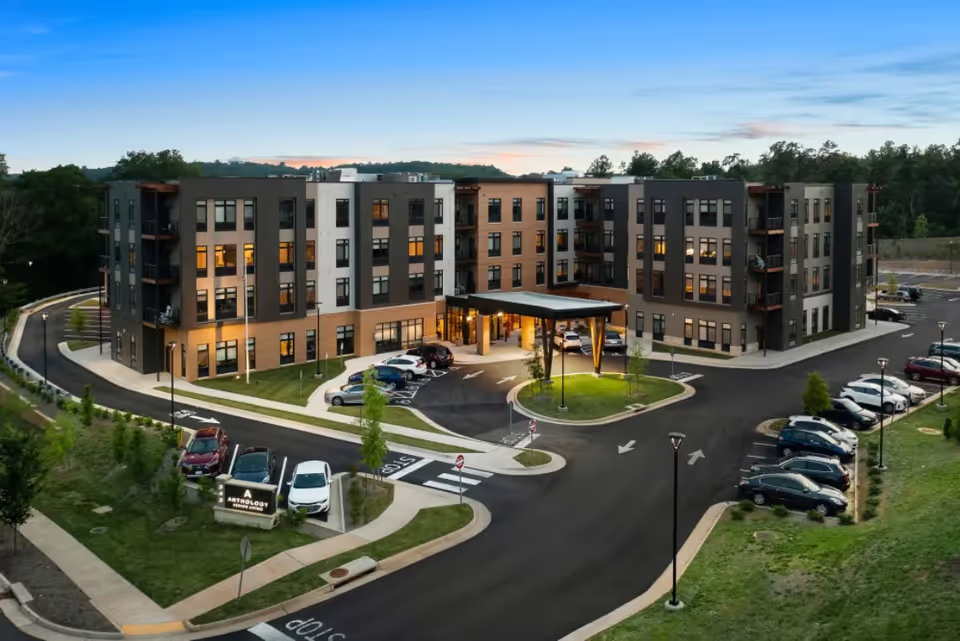
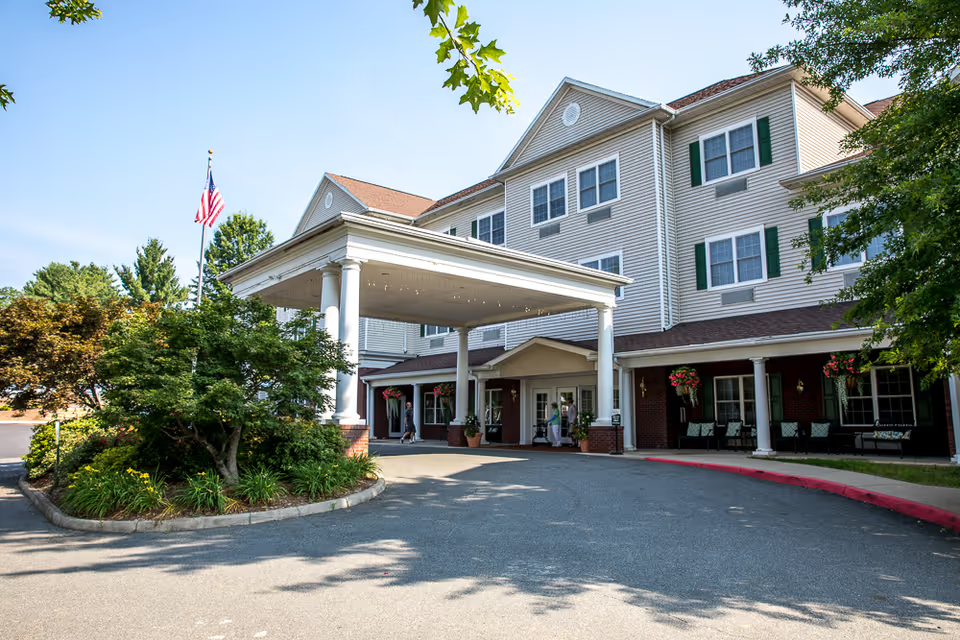
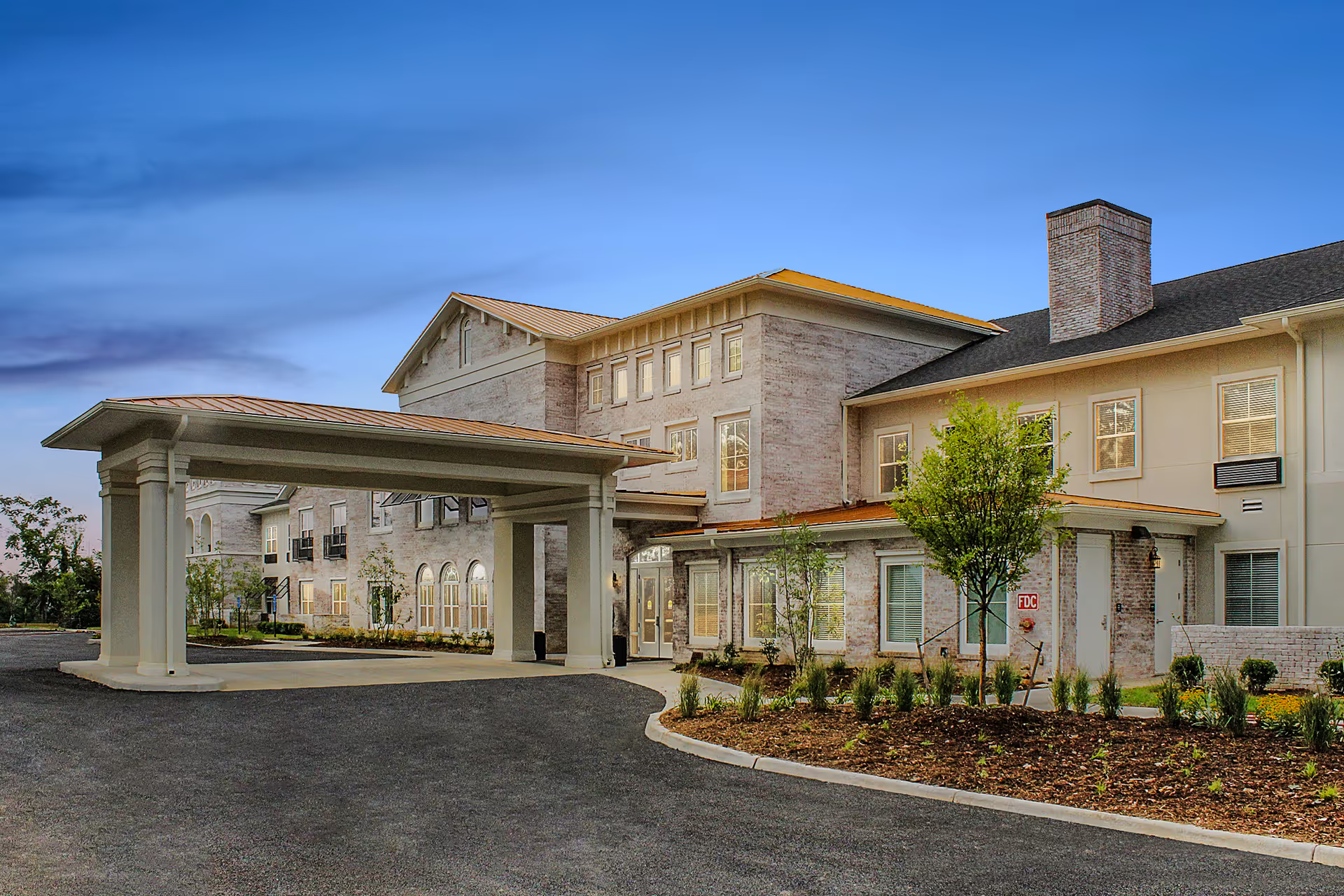
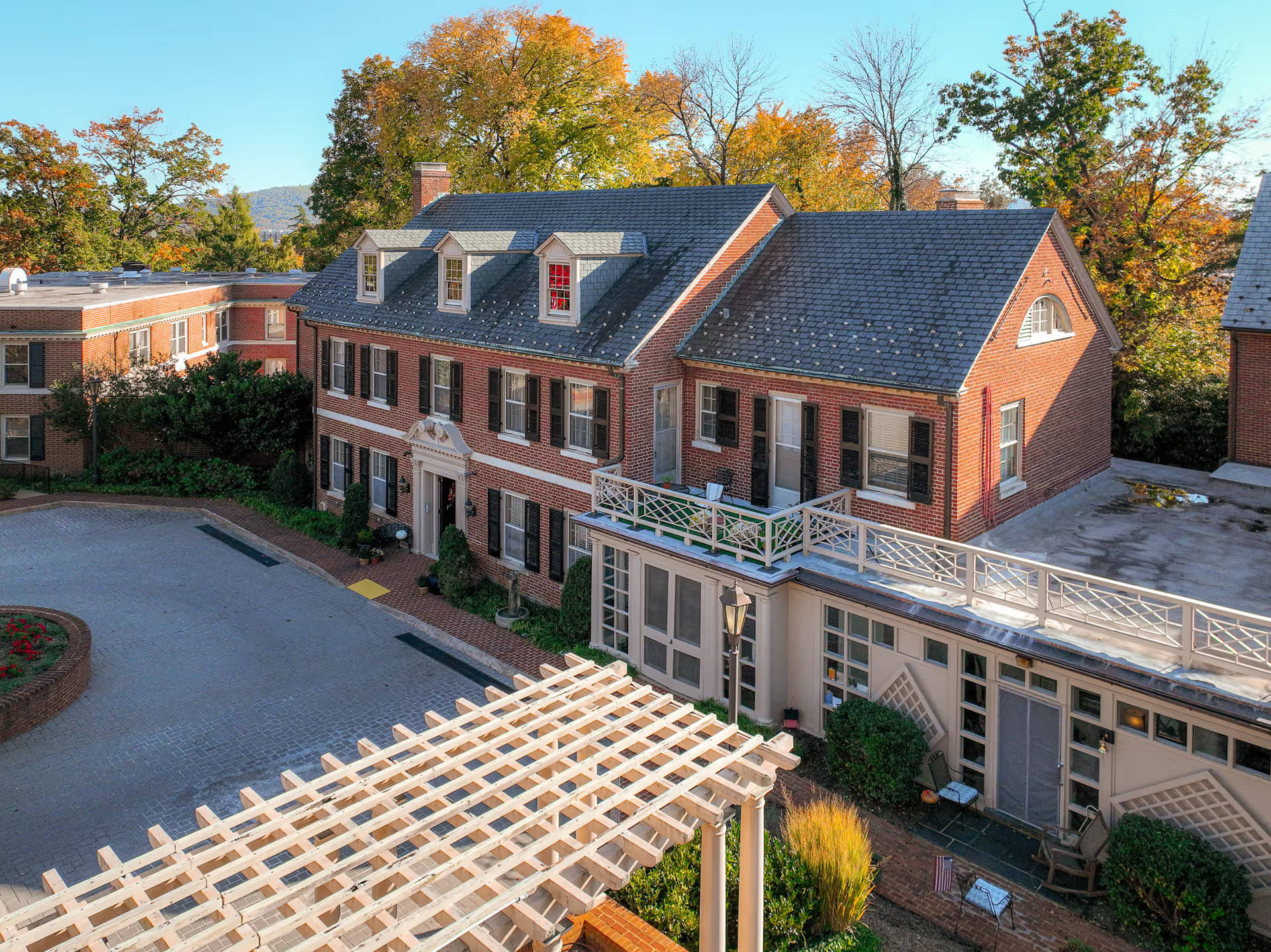
Facilities and safety: Many reviewers describe the building as bright, clean, and home-like, with pleasant common areas, gardens, and safety features such as door locks and alarms. Concurrently, there are described inconsistencies in housekeeping—walls and floors needing attention, and intermittent odor concerns related to incontinence care and cleaning practices. Shared rooms and frequent room moves were linked to security concerns for personal belongings; reviewers suggested improved storage locks and more stable placement practices to protect residents’ items and privacy.
Management and policy patterns: Several families expressed frustration with administrative responsiveness, including difficulty contacting leadership and perceptions that financial or placement decisions sometimes override family concerns. There are calls for improved staff training around family communication and empathy, and clearer, more transparent processes for billing, grievance resolution, and resident transitions.
Notable patterns and recommendations: Strengths center on individual staff excellence, therapy programs, and an engaging activities calendar within a generally pleasant facility. Persistent weaknesses cluster around inconsistent staffing, variable personal-care delivery, dementia-care capability, sanitation/odor control, and administrative communication. For prospective residents and families, the facility may be a good fit when strong, consistent caregiver relationships and therapy are priorities, but those requiring intensive dementia support, high-dependency personal care, or consistent housekeeping standards should seek concrete assurances about staffing levels, dementia-trained personnel, room-assignment stability, and escalation routes for concerns before admission. Management attention to staffing, targeted dementia training, standardized hygiene protocols, improved secure storage for resident belongings, and more proactive family communication would address the most frequently cited operational gaps.